
INDONESIA · BALI TRAVEL GUIDE
Bali Health & Safety: Animals, Roads, Sea Conditions & Getting Help


Good safety planning in Bali is specific to the activity. A road journey, a monkey encounter, a surf beach and a boat crossing need different decisions. Check conditions, use appropriately licensed services and keep a way to obtain help. Familiarity, a popular location or a confident sales pitch does not replace those checks.
Prepare for medical care before it is needed
Discuss your itinerary, existing conditions, medicines and relevant vaccinations with a qualified healthcare professional before travel. Mention remote stays, animal exposure, marine activities and how long you will be away. Recommendations should reflect your own health and route, not a generic list copied from another traveller.
Check that insurance covers the full trip and the activities you plan. Read the vehicle, diving and evacuation conditions rather than relying only on the word comprehensive. Save the assistance number offline and understand how the insurer wants you to obtain help. Keep enough accessible funds and a backup payment method for situations in which a provider requires payment.
Bring legal medication in labelled packaging with appropriate documentation. Verify Indonesian import restrictions before departure, particularly for controlled ingredients. Cannabis, CBD and THC products can be illegal despite an overseas prescription. Do not assume an over-the-counter product at home has the same status or formulation in Indonesia.
Avoid animal contact and act after a bite or scratch
Keep a respectful distance from dogs, cats, monkeys and bats. Do not touch, feed or provoke unfamiliar animals, including those in popular tourist settings. A friendly-looking animal or a small scratch is not a reliable way to judge infection risk. Watch children closely because they may approach animals or fail to mention a minor injury.
If bitten or scratched, wash the area thoroughly with soap and running water and seek medical care immediately, even if the wound looks small or you feel well. Tell the clinician what happened, where, when, and whether animal saliva contacted broken skin or the eyes or mouth. A clinician should assess rabies and other infection risks; do not wait for symptoms or for the next convenient sightseeing gap.
Pre-travel rabies vaccination does not remove the need for urgent care after an exposure. Additional treatment can still be required, and appropriate vaccine or medicine is not available everywhere. Ask the provider and insurer about obtaining treatment promptly; do not rely on an unverified claim that every Bali clinic has the same stock. CDC advice on animal contact and urgent action.
Take road and motorcycle decisions seriously
Traffic conditions and road surfaces can be demanding, and official advice reports serious motorcycle and moped accidents in Bali. Do not learn to ride in busy holiday traffic. A rental operator handing over keys does not establish that you are legally licensed, capable or insured for the vehicle.
Check the correct licence category, the applicable international or Indonesian permit requirements, helmet condition and insurance cover before riding. Wear the helmet correctly and do not ride after drinking. A car licence does not automatically cover a motorbike. If the requirements or your competence are uncertain, use a licensed car service or a driver instead.
When booking an app car, compare the driver and vehicle with the booking and share the journey where useful. Agree a private driver's route and return arrangements. Children need suitable restraints where available; ask before booking rather than assuming any car has the correct seat. See Getting Around for choosing transport by journey.
Separate a beach visit from a safe swim
Bali's sea conditions can change rapidly. Rough surf, currents, tides, rocks and boat traffic matter even on a sunny day. Some beaches are unpatrolled. Check local warnings, follow lifeguard instructions where present and keep children within active supervision. A calm surface or people already in the water does not establish safety.
Choose activities appropriate to your ability and the day's conditions. Do not combine alcohol with swimming or supervising children. Snorkelling and diving require an operator who explains the site, equipment, entry, exit and emergency arrangements. The beach guide distinguishes uses, while Diving & Snorkelling covers marine planning.
For a boat, check the named operator, current weather decision, passenger capacity and life jackets, including suitable children's sizes. Ask what happens after cancellation and whether the ticket includes onward ground transport. Keep a critical international departure buffered from a weather-dependent crossing. Use Ferries & Island Transfers for the booking questions.
Reduce food, water and mosquito risks
Use safe drinking water and food handling appropriate to your circumstances. Choose food that has been prepared and stored sensibly, wash hands and seek professional advice if illness is severe, persistent or accompanied by worrying symptoms. A busy venue or expensive meal does not guarantee food safety.
Dengue occurs in Bali. Discuss suitable prevention with your healthcare professional and use mosquito-bite precautions consistently, including at your accommodation. If you develop fever during or after travel, tell the clinician where you have been. Do not assume every fever is a minor holiday illness.
After heavy rain, avoid wading or swimming through floodwater and potentially contaminated freshwater. Water can hide damaged surfaces and carry infection risks, including leptospirosis. Protect cuts and choose another route when conditions are unsafe. CDC Indonesia health notices.
Keep control of drinks and the journey home
Drink spiking and methanol poisoning have been reported in Indonesian tourist areas. Watch drinks being prepared, keep them in sight and do not accept an unexplained drink from a stranger. Do not use taste, smell or a familiar brand label as proof that a spirit is safe. If poisoning is suspected, obtain urgent medical help and explain the concern.
Arrange a verified way back from an evening out and keep your phone charged. Travel companions should know if someone changes venue or leaves separately. Avoid isolated routes after dark and check the identity of any driver. The nightlife guide can help compare settings without treating party advice as a guarantee of safety.
Protect documents and payments
Keep valuables out of sight and carry only what you need for the day. Bag and phone snatching can occur, including from motorcycles. Avoid holding a phone loosely at the road edge, and keep a secure copy of important details separate from the original documents.
Use licensed currency exchanges and verified bank contacts. Cover ATM PIN entry and do not follow an unknown caller's instructions to reveal banking codes. If a card is lost, use the issuer's official channel promptly. For a crime, seek local assistance and obtain the report required by your insurer. Read Travel Costs & Money for everyday payment handling.
Respect natural hazards and access restrictions
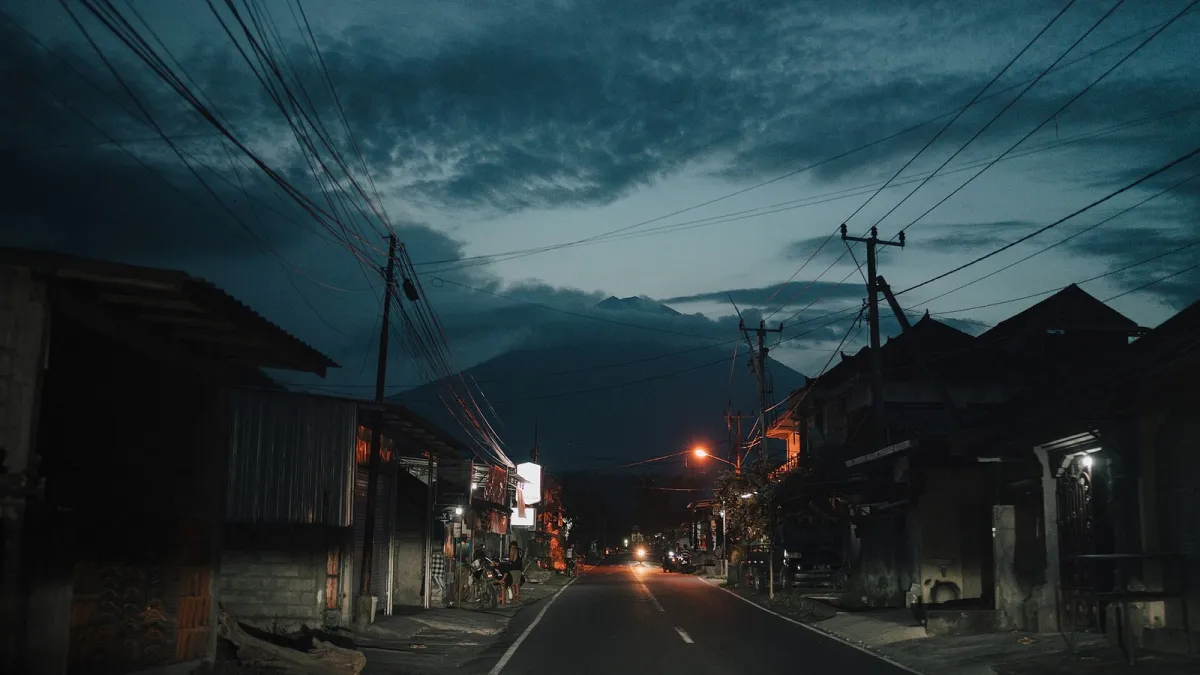

Weather, volcanic activity, earthquakes and flooding can affect travel. Check official warnings and local instructions before mountain outings, and respect exclusion zones or closed trails. A previous photograph, a tour listing or a dry-season itinerary does not prove present-day access.
If conditions deteriorate, shorten or cancel the outing. Ask accommodation staff about local emergency arrangements and evacuation routes, especially near the coast. Follow official instructions after a significant event instead of travelling towards a viewpoint to see the disturbance. BMKG and Indonesian disaster authorities provide information; your airline and operator provide the status of your particular booking.
Get help without relying on one device
For urgent assistance, use the locally relevant service and ask accommodation staff or another responsible person to help communicate your location. The useful contacts page records sourced numbers and explains their limits. Do not assume a data-only eSIM can make ordinary mobile voice calls.
In a medical emergency, prioritise getting professional help. Contact your insurer as soon as practical, but do not postpone urgent care simply to complete travel administration. Keep details of the incident, treatment and receipts for follow-up. Official FCDO safety advice and Australian travel advice provide a wider current risk picture for Indonesia.
Frequently asked questions
What should I do after a monkey scratch or dog bite?
Wash thoroughly with soap and running water and seek medical care immediately, even for a small wound. Describe the animal contact and travel location; do not wait for symptoms.
Do I still need care if I had rabies vaccination before travelling?
Yes. Pre-travel vaccination does not remove the need for urgent assessment and any additional post-exposure treatment.
Can I rent a scooter with just a car licence?
Do not assume so. Check the correct vehicle category, applicable permit and insurance conditions. A rental shop accepting payment does not prove you are legally or adequately insured to ride.
Are calm-looking beaches safe for swimming?
Appearance alone is insufficient. Check currents, tides, surf, warnings, supervision and boat traffic at the actual beach, and follow local safety instructions.
Can I identify methanol-contaminated alcohol by its taste?
No. Official advice says taste, smell and familiar branding cannot reliably rule out contamination. Seek urgent medical help if poisoning is suspected.