
INDONESIA · BALI TRAVEL GUIDE
Diving & Snorkelling in Bali: Choose a Coast, Operator & Safe Schedule
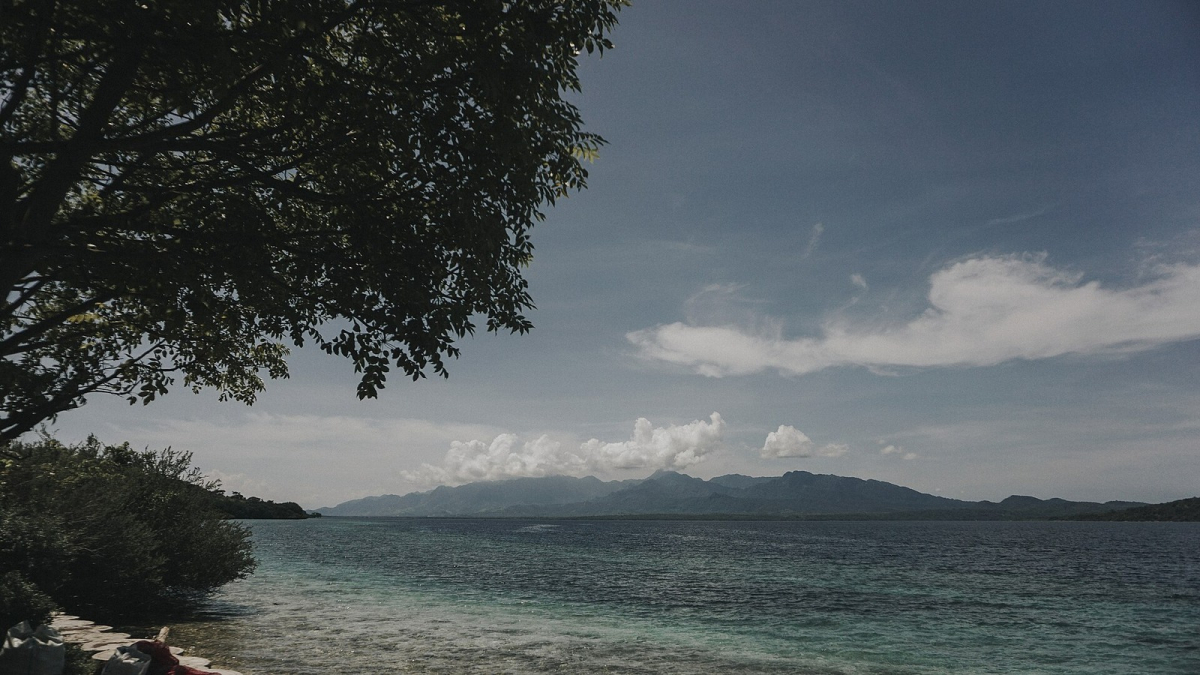
Bali's underwater options are spread around the island and its offshore neighbours. Choose the coast and activity before choosing a hotel: a wreck-focused diving stay in the northeast, a northwest marine outing and a Nusa Penida boat day create different journeys. Snorkelling and scuba diving also require different preparation; neither should be booked on the assumption that every attractive bay has gentle conditions.
Choose a marine base that fits the holiday
For a few coastal days, staying near the activity can reduce repeated long drives. If the sea is only one part of a short holiday, a carefully selected day trip may be more practical. In either case, count the road transfer, equipment fitting, briefing and any boat travel as part of the day.
Indonesia's tourism authority identifies Amed, Tulamben, Menjangan and the Nusa islands among Bali's marine areas. Its destination lists are useful for orientation; the operator must still assess the actual site and conditions for your experience. Do not translate a broad beginner-friendly description into clearance for every dive or every day.
On smaller screens, swipe or scroll horizontally to read the full table.
| Area | Reason to investigate | Planning question |
|---|---|---|
| Amed / northeast coast | Several coastal dive and snorkelling options | Which bay, entry and local base match your ability? |
| Tulamben | The Liberty wreck and other underwater sites | What does the planned dive involve beyond seeing a wreck name? |
| Pemuteran / Menjangan | A northwest base for marine and park-related outings | How are the boat, permissions and road journeys arranged? |
| Padangbai area | A marine outing that can fit an east-coast route | Which actual site and boat are in the package? |
| Nusa Penida / Lembongan | Offshore marine sites | Are current, water temperature and experience requirements suitable? |
Amed and Tulamben: stay close to the northeast
Amed is a useful area to investigate for a stay in which water time is the main purpose. Ask the operator to name the bay, entry route and intended activity. Shore access does not necessarily mean an effortless entry: stones, waves, equipment weight and the route back out matter.
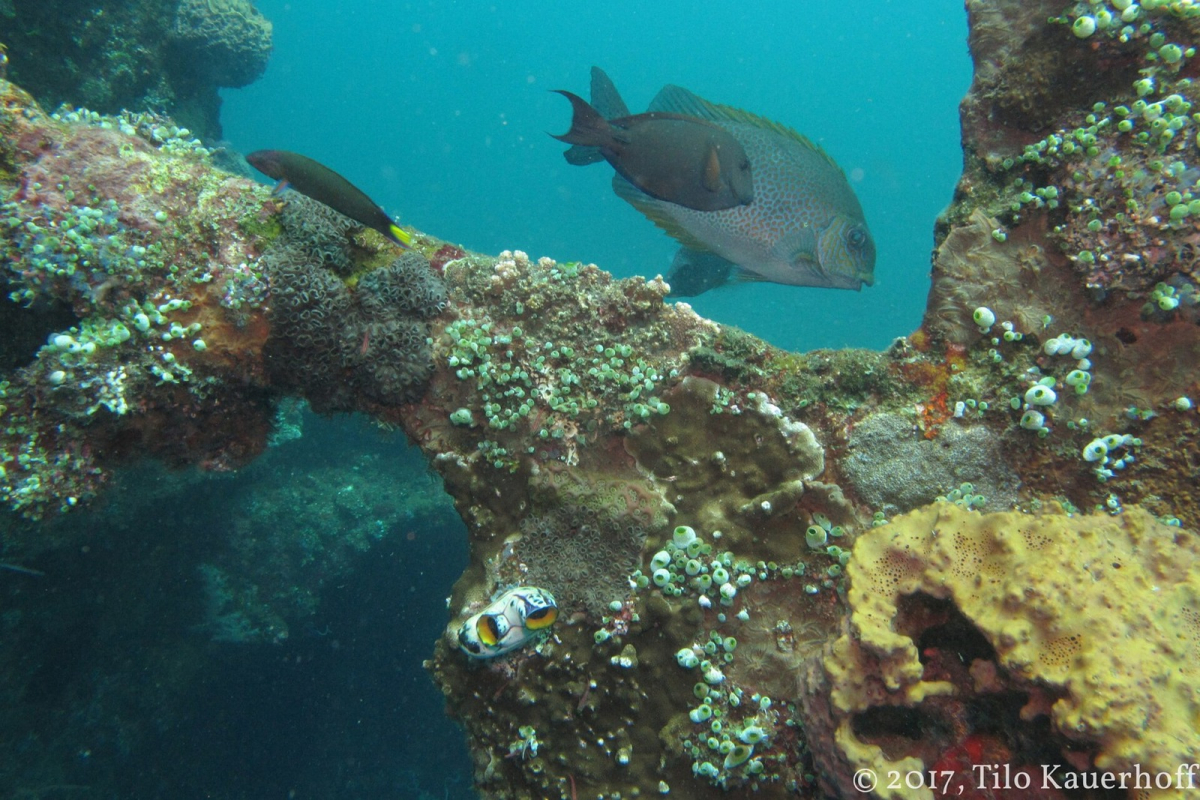
Tulamben is particularly associated with the Liberty wreck. Treat a wreck as a site with a defined dive plan rather than a single uniform attraction. Ask what part is proposed, what training is required and whether the activity stays outside the wreck. A course or certification level does not automatically qualify a diver for overhead environments or penetration.
The photograph here records an underwater scene at Tulamben. It cannot promise visibility, wildlife or access on your visit. Current site selection belongs with a qualified operator assessing the group. Amed overview; Tulamben overview.
Menjangan and the northwest
Menjangan lies within the West Bali National Park area and is known for marine outings. For a snorkelling or diving trip, clarify the departure point, boat, guide, park-related requirements and the time available at the sites. A land-based northwest stay may fit this plan better than repeatedly crossing Bali from a southern hotel.
Ask about the group's activity mix. A boat carrying both divers and snorkellers needs suitable supervision and a plan for each. Find out whether lunch, equipment and any required charges are included, and what changes if the weather prevents the intended site. Official Menjangan overview.
Nusa Penida and Lembongan: assess the actual site
Nusa Penida's named marine locations include Crystal Bay and Manta Point, but a familiar name does not establish easy conditions or a guaranteed animal encounter. Ask about currents, surface conditions, temperature, entry and recovery, and whether the group has the appropriate experience.
Do not book solely to obtain a promised photograph with a particular animal. Wildlife is not guaranteed and close pursuit is not a responsible objective. If the operator changes the site for conditions, assess the alternative on its suitability rather than regarding the original name as an entitlement. See island transfers if your holiday includes an overnight stay.
Choose an operator through specific questions
Describe your certification, recent experience, swimming confidence, health considerations and any equipment needs honestly. Ask who supervises the activity, the group size and how participants of different abilities are managed. A low price is difficult to compare without knowing the boat, guide ratio and included equipment.
For diving, ask about the briefing, oxygen, communications, emergency action plan and access to appropriate medical assistance. For snorkelling, ask how the guide supervises the group and handles a participant who is tired or uncomfortable. An excursion sold as suitable for everyone still needs an individual suitability decision.
Read cancellation terms and insurance conditions before paying. Confirm whether the policy covers your planned diving level and other marine activities. Keep the operator's name and contact separate from the reseller's booking reference.
Make the first session a useful check
Allow time to fit equipment properly and explain anything unfamiliar. A returning diver may need a refresher before a demanding site; an introductory scuba experience is not a substitute for certification. Ask the professional leading you to explain the limits and plan in terms you understand.
Snorkellers need an activity suited to their water confidence and ability, including an understood way to return to the boat or shore. If you cannot manage the conditions, tell the guide early. Do not enter simply because others appear relaxed, and do not separate from the agreed supervision to follow wildlife.
Plan flying and upland travel after diving
Make the post-dive schedule part of the trip before booking the final day. Divers Alert Network explains that flying after diving increases decompression stress and that ascending to altitude by road also matters. A drive from a coastal dive base into Bali's highlands is therefore a planning question, not merely a scenic transfer.
Use DAN's current guidance and discuss your actual dive profile, flights and land route with qualified professionals. Do not use a single generic waiting time as an individual medical clearance, particularly after repetitive or more demanding diving. Schedule ordinary surface activities that fit the advised plan.
If unwell after diving or concerned about a possible dive injury, seek appropriate emergency medical assistance and explain the diving history. Do not treat an insurance helpline or an online itinerary calculation as a substitute for urgent professional care.
Leave the underwater site intact
Follow the guide's route, keep control of fins and equipment and avoid touching coral or animals. Do not feed wildlife or remove souvenirs. If photography prevents you maintaining safe control, simplify the activity and prioritise the dive or snorkelling plan.
Use Responsible Travel for evaluating conservation claims and Beaches for surface-level coastal choices. A successful marine day is one that fits the participants and conditions, with enough time afterwards for the rest of the journey.
Frequently asked questions
Where should I base a Bali diving holiday?
Choose according to the intended sites: Amed/Tulamben, the northwest around Menjangan and the Nusa islands create different routes. Confirm the actual sites and conditions before selecting accommodation.
Is snorkelling suitable for a non-swimmer?
Do not assume a commercial trip is suitable. Tell the operator about swimming confidence and obtain an individual assessment of the activity, supervision and conditions.
Are manta or other wildlife sightings guaranteed?
No. Wildlife and conditions vary. Choose an operator for its safe and considerate practices rather than a promise of a particular encounter.
Can I drive into Bali's highlands immediately after diving?
Altitude gained by road matters to post-dive planning as well as flying. Discuss your actual dive profile and route with qualified professionals using current DAN guidance.
Does seeing the Liberty wreck require entering it?
A wreck can be observed through different dive plans. Ask what is proposed and stay within your training; overhead or penetration activities require separate qualifications and planning.


