
INDONESIA · BALI TRAVEL GUIDE
Shopping in Bali: Textiles, Crafts and What to Check Before Buying
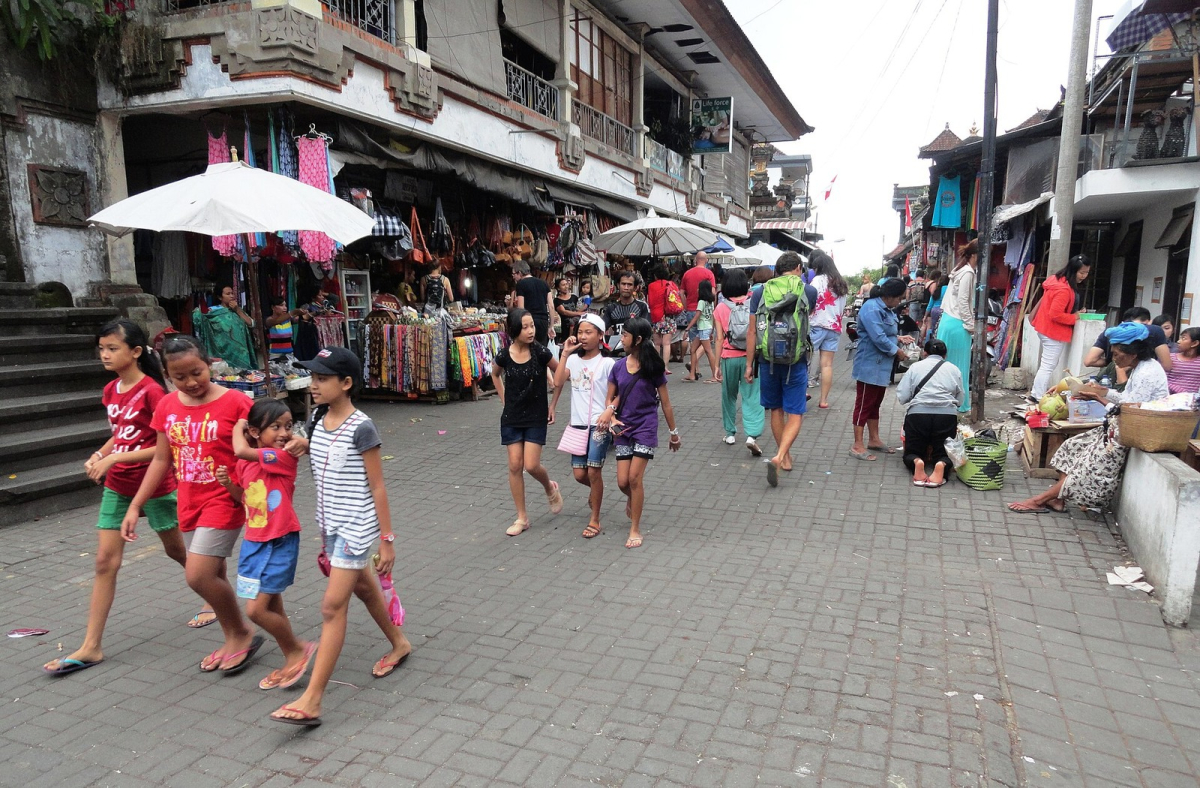
Bali offers a wide range of textiles, jewellery, carving, ceramics and everyday souvenirs. The useful question is not simply whether something looks Balinese, but who made it, what it is made from and how it will be used. A shop can legitimately sell work from elsewhere in Indonesia; it should be able to explain that origin rather than presenting every object as locally made.
Buy the object, the material and the story together
Decide what you want before joining a long shopping route. A textile visit, a silver workshop and a large art market serve different needs. Tell a driver which stops you want and whether you are comfortable with commission-based introductions. You can decline an unplanned shop without turning the journey into a dispute.
Set a total budget that includes packing, baggage or shipping. A large carving or fragile bowl can cost much more to transport than a small textile. For a substantial purchase, keep the maker's details, description, material and receipt together. A confident sales story is not proof of provenance or a permit to export an object.
On smaller screens, swipe or scroll horizontally to read the full table.
| Purchase | What to ask | What to take home |
|---|---|---|
| Textile | Fibre, weaving or printing method, place and maker | Written origin and care instructions |
| Silver jewellery | Metal content, stones, plating and workmanship | Itemised receipt and repair or sizing terms |
| Woodcarving | Wood species, maker, treatment and export questions | Material description and protective packing |
| Ceramic | Food-use suitability, finish and breakage risk | Care details and secure packaging |
| Market souvenir | Actual material, condition and final quantity | Agreed total and receipt for a larger purchase |
Textiles: distinguish the process and the place
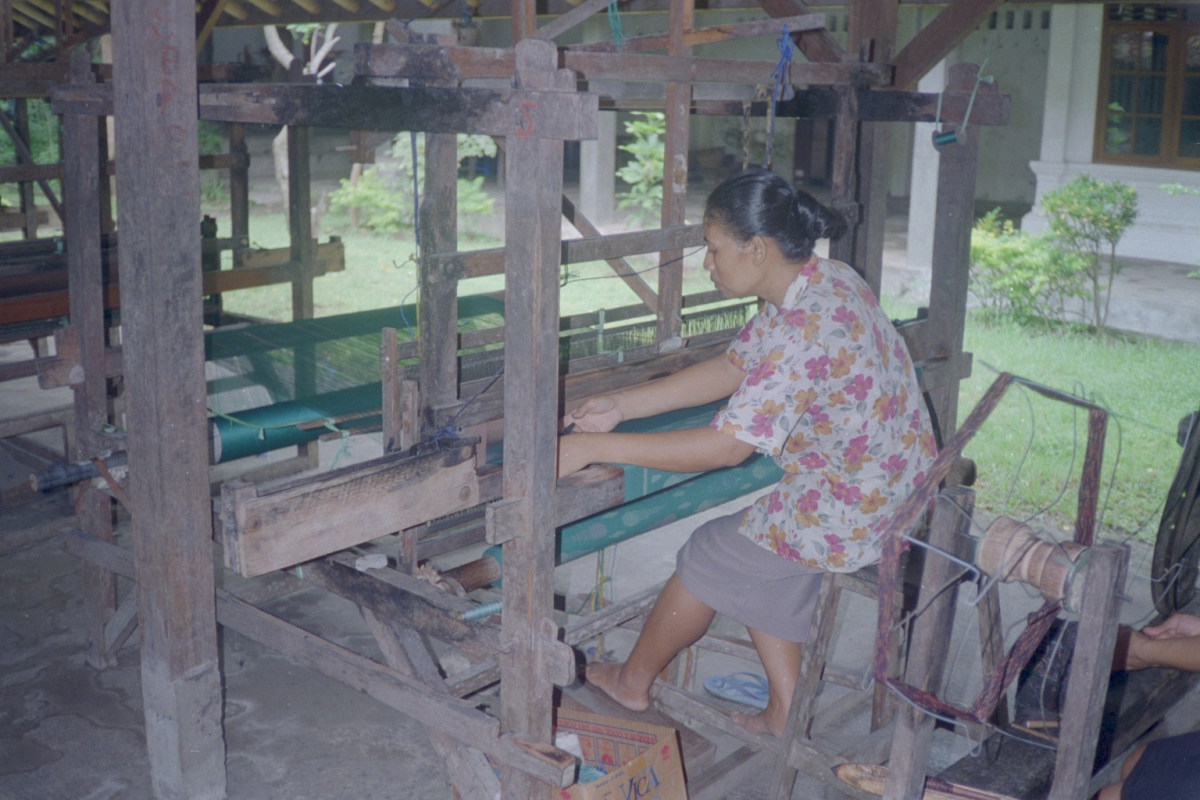
Printed cloth, machine-woven fabric and handwoven work are different products. All can be useful purchases when clearly described. Ask how the pattern is made, what fibre is used and whether the piece is intended for clothing, display or ceremonial use. Do not assume that a complex-looking pattern proves a slow hand process.
Endek and geringsing are terms you may encounter in Bali. Geringsing is associated with the double-ikat tradition of Tenganan in east Bali; it should not be used as a generic name for any patterned scarf. A historical textile shown in a museum collection demonstrates a tradition, not the age, quality or availability of current shop stock.
Threads of Life identifies Ubud retail and gallery locations and a separate natural-dye studio. It provides one starting point for asking about Indonesian textiles and makers. Confirm which location serves your purpose, and do not assume that a shop visit includes a workshop.
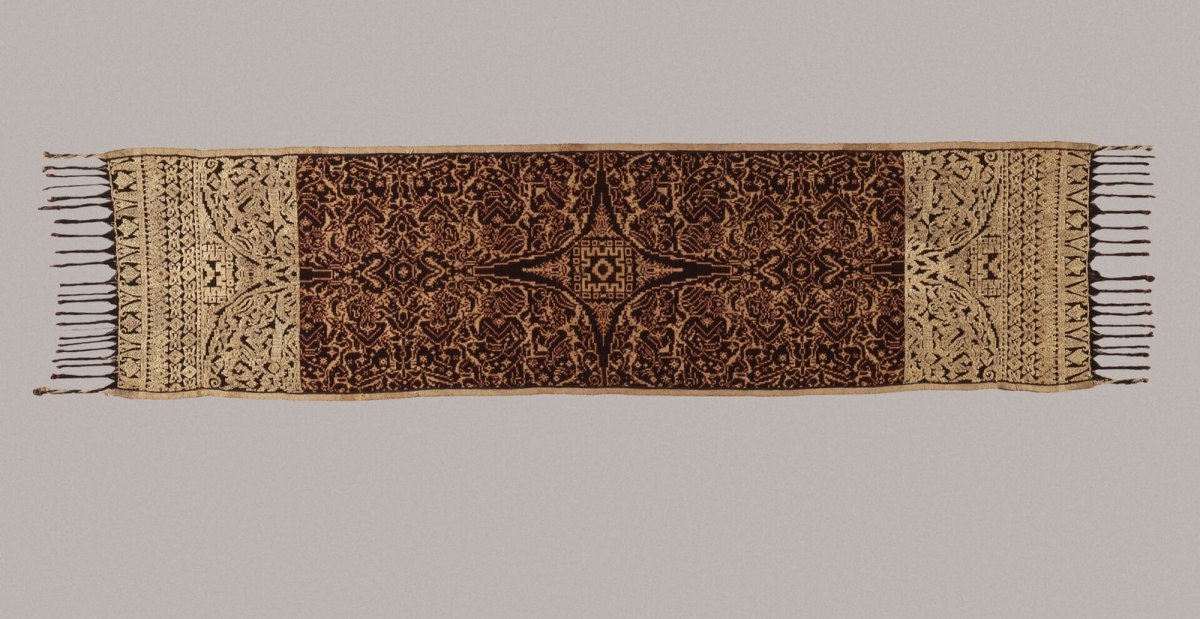
Ask about colour transfer, washing, sunlight and storage before buying. If a piece is expensive or described as old, request a written account of origin and age and obtain independent advice when needed. Do not let an uncertain antique claim become the reason for paying a premium.
Celuk silver: look at the workmanship and the written description
Celuk in Gianyar is associated with gold and silver work, documented in the Bali provincial cultural record. A visit can be useful for seeing a maker's process and comparing pieces, but a village address does not certify every item in every showroom.
Ask whether the piece is solid silver, plated or mixed material and what a stone is claimed to be. Check clasps, settings, joins, sharp edges and the finish where it touches skin. A hallmark is a useful detail to discuss, not a substitute for a seller's written description and accountable business details.
For a custom ring or repair, confirm size, final weight, design, completion date and what happens if it does not fit. Photograph the agreed design with permission and keep a copy of the order. A class fee and a finished jewellery purchase are different transactions; ask whether extra metal or a more complex design changes the total.
Woodcarving, masks and paintings: learn who made the work
Mas and the wider Gianyar area are associated with carving, while Ubud and Batuan are familiar names in painting. Use a visit to ask about the actual artist, not just the district. Some showrooms combine work by several makers. That can offer variety, but the person demonstrating at a bench may not have made every object for sale.
For carving, ask the wood species, whether colour is natural or applied and how the piece has been treated. Inspect for cracks, repairs and fragile projecting parts. Check the destination country's biosecurity and import requirements before paying for an untreated wooden object. Do not rely on a seller's general assurance that something can go anywhere.
For a painting, keep the artist's name, title if supplied, medium, dimensions and a receipt. Ask whether it is an original, a print or a reproduction and how it will be rolled or packed. A mask made for display should not be presented as a historic ceremonial object without evidence. The museum guide provides a useful preparation for comparing styles without turning a shop into an expert authentication service.
Ceramics: buy for the way you will use the piece
Jenggala offers a first-party starting point for Bali-made homeware and pottery activities. Compare the actual collection, outlet and product description rather than assuming that every ceramic bowl in a market comes from the same producer.
Ask whether a piece is intended for food, decorative display or another use, and whether it can go in a dishwasher, microwave or oven. A glaze's appearance alone does not establish those properties. Check the rim, base and handle and ask about seconds or visible variations before agreeing a price.
For a practical class, drying, firing and glazing can take longer than the session itself. Confirm collection and shipping before booking near the end of your stay. For a purchase, request packing that protects each piece separately and include the weight in your baggage calculation. Shipping insurance, breakage claims and replacement terms should be clear in writing.
Markets and shopping districts: choose the format
Ubud Market and Sukawati Art Market offer a different kind of shopping from a fixed-price gallery or workshop. The official Sukawati description identifies a mix of textiles, carving, painting and other crafts. That variety makes it useful for comparison, but an object's presence in a Bali market does not prove it was made on the island.
Inspect the item you will actually take away, including seams, lining, fastening and finish. Compare like with like before comparing price. A simple printed sarong and a carefully documented handwoven textile should not be judged as if they were the same product.
Bargaining can be appropriate where prices are negotiable. Ask politely, agree a total and avoid making an offer you do not intend to honour. In a shop with clearly fixed prices, respect that format. Choose shopping time that fits the day and leave the market without a purchase if nothing meets your needs; a stop does not create an obligation to buy.
Packing, shipping and items to leave behind
Before buying food, seeds, plants, animal materials or untreated wood, check the rules of the country you will enter next. Customs and biosecurity requirements depend on the material and destination. Keep labels and receipts, and declare items where required. A product sold openly is not necessarily legal to import.
Avoid wildlife products, protected materials and objects whose lawful origin cannot be explained. For anything described as an antique or cultural object, get independent advice about ownership and export requirements before paying. A vendor's willingness to pack it is not evidence that export is allowed.
For shipping, confirm the carrier, packaging, tracking, insurance, delivery address and who pays import taxes. Take photographs of the item and the agreed condition. A low purchase price can be outweighed by freight and duties, so compare the final landed cost with your original budget.
If you would rather make something than shop, use Things to Do to choose a workshop. For payment and currency questions, continue to Travel Costs & Money.
Frequently asked questions
Is everything sold in Bali markets made in Bali?
No. Markets and shops can sell goods from elsewhere in Indonesia or beyond. Ask about origin and maker rather than assuming location proves production.
Where is bargaining appropriate?
It can be appropriate at stalls where the price is negotiable. Respect fixed-price shops and galleries, and only make an offer you are willing to honour.
Can I take woodcarvings and food home?
Check the customs and biosecurity rules of your destination and any transit country. Material, treatment and packaging matter; a seller’s general assurance is not enough.
Does a workshop fee include the finished item?
Not always. Check materials, extra metal, firing, finishing, collection and shipping before paying, especially near the end of your stay.



