
INDONESIA · BALI TRAVEL GUIDE
Bali with Kids: Bases, Activities and Practical Family Plans

A successful family holiday in Bali starts with the ordinary parts of the day: breakfast, a shaded walk, a place to rest and a predictable journey home. A room with a dramatic view is less useful if every meal requires a car or a steep climb. Choose the base for your children's actual ages and interests, rather than a universal “best for families” label.
Choose a base around the family's daily routine
Sanur can be useful for a promenade and a choice of nearby meals; Nusa Dua can suit a resort-centred holiday; Ubud makes more sense when inland culture, art or a cooking activity is the priority. A split stay may provide variety, but repeated packing and long transfers are tiring. Compare the practical differences in Where to Stay before choosing a named property.
Ask the hotel about cot dimensions, connecting rooms, bed configurations and the exact room's access. “Family room” does not necessarily mean separate sleeping space. Check balcony barriers, unprotected pools, ponds, stairs and the route to breakfast. For a private villa, ask whether a pool fence is physically installed and secure; photographs or a promise to arrange one are not enough.
Match the outing to age, stamina and weather
On smaller screens, swipe or scroll horizontally to read the full table.
| Family need | Useful type of outing | Question to ask |
|---|---|---|
| Young children and naps | A short promenade outing or activity near the hotel | Can we return easily before heat or tiredness builds? |
| School-age curiosity | A supervised craft or cooking session | What can the child actually do, and what age is accepted? |
| Water-play day | A managed water park with suitable areas | Which rides fit this child’s measured height and ability? |
| Rainy afternoon | A museum with a manageable visit | Are the exhibits, lighting and sounds comfortable for this child? |
| Active older children | A guided walk, cycle or surf lesson | Is the route or lesson designed for beginners, and what equipment is provided? |
One main activity is often enough for a family day. A museum and an easy meal can be more memorable than a long series of temple stops. Leave time for toilets, changing clothes and food that the children recognise. Carry familiar snacks where allowed, but check venue restrictions before arriving with a bag of food.
Waterbom Bali: check the child's actual ride eligibility
Waterbom's official visitor information is the starting point for a Kuta water-park day. The park has different areas and slide restrictions, so age alone is not a reliable guide to what a child can use. Measure height before booking and read the restrictions for the specific rides, including any weight, health or supervision conditions.
Adults still need a supervision plan. Decide who stays with a younger child while others use a slide, where you will meet and how you will store valuables. Check which costs sit outside the admission ticket, such as a locker, towel or reserved gazebo. A full day does not mean spending every hour in the water; include shade, meals and a quiet break.
Use current official conditions rather than old pandemic-era pages or similarly named festivals. If your child is very young, nervous about water or unable to meet ride requirements, compare the suitable play areas with a simpler hotel-pool day before paying for the whole group.
Culture that children can take part in
A supervised art, music or cooking session can give children something concrete to notice for the rest of the trip. Ask how much of the session is practical, whether instruction is available in a language the child understands and whether sharp tools, heat or food allergies change participation. A family class should accommodate the youngest participant rather than simply adding a child to an adult programme.
For a museum, choose a theme the child can grasp: a painted story, musical instruments or the large ogoh-ogoh figures associated with Nyepi. SAKA Museum's family information explains that some figures may startle younger children. Discuss this before entering and keep the visit flexible. The separate museum guide compares art and cultural collections.
At a temple, explain that it is a place of worship before discussing the photograph. Carry the required clothing, follow staff directions and avoid interrupting a ceremony. A short respectful visit is better than expecting a tired child to complete a long circuit. Children should not climb shrines, touch offerings or pursue animals.
Outdoor days: shade and the return journey matter
The Bali Botanic Garden in Bedugul can offer a different environment from the coast, with plant collections and a highland setting. The grounds are extensive, so pick a manageable area and check the current shuttle or mobility arrangements with the official visitor centre. Bring a layer and rain protection; cooler air does not remove the need for sun protection.
For rice landscapes, arrange a short guided route and explain that the paths are part of working farms. Children should stay away from channels and crops. A waterfall may involve more stairs than expected, with slippery surfaces and a strenuous return. Ask about the actual entrance-to-waterfall route, rather than treating “family-friendly” as a measurable description.
At the beach, choose the current supervised area and follow local restrictions. A reef or calm photograph does not guarantee suitable water. One adult should remain responsible for watching the children without distractions. Check shade, toilets, drinking water and a firm route back to the vehicle before settling in.
Kemenuh Butterfly Park: a smaller nature visit
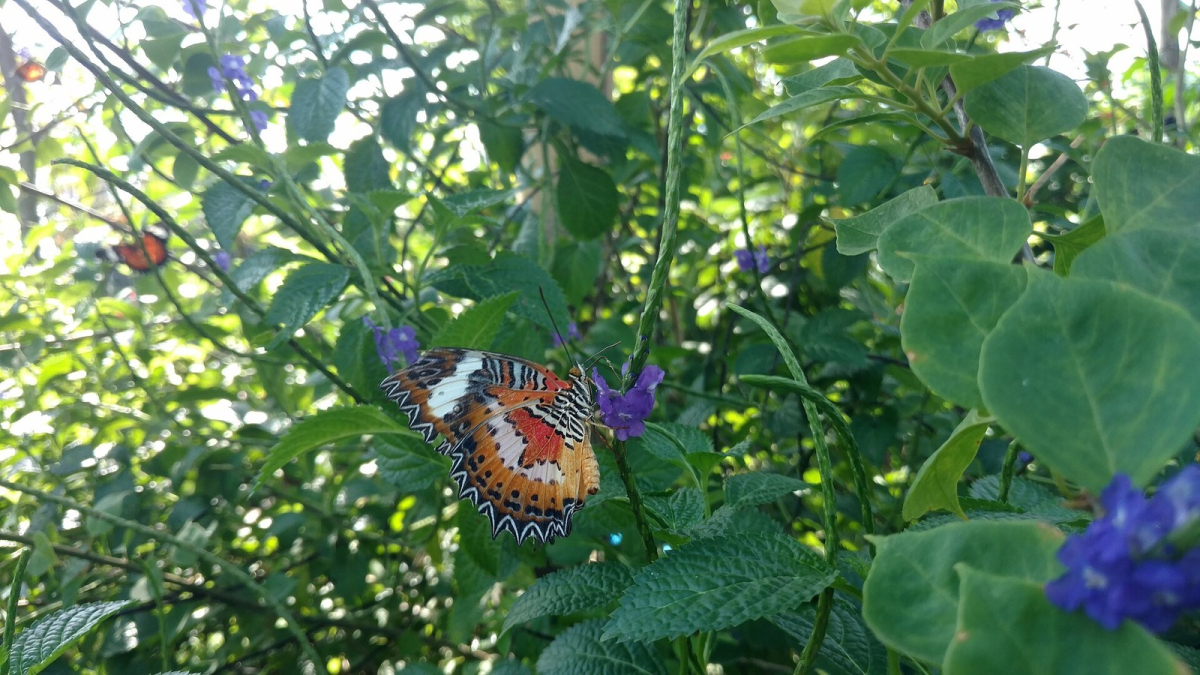
Kemenuh Butterfly Park provides another option in the Gianyar area for children interested in butterflies. Confirm the current visitor arrangements and the route through the grounds before travel. Observe without touching or pursuing the insects, follow staff instructions and do not promise a particular species or emergence event. Check any separate water-park or package admission rather than assuming all facilities are included.
Car seats, pickups and island boats
Request a suitable child restraint when arranging airport and road transfers. Confirm the type, condition and fit for the child's size, and whether the vehicle has the anchoring or belt arrangement it requires. A driver saying that children can sit on an adult's lap is not a substitute for a suitable restraint. Keep the booking confirmation and make the requirement explicit for each separate vehicle.
Allow extra time for loading, toilets and motion sickness on winding roads. For a hired driver, agree the stops, lunch arrangements and collection points, and check whether waiting time is included. Keep essentials in the passenger area rather than under luggage that cannot easily be reached during the journey.
A boat excursion needs a separate decision. Ask about a correctly sized child's lifejacket, boarding steps or wet boarding, sea conditions, shelter and the return sailing. The smaller Nusa islands are not automatically an easy family day simply because they appear close on a map. A child who finds the crossing difficult may have little energy for a long road tour after arrival.
Meals, animals and a plan for illness
Bali offers many different dining formats. For a food allergy, send clear information ahead and ask about ingredients and cross-contact in the actual kitchen. A dish that looks like vegetables may contain fish, shrimp paste, nuts or meat stock. Choose freshly prepared food and safe drinking water, and keep essential medicines in their original packaging according to your clinician's advice.
Keep children away from monkeys, dogs and other unfamiliar animals, including animals offered for handling or photographs. Do not let a child feed wildlife. For a bite or scratch, wash the wound promptly and obtain urgent medical advice; apparent health or behaviour of the animal is not a reliable way to rule out risk. The Health & Safety page explains the next steps.
Save the accommodation address, insurer assistance details and a suitable medical contact before a day out. Make sure a phone can place voice calls when needed; a data-only plan may not provide that function. Do not leave the first search for help until a child is unwell in an unfamiliar district.
Frequently asked questions
Is Bali suitable for toddlers?
It can be, with an appropriate room, supervised pool access, suitable restraints and short outings. Verify the property’s specific hazards and facilities rather than relying on a family label.
Should families hire a scooter?
A scooter is not a substitute for a properly arranged family transfer. For road journeys, request a suitable vehicle and child restraint and check the actual provision before travel.
Is Waterbom the same as Waterbomb Bali?
No. Use the official waterbom-bali.com visitor pages for the Kuta water park. Similarly named music events have separate venues, admission rules and age restrictions.
What is a useful rainy-day activity with children?
A nearby museum, supervised craft class or quiet hotel activity can work. Check whether the exhibits and noise suit your child and avoid replacing an outdoor plan with a long cross-island drive.


