
INDONESIA · BALI TRAVEL GUIDE
Bali Photos & Photo Spots: Light, Access & Thoughtful Routes
Plan Bali photography around a setting, a realistic route and the access you actually have. A coast, a rice-growing landscape, a performance and a private resort each require a different approach. The most useful picture-making day may involve staying in one area and returning when the light changes, rather than driving between every famous viewpoint.
This page helps you choose the kind of outing. The individual photo pages discuss a specific image, the place it shows and practical composition or visitor questions. Photographs record a moment; they do not confirm today’s access, current room layouts or permission to photograph a ceremony.
Choose a photographic day before choosing a lens
On smaller screens, swipe or scroll horizontally to read the full table.
| Setting | What to work with | Practical check |
|---|---|---|
| Lake and highland landscapes | Layered landforms, changing cloud and reflection | Weather, permitted standing area and time for visibility to change |
| Long west-coast beaches | Shorelines, people at a respectful distance and changing sky | Surf, public access and space to stay clear of water |
| Rocky coves | Coastal shapes and differences in height | Steps, tide, return route and a safe standing position |
| Rice-growing areas | Field patterns, work and irrigation structures | Permission, working paths and respect for crops |
| Dance and processions | Gesture, movement, costume and the surrounding community | Whether photographs are welcomed; audience and worship space |
| Resort architecture | Material, repeated forms, water and designed landscape | Guest or visitor access and consent for identifiable people |
Coast and islands: leave space for conditions
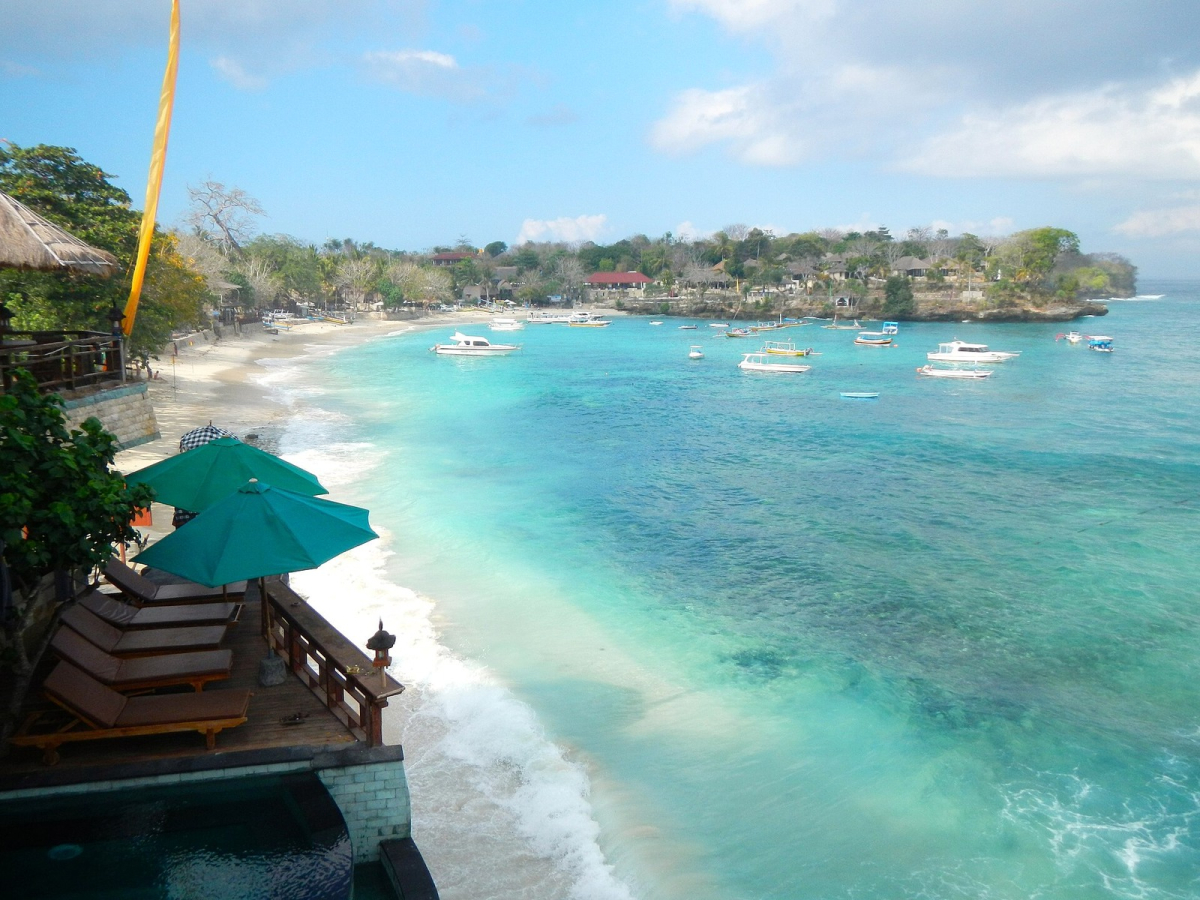
Long beaches and small coves need different plans. On the Kuta–Legian coast, a broader shoreline can offer room to observe the relationship between sea, sky and everyday use. At a cove such as Padang Padang, the approach and limited space become part of the outing. Keep bags and equipment clear of steps, paths and the waterline; do not step into surf to reproduce another photographer’s angle.
The Kuta and Legian pages explain their individual images. Nusa Dua introduces a different coastal scene, while Padang Padang focuses on the relationship between sand, rocks and the cove. A photograph of calm-looking water is not swimming advice.
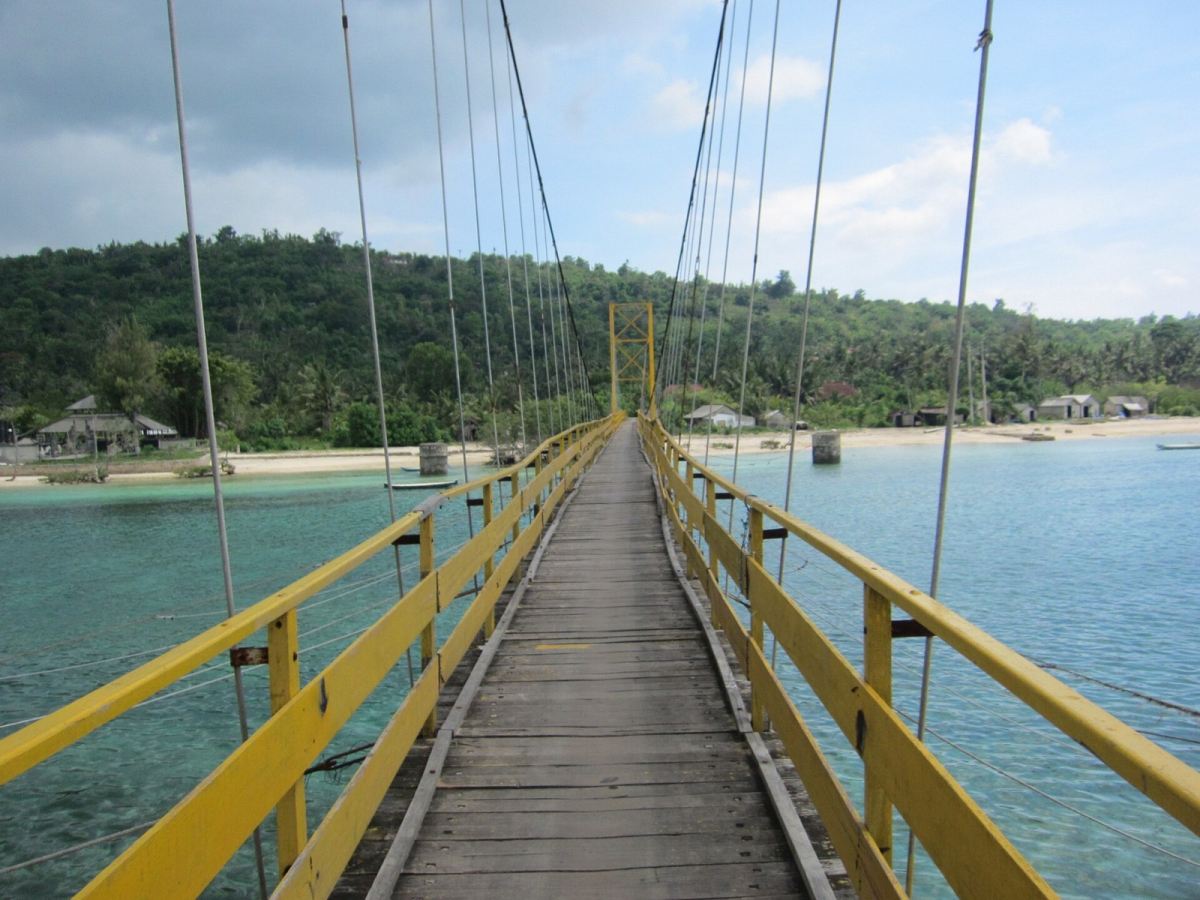
On the Nusa Islands, allow for the sea crossing and local road journey before planning light or a return. The yellow bridge between Lembongan and Ceningan is transport infrastructure as well as a recognisable subject. Photograph from a place where you can stop safely and leave the route clear. Do not build an island outing around a precise sunset image if the boat connection requires you to leave earlier.
Lakes, calderas and working rice landscapes
Lake Beratan and the Kintamani area offer different highland subjects. At Ulun Danu Beratan, buildings, planted details and lake surroundings can all matter; the complex is more than one widely reproduced meru view. At Lake Batur and Kintamani, the scale and layering of the volcanic landscape are central. Check weather and present restrictions without treating a photograph as a map of permitted access.
Rice fields are working places. Keep to routes that are open to visitors, ask before entering a private field and never move or damage crops for a composition. Irrigation channels, narrow bunds and paths have practical purposes. Use a longer view from a permitted position rather than stepping onto a fragile edge. The Tirta Gangga countryside photo page distinguishes a rice-growing landscape from the water-palace attraction.
Time in the area gives you alternatives when haze, rain or cloud changes a planned view. If the landscape is obscured, look for a smaller subject that you can photograph respectfully from a safe position, or use a cultural stop nearby. Our seasonal guide helps with flexible planning; it does not guarantee a clear mountain view.
People, performances and cultural space
Begin with the person and the situation. Ask before making a close portrait, accept a refusal and agree any paid portrait arrangement clearly. A public place is not an invitation to interfere with work or worship. The Amed salt-maker image offers a specific example of work and coastal setting, rather than presenting one person as a representative of all Balinese people.
For performances, confirm the event’s photography rules, keep flash off where required and leave sightlines clear. The Balinese dance photo page discusses the recorded performance without assuming that every costume or gesture identifies the same dance form. For ogoh-ogoh preparations and processions, give the participants room and follow the route arrangements rather than approaching a moving figure for a close-up.
Architectural details can offer a quieter subject when close portraits are inappropriate. The Balinese architecture page considers roof form, material and framing. Read Temple Etiquette before photographing within religious settings: respectful behaviour remains necessary even when a camera or phone is allowed.
Resort architecture: access and the image’s limits
A hotel photograph can explain design without becoming a promise about accommodation. At the RIMBA pool, water and landscaping organise the frame. The Bvlgari architectural image focuses on material and repeated forms, while the separate Bvlgari pool image has a different subject and compositional problem. Their source dates matter when considering current facilities.
Infinity Chapel at Conrad Bali is another designed setting, with an angular building and reflective pools. Confirm whether you have permission to visit or photograph, and whether a private event affects access. A photograph does not provide wedding or visitor admission, and an empty scene does not imply the area is normally available without other guests.
If you are choosing a property rather than a picture-making subject, use the separate Bali Hotels comparison. The photo pages describe individual images; they do not replace current room, rate or access information supplied by the operator.
Carry equipment for the journey you are making
Choose a kit you can carry comfortably on the actual route. A compact camera or phone may suit a busy procession or a walk with many steps better than a heavy bag. Protect equipment from rain, spray and sand, keep a dry backup for important documents and avoid leaving gear unattended in a parked vehicle. Plan charging and storage before an early departure.
A tripod changes the amount of space you occupy, so ask whether it is allowed and avoid blocking other visitors. Professional shoots, models, larger equipment and drones can need separate permission. Check the relevant authority, landowner and site rules; ordinary visitor admission is not a general filming or flight permit. A small camera does not remove the need for courtesy.
Save location and source notes with your pictures, especially when several similar temples, beaches or performances appear in one trip. Record what you know and leave unknown details unknown. Accurate captions preserve the usefulness of the photograph long after the journey.
Frequently asked questions
Should I copy a precise camera position from a photograph?
Only if you can reach a permitted and safe standing position without disturbing people, work or worship. The original camera position may be unknown or no longer accessible.
Can I photograph every ceremony I encounter?
Ask locally and follow instructions. A public procession, a visitor performance and a private religious event have different expectations; access does not automatically mean permission for close photographs.
Do I need a drone to photograph Bali landscapes?
No. Ground-level views can offer strong compositions without the permissions and restrictions associated with flight. Check all relevant drone and site rules if you plan to fly.
Do hotel photographs confirm current rooms and facilities?
No. The individual source dates and image descriptions record a particular scene. Confirm current facilities, the booked room category and access directly with the operator.


