
INDONESIA · BALI TRAVEL GUIDE
Bali Attractions: Temples, Rice Landscapes and Water Palaces
Bali's most rewarding sightseeing days combine a few places with time to understand them. A cliff-top sea temple, a rice-growing landscape and a royal water garden have different purposes and settings. Choose for that difference, then group the places geographically. Trying to visit every famous name in one day usually leaves little time outside the car.
Choose places that offer different experiences
This guide focuses on the places themselves. For practical lessons, performances and workshops, use Things to Do; for the sequence of days and nights, use Itineraries. Admission, an optional performance, a guide and transport are separate costs unless the booking explicitly combines them.
On smaller screens, swipe or scroll horizontally to read the full table.
| Area | Principal places | Keep the day focused |
|---|---|---|
| Bukit Peninsula | Uluwatu Temple | Pair with one nearby cove or a booked performance |
| Tabanan / Mengwi | Tanah Lot or Taman Ayun | Check the road route before adding inland stops |
| Ubud / Tampaksiring | Goa Gajah or Tirta Empul | Choose archaeological or sacred-water interests |
| Bedugul / Penebel | Ulun Danu Beratan or Jatiluwih | Each deserves time; allow for highland weather |
| Karangasem | Tirta Gangga | Works well with an east Bali base or a focused day route |
Uluwatu Temple: the cliff and the visitor route
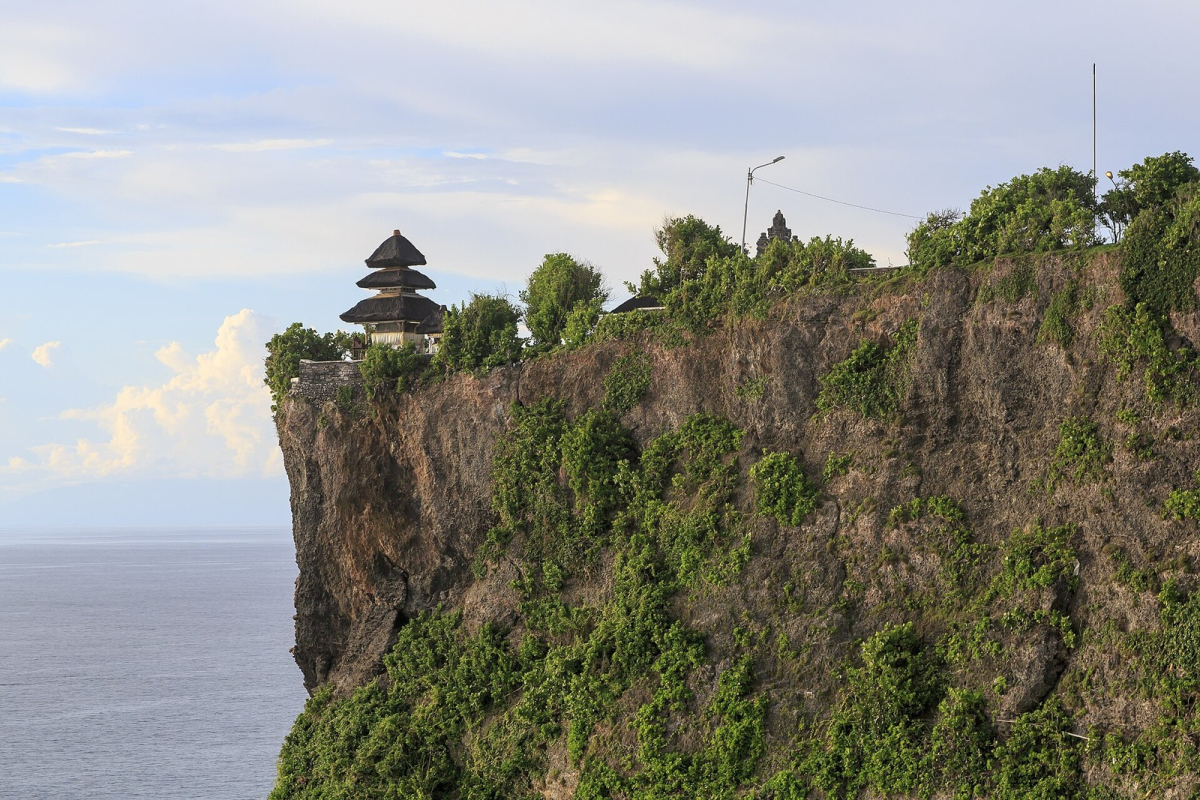
Pura Luhur Uluwatu stands above the Indian Ocean on the Bukit Peninsula. Its setting is the main reason many visitors choose it, but the temple remains a place of worship. Follow the permitted paths, required clothing and the directions of staff; a ticket does not give access to every sacred space.
Keep away from cliff edges and secure loose belongings around monkeys. Do not feed or handle them, and do not encourage a close encounter for a photograph. If something is taken, seek staff assistance rather than trying to retrieve it by provoking the animal.
A Kecak performance can form a separate part of the evening. Check current official ticketing, the actual performance time and whether entry to the temple area is included. Allow time to arrive and arrange the return transfer before the audience leaves together. For the performance's cultural context, read History & Culture.
Tanah Lot: a coastal temple shaped by the tide
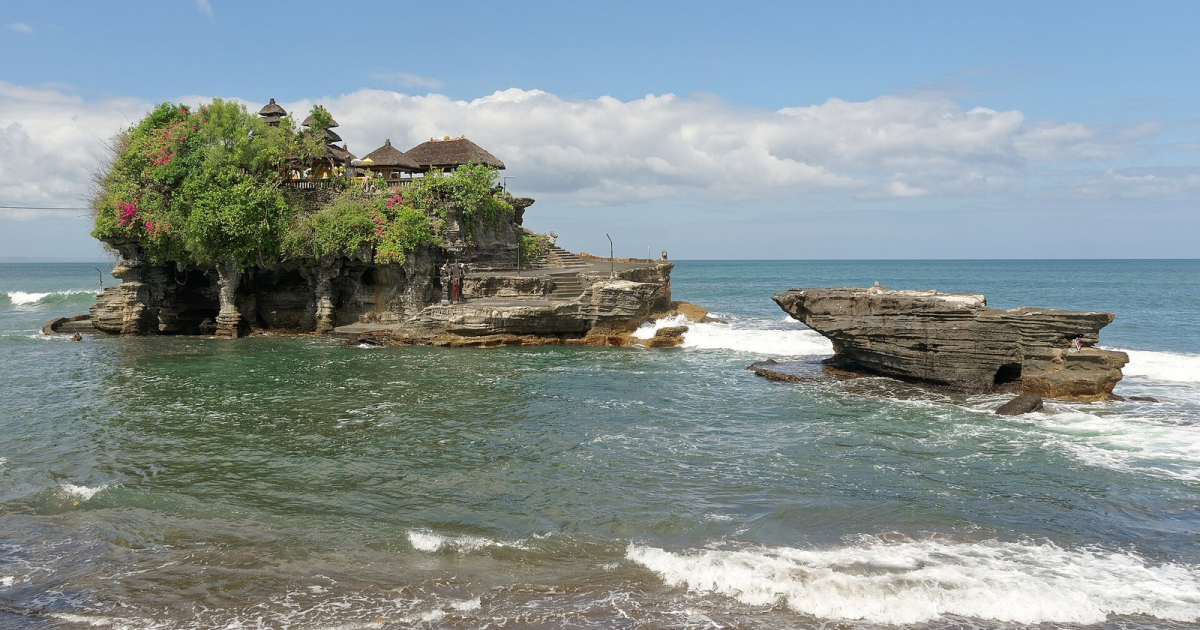
Tanah Lot lies at Beraban in Tabanan, with its principal shrine on a coastal rock formation. The national tourism description explains how the tide changes the view and access near the rock. A low tide does not remove sacred-area restrictions or the risks of waves and slippery surfaces.
Choose whether the aim is an unhurried visit or the sunset atmosphere. The latter brings more people and a concentrated departure, so plan the pickup accordingly. The walk from the parking area passes commercial facilities; leave time for it rather than assuming the vehicle stops beside the temple.
Stay in the permitted public areas and use a viewpoint where the whole formation can be understood. Do not climb barriers or follow others onto a wet rock ledge. A close-up is optional; the wider relationship between temple, rock and sea is what distinguishes the place.
Taman Ayun: the Mengwi royal-temple landscape
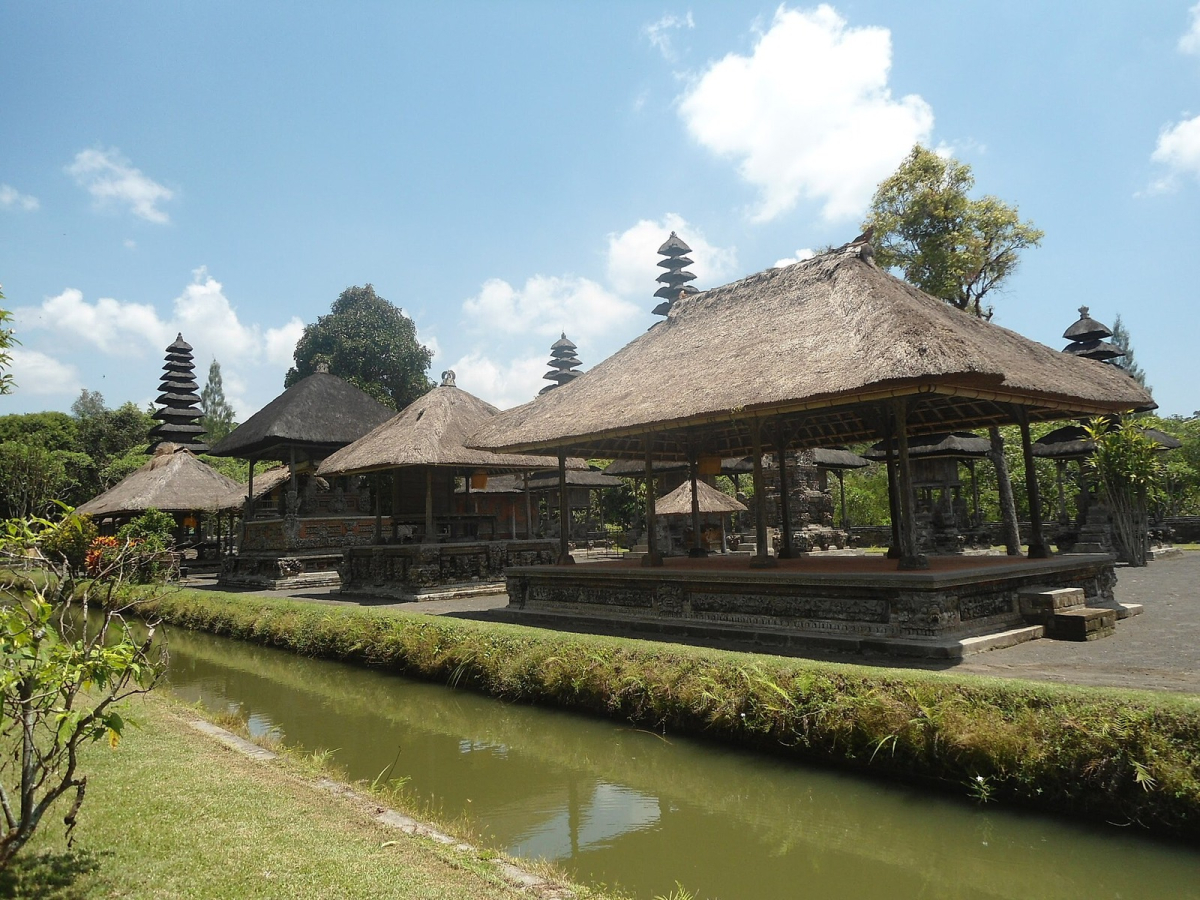
Taman Ayun is associated with the former Mengwi kingdom and offers a different setting from the sea temples. The Bali provincial cultural record describes its relationship with royal ancestors, mountains, sea and agricultural continuity. Look at the arrangement of courtyards, water and tiered shrines rather than treating it as another quick temple photograph.
Respect the distinction between the visitor circuit and the sacred spaces within. A guide can explain what is visible without implying that every courtyard can be entered. Current ceremonies can change the practical route, so follow the community's directions.
It can fit a focused Mengwi or Tabanan excursion, but check the complete journey before adding a distant highland stop and a sunset appointment. A scheduled festival is a separate reason to visit and should be checked through Festivals & Events.
Goa Gajah: look beyond the cave entrance
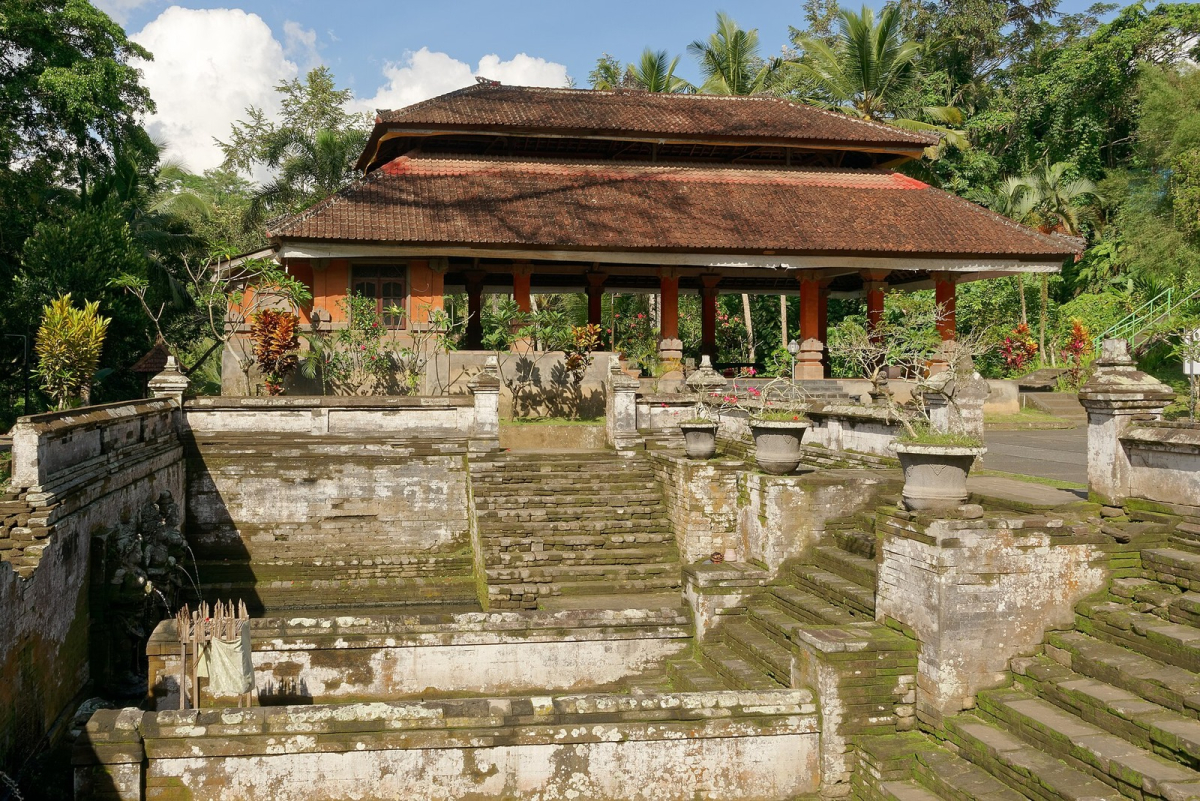
Goa Gajah, often called the Elephant Cave, is an archaeological and religious site at Bedulu near Ubud. The national cultural-heritage record discusses Hindu and Buddhist elements in the complex. That layered context is more useful than assuming its popular English name describes an elephant attraction.
The carved cave entrance is the best-known feature, but allow attention to the bathing structures and the wider setting. Steps and changes in level are part of the visit. Ask about the available route if you are using a mobility aid or travelling with a small child; an exterior photograph does not show the whole approach.
Goa Gajah works best as a deliberate archaeological visit from the Ubud area. Pair it with a nearby cultural stop or a meal rather than using it as a hurried extra before a long northbound drive. Read local interpretation carefully and avoid adding an exact construction date where the evidence is qualified.
Tirta Empul: sacred water and an active temple
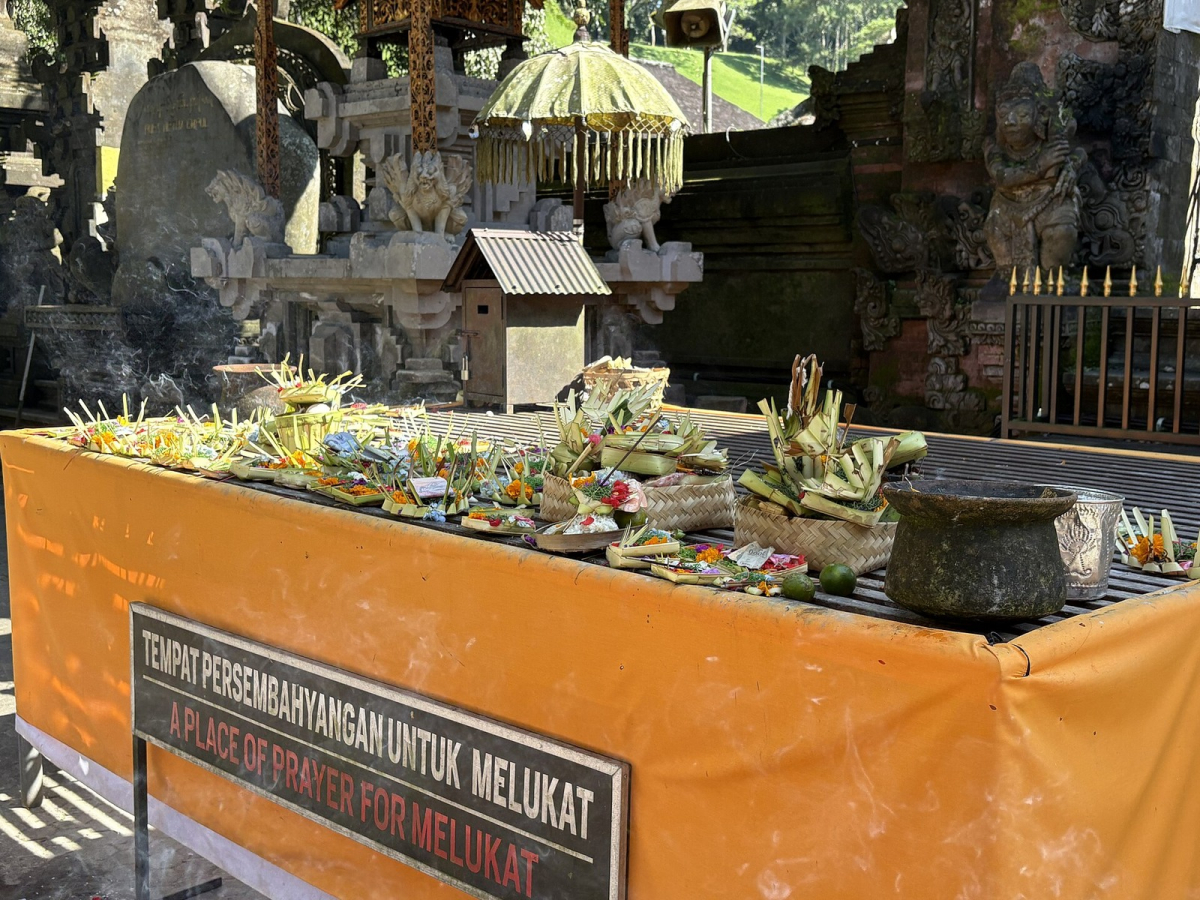
Tirta Empul is in the Tampaksiring area and is known for its springs and the melukat purification ritual. Visitors can observe the architecture and the temple's activity without joining the water ritual. Choose the type of visit deliberately and follow the instructions of attendants rather than copying a procedure from a photograph.
If you plan to participate, ask about the current sequence, appropriate clothing and the handling of wet belongings. Temple admission, clothing arrangements, a local guide and any offered package may be separate. Do not assume that a sarong used for walking through the complex is the same arrangement required for entering a pool.
Worship takes priority over a visitor's camera or schedule. Keep distance from people praying, ask before close photographs and respect restricted areas. The official tourism page identifies the sacred-water setting; Temple Etiquette covers practical conduct.
Ulun Danu Beratan: the Bedugul lake setting
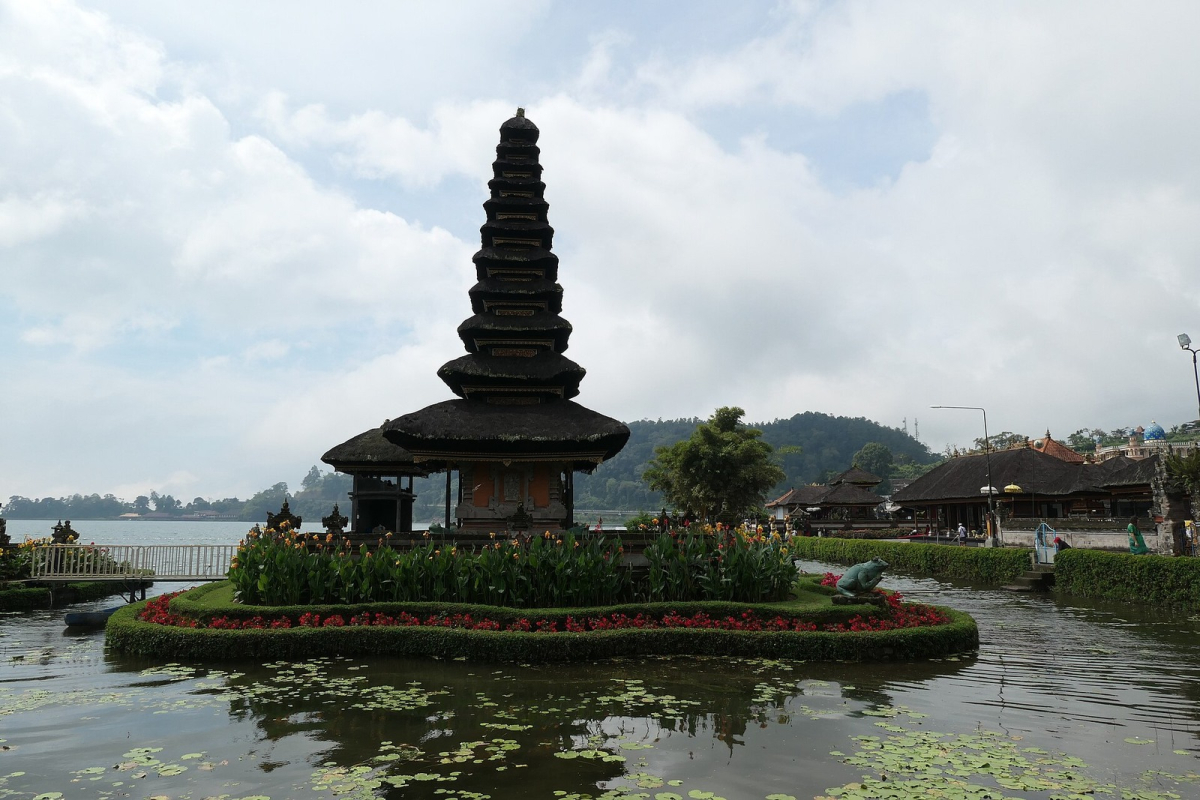
Ulun Danu Beratan lies beside Lake Beratan at Candikuning in the Bedugul highlands. The site operator's information identifies the temple and its community management. This is a different place from Ulun Danu Batur near Kintamani; check the name and map pin when arranging transport.
The lake, gardens and tiered shrines create the setting, but water level, weather and the permitted visitor route affect the view. Do not promise the “floating” appearance for every date. Highland conditions can be cool or wet, so carry a layer and allow a flexible visit rather than fixing the whole day around one reflection photograph.
A nearby botanic-garden visit can complement the area when time and weather permit. It is a separate admission and a substantial place to explore. Choose which is the priority if the drive or rain takes longer than expected.
Jatiluwih: spend time in the rice-growing landscape
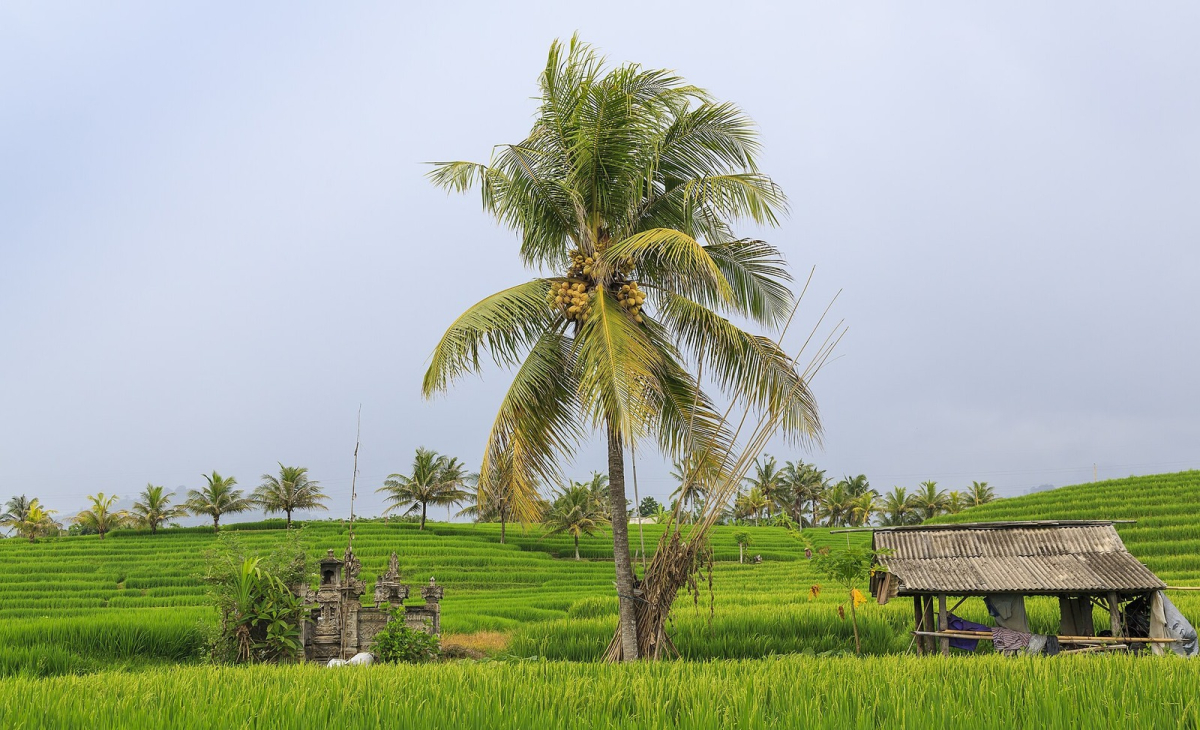
Jatiluwih's terraces are best approached as a working landscape with village management and visitor rules. Choose a permitted walking route, ask about its distance and surface, and leave time to notice the channels, planting and agricultural work. Rice colour depends on the growing cycle rather than the month of a marketing photograph.
The official destination site distinguishes basic admission from organised activities. Confirm the actual inclusions if booking a guide, cycling or another experience. Drone use requires its own permission; a paid entrance ticket is not blanket filming permission.
Stay on the marked route, do not pick crops and avoid treating a farmer at work as a free portrait subject. The separate outdoor guide explains walking preparation, while History & Culture supplies the subak context.
Tirta Gangga: a royal water garden in east Bali
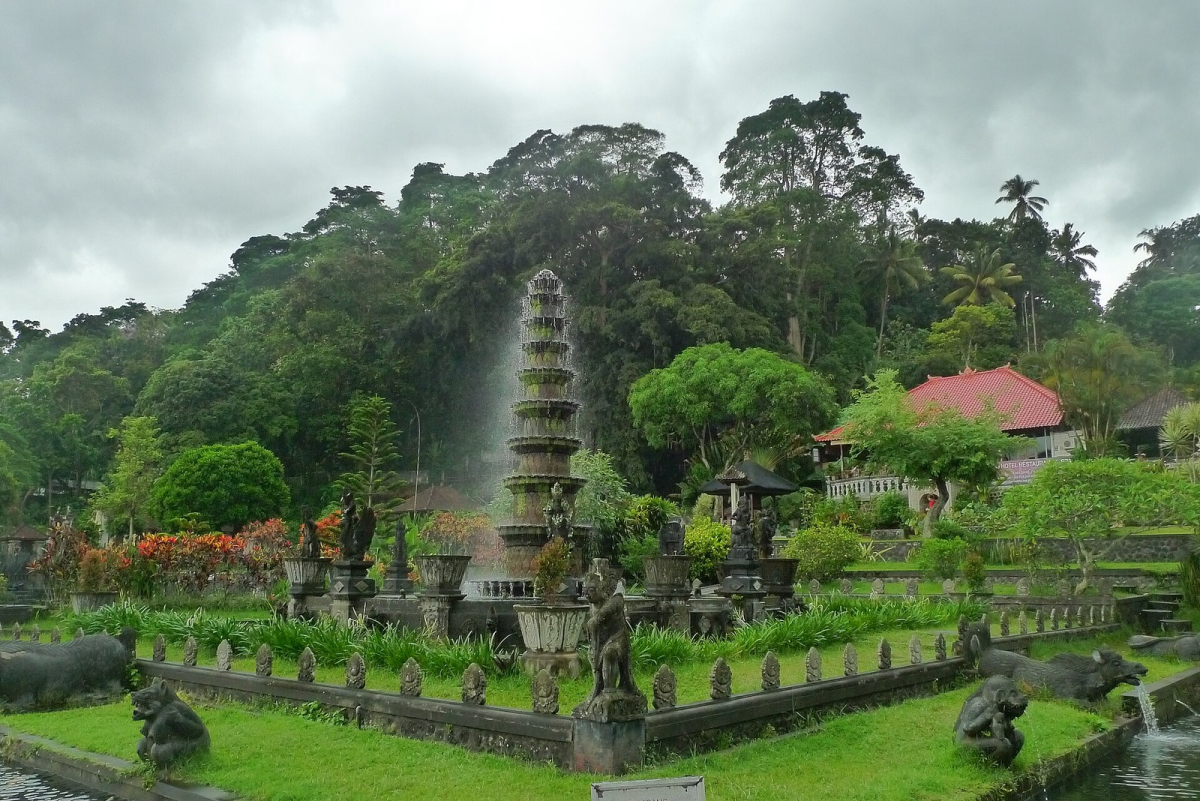
Tirta Gangga is a water garden in Karangasem, near Amlapura, with pools, fountains and sculpture. The operator's account connects it with the royal family of Karangasem. Its garden setting makes it a different visit from an active temple or an open rice landscape.
Wet paving, pool edges and stepping stones need care. Do not assume that a route seen in a photograph is appropriate for every visitor or that every pool is available for swimming. Ask what the current admission includes and follow the marked access.
It is particularly practical from an east Bali base or as the principal destination of a focused eastern excursion. A road day from the south needs enough time for the journey and one or two selected stops. Avoid adding both a distant highland loop and several coastal viewpoints to the same plan.
Before setting off: entry, clothing and the return
Check current official admission and visitor arrangements, carry the clothing required for sacred places and agree the transport plan before departing. Keep separately priced options clear when comparing a tour: entry, performance, clothing hire, guide and meals can all be different items.
Choose a morning or afternoon around the site's character and your route. A good day can contain one principal place and one optional stop. If traffic, a ceremony or weather changes the plan, protect the main visit and drop the extra rather than racing through both.
Frequently asked questions
Can I see all these attractions in one day?
No sensible route covers them all with meaningful time at each place. Group them by region and choose a few that offer genuinely different settings.
Are Ulun Danu Beratan and Ulun Danu Batur the same temple?
No. Beratan is in the Bedugul lake area; Batur is in the Kintamani area. Use the full name and the correct map pin.
Does a temple ticket include a dance performance?
Not necessarily. Check the actual product and current official arrangements; performance admission and temple-area entry may be separate.
Do I have to join the ritual at Tirta Empul?
No. A respectful visit can focus on the permitted architecture and temple setting. Participation should be voluntary and follow local attendants’ directions.



