
INDONESIA · BALI TRAVEL GUIDE
Bali History and Culture: Temples, Subak and Living Traditions
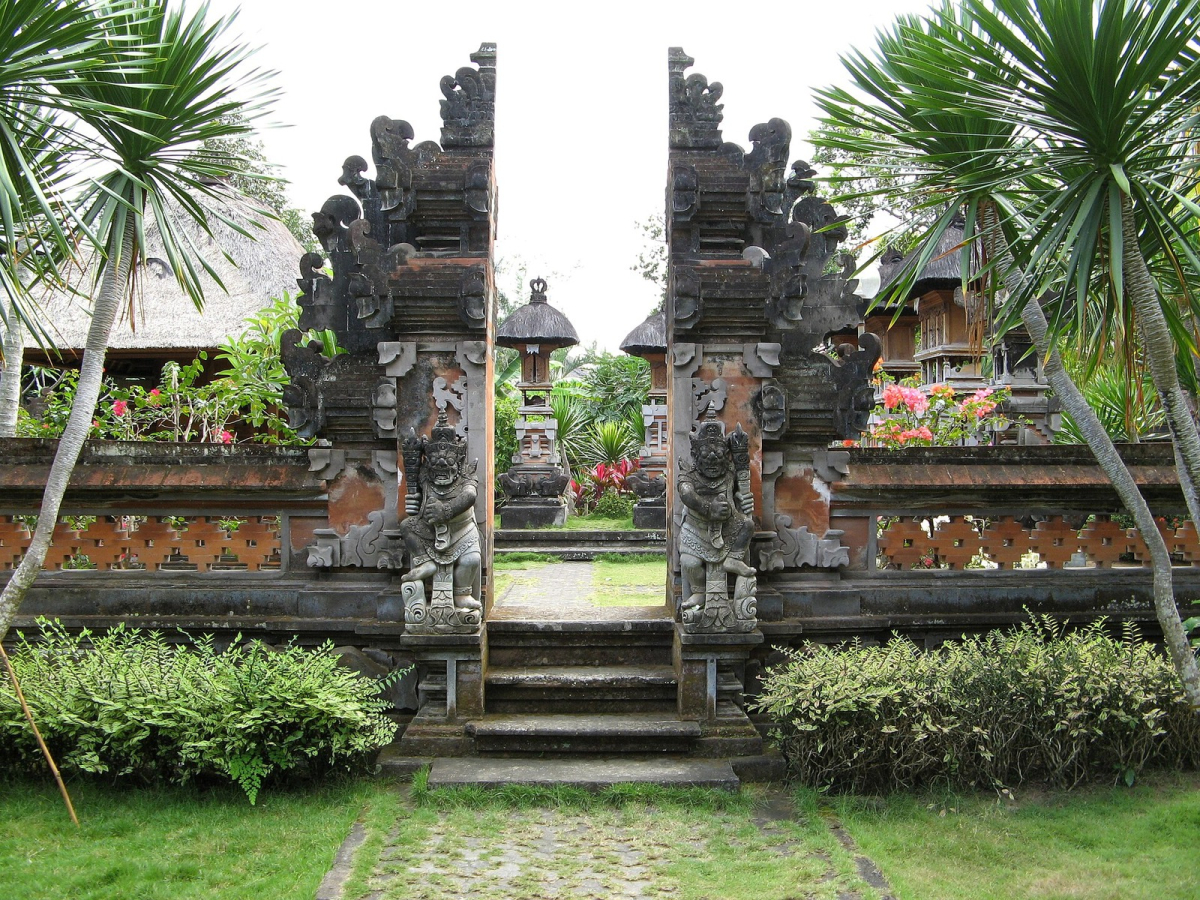
Bali's culture is visible in working fields, family compounds, places of worship, markets and art studios as well as in visitor attractions. Those settings have different rules and purposes. A temple courtyard may be open to visitors while a ceremony remains private; a village street may be a public route without making every house an exhibit.
Read Bali as a place where people live
The most useful starting point is to separate a place's history from the way it functions today. Buildings can contain old and newer elements, a performance can be adapted for an audience, and a craft can serve both ceremonial and commercial purposes. None of those facts makes the culture less real. They do mean that a label such as “ancient Bali” can conceal more than it explains.
Bali is part of Indonesia and has long interacted with other islands and wider trading worlds. The island's Hindu traditions are distinctive, but the population and its experiences are not uniform. Avoid treating a hotel performance, a single guide's explanation or a brief village stop as a complete account of Balinese life.
Kingdoms, colonial conflict and modern Bali
Historic Bali is better understood through multiple centres of power than a single island-wide royal story. Courtly patronage, relationships with Java and local religious traditions shaped buildings, literature and the arts. A royal water garden, a village temple and a rock-cut archaeological site belong to different contexts, even when all appear on the same sightseeing map.
Denpasar's official city history connects Puri Agung Denpasar with the Badung kingdom and the violent colonial conflict of 1906. The city account of Puputan Badung places the battle on 20 September 1906. A visit around Puputan Badung Square should recognise this history rather than treat the setting only as an attractive open space.
Modern Bali is also a provincial, urban and tourism economy. Denpasar's role as an administrative city differs from Ubud's arts associations and the southern coast's resort development. Museums, contemporary studios and daily work all belong in the story alongside temples. Looking for that range helps avoid the idea that the island is valuable only when it resembles an old photograph.
Subak: water, farming and community
The UNESCO Cultural Landscape of Bali Province recognises a connected system of rice-growing landscapes and water temples associated with subak. It is a living cultural landscape, rather than a designation for every green terrace on the island. Subak concerns how communities organise water and farming as well as the visible channels and fields.
UNESCO relates this landscape to Tri Hita Karana, a principle concerned with relationships among the spiritual world, people and nature. For a visitor, that context changes the purpose of a rice-field walk: the patterns are evidence of shared work and water management, not just a backdrop for a swing or portrait.
Ask a local guide about the crop stage, water source and the path you are allowed to use. Fields may be flooded, newly planted, mature or harvested at different times. Staying on the designated path protects both crops and the work of farmers. Do not assume that paying for a visitor activity includes permission to enter every terrace or sacred space nearby.
Temples and compounds: notice the boundaries
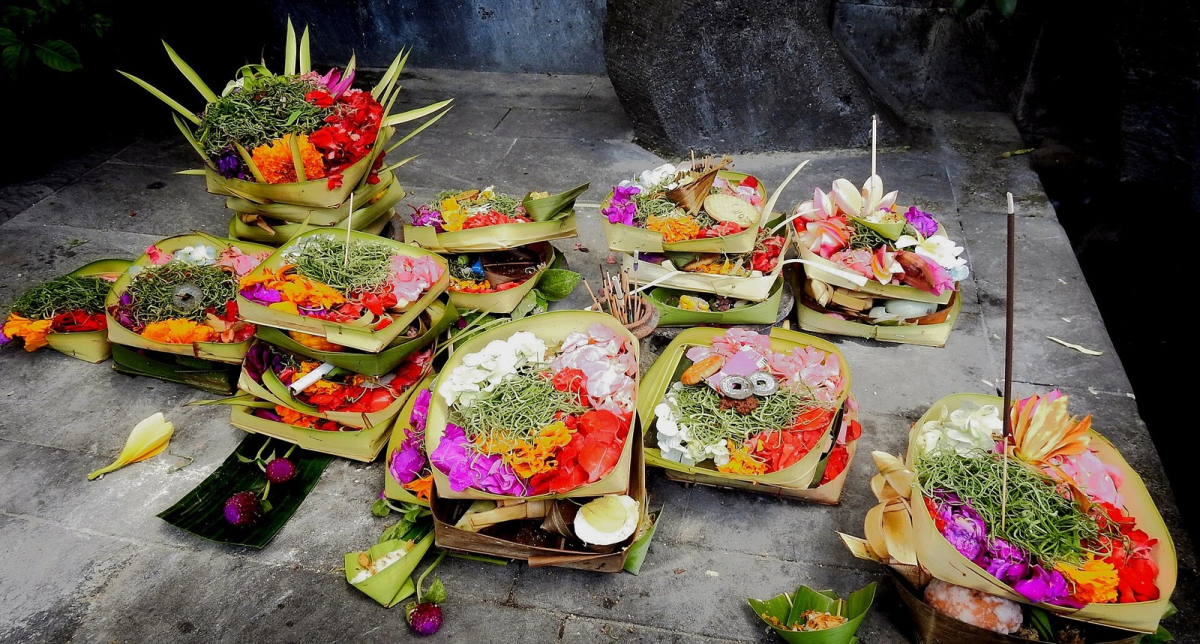
A Balinese temple, or pura, is a place of worship whose visitor arrangements may differ between its outer area and its inner spaces. A temple complex can be visually impressive without being open throughout. The correct question is where visitors are permitted at that moment, especially when worship is taking place.
Family compounds also combine spaces with different purposes. A visible gateway or shrine does not make the whole compound a public attraction. Visit through an invited or clearly organised arrangement and ask before photographing people, work or domestic details. A guide should help explain these boundaries rather than promise access to everything.
Look at materials, courtyards, gates and the relationship between buildings and landscape without touching sacred objects or entering a restricted platform. At water temples, separate observation from participating in a ritual. Participation should be guided by local instructions and personal choice; it is not necessary to turn a religious visit into a staged photograph.
For dress, conduct and practical questions, use Temple Etiquette. This page supplies context; the directions of the temple's staff and community remain the authority on the day.
Dance and music: context changes what you see
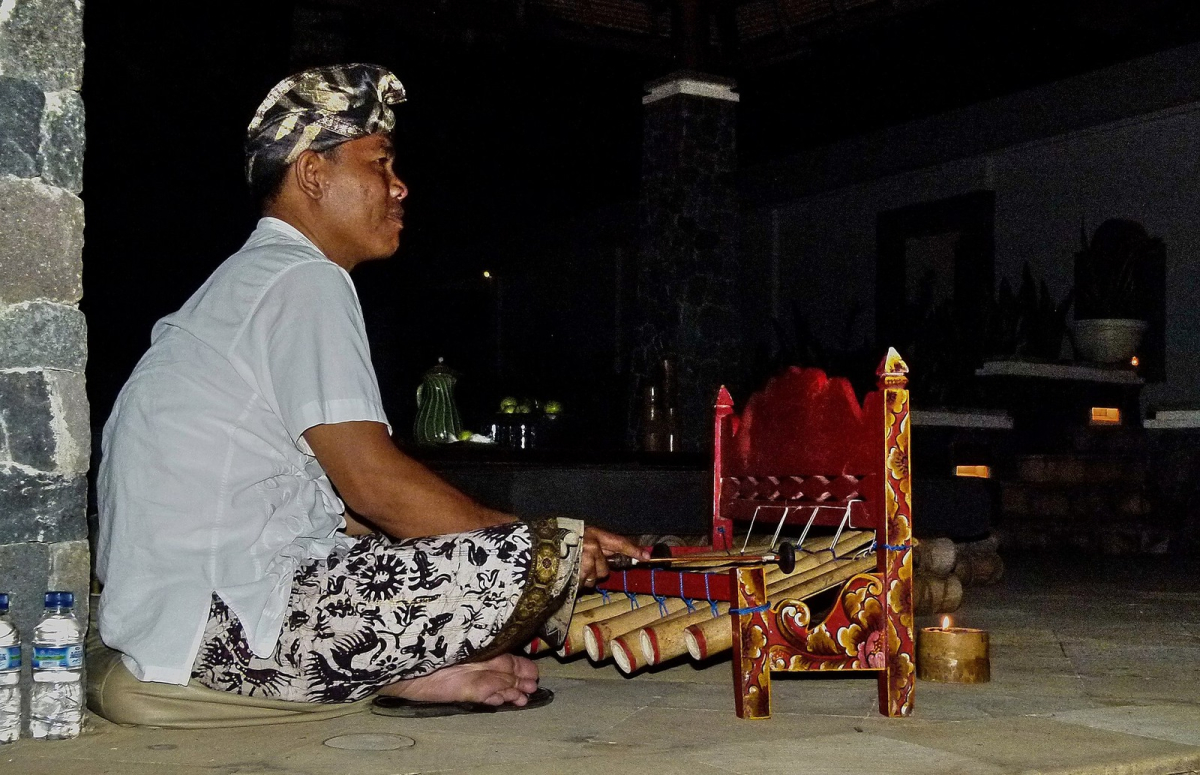
UNESCO's listing of three genres of traditional Balinese dance, inscribed in 2015, distinguishes sacred, semi-sacred and community-entertainment contexts. That distinction matters more than assuming that every performance has the same religious function. A visitor show and a ceremony can share artistic traditions while serving different purposes.
When choosing a performance, read the programme and ask what you will see. Notice the dancers' eyes, hand positions, rhythm and relationships with the music or vocal ensemble. A short introduction to the story can help more than trying to photograph every moment. Follow the audience rules, avoid flash and leave space around performers and worshippers.
Training and transmission are part of the cultural story. A lesson or rehearsal visit can be valuable when it is arranged respectfully and the participants consent. Do not interrupt a class for an impromptu portrait or assume that a child performer has agreed to be photographed. The separate experience guide covers how to choose an audience visit or practical session.
Painting and crafts: ask about the maker
Bali's painting traditions are not a single visual style. A museum visit can help you compare narrative composition, detailed line, village subjects and newer artistic approaches. Read the name, date, medium and context of a work rather than treating every picture of a ceremony as an anonymous traditional image.
In a working studio, ask who designed and made the object, what materials were used and which stages were done there. Some shops sell locally made work alongside pieces sourced elsewhere in Indonesia. That can be perfectly legitimate when described clearly; the problem is a claim of origin that the seller cannot explain.
Textiles, silver, carving and ceramics also have practical and cultural roles beyond souvenirs. A workshop can reveal the time and skill involved, while a museum supplies a different kind of context. Use Museums for collections and Shopping for material, provenance and transport questions. Neither a high price nor the word “handmade” proves an object's history.
Build a cultural day around a question
Choose a theme that interests you: water and rice, painting, performance, architecture or a community's relationship with its landscape. Start with a museum or a knowledgeable local guide, then visit one related place. That sequence often adds more understanding than a route with many similar-looking stops and little explanation.
Ask open questions and allow for different answers. Traditions can vary between villages, families and occasions. If an explanation includes a legend or belief, recognise it as such rather than rewriting it as a verified scientific or historical fact. Likewise, a historical date in a general tourism page should not override the interpretation of a specialised institution without checking.
Let ceremonies determine access rather than arranging people around your schedule. Dress appropriately, keep your voice low where required and ask permission for close photographs. Pay the stated admission or agreed guide fee transparently. A thoughtful visit can support local knowledge and work without claiming that one booking guarantees cultural preservation.
Frequently asked questions
Is every rice terrace in Bali a UNESCO site?
No. The World Heritage property is a specific serial cultural landscape associated with the subak system. Attractive terraces elsewhere should not automatically be described as part of the listed property.
Are all Balinese dances religious ceremonies?
No. The traditions include sacred, semi-sacred and entertainment contexts. Check what a particular performance represents and follow its audience rules.
Can visitors enter every temple courtyard?
No. Permission depends on the place, space, occasion and current community instructions. Stay within the visitor area and ask staff when unsure.
How can I learn about culture without joining a ritual?
Visit a museum, arrange a knowledgeable guide, watch a permitted performance or take a supervised craft or music session. Observing respectfully is a valid choice.



