
INDONESIA · BALI TRAVEL GUIDE
Best Time to Visit Bali: Seasons, Crowds & Trip Planning
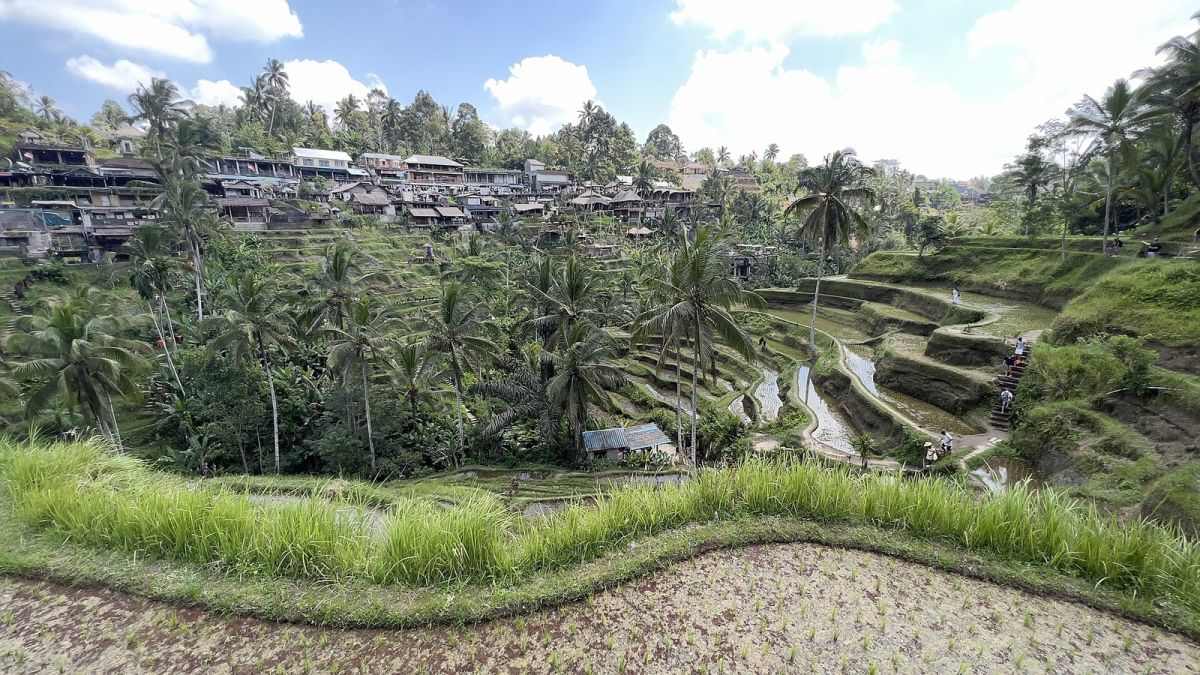
The best time to visit Bali depends on what you want to protect: beach days, comfortable sightseeing, an island crossing, a particular ceremony or room in your budget. For a first trip built around several outdoor activities, start by comparing dates in the generally drier part of the year. For a slower stay with indoor alternatives, the wetter months can still work. Neither choice guarantees the conditions at a particular beach or on a particular mountain.
Understand Bali's seasons before choosing dates
Bali has a tropical climate with relatively little seasonal change in day length. Rainfall, humidity and elevation matter more to a visitor than a four-season temperature calendar. Indonesia's tourism authority broadly describes April–October as the drier season and November–March as the wetter season for Bali and Java, while noting that seasons have become less predictable. Treat the edges as transitions, rather than expecting the weather to switch on the first of a month. Indonesia Tourism's climate overview.
A coastal hotel and a mountain village can feel different on the same day. A hot start in Sanur does not tell you whether an upland viewpoint will be clouded over. Pack for the activities and elevations in your own route. A light layer and rain protection can be useful even when most of your holiday is spent in beach clothing.
Compare seasons by the trip you want
On smaller screens, swipe or scroll horizontally to read the full table.
| Period | Why consider it | What to allow for |
|---|---|---|
| April–June | A useful window to investigate for an outdoor itinerary | Transition rain, public holidays and different local conditions |
| July–August | Popular dates for school-holiday travel | Book key rooms and activities early; allow for busy roads |
| September–October | An alternative for travellers outside the main summer break | Changing rainfall and marine conditions towards the seasonal transition |
| November–March | A slower itinerary with flexible outdoor days | Rain disruption, slippery paths and a stronger need for backup plans |
The table is a planning framework, not a forecast or a promise of lower prices. Compare actual accommodation and flight quotations for your dates. A busy holiday weekend in a supposedly quieter month may cost more than a different week in the dry season.
Choose beach and marine dates carefully
A dry day is not the same as a safe sea day. Wind, swell, currents, tides and local exposure influence swimming, surfing and boat journeys. Check warnings at the beach and ask a qualified local operator about the actual conditions. Do not infer that a sheltered-looking bay is suitable for a child because there are no breaking waves in a photograph.
For a holiday centred on the sea, choose accommodation that gives you alternatives. A pool, a short walk to meals and access to other activities are useful when a swim or snorkelling trip is cancelled. Read the beach comparisons, then use the separate diving and snorkelling guide or surfing guide for the activity you actually intend to book.
Keep an island crossing away from a critical international departure where your schedule permits. A sea cancellation can turn a tightly planned last day into a missed flight. An extra mainland night is a useful contingency, especially when the same plan also depends on a long road transfer.
Plan walks and photographs around local conditions
For rice-field walks, waterfalls and temple visits, a smaller early-day plan often gives you more options than a long circuit with every hour committed. Wet ground can remain slippery after the sky clears. Footwear with grip, drinking water and a route you can shorten are practical choices throughout the year.
Photographers should distinguish an attractive light forecast from permission and access. A temple ceremony can change visitor access. A sunrise viewpoint may be hidden by cloud, and a dramatic sea image may show conditions in which swimming would be inappropriate. Use the photo-spots guide to select subjects, then confirm the day's access locally. Do not enter crops or interrupt worship to recreate a reference image.
Mountain outings need a separate decision based on current weather, official restrictions and the operator's safety arrangements. A general dry-season recommendation is not clearance to enter a restricted volcanic area. Read parks and outdoor activities before committing to a demanding trip.
Allow for Nyepi and other holidays
Nyepi changes the practical meaning of a Bali travel date. Visitors stay within their accommodation during the day of silence, ordinary movement stops and the airport closes. Discuss meals, lighting, permitted hotel activities, medicines and emergency arrangements with your accommodation before booking that period. It is a meaningful cultural observance, not a day to schedule sightseeing.
The Indonesian government's published holiday calendar places Nyepi on Monday, 8 March 2027. The same calendar lists Idul Fitri on 10–11 March, with nearby joint-leave dates. Check your airline, accommodation and transfer operator for their actual operating arrangements around these holidays. The calendar establishes the dates; it does not establish every airport or harbour closure time. Official 2027 national holiday announcement.
For ceremonies and festivals, ask whether the event is public, whether visitors are welcome and whether photographs are appropriate. Village observances need not follow the access rules of a ticketed performance. See festivals and events and temple etiquette before building a day around a celebration.
Make a wet-season itinerary useful
Build clusters of nearby activities and retain an indoor option for each base. A museum, a cooking class with a confirmed indoor space, a meal or a rest afternoon may be more useful than crossing the island to escape a shower. Keep an outdoor reservation's cancellation terms clear, and ask how a weather postponement is handled before paying.
Choose a room you would be comfortable spending time in. Check covered access, drainage, working air-conditioning or ventilation, and the route to food. A secluded property can be pleasant, but it creates more dependence on transport when roads are wet or an afternoon plan is abandoned.
Avoid walking through floodwater or driving into a flooded section because another vehicle has attempted it. Water can hide depth, damaged surfaces and contamination. Consult the health and safety guide for decisions that should override sightseeing ambitions.
Check the week, not just the month
Once dates are shortlisted, compare flight arrival times, room cancellation deadlines, public holidays and your must-do activity. A flexible room may be better value than a nominally cheaper non-refundable booking if your holiday depends on an island crossing or a weather-sensitive excursion.
In the days before travel, use BMKG for current Indonesian weather information and your marine operator for the specific crossing. Recheck closer to the outing. Climate averages help you choose a season; short-range warnings help you decide whether to go today. Match those decisions with the Bali itineraries and keep the route realistic for your chosen bases.
Frequently asked questions
What is the best month for a first visit to Bali?
Compare dates in the generally drier April–October period, then check public holidays, accommodation prices and your intended activities. There is no single month that guarantees safe seas, clear mountain views or quiet roads.
Is Bali worth visiting in the rainy season?
It can suit a slower, flexible holiday with indoor alternatives and accommodation you enjoy spending time in. Keep weather-sensitive trips movable and take flooding, slippery trails and sea warnings seriously.
Can I fly into Bali on Nyepi?
The airport closes for Nyepi. The official 2027 holiday date is 8 March, but confirm the precise closure and flight schedule with your airline before booking.
Does the dry season guarantee safe swimming?
No. Currents, swell, tides, local warnings and supervision matter independently of rainfall. Check the conditions at the actual beach before entering.

