
INDONESIA · BALI TRAVEL GUIDE
Bali Museums: Art Collections, Cultural History and Rainy-Day Choices
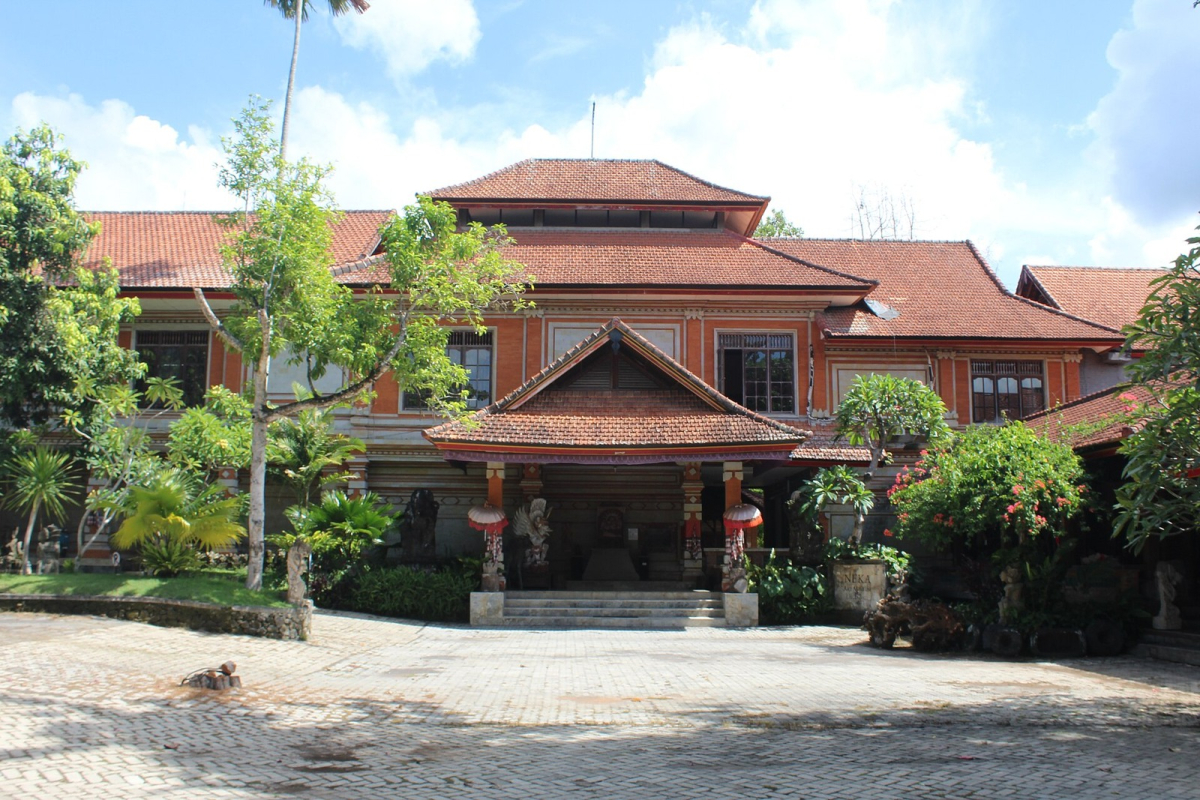
Bali's museums offer different ways to understand the island. Ubud has collections focused on painting and artistic development; Museum Bali in Denpasar gives a broader material-culture perspective; SAKA in Jimbaran interprets Balinese cultural traditions through exhibitions. Choose the question that interests you instead of treating every museum as an interchangeable rainy-day stop.
Choose the collection, then the district
Geography matters. A museum in Sanggingan, a gallery on central Ubud's main street and a collection in Pengosekan may all appear under Ubud, but combining them still takes time. Choose one principal visit and a nearby meal or workshop. A Denpasar collection can anchor a city outing, while Jimbaran works better with a southern-coast day.
On smaller screens, swipe or scroll horizontally to read the full table.
| Museum | Primary reason to visit | Planning distinction |
|---|---|---|
| Neka Art Museum, Sanggingan | Balinese and Indonesian art, with photography and keris collections | Use the museum address, not a similarly named gallery |
| ARMA, Pengosekan | Painting and a broader arts-centre setting | Museum entry and a scheduled performance or class are separate |
| Museum Puri Lukisan, central Ubud | Balinese painting and woodcarving in a central garden complex | Check the museum’s current exhibitions and visitor arrangements |
| Museum Bali, Denpasar | Ethnographic and historical objects in a pavilion complex | Official pages differ on hours; confirm before a timed visit |
| SAKA Museum, Jimbaran | Exhibitions interpreting Balinese culture and Nyepi | Check current ticket conditions and exhibition dates |
Neka Art Museum: compare artistic approaches
Neka Art Museum is in the Sanggingan area northwest of central Ubud. Its official collection information includes Balinese and Indonesian paintings, a photography pavilion associated with Robert Koke's historical images and a keris collection. It is a useful choice when you want to compare styles and subjects rather than see a single artist's house.
Give yourself a question to follow through the rooms: how a landscape is arranged, how a painted story is told, or how artists working in different periods depict everyday life. Historical photographs can help frame that comparison, but they should not be treated as a complete account of modern Bali. Read individual labels and distinguish a work's date from the period it portrays.
Check the exact address when ordering transport and allow time for the collection rather than adding several museums only because they share the Ubud name. Ask about current access between pavilions if steps or walking distances are a concern. Photography permission should be checked in the actual gallery, including flash and commercial use.
ARMA: painting within an arts-centre setting
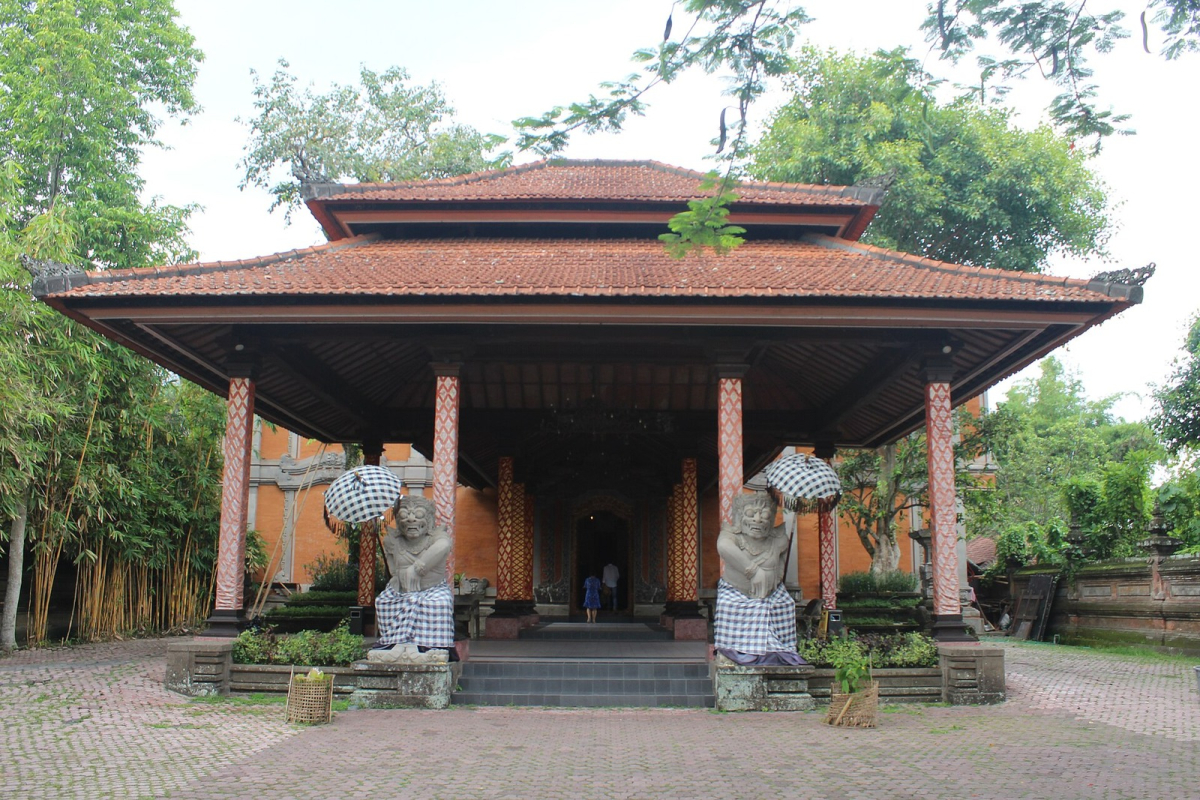
The Agung Rai Museum of Art, usually called ARMA, lies in Pengosekan. Its collection spans traditional and contemporary work by Balinese, Indonesian and foreign artists, including Kamasan and Batuan traditions. The institution also describes a wider programme of visual and performing arts.
That broader setting can suit visitors who want to connect a gallery visit with an arts interest, but a performance, workshop or class is not automatically included with admission. Check the current programme, the specific venue and any separate booking. An old schedule in a hotel booklet is not proof that a performance takes place on your date.
For the paintings, compare subject, line and perspective before reading every label in sequence. Leave time to revisit one work after seeing another style. If you are travelling with children, choose a few visible details or story elements to discuss rather than asking them to complete every room. The museum's environment can be part of the visit without turning it into a claim that every route is level or covered.
Museum Puri Lukisan: a central Ubud collection
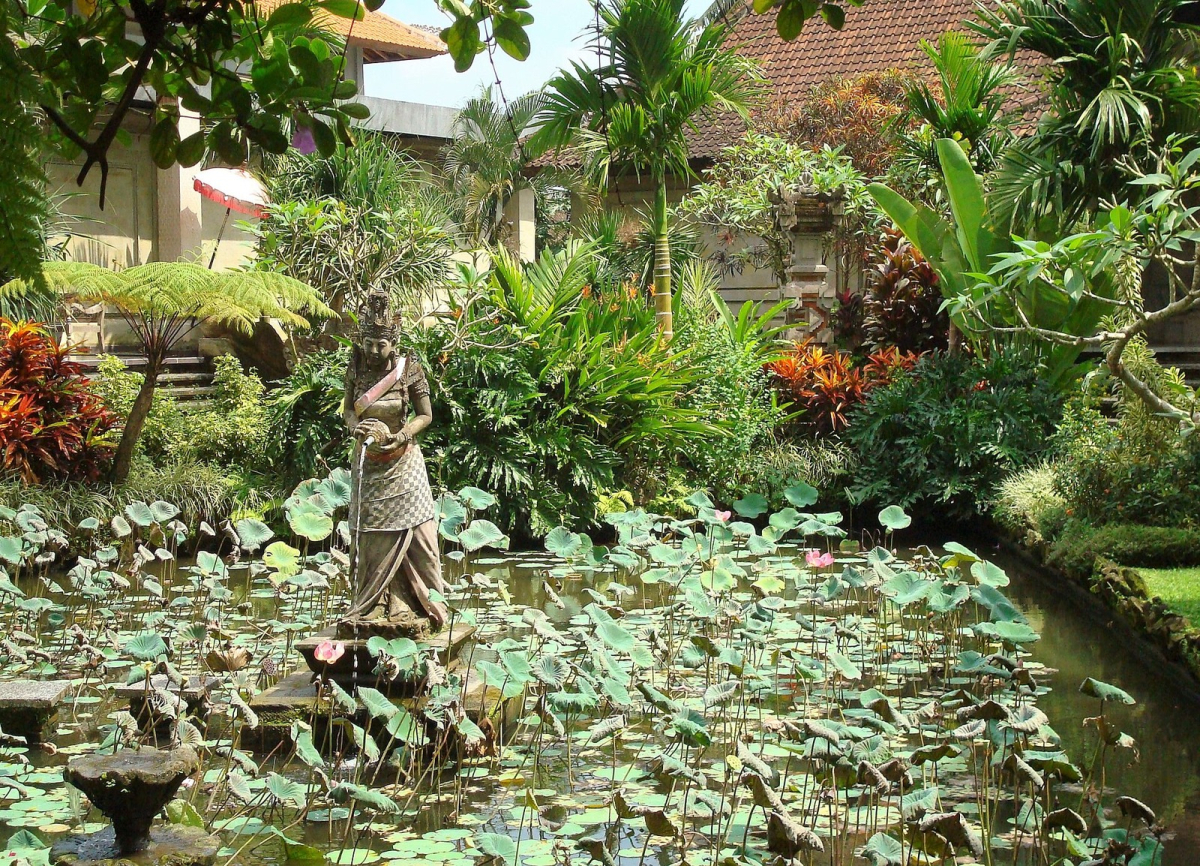
Museum Puri Lukisan is on Jalan Raya Ubud and is useful for a visit centred on the town itself. The museum presents Balinese painting and woodcarving and explains its role in keeping important art connected to Bali. Its garden and pavilion setting gives it a different rhythm from a large indoor city museum.
Because it is central, it can be paired with a nearby meal or a short town walk without spending the day in a car. Keep the gallery visit distinct from shopping: looking closely at a museum collection can make later conversations with a working artist more informed, but museum quality should not be used as a promise about an unrelated shop.
Check the museum's own exhibition and workshop information before fixing the day. Published hours and admission on third-party pages vary, so avoid building a tight transfer around an old listing. During rain, ask how much movement between spaces is exposed, and bring a light layer or umbrella as appropriate rather than assuming the whole complex is one sealed indoor room.
Museum Bali: material culture in Denpasar
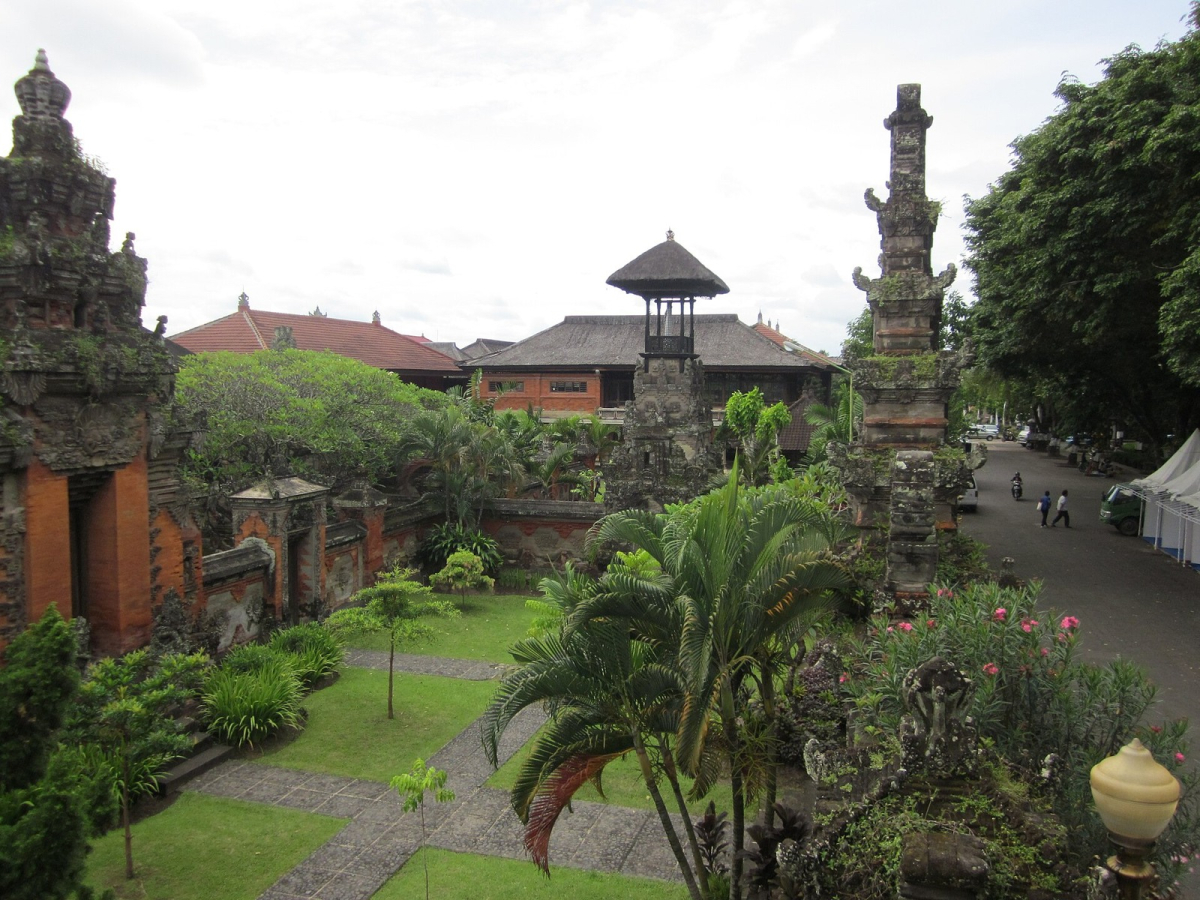
Museum Bali, managed through the provincial culture authority, is near Puputan Badung Square and Jagatnatha Temple in central Denpasar. Its ethnographic collections include objects connected with daily life, religious practice and the arts. The pavilion architecture is itself a useful reason to slow down and compare spaces.
This is a different visit from an Ubud painting museum. Use objects, materials and their labelled functions to think about how everyday and ceremonial life intersect. Avoid assuming that a historic object describes how every contemporary Balinese household lives. If you use the nearby square or temple as part of the outing, follow the separate rules of each place.
Official visitor listings currently give differing opening and ticket details. Confirm directly before a timed visit, especially around a holiday, rather than presenting one online figure as certain. Allow for Denpasar traffic and choose a clear pickup point. The city setting is useful for a museum-led half day but less sensible as a rushed detour between distant northern attractions.
SAKA Museum: a southern cultural option
SAKA Museum in Jimbaran interprets Balinese cultural traditions, including Nyepi. It offers an indoor option for a southern stay. Check the current ticket conditions, cashless payment arrangements and photography signs; some displays or large figures may be unsettling for very young children.
The museum's current temporary exhibition, KAMASAN: The Noble Tradition of Balinese Painting, is announced for 28 August 2026 to 30 May 2027. It examines a painting tradition through works and contemporary practice. Recheck the exhibition page if your visit falls outside that period, and check programme details separately for a talk or workshop.
Make the museum the reason for the visit, then choose another nearby activity only if the timing and weather suit. A museum on a resort estate does not mean that an admission ticket includes resort pools, beach clubs or other hotel facilities. Ask for the correct arrival point and any transport arrangement needed from the gate.
Plan a museum visit that leaves time to look
Choose a few works or objects to examine closely rather than trying to complete the island's collections in one day. A useful museum morning has room for reading, sitting and a meal nearby. If you have a particular artist, accessibility requirement or educational interest, contact the institution before travel instead of inferring arrangements from exterior photographs.
Follow current photography signs, avoid flash where prohibited and ask before using a tripod or making commercial images. A right to take a personal photograph does not give permission to reproduce an artwork commercially. Keep the artist, work title and date when taking notes, so a later caption does not confuse the object with the museum building.
For cultural context, continue to History & Culture. For a practical class or performance, use Things to Do; those activities require their own booking and should not be assumed to follow museum opening times.
Frequently asked questions
Which Bali museum should I visit first?
Choose Neka, ARMA or Puri Lukisan for painting interests, Museum Bali for a broader material-culture visit, or SAKA for a southern cultural exhibition. Location and collection matter more than a universal ranking.
Are all Ubud museums walkable from each other?
No. Central Ubud, Sanggingan and Pengosekan are different settings, with traffic, heat and variable pavements. Check each address and choose a realistic route.
Are museum hours and prices fixed?
No. Check the institution’s current information, especially around holidays or a temporary exhibition. Conflicting official listings for Museum Bali are a reason to confirm directly.
Can I photograph the artworks?
Follow each gallery’s signs and staff instructions. Personal photography, flash, tripods and commercial reproduction can have different rules.



