
INDONESIA · BALI TRAVEL GUIDE
Bali Itineraries: 5, 7 and 10 Days with Sensible Bases

A good Bali itinerary leaves room for the island's roads, weather and ceremonies. A short distance on the map can still require a substantial drive. The routes below are editorial planning examples, not timed tour schedules: confirm current journey estimates with your driver or accommodation, and remove a stop when the day becomes rushed.
Start with nights, arrivals and the map
Count nights before counting sightseeing days. A five-day trip with arrival on day one and departure on day five has four nights. A seven-day trip has six nights; a ten-day trip has nine. A late arrival and early departure can remove most of two days. If you have five full sightseeing days between flights, you have a different trip from the first example and can add more time without changing hotels more often.
Use Where to Stay to pick the actual neighbourhood. The plans use Ubud and Sanur as examples, but a west-coast or Bukit base can replace Sanur when restaurants, surf or cliff scenery matter more than the promenade. Avoid booking a coast on one side of Bali while planning every excursion on the other.
On smaller screens, swipe or scroll horizontally to read the full table.
| Trip | Night allocation | Main compromise |
|---|---|---|
| 5 calendar days / 4 nights | 2 Ubud + 2 Sanur or another chosen south-coast base | One inland day and one coastal day; no additional island crossing |
| 7 calendar days / 6 nights | 3 Ubud + 3 chosen coastal base | More depth, with one flexible day rather than constant hotel moves |
| 10 calendar days / 9 nights | 3 Ubud + 3 Amed or Munduk + 3 chosen south-coast base | Adds a different region; choose east or north rather than both |
Five days: an inland-and-coast introduction
Day 1: arrive and settle in Ubud
Prearrange the arrival transfer and keep the evening simple. If the flight lands late, consider spending the first night closer to the airport instead; the night allocation must then change. Do not commit to a performance or prepaid tasting menu before you know when you will clear arrivals. A short walk and an early meal are enough for the first day.
Day 2: choose one inland theme
For culture, choose an art museum and a nearby village or temple, with time for lunch. For landscape, choose a rice-field walk with a local guide and a separate craft visit. Tirta Empul and the Tampaksiring area form a different excursion from Bedugul and Jatiluwih; do not treat all of central Bali as a single compact loop. Leave the evening free for a performance if the day's energy and programme allow.
Day 3: move to the coast
Check out, travel to your chosen coastal base and use the afternoon for its immediate area. Sanur suits a promenade walk; Jimbaran suits a bay sunset; Seminyak suits a nearby restaurant and shopping district. Add a stop only if it lies naturally on the journey and luggage can be kept secure. Moving day already has a practical purpose.
Day 4: enjoy the coast you selected
Make this a beach, beginner lesson, family activity or southern cultural day. Uluwatu Temple can be an outing from a southern base, but it should not be tacked onto a long inland trip just to catch sunset. Check any performance ticket separately from temple entry and arrange the return journey. Keep an indoor alternative available.
Day 5: depart without a cross-island dash
Use only the time genuinely available before your transfer. Ask about checkout, luggage storage and a place to change if the flight is late. Allow the airport buffer advised by the airline and current traffic conditions; a final morning on a different island is not a sensible way to protect an international flight.
Seven days: add depth and one flexible day
Use three nights in Ubud followed by three nights on your chosen coast. Days one and seven remain arrival and departure days. That leaves two complete inland days, a moving day and two complete coastal days. The extra time is most useful for slower visits and a weather contingency, rather than squeezing in every headline stop.
On the first inland day, combine a museum with an art or cooking interest. On the second, choose either a rice-growing landscape with a local guide or a temple-and-village route northeast of Ubud. Keep these as different experiences: visiting the museum after walking through the fields gives context, while another long car loop can make the trip feel repetitive.
After moving to the coast, reserve one day for the shoreline or a family activity. Keep the other uncommitted until the forecast and sea conditions are clearer. A boat day may be possible, but it replaces that day rather than being added around it. Choose Nusa Penida for a limited scenic route or Nusa Lembongan for a smaller-island stay and activities; check the actual harbour, sailing and last return.
If you dislike moving, six nights in one area can still work. Accept that you will see less of the other side of Bali. A consistent base with two carefully selected excursions is often more enjoyable than an itinerary that spends every second morning travelling with bags.
Ten days: choose east Bali or the northern highlands
For an east-coast version, use three Ubud nights, three Amed nights and three nights on the chosen south coast. The move east can include a carefully selected stop on the way, followed by two full days around Amed for shore-based activities or diving arranged to match conditions and ability. Keep Tulamben separate when comparing meeting points and transfer arrangements.
For a highland version, replace Amed with Munduk. This makes room for guided walking, plantations, waterfalls and a Bedugul-area excursion. Weather can be wetter and evenings cooler than at the beach. Choose a trail for the group's ability and treat long stairs or slippery access as part of the outing, rather than assuming every waterfall is a short roadside stop.
An eastern cultural alternative: Besakih

If a religious and architectural visit matters more than another coastal stop, discuss a separate Besakih outing with your driver. The official description identifies the temple complex on the slopes of Mount Agung. Check current visitor arrangements, steps, required clothing and any volcanic restrictions. Do not assume it is included in an ordinary transfer to Amed.
Choose one of these middle regions. Adding both Amed and Munduk means another substantial transfer and spreads nine nights thinly. If the main goal is diving, give the sea more contingency time. If the main goal is walking, allow a highland day to change with rain. The outdoor activities guide explains the practical checks.
Alternative: give a Nusa island its own nights
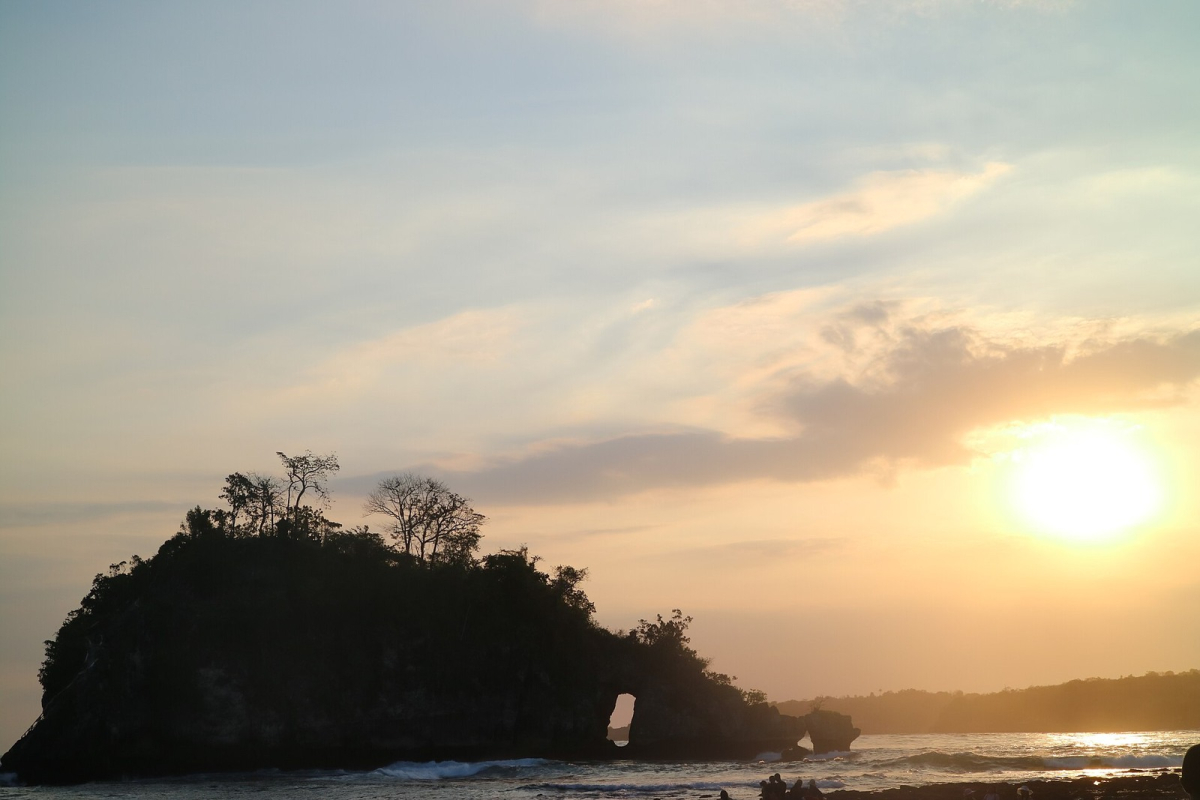
An island-stay version can replace the middle region with Nusa Lembongan or Penida. Move back to Bali before the international departure day, and leave a useful buffer rather than assuming the final fast boat will run. Timetables, sea conditions and harbour changes can affect both the journey and the transfer at either end.
Build a day around a geographic cluster
Inland routes work best when the stops share an approach road or valley. A Bedugul day can focus on Ulun Danu Beratan and the botanic garden; a Tampaksiring day can focus on sacred and archaeological places; an east Bali day can focus on a water palace and one nearby landscape. Each becomes less useful when distant sunset stops are added at the end.
Set one main objective and one optional stop. Confirm lunch, toilets, walking distance and the last collection point with the driver. If a ceremony, queue or storm changes the day, keep the principal visit and drop the optional one. Booked activities with fixed start times deserve more space than an open-ended viewpoint.
Travel with children or restricted mobility calls for more than reducing the number of attractions. Check the entrance-to-vehicle distance, steps, shade and the return route. Build a rest period near your accommodation rather than placing it in the middle of a long transfer. The separate family guide and accessibility guide help frame those questions.
Keep room for weather, Nyepi and transport changes
For a wet day, replace exposed walks or sea crossings with a museum, workshop or a meal close to your base. An indoor reservation on the other side of the island may still create a difficult traffic day. Pack light rain protection and allow clothes and shoes to dry before the next move.
Nyepi changes the logic of an itinerary because normal movement pauses. Check the confirmed date and accommodation arrangements in Festivals & Events before buying flights or scheduling a hotel change. Book the room you intend to remain in, clarify meals and observe local instructions. Do not describe Nyepi as an ordinary quiet sightseeing day.
Protect the trip's fixed commitments first: international flight, booked accommodation, any activity with a limited departure and the return from an offshore island. Other visits should fit around those commitments. For transport choices and the airport process, use Getting Around and Airports & Transfers.
Frequently asked questions
How many bases do I need for seven days?
Two bases, such as Ubud and one chosen coastal area, are a practical starting point for six nights. One base also works if you accept a more local trip; three usually adds unnecessary moving time.
Should I add Nusa Penida to a five-day trip?
Only by replacing another full day and accepting the extra sea and road logistics. The five-day example deliberately stays on Bali so the short trip has room to settle.
Can I visit the north and east on a ten-day itinerary?
You can, but it adds substantial transfers. The example chooses Amed or Munduk for the middle three nights so the region gets two complete days.
Are the plans fixed tour schedules?
No. They are editorial route examples. Confirm local access, weather, journey times and any operator departure before reserving a timed activity.



