
INDONESIA · BALI TRAVEL GUIDE
Bali Temple Etiquette: Clothing, Sacred Areas & Respectful Photography
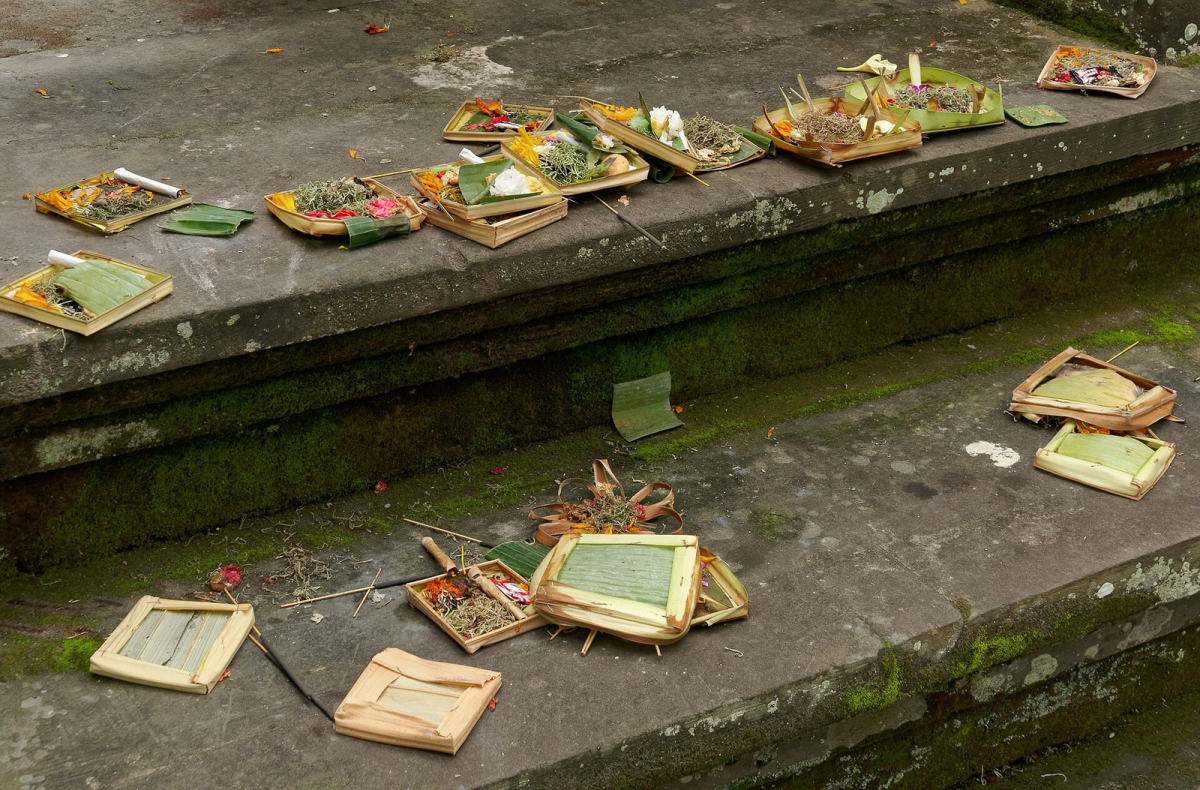
Bali's temples are places of worship and community life, including when they also receive visitors. Approach a visit by finding out where you are welcome, how to dress and whether a ceremony changes access. A ticket, guide or sarong is not permission to enter every courtyard or turn a religious observance into a photo session.
Distinguish visiting from worship
A visitor route can include architecture, landscape and selected public areas while leaving other spaces reserved for worshippers. Bali's official tourist code explicitly protects sacred sites and restricts access to particular temple areas. Respect signs, barriers and staff instructions even if another visitor crosses them.
Ask a simple question at entry: which areas are open to visitors today? That is more useful than assuming a route shown in an older photograph is still permitted. Ceremonies, maintenance and local decisions can change arrangements. Use the attractions guide for choosing places, then confirm access at the actual site.
When unsure, pause and ask a member of staff or an appropriately licensed guide. Do not copy the movements of a worshipper as evidence that the same space is open to you. The distinction is about the purpose of access, not whether the area appears busy or empty.
Dress for the site and its current rules
Wear modest clothing appropriate to a sacred setting and follow the temple's requirements for covering and garments. At Besakih, Indonesia's tourism authority describes a sarong, locally called a kamen, and sash as part of visitor preparation. Other sites may provide instructions or garments at entry; check what is required and what is included in any ticket. Official Besakih visitor guidance.
Bring clothing that stays comfortable and secure while walking, rather than relying on a small scarf to solve every dress requirement. If a sarong or sash is borrowed, use it as instructed and return it where requested. Keep swimwear and beach behaviour for the appropriate setting.
Some temples apply additional access restrictions related to ritual purity or the visitor's circumstances. Read the posted information and ask respectfully if anything is unclear. Avoid inventing one universal rule for every temple, and do not pressure staff to make an exception because you have travelled a long way.
Leave space for prayer and ceremonies
Keep voices low, avoid blocking gateways and let groups carrying ceremonial objects pass. If a route is temporarily closed for a procession, wait or take the indicated alternative. A religious activity does not need to be rearranged around your sightseeing schedule.
Keep bags, tripods and children clear of routes used by worshippers. Observe from a respectful distance and avoid standing in a position that prevents others seeing or taking part. If you arrive during an observance, ask where visitors should stand rather than choosing the most photogenic position first.
Do not handle offerings, statues or sacred objects. Watch where you step and follow local guidance around offerings and ceremonial arrangements. Ask before entering an area that looks like a courtyard passage but may have a religious purpose.
Take photographs without changing the event
Check whether photography is allowed in the area you are visiting. Permission for the outer grounds need not extend to inner areas, a ritual or a particular object. If a person is the subject, ask before photographing and respect a refusal without debate.
Avoid flash, intrusive close-ups and repeated requests that interrupt prayer. Do not ask worshippers to repeat an action, move an offering or pose in a sacred area. Photographing respectfully may mean making fewer pictures or leaving the camera down. The photo-spots guide can help you choose architectural and landscape subjects that do not depend on interrupting people.
Do not climb monuments, sacred trees, shrines or barriers for a view. Bali's tourist code specifically addresses inappropriate photographs at religious sites. Drone use, commercial filming and organised portrait shoots need their own current permission checks; ordinary visitor admission should not be treated as approval.
Understand ritual bathing before participating
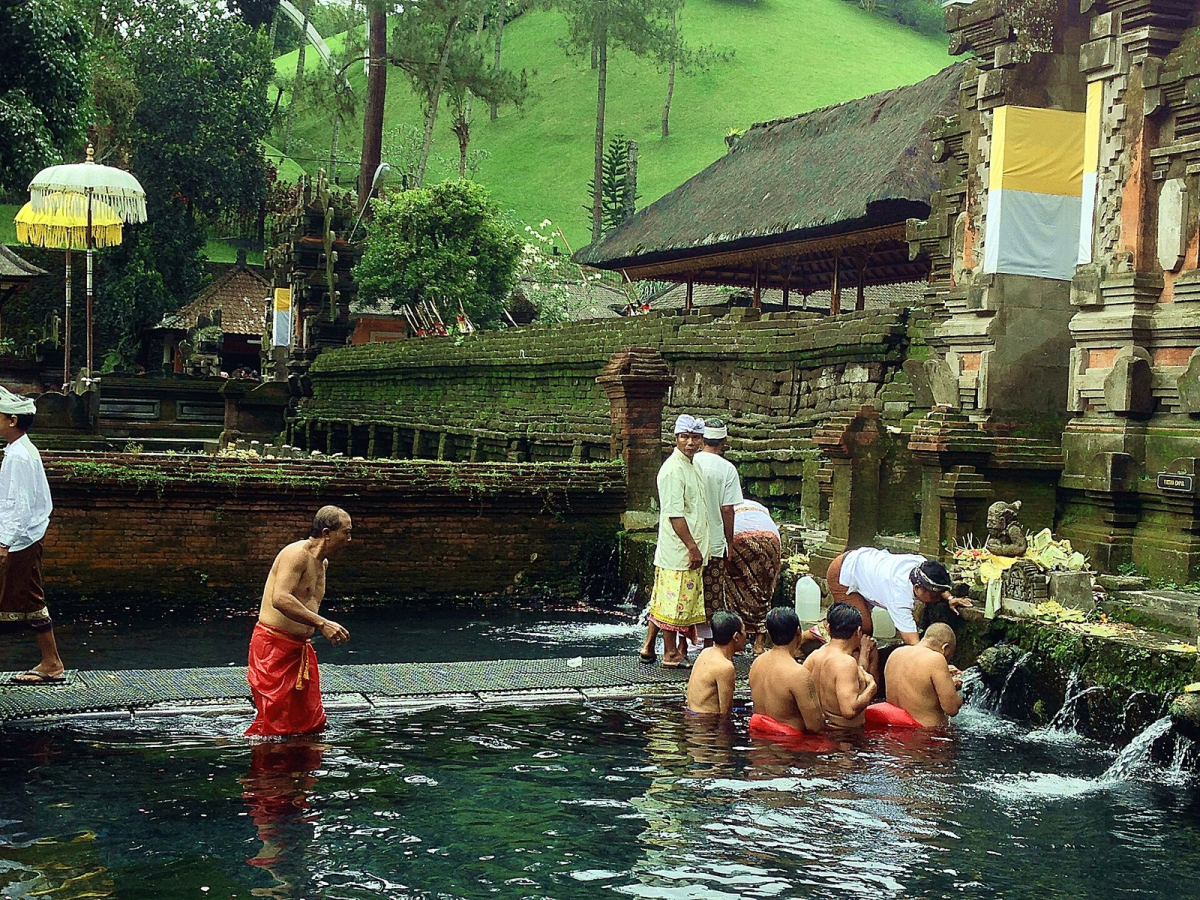
A holy spring or bathing complex may have both visitor areas and religious practices. Do not assume that buying a general entry ticket means you should enter a ritual pool or copy a purification sequence. Ask what participation means, what clothing is required and where belongings should go.
If you choose to take part, listen to the site's explanation rather than treating the experience as an ordinary swim. Follow instructions about where visitors may stand, which features are used and how others move through the space. Respect a rule excluding visitors from a particular point even if it looks similar to an open one.
Consider your health, the water conditions and your ability to enter and leave safely. A sacred setting does not remove the need for normal health precautions or accessible entry. If participation is unsuitable, observing respectfully from a permitted area is a valid visit.
Use clear ticket and guide arrangements
Check the official entry point and what the admission includes. Ask whether parking, a sarong, a guide, a performance or another service is separate. For an organised trip, establish which temple fees are included before departure. A driver's service and a licensed guide's interpretation are not automatically the same thing.
Use an identifiable authorised arrangement and clarify the price before accepting an additional service. If something is presented as compulsory but the explanation is unclear, ask the official desk or site manager. Keep the interaction calm and avoid turning uncertainty into an argument in a sacred place.
Do not use historical or estimated ticket amounts as a fixed current tariff. Prices and arrangements can change. Compare the actual final quote and the site's own instructions when booking.
Prepare children and access needs
On smaller screens, swipe or scroll horizontally to read the full table.
| Need | Ask or prepare |
|---|---|
| Children | Explain quiet behaviour, offerings, boundaries and the option to leave for a break |
| Reduced mobility | Check surfaces, steps, gradients, toilets and the route from parking |
| Clothing | Confirm garments, coverage, borrowing and any extra charge |
| Photography | Ask about the actual area, event and intended use |
| Ceremony day | Confirm visitor access, traffic and return arrangements |
Shorter visits can work well for families if the important expectations are explained in advance. Keep children near you and avoid using offerings, statues or animals as entertainment. If heat or tiredness makes quiet participation difficult, take a break outside the sacred activity rather than insisting on finishing every section.
For mobility needs, obtain details instead of relying on the word accessible. A viewpoint, an outer courtyard and the full visitor route may have different access. Read Accessibility and ask about the parts you personally want to see.
Check the calendar without demanding access
Nyepi and other observances can change movement and visitor arrangements. Nyepi in 2027 falls on 8 March according to the government's holiday calendar; visitors remain within accommodation during the day of silence. A temple visit should not be scheduled across that restriction.
For other ceremonies, ask whether visitors are welcome and what local arrangements apply. The festivals and events guide distinguishes date planning from access, while History & Culture provides context. Treat a respectful visit as an opportunity to understand a living place rather than a requirement to see every restricted space.
Frequently asked questions
Do I need a sarong at Bali temples?
Follow the actual site's clothing rules. Many temple visits require a sarong and sash; Besakih's official visitor guidance describes both. Confirm what is supplied and whether a charge applies.
Can I enter every temple area after buying a ticket?
No. Visitor admission does not grant access to all sacred spaces. Follow signs, staff and guide instructions and respect areas reserved for worshippers.
Can I photograph ceremonies?
Ask about the event and area. Avoid flash, intrusive images and blocking prayer, and ask permission when a person is the subject.
Is ritual bathing the same as swimming?
No. Ask about the religious practice, participation rules, clothing and access. You can observe respectfully without taking part.
Can temples be visited on Nyepi?
Ordinary sightseeing and movement stop during Nyepi. Plan to remain within your accommodation and confirm the year's arrangements before travel.


