
INDONESIA · BALI TRAVEL GUIDE
Bali Beaches: Choose the Right Coast and Beach Access
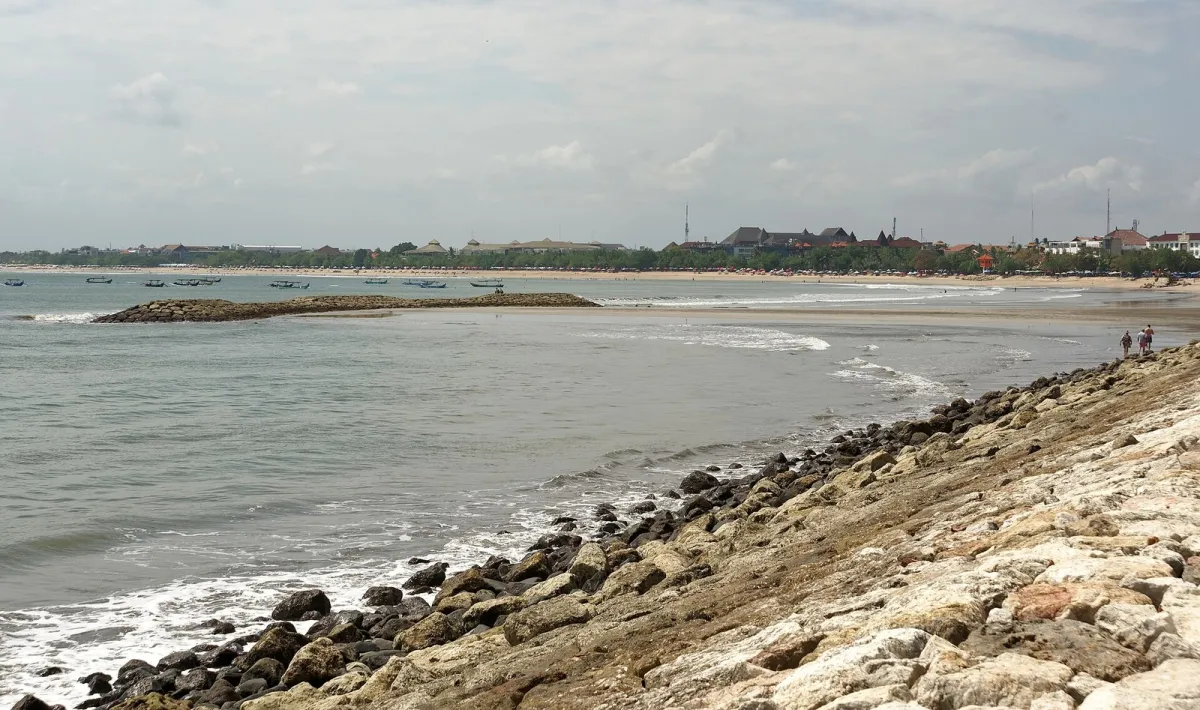

Bali's beaches serve different purposes. The west coast is associated with surf and sunset; Sanur faces sunrise; the Bukit has separate beaches below limestone cliffs; the north and east have darker volcanic shores and sea-focused villages. A beautiful photograph does not tell you whether a beach has shade, a manageable entrance or suitable water on the day.
Choose the coast before choosing the photograph
Decide whether your main aim is a walk, a supervised lesson, a long lunch, photography or entering the sea. Those choices lead to different places. For swimming, current flags, closures and lifeguard instructions take priority over a guide's description. Reefs, lagoons and sheltered-looking bays do not guarantee safe water, and conditions can change between morning and afternoon.
On smaller screens, swipe or scroll horizontally to read the full table.
| Coast or beach | Consider it for | Main check |
|---|---|---|
| Kuta and Legian | Long beach walks, sunset and supervised beginner surf lessons | Open-ocean surf, flags and the current lesson area |
| Seminyak and Canggu | Sunset with restaurants or a beach venue nearby | Shore break, currents, traffic and venue conditions |
| Jimbaran Bay | A bay setting and seafood dinner | Fishing activity, beach section and local sea advice |
| Sanur and Nusa Dua | Promenade or resort-based beach time | Tide, reef exposure, boat lanes and access |
| Bukit coves | Cliff scenery and a planned cove visit | Steps, narrow approaches and the climb out |
| Amed and Pemuteran | A longer stay with local sea activities | Stony entry, equipment and guided water conditions |
Kuta and Legian: a long west-coast shoreline
Kuta and Legian suit visitors who want a broad stretch of beach close to an established tourism area. A beach walk and sunset are simple ways to use the setting without committing to a water activity. Allow time to find the right entrance from your accommodation, and decide where your group will meet again if the beach is crowded.
The surf attracts learners, but a beginner should use a suitable school and an instructor who assesses the conditions, ability and lesson area. Renting a board alone is a different decision from taking a supervised lesson. Check what the session includes, how many learners share the instructor, where belongings are stored and what happens if the sea is unsuitable.
These beaches are useful for a straightforward coastal afternoon after arriving in the south. They are less suitable as a stop squeezed between a mountain drive and a late airport transfer. Keep valuables out of sight and use the facilities of a clearly identified business when you need changing or storage.
Seminyak and Canggu: beach time with a busy hinterland
Seminyak's coast is a practical choice when dinner, shopping or a beach venue is part of the same outing. Canggu's Batu Bolong and Berawa areas have a different mix of surf culture, cafés and venues. Neither is one uniform beachfront resort. Choose a specific meeting point and check the approach by road before travelling across the area for sunset.
Public beach access and admission to a beach club are different things. A venue may have reservations, minimum spending, age restrictions or rules for pool use. Confirm these directly rather than assuming that buying a drink provides every facility. A venue's pool also does not change the suitability of the ocean outside.
For a quiet walk, use a less crowded time and be ready to change plans if the tide reduces the usable sand. Some stretches are dark volcanic sand, and the midday surface can be uncomfortable underfoot. Evening transport demand and congestion can outlast the sunset, so arrange the return before joining an event.
Jimbaran: choose your stretch of the bay


Jimbaran combines a bay setting with beach restaurants and fishing activity. It is useful when you want the coast to be the centre of an evening, rather than another attraction on a long day. The shoreline varies between the fishing end, restaurant stretches and hotel frontages, so confirm where a reservation is located and how you will reach the sand.
For seafood, ask how the total is calculated before ordering: the fish or shellfish may be priced by weight, and accompaniments, drinks or taxes can be separate. Check whether the weight and quoted unit refer to the item you have chosen. A table on the sand can be attractive, but wind or rain may change the seating arrangement.
Plan swimming separately from the meal. Do not enter the sea after dark or treat a relatively sheltered bay as a safety guarantee. Families should identify shade, toilets and a clear collection point, while travellers with limited mobility should ask whether the restaurant has a firm approach rather than only loose sand.
Sanur and Nusa Dua: tides shape the beach day
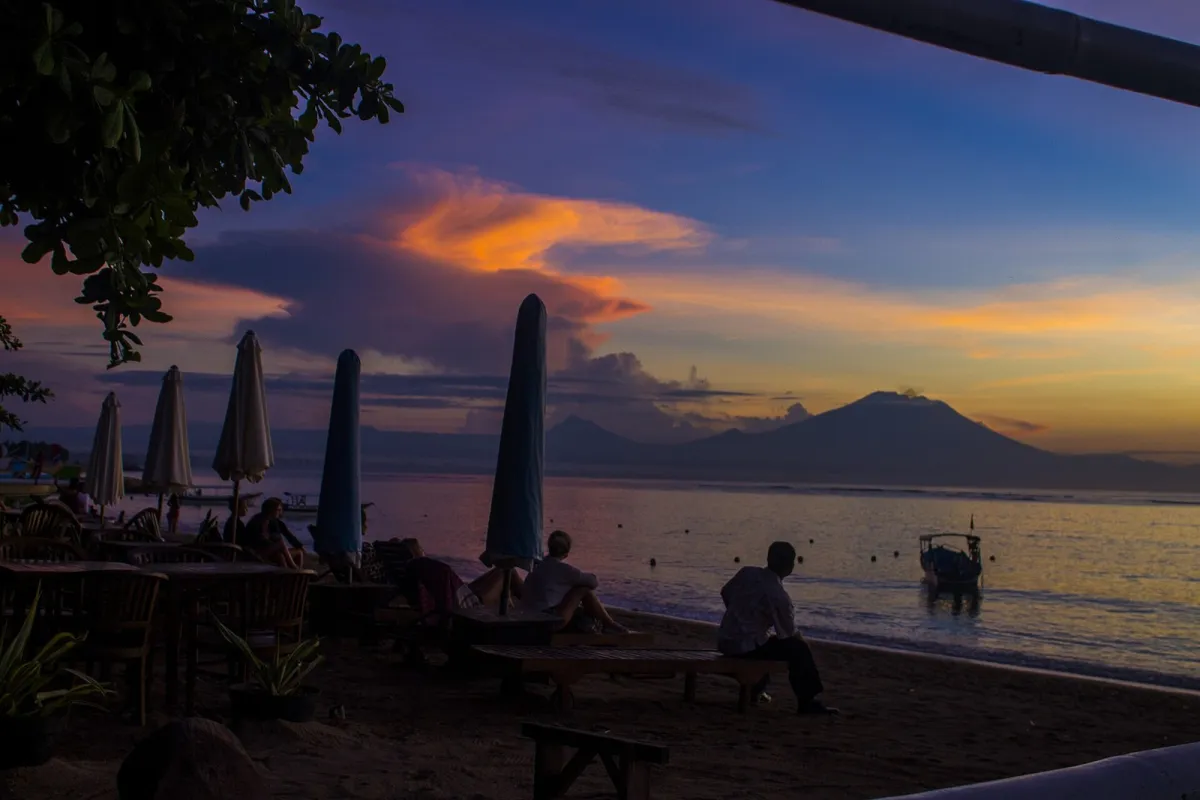

Sanur is particularly useful for visitors who want a coastal walk or cycle and a sunrise setting. A reef lies offshore, but the water's depth and exposed seabed change with the tide. Check the actual swimming area and avoid boat channels. The harbour used for island departures is a working transport area, not a substitute for choosing a beach further along the coast.
Nusa Dua: check the actual resort beach
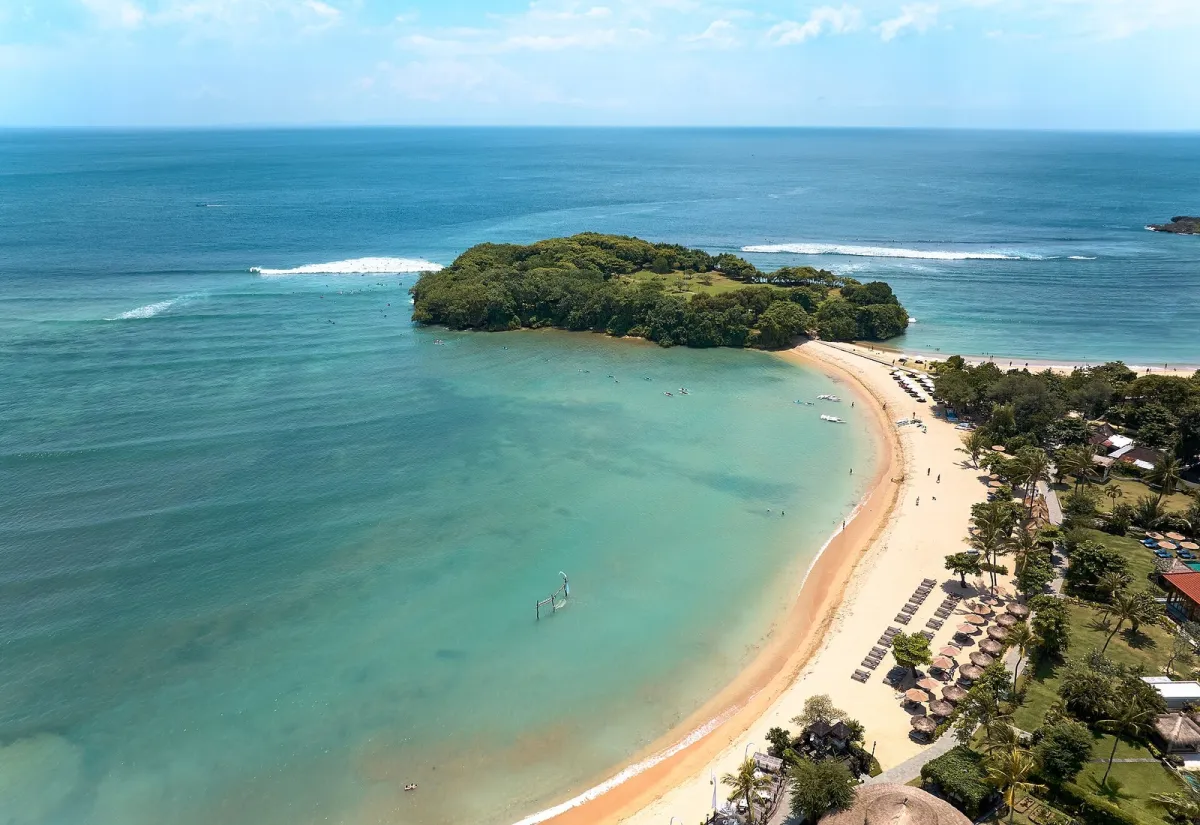

Nusa Dua offers beaches beside large resort grounds, including stretches around the tourism enclave. Compare public approaches, shade and the facilities your hotel or day booking actually includes. A beach can look spacious at one tide and quite different at another. Ask about current swimming zones, lifeguard coverage and any water-sports activity in the immediate area.
These coasts can be useful family options, but supervision remains essential. Pick a manageable section near the facilities you need rather than spending the hottest part of the day searching for a supposedly perfect stretch. Return at a different tide if a shoreline walk is the main aim.
The Bukit: Padang Padang, Bingin, Pandawa and Melasti
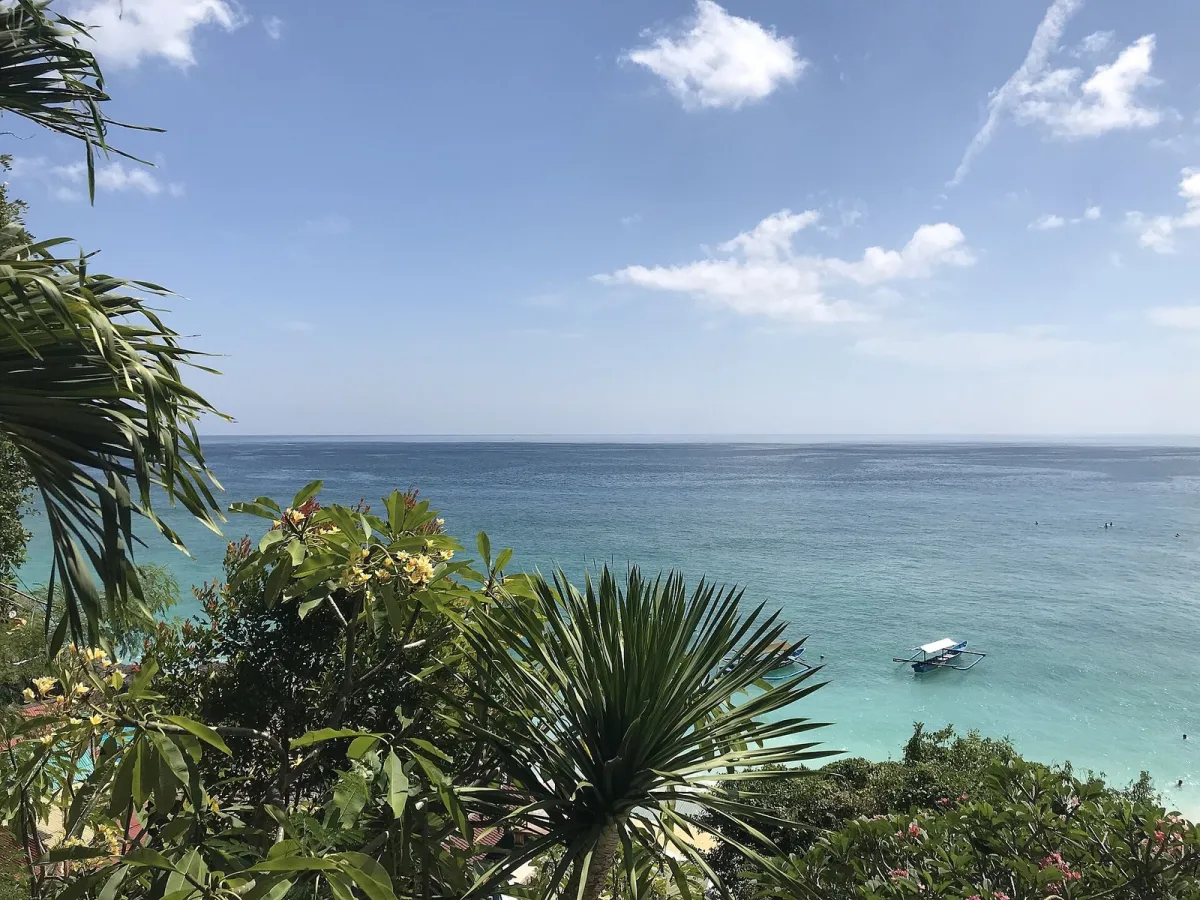

The Bukit's beaches are separated by cliffs and headlands. Padang Padang is known for a narrow approach through rock and steps, so the descent is part of the visit. Bingin also requires attention to the actual route from your accommodation or drop-off point; stairs, redevelopment and local access arrangements should be checked shortly before travel. A cliff-top map pin can conceal a difficult final approach.
Pandawa and Melasti have road approaches cut through limestone scenery, giving them a different arrival experience from the smaller stair-access coves. That does not make every part of the shore accessible or the water appropriate for every visitor. Check the current ticketing, parking, drop-off and any separate venue admission at the beach you choose.
Choose one or two nearby beaches, rather than treating the peninsula as a continuous walk. Carry water, protect yourself from the sun and think about the return climb. Stay clear of unstable edges and do not move beyond barriers for a photograph. If steps or heat become a problem, a viewpoint or a venue with a confirmed firm approach may be the more useful alternative.
Amed and Pemuteran: allow time for a sea-focused stay
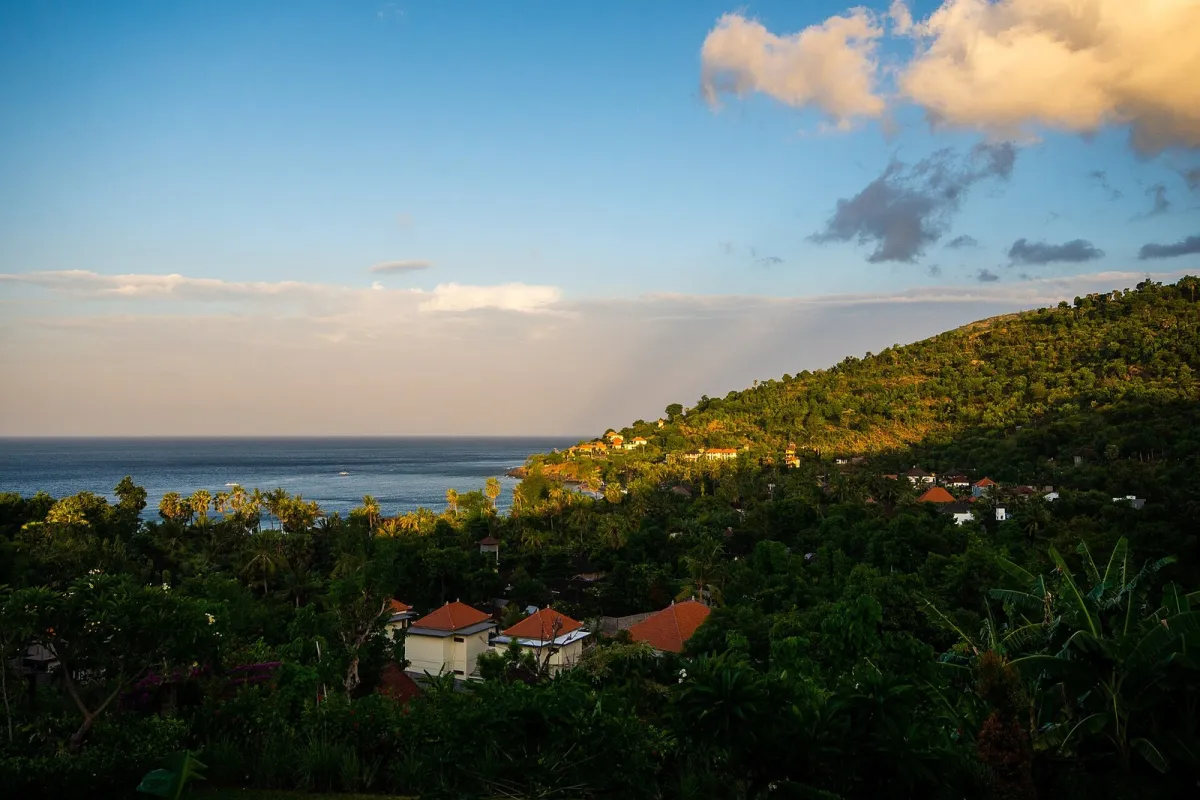

Amed's east-coast coves are associated with fishing boats, dark shores and local diving or snorkelling. Some entries are stony or steep; bring suitable footwear and ask a reputable operator where it is appropriate to enter. Amed and Tulamben are distinct locations, and a dive booking may require a transfer even when both appear in the same hotel search.
Pemuteran: a northwest-coast stay


Pemuteran lies in the northwest and can work as a base for local marine activities or a planned Menjangan outing. It is a substantial relocation from the southern resorts. Give the area enough nights to absorb the drive and leave room for conditions to change. A short boat excursion still needs a suitable operator, equipment and weather decision.
Use the dedicated diving and snorkelling guide for ability, operator and environmental checks. Keep a shore-based alternative ready and avoid standing on coral, feeding marine life or pursuing animals for a photograph. Good visibility and wildlife sightings cannot be promised by a booking.
What to confirm before leaving for the beach
Check the forecast, local warnings, tide and the route from the vehicle to the sand. Ask whether toilets, drinking water and shade are available and whether any facilities depend on a paid venue. Take only what you can keep secure and remove all litter, including small packaging that is easily lost in sand.
For a coastal hotel, use Where to Stay to compare the setting with your other plans. For a beach on another island, read Day Trips first: a scenic viewpoint visit, a swim and a return sailing are separate logistical decisions.
Frequently asked questions
Which Bali beach is safest for swimming?
No beach can be labelled safe for every day. Choose a currently supervised swimming area, follow flags and local instructions, and stay out when the conditions exceed your ability.
Are Sanur and Nusa Dua always deep enough to swim?
No. Tide, reef, swell and the specific beach section affect depth and access. Ask about the actual shoreline near your accommodation.
Is Padang Padang suitable for a pushchair?
Its narrow rock-and-step approach makes a pushchair inconvenient. Confirm another beach with a practical route if steps are a concern.
Can I visit several Bukit beaches on foot?
They are separated by cliffs and headlands. Use confirmed road access and do not assume the shoreline connects them, especially around a rising tide.