
SPAIN TRAVEL GUIDE
Spain Travel Guide
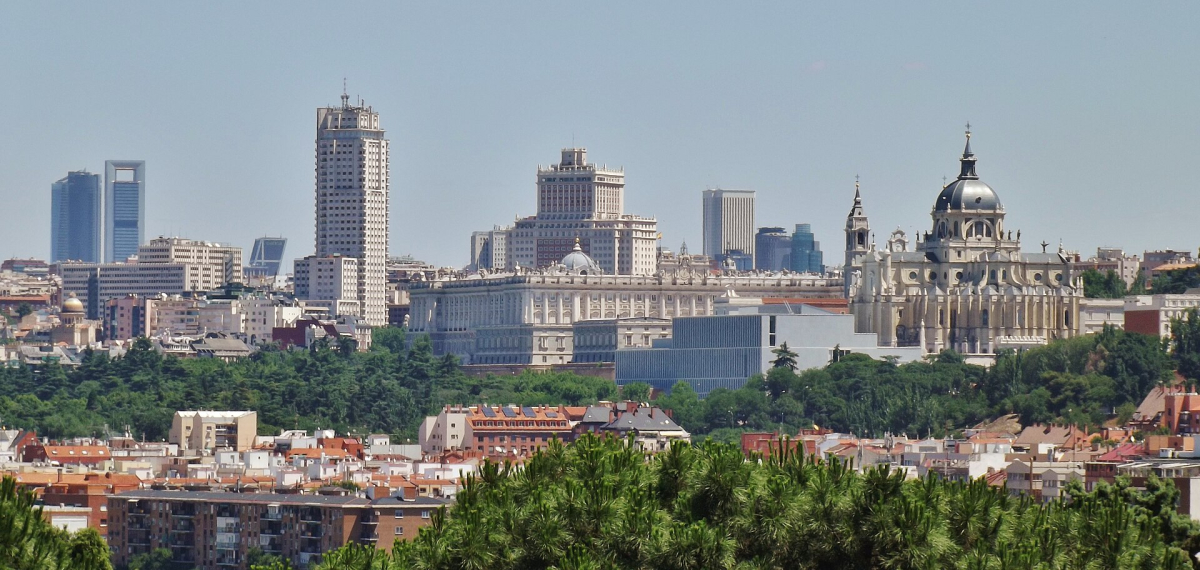
Spain is one of Europe’s most rewarding countries to explore. From tapas bars in Madrid and Gaudí architecture in Barcelona to whitewashed hill towns in Andalusia, wild Atlantic cliffs in the north and volcanic islands in the Canaries, it offers a huge variety of landscapes and travel styles in a relatively compact area.
This Spain Travel Guide overview gives you the “big picture”: how Spain is laid out, when to go, which regions to focus on, how much time you need and where to dive deeper in our detailed Spain pages. Think of it as your starting point before you read more specific guides like Travel Essentials, Best Time to Visit, Where to Stay and Things to Do.
Why Visit Spain?
- Sunshine & climate: Long summers on the Mediterranean, mild winters in many coastal areas and four distinct seasons in the interior.
- Food & wine: Tapas culture, seafood, regional specialties, famous wines and olive oil—Spain is one of Europe’s great food destinations.
- Culture & history: Roman ruins, Moorish palaces, Gothic cathedrals, modernist architecture and major museums.
- Beaches & islands: Mediterranean resorts, wild Atlantic stretches, Balearic Islands and Canary Islands with a mild coastal climate.
- Budget: Compare costs for the region, dates and travel style you actually choose; a national affordability claim does not establish the price of your trip.
Whether you are planning a long weekend in one city or a two-week multi-region trip, Spain is easy to combine: high-speed trains, good domestic flights and excellent regional airports make it simple to move between coasts, mountains and cities.
How This Spain Travel Guide Is Organized
Explore the guide by task: Discover Spain, Plan Your Trip, Stay & Get Around, Experiences & Photography, and Before You Go. Use the menu to reach a full guide or a focused section within one.
- Travel Essentials – Quick reference for currency, time zones, public holidays, emergency numbers and key background information.
- Weather in Spain & When to Go – Seasonal overview with tips for city breaks, beach trips and island escapes.
- Map & Regions – Deeper dive into Spain’s geography, regions, culture, language and daily rhythm.
- Where to Stay – How to choose between hotels, apartments, rural stays and coastal resorts, plus neighborhood guidance.
- Beaches – Overview of the best coastal areas along the Mediterranean, Atlantic and islands.
- Food & Drink – Regional dishes, tapas culture, markets and drinks.
- Nightlife – From late-night bars and flamenco shows to beach clubs and live music.
- Shopping – Markets, artisan products, fashion districts and seasonal sales.
- Getting Around – Trains, domestic flights, buses, metros, car rental and how to move between regions.
- Things to Do – Highlight experiences across cities, coasts and countryside.
Use this page to decide what kind of Spain trip you want. Then dive into the more detailed topic pages to fine-tune your itinerary.
Spain’s Main Regions at a Glance
Spain is roughly divided into a few key travel regions. Each has its own character, climate and style of travel.
Barcelona & Catalonia
Catalonia in the northeast is home to Barcelona, one of Europe’s great city-break destinations. Here you find Gaudí architecture, lively neighborhoods, city beaches and creative food scenes. Beyond Barcelona, the Costa Brava offers small coves, coastal walking routes and fishing villages, while inland Catalonia has medieval towns and wine regions.
- Best for: first-time visitors, urban explorers, design lovers and food-focused trips.
- Combine with: Beaches and Things to Do for coastal and cultural experiences.
Madrid & Central Spain
In the center of the country, Madrid offers grand boulevards, major museums and an energetic nightlife and tapas scene. It is a convenient base thanks to high-speed rail connections that reach many other regions. Nearby historic cities like Toledo and Segovia work well as day trips.
- Best for: art museums, café life, shopping and connecting to other parts of Spain by train.
- Combine with: our Where to Stay guide to choose the right neighborhood.
Andalusia
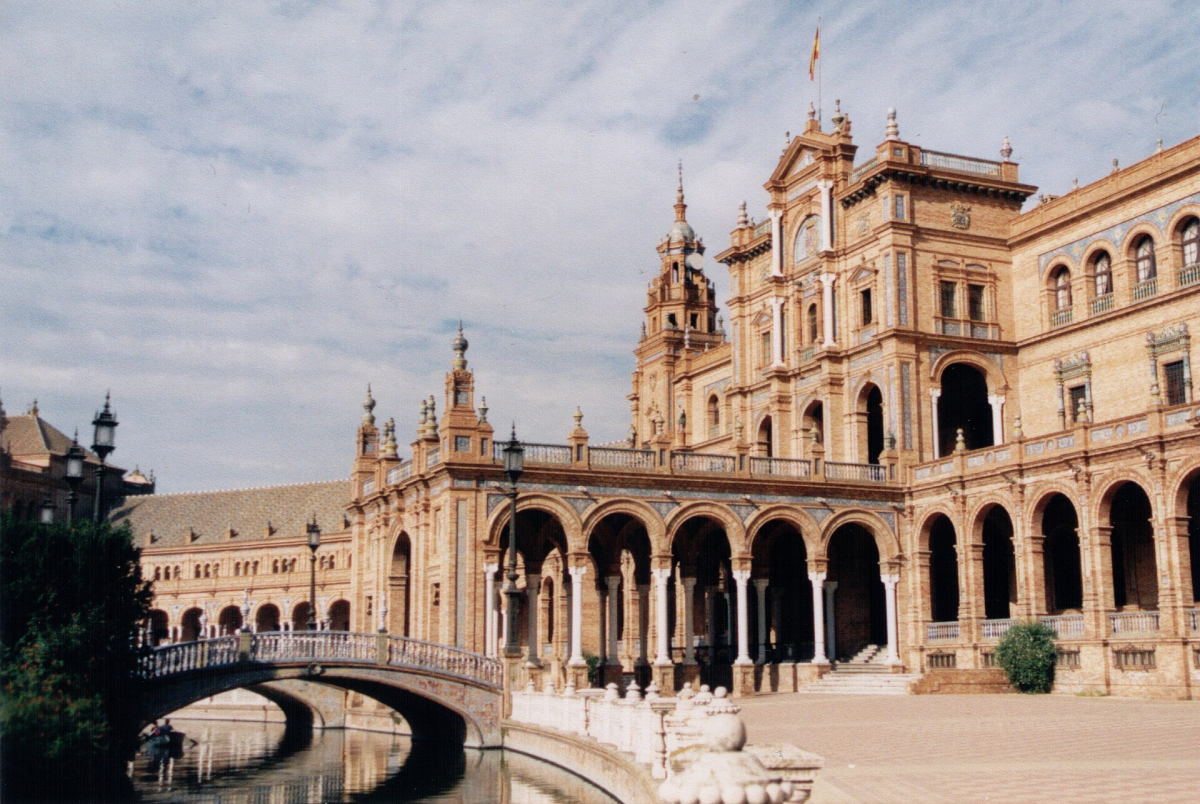
Southern Spain is defined by white villages, flamenco, Moorish architecture and warm Mediterranean light. Cities such as Seville, Granada and Córdoba feature palaces and courtyards, while the Costa del Sol offers beach resorts and seaside promenades. Inland, you’ll find olive groves and mountain ranges.
- Best for: culture-heavy trips, spring and autumn holidays, first-time visitors who want “classic” Spain.
- Combine with: Food & Drink for regional dishes and local wines.
Valencia & the Costa Blanca

Valencia blends futuristic architecture, old-town markets and easy access to beaches. Further down the coast, the Costa Blanca offers resort towns, long sandy beaches and family-friendly holidays. This region is sunnier and drier than much of northern Europe for much of the year.
- Best for: beach breaks, family holidays, city + coast combinations.
- Combine with: Best Time to Visit and Beaches to pick the best month and coastal base.
Northern Spain (Basque Country, Cantabria, Asturias & Galicia)
The north feels very different from southern Spain. Expect green hills, rugged Atlantic cliffs, surf spots and cooler temperatures. The Basque Country offers Michelin-starred dining and pintxos bars, while Galicia is known for seafood, lighthouses and pilgrim routes to Santiago de Compostela.
- Best for: travelers who prefer cooler weather, road trips, hiking and coastal scenery.
- Combine with: Things to Do for hiking, surf towns and scenic drives.
Balearic & Canary Islands
Spain’s islands each have a distinct personality. The Balearic Islands (Mallorca, Menorca, Ibiza and Formentera) offer coves, beaches, cycling routes and nightlife, while the Canary Islands in the Atlantic (such as Tenerife, Gran Canaria and Lanzarote) are ideal for winter sun, volcanic landscapes and coastal walking.
- Best for: beach-first holidays, hiking, winter escapes and island-hopping itineraries.
- Combine with: our Getting Around for information on flights, ferries and local buses.
When to Visit Spain – Quick Overview
In general, spring (April–June) and autumn (September–October) are the most comfortable months across much of Spain. Coastal areas are warm without being extremely hot, cities are busy but manageable and there are many local festivals.
- Summer (July–August): Best for beach and island trips, but can be very hot in inland cities like Madrid and Seville.
- Winter: Good for city breaks, cultural trips and Canary Islands sun.
For more detail on temperatures, sea conditions and what to pack for each season, see Weather in Spain & When to Go.
How Long Do You Need in Spain?
- 3–4 days: Ideal for a single city break (Madrid, Barcelona, Seville or Valencia).
- 7–10 days: Good for a “classic Spain” itinerary combining two cities plus a bit of coast or countryside.
- 14+ days: Enough time to mix several regions—for example Barcelona + Madrid + Andalusia, or a northern Spain road trip plus a few days in the Basque Country.
Our Things to Do and Travel Essentials pages include more ideas on how to structure itineraries for different interests and seasons.
Budget & Trip Style: What Kind of Traveler Are You?
City Break Traveler
If you love museums, cafés and nightlife, focus on Barcelona, Madrid, Seville or Valencia. Stay central, use public transport and spend your budget on food and experiences rather than long-distance travel.
- Use Where to Stay to pick central neighborhoods.
- Plan evenings using Nightlife and Food & Drink.
Beach & Relaxation Traveler
Prefer easy days on the sand and warm evenings on a promenade? Look at the Costa del Sol, Costa Blanca, Costa Brava, Balearic Islands or Canary Islands. Decide whether you want a busy resort with nightlife or a quieter village atmosphere.
- Start with Beaches for coastal overviews.
- Use Getting Around to understand flights, trains and local buses to the coast.
Culture & History Traveler
For cathedrals, palaces, historic quarters and museums, you can easily build a route through Madrid, Toledo, Segovia, Seville, Córdoba and Granada. Many travelers combine this with a couple of beach days at the end.
- Check Map & Regions for background on architecture and history.
- Explore Things to Do for must-see sites and walking tours.
Food & Wine Traveler
Spain is excellent for culinary travel. Tapas in Seville, pintxos in San Sebastián, seafood in Galicia, paella in Valencia and wine regions like Rioja and Priorat can all anchor a trip.
- Start with Food & Drink.
- Look at Shopping for gourmet products to take home.
Road Trip & Outdoor Traveler
If you prefer scenery and variety, consider renting a car and combining several regions—perhaps Andalusia’s white towns and Ronda, or the dramatic coastlines of Galicia and Asturias, or volcanic landscapes in the Canary Islands.
- Our Getting Around explains when a car is helpful and when trains or buses are easier.
- Pair it with Things to Do for hiking routes, viewpoints and coastal drives.
Practical Essentials for Your Spain Trip
- Currency: Euro (€). Card payments are widely accepted, but small markets and cafés may prefer cash.
- Language: Spanish (Castilian) is spoken nationwide. Catalan, Basque and Galician are also official in their regions.
- Transport: High-speed trains connect major cities; buses and regional trains serve smaller towns; low-cost airlines and ferries connect the islands.
- Safety: Spain is generally safe, but pickpocketing can be an issue in busy tourist areas. Keep valuables secure, especially in crowds and on public transport.
- Connectivity: Wi-Fi is common in hotels and cafés; eSIMs and local SIM cards are easy to find.
For everyday preparation, money, health and local customs, use Travel Essentials.
Where to Go Next in Our Spain Guide
Once you have a sense of the regions and travel styles that interest you, continue your planning with these pages:
- Travel Essentials – essential background and quick-reference data.
- Best Time to Visit – which months work best for cities, beaches and islands.
- Where to Stay – how to choose the right area and type of stay.
- Beaches – picking the right stretch of coast for your style of trip.
- Things to Do – highlight experiences and itinerary ideas.
- Shopping – what to buy, where to shop and how to use seasonal sales.
Spain rewards both first-time visitors and repeat travelers. Start with the kind of trip that excites you most—city energy, coastal relaxation, food-focused travel or a mix of everything—and then use this guide and its related pages to gradually turn that idea into a confident, well-planned itinerary.
Spain City Guides
Spain Itineraries: Choose a Route That Fits Your Time
Count usable sightseeing days separately from arrival and departure. A late flight followed by an early flight home does not leave a full week to explore. These are editorial route examples, rather than fixed tours: choose accommodation and transport for your own dates before committing to the sequence.
| Time available | Suggested focus | How to use the time |
|---|---|---|
| 3–4 days | One city: Madrid, Barcelona, Seville or Valencia | Keep one base, select a few priority sights and leave a flexible neighbourhood afternoon. |
| 7 days | Madrid and Seville | Three nights in Madrid and three in Seville, allowing a transfer day. Add a day trip only if it fits your interests. |
| 10 days | Madrid, Córdoba, Seville and Granada | Use three or four overnight bases. Decide whether Córdoba is an overnight stay or a stop between bases; do not assume every connection fits a sightseeing day. |
| 14 days | Barcelona, Madrid and Andalusia | Spend several nights in each main base and reserve time for transfers. Choose either more cultural stops or a coastal finish rather than trying to include both island groups. |
For a greener, slower alternative, concentrate a week on Bilbao and San Sebastián or on one part of Galicia or Asturias. A northern trip is a different choice from an Andalusian city circuit: weather, distances and transport coverage affect the plan. An island holiday also works best as a deliberate itinerary, with enough time for airport or ferry access and the actual journey between accommodation bases.
Put your most important timed attraction on a day with a generous margin. In Granada, for example, arrange the visit and accommodation together before filling the rest of the schedule. Allow a lighter first evening after a long flight. Travelling with children or someone who needs step-free access may justify fewer bases and additional transfer time.
Check the current timetable with Renfe and other relevant operators. Compare exact stations, luggage conditions and connections; a route on a national map does not establish a service on your chosen date. Our Map & Regions, Where to Stay and Getting Around guides cover these separate decisions.
Use Spain’s official first-visit guidance as a further planning reference, then check the specific venue, operator or authority for your dates. This guide offers editorial route choices; it does not claim personal visits to every place mentioned.



