
Spain Weather & Best Time to Visit
Spain enjoys one of Europe’s most diverse climates, shaped by the Mediterranean Sea, the Atlantic Ocean and the country’s vast, mountainous interior. From sunny beach destinations to cool northern coastlines and warm subtropical islands, the weather in Spain changes significantly by region and season. This guide explains Spain’s major climate zones, seasonal conditions, regional variations and practical tips to help you plan the perfect trip.
Overview of Spain’s Climate Zones
Although Spain is known for sunshine and warm weather, the country actually includes four distinct climate zones. Each region offers a different travel experience depending on the time of year.
Mediterranean Climate (East & South Coasts)
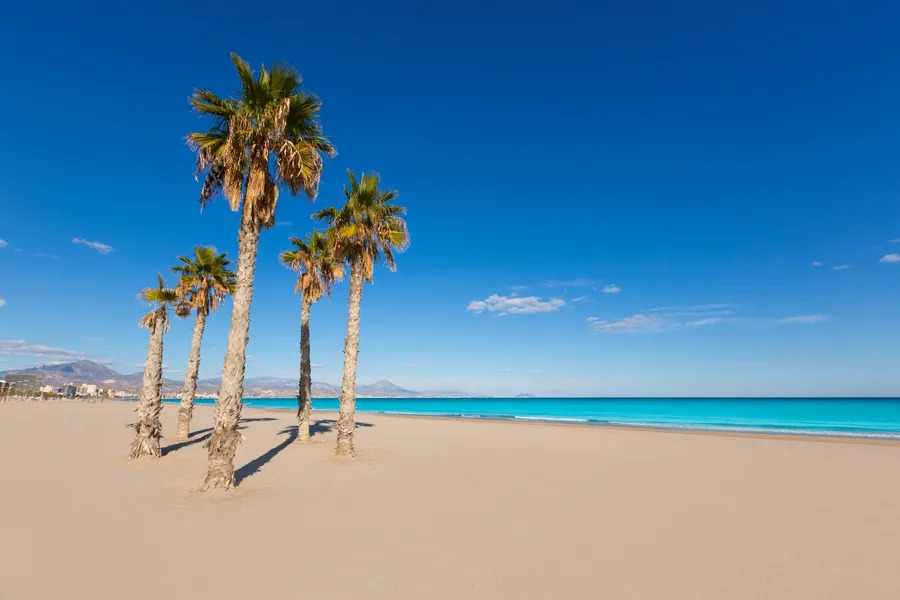
Most travelers associate Spain with Mediterranean weather — hot, dry summers and mild, pleasant winters. This climate covers Barcelona, Valencia, Murcia, Alicante, Málaga and most of Andalusia’s coastline. Summer temperatures often reach 30–35°C (86–95°F), while winters stay around 12–17°C (54–63°F). Rainfall is minimal from June to September.
Continental Climate (Central Spain)
Madrid and the surrounding regions experience a continental climate marked by greater temperature extremes. Summers can be very hot, often exceeding 38°C (100°F), while winters are cold and dry, occasionally dropping near freezing. Spring and autumn offer the most comfortable conditions, with warm days and cool evenings.
Atlantic Ocean Climate (Northern Spain)
Northern Spain — including Galicia, Asturias, Cantabria and the Basque Country — enjoys mild, humid weather with more rainfall and fewer temperature extremes. Summers rarely exceed 25°C (77°F), making the region ideal for travelers who prefer cooler conditions. Winters are mild compared to the interior but much cloudier.
Subtropical Climate (Canary Islands)
Although geographically closer to Africa, the Canary Islands are part of Spain and feature a stable subtropical climate with year-round temperatures around 20–27°C (68–81°F). Sunshine is abundant, and rainfall is minimal. For a detailed climate overview, see our dedicated Canary Islands guide.
Spain Weather by Season
Spring (March–May)
Spring is one of the best times to visit Spain. Temperatures range between 15–25°C (59–77°F), flowers bloom across the countryside and cities feel lively without the peak summer crowds. Coastal regions remain slightly cooler while inland cities warm up quickly in May. Rain is possible in the north but rarely disrupts travel.
Best for: City trips, sightseeing, road trips, hiking.
Packing tips: Light layers, a windproof jacket, comfortable shoes.
Summer (June–August)
Summer brings hot weather across most of Spain, especially in interior regions where temperatures can exceed 40°C (104°F). Coastal Mediterranean areas remain warm but more comfortable thanks to sea breezes. Northern Spain shines in summer, offering mild and pleasant conditions ideal for nature lovers and surfers.
Best for: Beaches, festivals, nightlife, island trips.
Packing tips: Sun protection, breathable clothing, sandals, swimwear.
Autumn (September–November)
Autumn is warm and golden, particularly in September and early October. Temperatures gradually cool, ranging from 18–28°C (64–82°F), depending on the region. Coastal areas remain beach-friendly through late September, while cities enjoy pleasant conditions for sightseeing. Rain increases later in the season, especially in northern Spain.
Best for: Cultural travel, food tours, photography.
Winter (December–February)
Winters vary greatly across Spain. Coastal Mediterranean areas stay mild, while central Spain becomes chilly and occasionally frosty. Northern regions experience frequent rain and cloudy days. Many travelers head to the Canary Islands for consistently warm weather and sunshine.
Best for: Off-season travel, budget trips, winter sun in the Canary Islands.
Regional Weather Differences
Because Spain is geographically diverse, weather conditions can differ dramatically from one region to another — even on the same day.
Southern Spain (Andalusia)
Hot summers, mild winters and very little rain. Ideal for beaches and warm-weather trips. Seville, Córdoba and inland areas can be extremely hot in July and August.
Eastern Spain (Catalonia & Valencia)
Warm Mediterranean weather with sunny summers and mild winters. Barcelona and Valencia remain comfortable from March to November.
Central Spain (Madrid & Castilla-La Mancha)
Large temperature swings. Expect hot summers and cold winters. Spring and autumn are the best seasons for exploring central Spain.
Northern Spain (Basque Country, Asturias & Galicia)
Cooler, greener and more humid than the rest of Spain. Perfect summer temperatures for travelers who dislike heat. Rain is common year-round.
Balearic Islands (Mallorca, Ibiza, Menorca)
Classic Mediterranean weather with long summers, short winters and excellent sunshine throughout the year.
Canary Islands
A subtropical paradise with stable temperatures year-round. Ideal for winter sun. For details, see our full guide to the Canary Islands.
Best Time to Visit Spain
Spain is a year-round destination, but the best time to visit depends on your interests. Most travelers prefer spring (April–June) and autumn (September–October) when temperatures are warm, crowds are moderate and outdoor conditions are ideal.
| Travel Purpose | Best Time |
|---|---|
| Beaches & islands | June–September |
| City sightseeing | March–June, September–October |
| Budget travel | November–February |
| Festivals & nightlife | May–September |
| Hiking & nature | April–June, September |
Weather Tips for Travelers
Spain’s varied climate means preparation is important. Summers in inland regions can be intense, so stay hydrated, avoid midday heat and seek shade when possible. Coastal areas may experience humid evenings. In northern Spain, pack a light rain jacket year-round.
For general travel advice, see our full guide: Spain Travel Tips
What to Pack for Each Season
- Spring: Layers, a light jacket, walking shoes.
- Summer: Sunscreen, hat, breathable clothing, sandals.
- Autumn: Light sweaters, umbrella, transitional layers.
- Winter: Warm layers for inland cities, lighter clothing for Mediterranean areas.
When NOT to Visit Spain
While Spain is enjoyable year-round, some periods may be challenging for certain travelers:
- July–August: Extremely hot in central and southern Spain.
- Semana Santa: Very crowded and expensive in Andalusia.
- Major festivals: Accommodation can sell out months in advance.