
Top Destinations in Spain
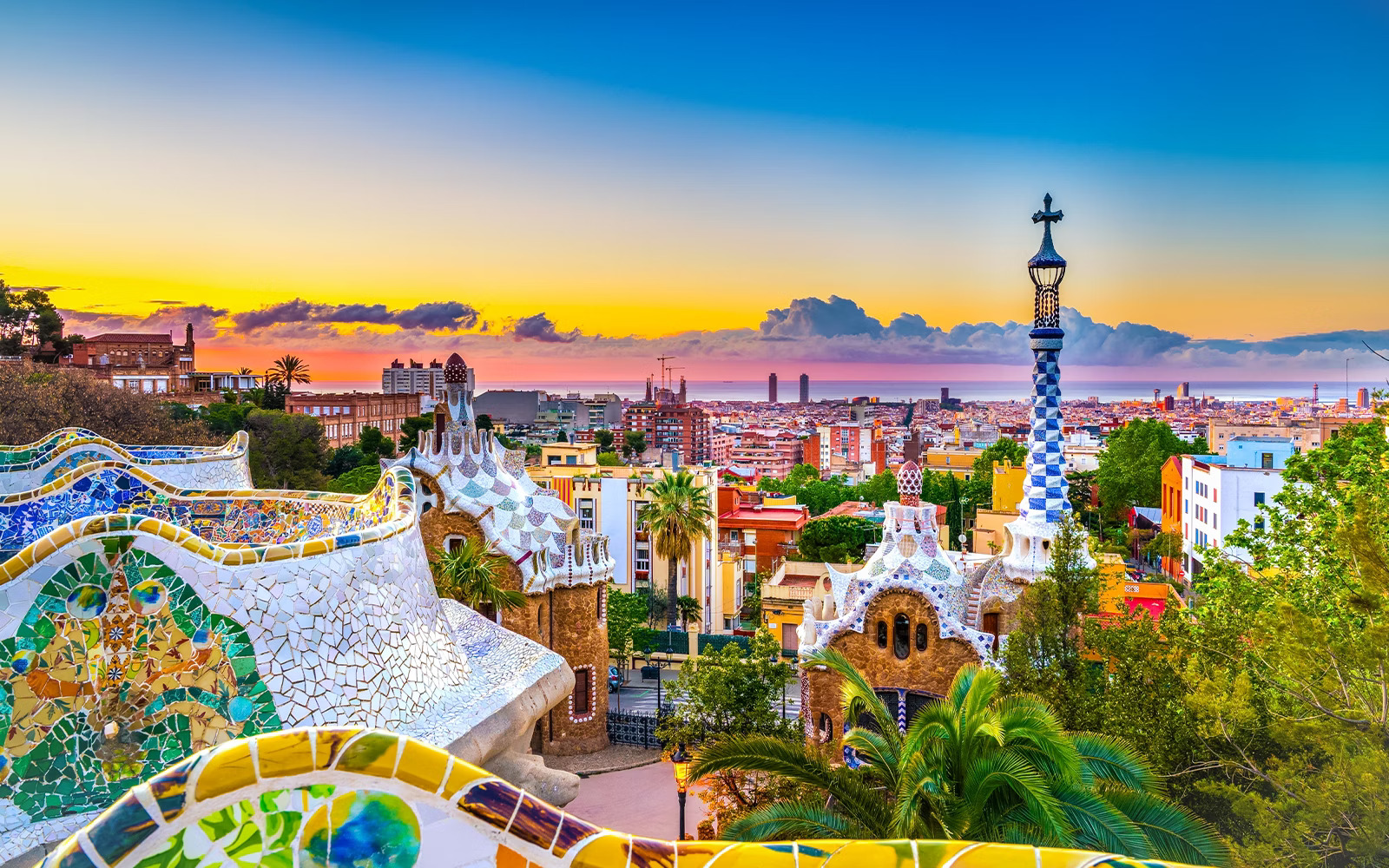
Spain is a country of many holidays in one – historic cities packed with art, laid-back coastal towns, whitewashed villages and volcanic islands in the Atlantic. If you are planning your first (or fifth) trip and trying to decide where to go, this overview of the top destinations in Spain will help you match each region with your travel style, budget and time. For essential background before you book, you can also check Spain Fast Facts, About Spain and Spain Travel Tips.
1. Barcelona – Culture, Coastline and Creative Energy
Barcelona is often the first stop on a Spain itinerary – and for good reason. The Catalan capital mixes Mediterranean beach life with world-class architecture and a famously creative food and design scene.
- Why go: Modernist architecture by Gaudí, lively neighborhoods, urban beaches and a buzzing nightlife scene.
- Best for: First-time visitors, city-break fans, couples and groups of friends.
- Highlights: Sagrada Família, Park Güell, the Gothic Quarter, Barceloneta Beach and the tapas bars of El Born and Poble Sec.
If beach time is your priority, combine Barcelona with ideas from Beaches in Spain for quieter coastal spots along the Costa Brava or Costa Dorada.
2. Madrid – Classic City Break with World-Class Museums
Right in the heart of the country, Madrid is Spain’s capital and a natural hub for flights and train connections. It feels more traditional than Barcelona but has serious cultural weight thanks to its museums, royal palaces and grand boulevards.
- Why go: Art museums, elegant plazas, huge parks and authentic, late-night tapas culture.
- Best for: Museum lovers, foodies, solo travelers and anyone connecting through Spain’s major airports.
- Highlights: Prado Museum, Reina Sofía Museum, Thyssen-Bornemisza Museum, Retiro Park, Plaza Mayor and the Royal Palace.
Madrid also makes a great base for day trips to historic towns like Toledo and Segovia, giving you a taste of central Spain in just a few days.
3. Andalusia – Moorish Palaces and Whitewashed Villages
Southern Spain’s Andalusia region feels like the Spain many travelers imagine: flamenco, orange trees, white villages clinging to hillsides and long, sunny days. Within one region you can experience iconic cities, mountain villages and beach resorts.
- Key cities: Seville, Granada, Córdoba and Málaga.
- Why go: Moorish architecture, historic old towns, tapas culture and warm weather for much of the year.
- Highlights: The Alhambra in Granada, the Mezquita in Córdoba, Seville’s cathedral and Alcázar, plus the Costa del Sol beaches around Málaga.
Andalusia is ideal if you want to combine culture with sunshine. For more beach ideas along this coast, explore Beaches in Spain, and for practical tips on getting around the region, see the Spain Transportation Guide.
4. Valencia & the Costa Blanca – Paella, Beaches and Modern Design
Valencia sits roughly halfway between Barcelona and Andalusia, combining a historic old town with broad sandy beaches and futuristic architecture at the City of Arts and Sciences. Just down the coast, the Costa Blanca offers classic Mediterranean resort towns and smaller coves.
- Why go: Authentic paella, relaxed city-beach vibe, bike-friendly streets and easy access to coastal resorts.
- Best for: Families, couples and travelers driving or taking the train along Spain’s eastern seaboard.
- Highlights: Valencia’s old town, Turia Gardens, City of Arts and Sciences, and coastal towns such as Dénia, Jávea or Altea.
Food-lovers heading to this region should also check Food & Drinks in Spain for classic dishes, local wines and market tips.
5. The Balearic Islands – Mallorca, Menorca and Ibiza
Just off Spain’s east coast, the Balearic Islands offer very different experiences despite being relatively close together. Mallorca mixes beaches with mountain villages, Menorca is quieter and more family-oriented, while Ibiza is world-famous for nightlife but also has a surprisingly calm, rural side.
- Mallorca: Ideal if you want variety – beaches, hiking in the Serra de Tramuntana, charming towns like Sóller and Deià, and a lively capital in Palma.
- Menorca: Best for families and travelers looking for low-key coves, clear water and relaxed evenings by the sea.
- Ibiza: Known for clubs and sunset bars, but also has peaceful rural fincas, yoga retreats and quiet beaches away from the party zones.
For more on Spain’s coastal lifestyle and beach choices, complement this section with Beaches in Spain. If nightlife is a priority, read Spain Nightlife for more ideas beyond Ibiza.
6. The Canary Islands – Volcanic Landscapes and Winter Sun
Off the northwest coast of Africa, the Canary Islands offer year-round sunshine and dramatic volcanic scenery. Each island has its own character, making the archipelago a flexible destination whether you want hiking, family resorts or quiet coastal villages.
- Tenerife: Home to Spain’s highest peak, Mount Teide, and a wide choice of resorts along the south and west coasts.
- Gran Canaria: Known for its varied landscapes – sand dunes, green valleys and a cosmopolitan capital, Las Palmas.
- Lanzarote & Fuerteventura: Great for windsurfing, volcanic scenery and long beaches with plenty of space.
The Canary Islands are particularly popular in winter when much of mainland Europe is cold. If you are planning an island-hopping trip, the Spain Transportation Guide and Spain Airports pages can help you compare flight and ferry options.
7. The Basque Country – San Sebastián and Bilbao
In northern Spain, the Basque Country feels distinct from the rest of the country, with its own language, coastal landscapes and world-class food culture. It is an excellent choice if you enjoy cooler temperatures, Atlantic beaches and long, relaxed meals.
- San Sebastián: Famous for its pintxo bars, crescent-shaped La Concha Bay and elegant Belle Époque architecture.
- Bilbao: Once an industrial city, now revitalized by the Guggenheim Museum, riverside promenades and a strong cultural scene.
This region is particularly rewarding for travelers who like to mix food, culture and gentle outdoor activities, such as coastal walks or surfing. For more ideas on what to eat and drink while you are there, visit Food & Drinks in Spain.
8. Costa Brava & Girona – Rugged Coast and Medieval Towns
North of Barcelona, the Costa Brava offers a beautiful mix of rocky coves, seaside towns and medieval villages inland. Girona, with its preserved old quarter and riverside houses, is one of the region’s main gateways.
- Why go: Less crowded beaches than many southern coasts, excellent hiking routes and pretty, historic towns.
- Highlights: Tossa de Mar, Cadaqués, the Dalí Triangle (Figueres, Púbol and Portlligat) and Girona’s city walls.
Costa Brava is a good choice if you want a more relaxed feel than Barcelona but still want easy access to an international airport and train connections.
9. Inland Gems – Toledo, Salamanca and More
Beyond the major hubs and coasts, Spain has a number of inland cities that are perfect for adding depth to your itinerary. These destinations are rich in architecture and history, and often feel quieter than the big cities.
- Toledo: A hilltop city south of Madrid with medieval walls, narrow streets and a blend of Christian, Jewish and Islamic heritage.
- Salamanca: A lively university city with golden-stone buildings and one of Europe’s most beautiful plazas.
- Córdoba: Famous for its Mezquita mosque-cathedral and charming courtyards filled with flowers.
These inland destinations are easy to reach by train or bus. Before you plan connections and travel times, it is useful to review the Spain Transportation Guide.
Planning Your Route Through Spain
With so many attractive destinations, the hardest part of planning a trip to Spain is often deciding what to skip. First, think about the season and your priorities:
- Summer: Focus on coastal areas, islands and mountain regions where you can escape the heat.
- Spring and autumn: Ideal for city breaks in Madrid, Barcelona and Seville, as well as road trips through Andalusia or northern Spain.
- Winter: Consider the Canary Islands for sunshine, or enjoy a quieter, more cultural trip in the main cities.
Once you have chosen your key destinations, use Spain Map, Spain Airports and the Spain Transportation Guide pages to connect the dots. For accommodation suggestions that match your route and budget, you can also visit Accommodation in Spain.
However you design your itinerary, Spain makes it easy to combine several very different experiences in a single trip – from art-filled cities and tiny tapas bars to quiet coves, mountain villages and volcanic islands.