
SPAIN TRAVEL GUIDE
Spain Food & Drink
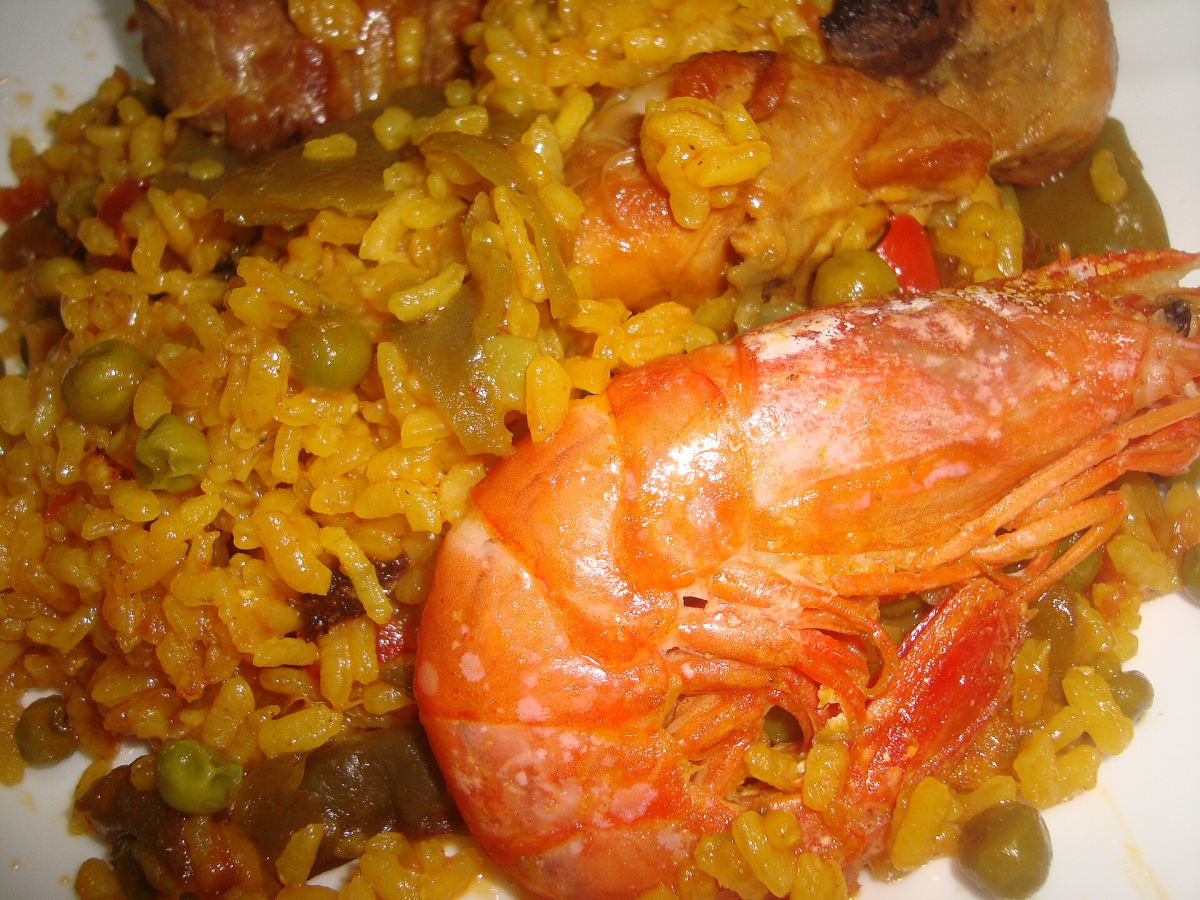
Spain is one of the most diverse and fascinating culinary destinations in the world. From the seafood-rich Atlantic north to the olive oil–driven south, from Basque pintxos to Valencian rice dishes and from Catalonia’s creative cuisine to Andalusia’s refreshing cold soups, every region has its own flavors, ingredients and traditions. Eating in Spain is more than nourishment – it is a reflection of history, geography, social culture and community.
This guide explains regional dishes, dining styles, meal planning and questions to ask before ordering. It is an editorial planning guide rather than a record of personal restaurant visits.
Choose the region before planning a culinary route. Use Map & Regions for the geography and Shopping for products you might bring home.
How Spanish Dining Culture Works
Spanish food culture is deeply social. Meals are seen as a moment to slow down, share and enjoy. The day revolves around a relaxed meal rhythm that is very different from northern Europe or the United States.
- Breakfast (Desayuno): Simple – coffee, toast with tomato (tostada con tomate), pastries.
- Midday snack: Around 11:00 – bocadillo, tortilla slice, or small pastry.
- Lunch (Comida): 13:30–15:30 – the most important meal, often 2–3 courses.
- Tapas time: Late afternoon or pre-dinner.
- Dinner (Cena): 21:00–23:00 – lighter than lunch.
Meals are rarely rushed. A typical lunch can last over an hour, especially on weekends. In many regions – especially the south and center – outdoor dining in plazas, terraces and streets is part of daily life. The quality of ingredients is central: olive oil, tomatoes, onions, peppers, almonds, citrus fruits, legumes and fresh seafood shape the core of Spanish cooking.
Iconic Spanish Dishes: What Every Traveler Should Try
Paella & Rice Dishes
Paella is closely associated with Valencia, while rice dishes across Spain have varied preparations. Choose a dish from its ingredients and preparation rather than assuming all paella is seafood-based.
Tortilla Española
A simple but beloved dish made of eggs, potatoes and often onions. In Madrid, tortilla is thick and creamy inside; in Galicia or Asturias, it may be firmer. Small bars often serve it as a tapa.
Jamón Ibérico
Jamón ibérico is cured ham with different categories and production descriptions. Read the label or menu rather than assuming all ibérico is acorn-fed or aged for the same period.
Pulpo a la Gallega
Galicia’s iconic octopus dish, served with olive oil, paprika and tender potatoes. Found in both coastal towns and traditional pulperías.
Pintxos
The Basque Country’s answer to tapas – beautifully crafted small bites served on bread or skewers. Pintxos bars in San Sebastián’s Parte Vieja and Bilbao’s Casco Viejo are world-famous.
Gazpacho & Salmorejo
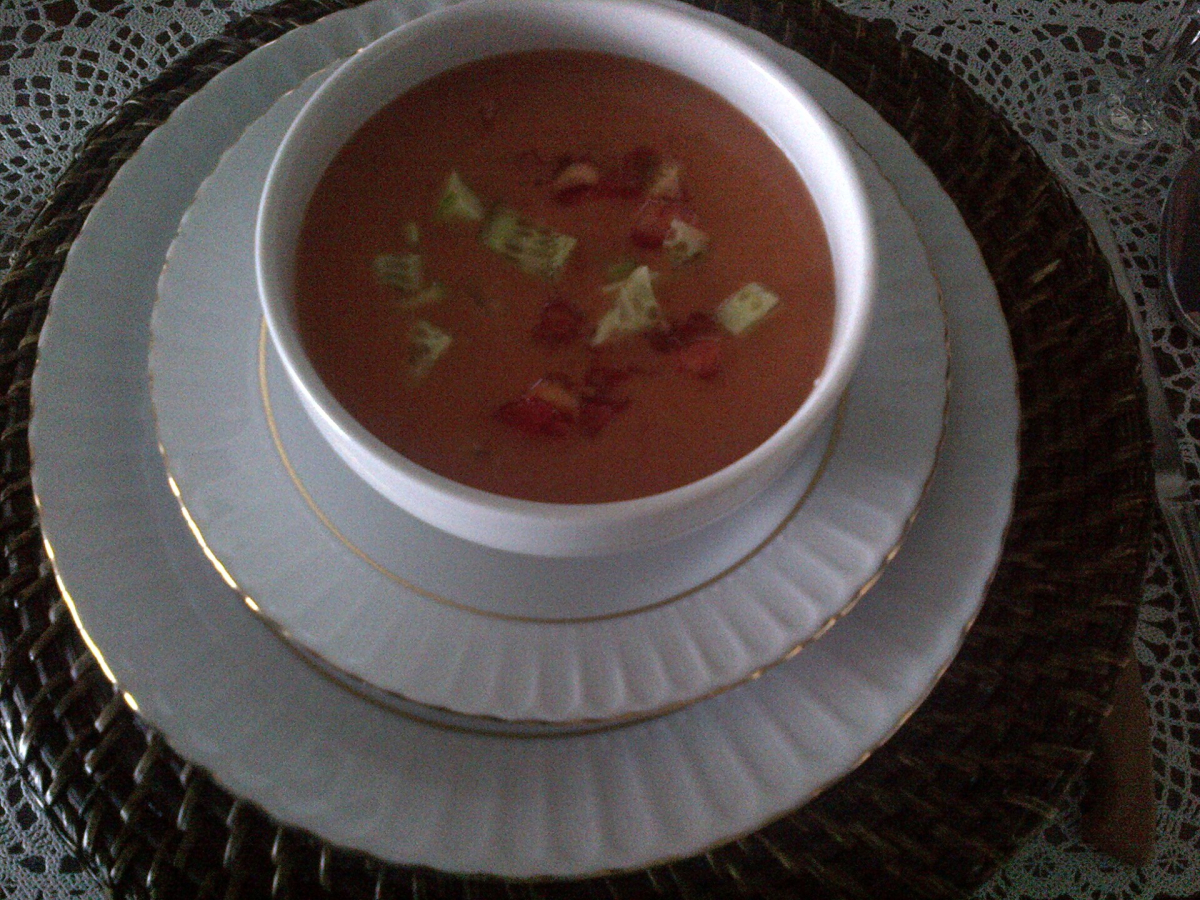
Cold soups perfect for southern Spain’s long summers. Gazpacho is lighter and vegetable-forward; salmorejo from Córdoba is thick and creamy, topped with egg and ham.
Fresh Seafood
Spain’s coastal culture ensures outstanding seafood. In the north, expect hake, sardines, octopus, mussels and razor clams. On the Mediterranean, grilled fish and shellfish dominate, while Andalusia’s fritura (lightly fried fish) is iconic.
Regional Culinary Traditions Across Spain
Spanish cuisine changes dramatically from one region to another. Understanding regional flavor profiles helps travelers make better food choices.
Catalonia
Known for creative Mediterranean cuisine. Signature flavors include roasted vegetables, romesco sauce, seafood stews and grilled meats. Barcelona is a mix of local Catalan dishes and contemporary gastronomy.
Basque Country
A global culinary destination. Known for pintxos, grilled fish, cod dishes, cider houses and Michelin-starred fine dining. San Sebastián alone has multiple 3★ restaurants.
Andalusia
Light, fresh and refreshing dishes dominate – gazpacho, salmorejo, fried fish and cold tapas. Olive oil from Jaén is world-renowned.
Valencia & Eastern Spain
Rice culture is central – paella, baked rice, seafood rice stews and black rice (arroz negro). Citrus, seafood and vegetables define the cuisine.
Galicia & Atlantic Coast
Outstanding seafood: octopus, mussels, hake, barnacles (percebes) and clams. Galician food tends to be simple, honest and ingredient-focused.
Castile & Central Spain
Heartier dishes like roast lamb, cochinillo (roast suckling pig), chickpea stews and game meats. Central Spain’s cold winters influence its rich, warming cuisine.
Best Food Cities & Neighborhoods for Travelers
Food experiences are not just regional—they are neighborhood-specific. These districts offer the most authentic meals:
Barcelona
- El Born: Creative tapas, wine bars, modern Catalan cuisine.
- Gràcia: Local, bohemian, great for small bars and neighborhood restaurants.
- Barceloneta: Seafood near the coast.
- Eixample: Stylish, mid-range and high-end dining options.
Madrid
- La Latina: Tapas streets popular for Sunday lunches.
- Chamberí: Traditional taverns + modern gastro bars.
- Malasaña: Hip cafés, fusion food and small creative kitchens.
- Salamanca: Upscale restaurants and wine bars.
San Sebastián
- Parte Vieja: Legendary pintxos bars.
- Gros: Trendy, surfing crowd + modern pintxos.
Seville
- Triana: Fried fish, riverside tapas.
- Santa Cruz: Classic Andalusian restaurants.
Seafood Culture & Food Markets
Spain’s markets are essential to its food identity. Visiting a market is one of the best ways to experience local food.
Best Food Markets
- La Boqueria (Barcelona): Iconic but touristy—go early.
- Mercado de San Miguel (Madrid): Tapas stands in a historic building.
- Mercado de la Ribera (Bilbao): Excellent seafood and fresh produce.
- San Sebastián Markets: Top-quality fish and shellfish.
Markets are ideal for tasting cheese, olive oil, cured meats, pastries and fresh fruit.
Drinks in Spain: What to Try
Wine Regions
- Rioja: Smooth reds, aged in oak.
- Ribera del Duero: Powerful, fruit-forward red wines.
- Penedès: Sparkling cava region.
- Rías Baixas: Delicious Albariño whites.
- Priorat: Bold, mineral-driven reds.
Cava
Spain’s sparkling wine is crisp and elegant. Served during celebrations or aperitivo.
Sidra (Cider)
Popular in Asturias and the Basque Country. Often poured from a height to aerate the drink.
Vermut
A major trend in Madrid and Catalonia – served with olives and potato chips as a pre-lunch drink.
Txakoli
A Basque specialty – slightly sparkling, light and perfect with seafood.
Coffee Culture
Coffee is an essential part of daily life. Common orders include:
- Café solo: Espresso.
- Café con leche: Espresso with milk.
- Cortado: Espresso “cut” with a little milk.
- Carajillo: Coffee with liquor.
Compare the Cost of a Meal
Compare the actual menu for your dates and venue. A tapa, a shared ración, a set lunch and a tasting menu are different purchases. Ask about portion size, drinks, bread, supplements and any reservation charge before comparing totals. For payment and tipping, use Spain’s official money guidance.
Food Etiquette & Tips
- Sharing food is normal.
- Meals start late.
- Tapas are often eaten standing.
- Rice dishes are often a lunch choice, but the service time alone does not establish quality.
- Tipping is optional; there is no fixed national percentage that every visitor must leave.
For more practical guidance, check Travel Essentials.
Types of Restaurants in Spain
Spanish restaurant culture is wide-ranging. Here are the main types you’ll encounter:
1) Tapas Bars
The heart of Spanish dining. Tapas bars are lively, informal and often packed. Locals move from bar to bar, ordering one or two small dishes and a drink. Standing at the bar is normal — it’s where you’ll see the real energy of the place.
2) Pintxos Bars (Basque Country)
Pintxos are beautifully prepared small bites served on bread or skewers. They are more elaborate than tapas and often displayed on the bar counter. San Sebastián and Bilbao are world capitals of pintxos culture.
3) Traditional Taverns (Tabernas)
Family-owned restaurants serving regional dishes like cocido madrileño, fabada asturiana, bull stew, roast lamb, Andalusian fried fish or Catalan soups. Expect slow-cooked meals and classic flavors.
4) Asadores (Roast Houses)
Specialize in roast lamb, suckling pig and grilled meats. Common in Castile, Segovia and northern regions.
5) Seafood Restaurants
Found on all coasts: Galicia (octopus, razor clams), Basque Country (grilled fish), Andalusia (fried fish), Valencia (seafood rice), Catalonia (suquet stew).
6) Gastrobars
Modern, creative and affordable alternatives to fine dining. Young chefs experiment here, blending tradition and innovation.
7) Michelin-Star Restaurants
Compare individual restaurants through the current Michelin Guide, then check the venue’s menu, price and reservation conditions.
8) Chiringuitos (Beach Restaurants)
Informal seaside restaurants serving grilled fish, paella, seafood and drinks. Open-air, relaxed and great for families.
Michelin-Star Dining in Spain
Spain is a global leader in fine dining, known for creativity and ingredients-first philosophy.
Main Michelin Hotspots
- San Sebastián: Compare individual restaurants and their current menus and reservations.
- Barcelona: Modern gastronomy and Catalan innovation.
- Madrid: Classic fine dining + modern fusion.
- Basque Country: Strong tradition of culinary excellence.
Check the restaurant’s current menu, price, supplements and cancellation conditions before reserving.
Restaurant Etiquette in Spain
- Reservations: Recommended for dinner, especially weekends.
- Bill (La cuenta): You must ask for it; it won’t be brought automatically.
- Sharing: Very common — many dishes designed for sharing.
- Tipping: Optional; check the bill and choose an amount you are comfortable leaving.
- Water: Ask what drinking water the venue provides.
For more advice on dining, safety and money, check Travel Essentials.
Dietary Needs: Ask About the Actual Dish
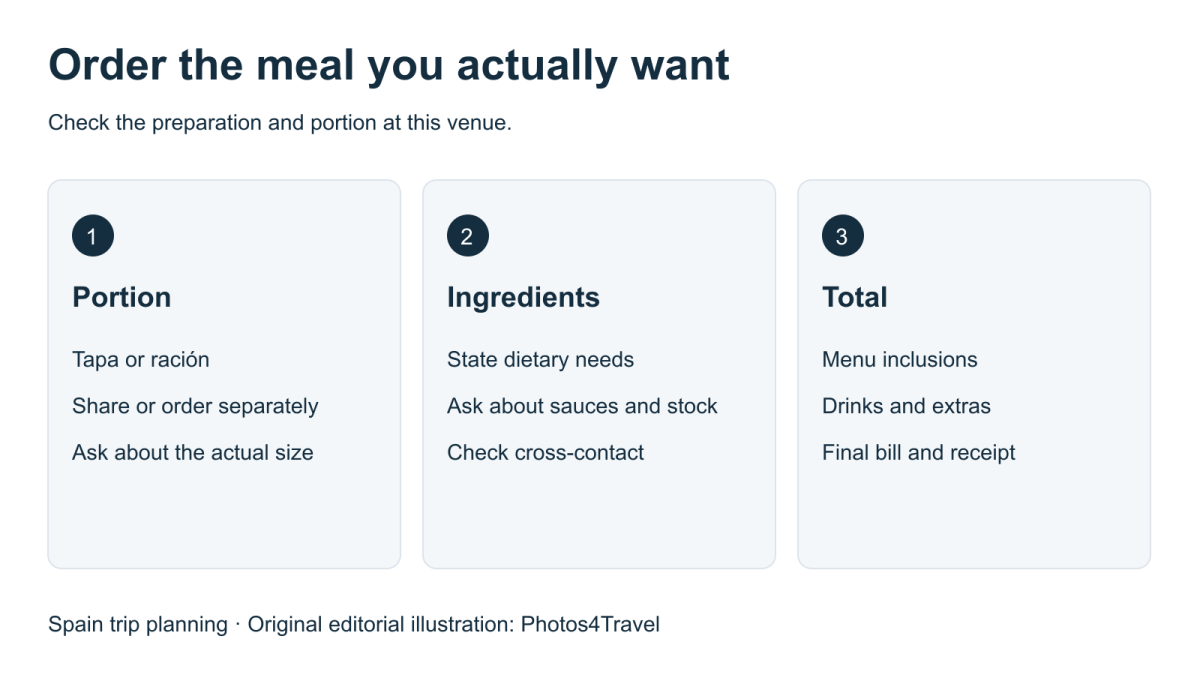
Tell staff about an allergy or intolerance before ordering. Ingredients can change between kitchens, and a familiar dish name does not establish that it is suitable. Bread, sauces, stock, garnishes and shared preparation surfaces can matter as much as the main ingredient. Ask for the venue's allergen information and explain whether you need to avoid cross-contact. If the answer is unclear, choose a meal that the kitchen can describe reliably.
Spain's official healthcare guidance recommends telling food providers about dietary requirements and explains allergen information. For a vegetarian meal, check whether a soup uses meat stock or a vegetable dish includes ham or seafood. For vegan dining, ask about eggs, dairy and sauces. In a small town with limited late-opening choices, plan the main meal earlier rather than relying on finding a suitable kitchen at the end of the evening.
Compare portion sizes before ordering several dishes. A tapa, media ración and ración may serve different numbers of people, and the exact size depends on the venue. Ask whether bread, drinks and dessert are included in a menú del día. An evening rice dish is not automatically poor quality; judge the menu and preparation rather than treating the time of day as proof of a tourist trap.
For regional culinary ideas, use Spain’s official gastronomy guide, then check the actual venue’s current menu and reservation terms. For payment and tipping, see the official money guidance.

.jpg)
