
Beaches in Spain
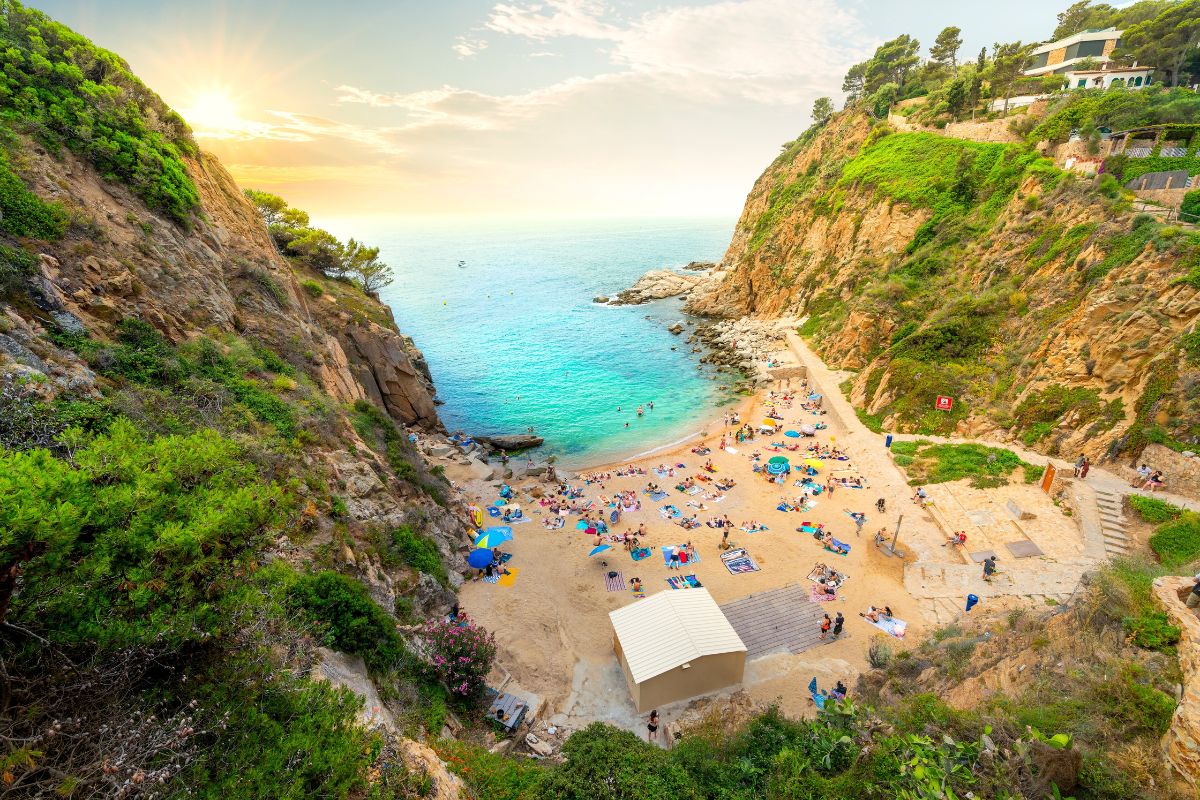
Spain has some of Europe’s most varied and beloved coastlines. From the rocky coves of the Costa Brava and the endless sands of the Costa de la Luz to the volcanic shores of the Canary Islands and the turquoise coves of the Balearic Islands, you can find almost every kind of beach here. Whether you want a lively city beach, a quiet family bay, a surf spot with Atlantic swells or a hidden cove reached by a coastal path, there is a place in Spain that fits your travel style.
This guide gives a practical, experience-based overview of Spain’s main beach regions, the different types of beaches you will find, the best time to go, typical costs and local etiquette. It is part of our Spain travel cluster and works together with Top Destinations in Spain, Spain Weather, Accommodation in Spain, Spain Travel Tips and Food & Drinks in Spain.
Why Spain’s Beaches Are So Popular
Spain combines reliable sunshine, warm seas, easy access and strong beach infrastructure. Many beaches are well served by public transport, have lifeguards in summer, offer sunbed and umbrella rentals and are lined with seaside promenades, cafés and chiringuitos (beach bars). At the same time, there are still plenty of wild stretches of coast where you can walk for a while and find a quiet cove to yourself.
The country also has two very different seas – the warmer, calmer Mediterranean and the wilder, cooler Atlantic Ocean – plus island groups with their own microclimates. This makes Spain attractive not only for classic beach holidays, but also for spring and autumn escapes, winter sun in the Canary Islands and active trips that combine hiking, surfing and swimming.
Main Coastal Regions & Beach Areas in Spain
While there are thousands of named beaches, most travelers focus on a few major coastal regions. Understanding the character of each coast helps you pick the one that truly fits your trip.
Costa Brava – Rugged Coves and Clear Water
North of Barcelona, the Costa Brava is known for rocky cliffs, pine-covered slopes and small coves with clear, often turquoise water. Towns like Tossa de Mar, Calella de Palafrugell and Cadaqués offer a mix of beaches, coastal hiking paths and whitewashed old streets. Many coves are reached by short walks, which keeps them quieter than big resort beaches.
Costa Brava works especially well for couples, photographers and travelers who prefer scenery and small hotels over massive resorts.
Costa Blanca – Family-Friendly Sands
The Costa Blanca, around Alicante, Altea and Jávea, offers long sandy beaches, warm seas and a large choice of apartments and hotels. Many beaches have calm water, shallow entry and nearby play areas, making this coast ideal for families and relaxed swimming.
Well-known spots like Benidorm also offer busy promenades, nightlife and high-rise hotels, while smaller towns have a more local, low-key feel.
Costa del Sol – Resorts, Promenades & Nightlife
Centered around Málaga, Torremolinos, Benalmádena, Fuengirola, Marbella and Estepona, the Costa del Sol is one of Europe’s classic resort coasts. Beaches here are generally wide and urban, backed by promenades, restaurants, beach clubs and a long season of warm days.
The area is a good fit if you want reliable sun, easy access, many accommodation options and a mix of beach time and restaurants or nightlife in the evenings. Some stretches are very built-up; if you prefer quieter places, look just outside the main resort centers.
Costa de la Luz – Wild Atlantic Shores
On Spain’s Atlantic side, from Cádiz to Tarifa, the Costa de la Luz feels more open, windy and raw. Long sandy beaches, dunes and pine forests dominate the landscape. The Atlantic brings strong waves and cooler water, which is perfect for surfers, kitesurfers and travelers who like big skies and unspoiled sands.
Tarifa is famous for wind sports, while Zahara de los Atunes and Conil de la Frontera have a more relaxed beach-town atmosphere. This coast suits travelers who prefer more natural settings over urban promenades.
Northern Spain – Green Coasts and Surf Towns
The northern regions of Galicia, Asturias, Cantabria and the Basque Country offer green hills and dramatic cliffs that drop into sandy bays. The water is cooler, but the scenery is outstanding. Cities like San Sebastián combine elegant urban beaches with world-class food, while smaller towns such as Llanes or Ribadesella feel very local.
If you like hiking, road trips, surf spots and less-crowded beaches even in summer, northern Spain is a strong choice.
Balearic Islands – Turquoise Coves & Island Vibes
The Balearic Islands – Mallorca, Menorca, Ibiza and Formentera – are known for coves with bright blue water, pine forests and a more island-like rhythm.
- Mallorca: A mix of family beach resorts, small calas and scenic coastal drives.
- Menorca: Quieter and very family-friendly, with many sheltered coves.
- Ibiza: Famous for nightlife, but also home to peaceful bays and sunset beaches.
- Formentera: Often compared with the Caribbean thanks to its shallow turquoise water and white sand.
These islands work well if you want to combine beach time with boat trips, small towns and good dining. For accommodation ideas, see our Accommodation in Spain guide.
Canary Islands – Volcanic Beaches & Winter Sun
The Canary Islands sit off the northwest coast of Africa and enjoy mild temperatures all year. Beaches range from golden dunes in Fuerteventura and Maspalomas to black volcanic sands in Tenerife and Lanzarote.
The islands are a strong option for winter sun, hiking and active trips. For more focused information, see our full Canary Islands Travel Guide.
Types of Beaches in Spain
Not all Spanish beaches feel the same. Knowing the main types will help you choose the right area for your trip.
Urban Beaches
Many Spanish cities sit directly on the coast, so you can combine a city break with daily swims. Barceloneta in Barcelona, La Malagueta in Málaga and La Concha in San Sebastián are classic examples: sandy beaches with promenades, cafés, showers and lifeguards, usually a short walk or metro ride from the historic center.
Family Beaches
Family beaches typically have gentle waves, shallow entry, playgrounds and easy access to supermarkets and restaurants. Parts of the Costa Blanca, Costa Dorada and Menorca are especially popular for this style of holiday. Look for Blue Flag beaches, which meet specific standards for cleanliness and safety.
Wild & Unspoiled Beaches
In places like the Costa de la Luz, northern Galicia and parts of the Costa Brava, you can still find wild stretches of sand with few facilities. These beaches are beautiful but require more planning: bring water, snacks, sun protection and check local safety information before swimming.
Surf & Watersports Beaches
The Atlantic coasts of northern Spain and the Costa de la Luz are ideal for surfing, kitesurfing and windsurfing. Towns like Tarifa, Somo, Zarautz and Pantín have surf schools, board rentals and a more sporty atmosphere. Conditions vary with the season, so it is worth checking forecasts if surfing is your main reason for visiting.
Party & Sunset Beaches
Some beaches are known for their social scene as much as their sand. In Ibiza, certain bays combine daytime swimming with sunset bars and beach clubs. On parts of the Costa del Sol and in some Balearic spots you will find beach clubs with DJs, cocktails and loungers. If you prefer quiet evenings, you can still find calmer nearby beaches within the same region.
When Is the Best Time to Go to the Beach in Spain?
For most Mediterranean coasts and the Balearic Islands, the main beach season runs from late May to early October, with the warmest water in July, August and early September. Spring and autumn can still be pleasant for walks and sunshine, even if the sea is cooler.
Northern Spain’s beach season is shorter, roughly from June to early September, and the water is typically cooler than in the south. The Canary Islands are different: you can often swim year-round, with the sea warmest from late summer to early autumn.
For a month-by-month overview of temperatures and sea conditions, see our dedicated Spain Weather guide.
Beach Etiquette & Safety Tips
Spain’s beach culture is relaxed, but there are a few local habits and safety signals worth knowing:
- Flags: Green means safe to swim, yellow signals caution, red means no swimming due to strong waves or currents. A purple or similar flag sometimes indicates jellyfish.
- Sunbeds & umbrellas: On many beaches you can rent a lounger and umbrella by the day or half-day. Prices vary but are often around €10–€20 for a set.
- Topless sunbathing: Common and accepted on many Spanish beaches, especially along the Mediterranean and islands.
- Nudist beaches: Some beaches are officially or traditionally nudist (“playa nudista”). Signs usually indicate this; if in doubt, observe what locals do and respect local norms.
- Respect the environment: Take all rubbish with you, avoid trampling protected dunes and follow local rules about dogs on the beach.
For more general safety and practical advice, you can also check Spain Travel Tips, which covers money, transport, health and local customs.
Typical Beach Costs & Budgeting
Beyond accommodation, it is useful to plan for daily beach-related expenses:
- Sunbed & umbrella rental: Often €5–€10 each, or €12–€20 for a pair with shade, depending on location and season.
- Snacks & drinks: Expect to pay more on the beachfront than one or two streets back. Simple lunches at chiringuitos might cost €10–€20 per person.
- Parking: In high season, parking near popular beaches can be challenging; some areas have paid parking zones.
- Activities: Kayak or paddleboard rentals, boat trips and guided excursions add to the daily budget, but also give you access to quieter coves.
How to Choose the Right Beach Area for Your Trip
With so many coasts, it helps to match your personality and travel goals with the right part of Spain:
- For classic sun-and-sea holidays: Look at Costa Blanca, Costa del Sol and the Balearic Islands.
- For scenery & hiking: Consider the Costa Brava, northern Spain or a combination of coastal and inland stays.
- For nightlife & social beaches: Certain parts of Ibiza, Barcelona’s city beaches and more developed areas of the Costa del Sol will suit you.
- For families: Focus on shallow, calm beaches in Valencia, Alicante, parts of Mallorca and Menorca.
- For winter sun: The Canary Islands are the most reliable choice.
To decide where to base yourself, it can be helpful to combine this page with Top Destinations in Spain and our Accommodation in Spain guide, which explains different areas and hotel styles in more detail.