
Sign in
For Photos4Travel editors and team members.
Caribbean · Cayman Islands guide
Cayman Islands Travel Guide: Choose Your Island and Plan a Better Trip
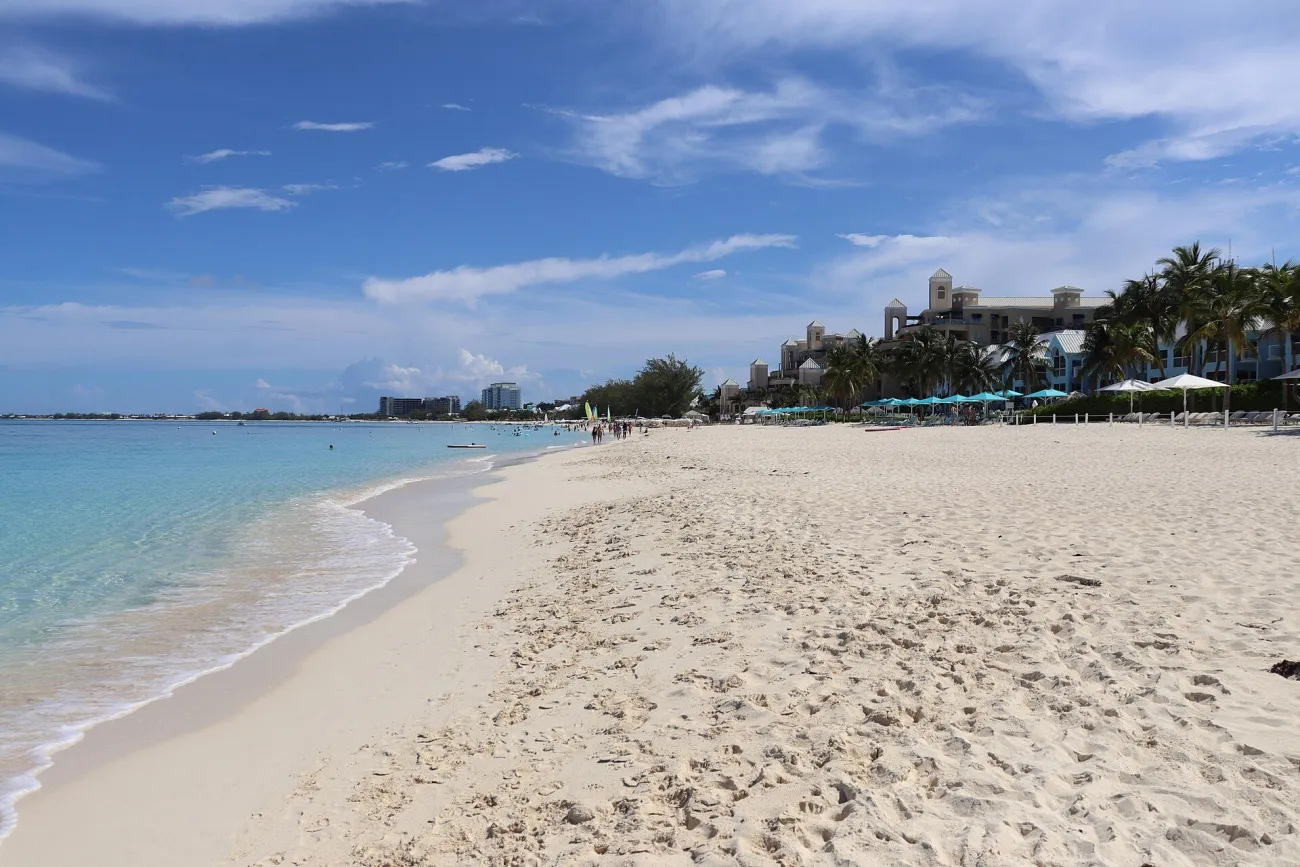
A good Cayman Islands holiday starts with two decisions: which island to sleep on, and how much moving around you want to do. Grand Cayman combines the widest choice of places to stay, beaches, restaurants and excursions. Cayman Brac and Little Cayman reward visitors who want to devote several nights to a smaller island, especially for diving or nature.
For a first week, stay on Grand Cayman and give yourself time for one boat trip, an eastern outing and ordinary beach days. With two or three weeks, a Sister Islands stay becomes easier to fit without spending every other day packing. The plans below include arrival and departure days, count hotel nights explicitly and leave room for weather and flights.
About the Cayman Islands: location, identity and history
The Cayman Islands are a British Overseas Territory in the western Caribbean, south of Cuba and northwest of Jamaica. They are not an independent country and are not part of Jamaica today. The territory comprises Grand Cayman, Cayman Brac and Little Cayman; George Town, the capital, is on Grand Cayman. Use the Cayman Islands map to distinguish the three islands before booking a flight or hotel.
English is the official language, with Caymanian speech and a diverse modern population adding to the islands' character. The Cayman Islands Constitution records the language, while the government's historical overview explains the constitutional relationship with Jamaica and Cayman's decision to remain under the British Crown when Jamaica became independent in 1962.
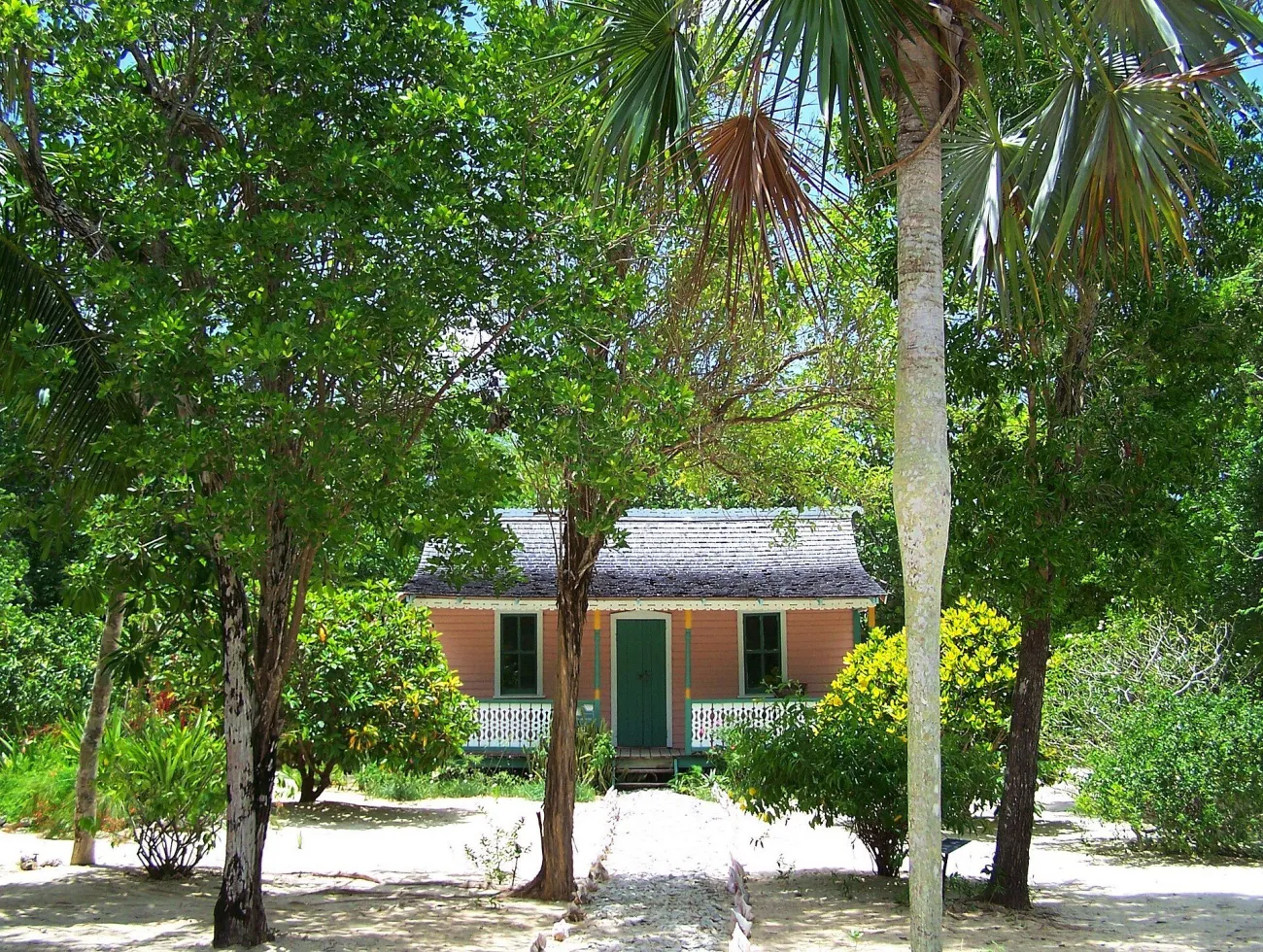
The islands' story is also maritime: seafaring, fishing and the turtle trade helped shape communities long before the modern financial and tourism industries. Make time for the Cayman Islands National Museum in George Town rather than treating the harbour only as somewhere to shop or board a tender. History is easier to understand when the older buildings, household objects and local accounts sit alongside the contemporary resort landscape.
Which Cayman island should you visit?
Swipe or scroll sideways to compare the full table.
| Island | Best fit | Main planning trade-off |
|---|---|---|
| Grand Cayman | A first visit combining beach time, restaurants, excursions and practical choice | Choose the right district; eastern and northern bases need a different transport plan from the western corridor |
| Cayman Brac | Diving mixed with the Bluff, caves and birding | Arrange flights and local transport around a dedicated island stay |
| Little Cayman | A slower diving or nature holiday with fewer daily decisions | Book accommodation, transfers and activities together; services and flight capacity are more limited |
Grand Cayman is the most flexible starting point if your group has different interests or only a week. On the Sister Islands, the attraction is the stay itself. Avoid adding them simply to collect three island names in seven days. A morning flight, transfer, checkout and return flight leave much less time on the ground than the map suggests.
There is no regular ferry connecting the three islands, as Cayman Airways Vacations confirms. Check complete flight routings and baggage conditions before buying a multi-island holiday. A direct flight on one date does not establish a nonstop journey on every date.
Choose your Grand Cayman base before filling the itinerary
The Seven Mile Beach corridor is a practical first-visit choice when beach time and several nearby dining options matter. Compare the exact property position: beachfront, across a road and a longer walk from a public access point are different arrangements. A familiar beach name does not establish the sand width or facilities outside a particular room.
West Bay can work well for a chosen dive operation or quieter accommodation in the northwest. George Town is convenient for town and harbour plans, but assess the actual swimming beach you intend to use. East End and North Side suit visitors who want to spend much of the holiday there, with self-catering, a resort or a particular diving base. They are less convenient if every dinner and boat departure is in the west.
Put your hotel, two likely restaurants and the main excursion meeting point on the map before comparing room prices. Then read the accommodation guide for room categories and the cost guide for tax, mandatory charges and meal inclusions. A cheaper room is not necessarily a cheaper trip once daily transport is added.
What deserves a place in your first Cayman itinerary?
Give Seven Mile Beach enough time to be more than a photograph between transfers. Pair a beach morning with a simple lunch rather than immediately leaving for another corner of the island. Compare conditions and access in the beach guide; a different coast or a land-based outing may be the better choice on the day.
For a North Sound boat trip, decide whether you want Stingray City, snorkelling, a sailing experience or a combination, then check what the particular operator actually includes. Treat rays as wildlife. The Department of Environment regulates the interaction zones and commercial operators. Observation without lifting or handling animals is an easy way to enjoy the encounter while keeping the photograph secondary.
Balance the water with a town and culture day and one eastern outing. The museum, Pedro St. James, the Botanic Park and local food stops offer different reasons to leave the beach; you do not need to fit them all into one day. For full visit decisions, practical approaches and suitable alternatives, use Things to Do. For light, viewpoints and responsible camera use, use Photo Spots.
Cayman Islands itineraries: 7, 10, 14 and 21 calendar days
These are flexible travel plans, not packaged tours. Day 1 is arrival and the final day is departure. The totals are therefore 7 days / 6 nights, 10 / 9, 14 / 13 and 21 / 20. Move individual outings to match flight schedules, opening days and conditions.
For divers: every plan keeps a full day without scuba before any flight, including an inter-island flight. Check the actual elapsed interval since the final dive, your dive computer and the operator's instructions; some diving requires longer. Divers Alert Network's flying-after-diving guidance explains why the interval matters. A short flight is still a flight. Non-divers can use the same days for gentle sightseeing and rest.
7 days / 6 nights: one Grand Cayman base
- Day 1: Arrive, transfer, settle in and have dinner near the accommodation. Keep the first afternoon free of a paid appointment.
- Day 2: Spend an unhurried day on Seven Mile Beach, checking the access and swimming conditions at your chosen stretch.
- Day 3: Take a prebooked North Sound boat trip, with the rest of the day left open.
- Day 4: Make an eastern outing, choosing Pedro St. James or the Botanic Park and a nearby meal rather than a rushed island circuit.
- Day 5: Explore West Bay or use a booked diving day if qualified and conditions suit. Check the last-dive timing against departure.
- Day 6: Keep the entire day free of scuba. Visit George Town, the museum and a food stop, or use it as a weather replacement.
- Day 7: Depart after allowing for the airport transfer and check-in.
10 days / 9 nights: add depth on Grand Cayman
Use one base if you prefer a simple holiday, or make one considered move between west and east. Ten days need not mean a Sister Islands flight.
- Day 1: Arrival and an easy evening.
- Day 2: Seven Mile Beach and orientation.
- Day 3: North Sound boat excursion.
- Day 4: George Town, museum and a waterfront lunch.
- Day 5: West Bay; certified divers can make this an operator-led dive day.
- Day 6: Pedro St. James and an eastern food stop.
- Day 7: Botanic Park or another prebooked nature outing suited to current conditions.
- Day 8: Return to a favourite beach, take photographs or use the weather buffer.
- Day 9: A full day without scuba, with local shopping and a final dinner near your base.
- Day 10: Departure.
14 days / 13 nights: Grand Cayman plus one Sister Island
Spend the first six nights on Grand Cayman. Days 1–6 cover arrival, Seven Mile Beach, a boat trip, a town visit, an eastern outing and a full scuba-free day before flying. On day 7, fly to either Cayman Brac or Little Cayman and settle in for four nights. Use days 8–9 for qualified diving or island nature visits. On Brac, arrange a guided Bluff and lighthouse outing; on Little Cayman, include the Booby Pond reserve viewing platforms. See the Brac land-visit plan and Booby Pond viewing plan before choosing your island. Leave day 10 entirely free of scuba.
Return to Grand Cayman on day 11 for the last three nights. On day 12, revisit a favourite beach or take a gentle photography outing. Keep day 13 free of scuba and use it for a final meal, packing and any weather-displaced land visit. Depart on day 14. The nine Grand Cayman nights plus four Sister Island nights total thirteen; this plan does not imply that every dive resort sells a four-night package.
21 days / 20 nights: all three islands with transfer buffers
This version allocates 11 nights to Grand Cayman, four to Cayman Brac and five to Little Cayman. Confirm the actual inter-island flight pattern before booking accommodation. For a less mobile holiday, keep the same twenty-night total and give the Sister Islands portion to just one island.
Swipe or scroll sideways to compare the full table.
| Day | Plan | Sleep |
|---|---|---|
| 1 | Arrive and settle in | Grand Cayman |
| 2 | Seven Mile Beach orientation | Grand Cayman |
| 3 | North Sound boat trip | Grand Cayman |
| 4 | George Town and museum | Grand Cayman |
| 5 | Eastward heritage visit and local meal | Grand Cayman |
| 6 | West Bay or a chosen beach; optional qualified diving | Grand Cayman |
| 7 | Full day without scuba before flying | Grand Cayman |
| 8 | Fly to Cayman Brac, transfer and settle in | Cayman Brac |
| 9 | Diving if qualified, or a guided Brac Bluff and lighthouse outing | Cayman Brac |
| 10 | Diving if qualified, or caves and island heritage | Cayman Brac |
| 11 | Full day without scuba; gentle island sightseeing | Cayman Brac |
| 12 | Fly to Little Cayman on the confirmed routing | Little Cayman |
| 13 | Booked diving, or Booby Pond reserve viewing platforms and island time | Little Cayman |
| 14 | Booked diving or a slow nature day | Little Cayman |
| 15 | Final planned diving day, or relaxed sightseeing | Little Cayman |
| 16 | Full day without scuba before flying | Little Cayman |
| 17 | Fly back to Grand Cayman and settle into the final base | Grand Cayman |
| 18 | Beach day or weather replacement for a missed outing | Grand Cayman |
| 19 | Photography, local shopping and a chosen dinner | Grand Cayman |
| 20 | Full day without scuba; pack and confirm transfer | Grand Cayman |
| 21 | International departure | No hotel night |
Do not mistake a seven-night dive package for a seven-day stay; seven hotel nights normally occupy eight calendar days. Replace these suggested island splits with the actual package length when needed. Included room, meals, dives and transfers belong in the budget once each. The three cost examples use twenty nights on Grand Cayman, so they are not prices for this three-island route; build this version from your actual flights, island stays, package inclusions and transfers.
When to go, and how to leave room for weather
December to April is a useful starting window for visitors seeking the drier part of the year, while the warmer, wetter months require more flexibility. The official weather overview is a starting point, not a guarantee that the sea will be calm on your chosen date. Winter weather can affect western sea access too.
Book a weather-sensitive boat excursion early enough in the stay to permit a second attempt. Keep a town, museum or food outing available, checking its opening days before treating it as the backup. Do not put every outdoor priority into the final day. Travelling during hurricane season also means reading the exact accommodation and insurance cancellation terms; a destination promotion is not an unconditional refund policy.
For month-by-month choices, seasonal compromises and festival timing, use Weather, Best Time & Events. Buy event tickets only after confirming the year, island, location and transport; an annual festival's old date should not anchor a new trip.
Travel essentials: entry, money, transport and practical decisions
- Entry: Check your own passport, visitor and transit requirements through Customs & Border Control. British Overseas Territory status does not mean every UK visa or visitor entitlement transfers automatically. Use the Visa & Entry guide before buying non-refundable travel.
- Arrival: Match the island to the airport code and arrange the first transfer. A prebooked group bus is different from a scheduled public shuttle. See Airports & Transfers.
- Currency: CI$ means Cayman Islands dollars, not US dollars. Read the final bill and the merchant's conversion. The Money & Costs guide explains the distinction and hotel charges.
- Time: Cayman uses UTC−5 year-round without daylight saving. Cruise passengers should follow their ship's instructions if the clocks differ.
- Getting around: Map the exact routes before choosing a car-free holiday. Buses, taxis and a rental car suit different patterns; see Getting Around.
- Health and sea safety: Choose water activities appropriate to your ability, follow operator advice and check current conditions. Read the Health & Safety guide for practical preparation.
- Meals: Check kitchen equipment and groceries if self-catering; confirm Sunday or holiday opening with the actual business. Restaurant plans and local dishes are in Food & Drink.
Keep one accessible record of the accommodation address, booking currency, transfer contact and next flight. On a multi-island holiday, write each island beside its airport code. These small checks are more useful than memorising a large collection of generic travel tips.
Power and camera charging: the tourism board’s technical FAQ specifies 120 volts, 60Hz and Type A/B sockets. Bring the right plug adapter for equipment from countries with different sockets. Check the input rating on each phone, camera and laptop charger: an adapter changes the connection, not the supply voltage. Chargers marked 100–240V can accept that voltage; other equipment may need a suitable converter.
Phones and mobile data: save local numbers in +1 345 format and check your home network’s Cayman roaming charges before turning data roaming on. Compare visitor SIM/eSIM availability directly with local operators such as Flow and Digicel, checking whether your phone is unlocked and compatible, the data allowance and coverage on the island where you will stay. Download offline maps and save your hotel, transfer and dive-operator contacts before travelling; a data connection should not be your only way to find the meeting point.
Visiting Grand Cayman on a cruise: choose one main outing
A cruise call is a sample of Grand Cayman, not a reason to race around the whole island. Confirm the actual tender landing, last return tender and ship time, then choose either a straightforward town-and-beach day or one well-organised excursion. Leave time for queues and the return journey.
For an independent day, start with a George Town walk and museum visit if open, followed by a beach outing only if the remaining time and return transport are clear. For a boat excursion, confirm how the operator handles a delayed or cancelled port call, where you meet and whether transport to the dock is included. The Port Authority warns that calls and times can change, including because of weather.
Keep the Sister Islands for a longer holiday. A domestic flight or a distant eastern loop can introduce unnecessary moving parts into a short port visit. The ship's own return instructions take priority over the order of sights in any guide.
Shopping: choose something made in Cayman
For a useful shopping stop, consider local food products, a small artwork or a craft whose maker and origin you can identify. Camana Bay's Farmers & Artisans Market is a place to look for locally made goods and produce, but confirm the current event location and hours; older market pages show different seasonal schedules. Ask the stallholder who made the item rather than assuming everything sold at a tourist destination is local.
The National Museum gift shop is another practical stop alongside a George Town visit. Compare a product's size, packaging and suitability for the journey home. Check food and liquid rules for your next country, and leave shells, coral and wildlife products out of casual souvenir collecting. A well-labelled small purchase is easier to carry than an awkward object bought in the last minutes before a transfer.
Responsible travel around the coast and wildlife
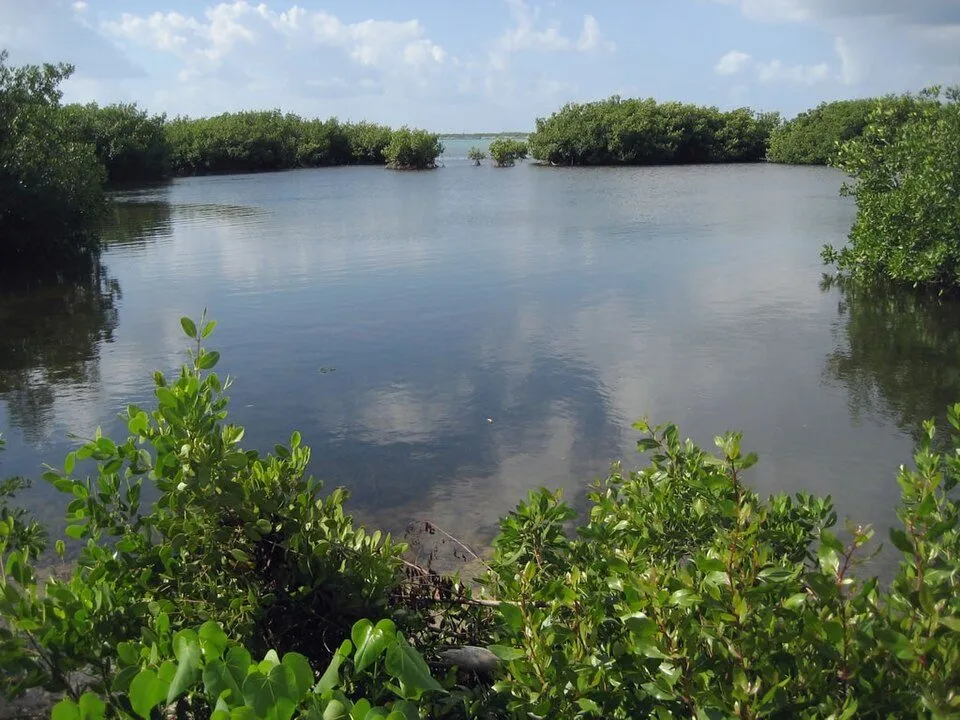
Use signed public shoreline access and respect private land and facilities. A public route to the sea does not include a resort's loungers or pool. The Public Lands Commission's shoreline resources help identify legitimate access across all three islands.
Keep marine wildlife in the water and give it space. Do not lift a starfish to make a photograph or encourage a turtle to approach with food. Choose a permitted operator for Stingray City, follow briefings and ask for an observation-focused visit. The Department of Environment's marine-manners guidance is a better reference than a posed image circulating online.
Buy locally when the product and service suit your trip, carry reusable water containers where practical and take litter away from the shore. At nesting beaches, follow current light and access advice. The best photograph or wildlife encounter is one that does not change the animal's behaviour or require a special exception.
Explore the Cayman Islands guide
Use these topic links to choose the next part of your trip planning.
Travel Tip: Book the island and base first, then the weather-sensitive outing. Leave at least one flexible day and keep a full scuba-free day before every flight.
Cayman Islands travel questions
How many days do I need for a first Cayman Islands visit?
Seven calendar days and six nights give a useful introduction to Grand Cayman. Ten days add room for slower beach time and weather changes. Two or three weeks make a dedicated Sister Islands stay easier to fit.
Are the Cayman Islands an independent country?
No. They are a British Overseas Territory comprising Grand Cayman, Cayman Brac and Little Cayman. George Town on Grand Cayman is the capital.
Which island should I choose if I am not a diver?
Grand Cayman offers the broadest first-visit mix of beaches, food, culture and excursions. Cayman Brac or Little Cayman can suit a deliberate nature-focused stay, with local transport and activities arranged in advance.
Can I visit all three islands in one week?
Flights may make it technically possible, but the transfers take a large share of a short holiday. One Grand Cayman base is a more relaxed first-week plan; allow longer for a proper stay on all three.
Can I dive on the morning of an inter-island flight?
Do not plan that combination. These itineraries keep a full day without scuba before every flight, and the actual required interval must follow your dive profile, computer and operator's guidance.
Is a seven-night package the same as a seven-day trip?
No. Seven hotel nights normally span eight calendar days. Count arrival and departure separately before comparing a package with these day-by-day plans.
Last updated: