
User login
Cayman Islands Weather
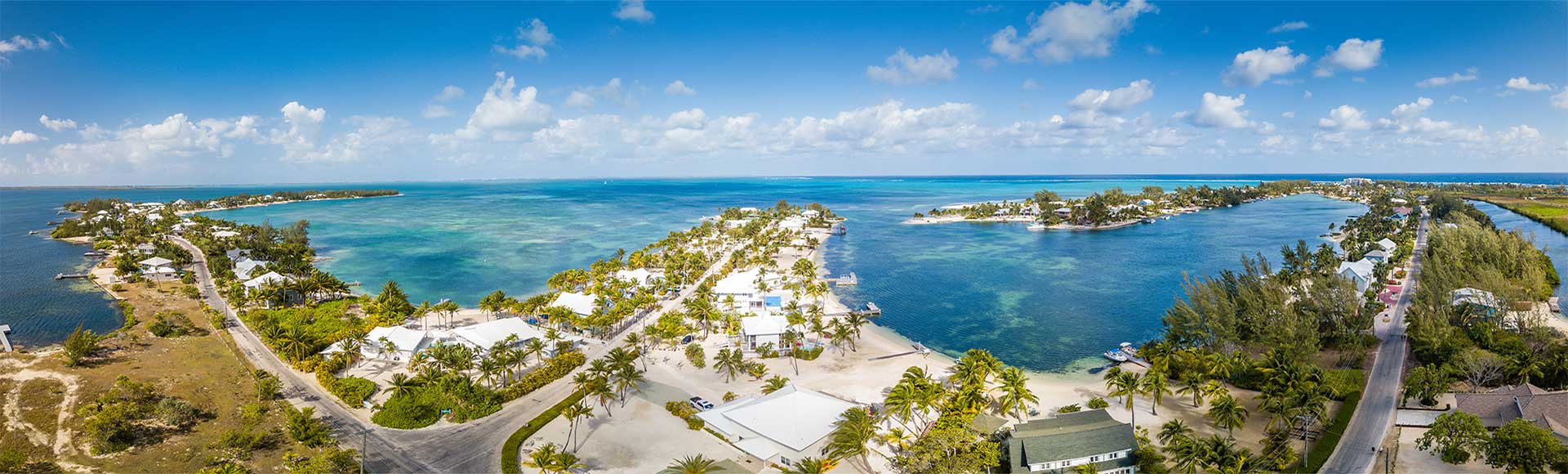
The Cayman Islands enjoy a warm, tropical climate throughout the year, making the country a favorite destination for beach holidays, snorkeling, diving and outdoor adventures. Temperatures remain consistently pleasant, sea conditions are calm and sunlight is abundant, creating ideal conditions for swimming and exploring the islands’ natural landscapes. Understanding the seasonal differences helps you choose the best time for your trip and plan daily activities more efficiently.
If you are just starting your travel planning, you may also want to explore the Cayman Islands Fast Facts for a quick overview of essential information.
1. Overview of Cayman Islands Climate
The Cayman Islands have a tropical marine climate with warm temperatures year-round. Coastal breezes help moderate the heat, creating comfortable days ideal for beach activities. The climate is divided into two main seasons:
- Dry Season: December to April – sunny, low humidity, most popular for tourism.
- Wet Season: May to November – warmer, more humid, with occasional tropical showers.
Despite seasonal variations, the islands remain a reliable warm-weather destination at any time of year.
2. Average Temperatures
Temperatures in the Cayman Islands stay steady, rarely dropping below 24°C (75°F) or rising above 32°C (90°F). The warmest months are June to September, while January and February are slightly cooler.
| Month | Avg High | Avg Low | Sea Temperature |
|---|---|---|---|
| January | 28°C / 82°F | 24°C / 75°F | 27°C / 80°F |
| February | 28°C / 82°F | 24°C / 75°F | 26°C / 79°F |
| March | 29°C / 84°F | 25°C / 77°F | 26°C / 79°F |
| April | 30°C / 86°F | 26°C / 79°F | 27°C / 80°F |
| May | 31°C / 88°F | 27°C / 81°F | 28°C / 82°F |
| June | 32°C / 90°F | 28°C / 82°F | 29°C / 84°F |
| July | 32°C / 90°F | 28°C / 82°F | 29°C / 84°F |
| August | 32°C / 90°F | 28°C / 82°F | 30°C / 86°F |
| September | 32°C / 90°F | 28°C / 82°F | 30°C / 86°F |
| October | 31°C / 88°F | 27°C / 81°F | 29°C / 84°F |
| November | 30°C / 86°F | 26°C / 79°F | 28°C / 82°F |
| December | 28°C / 82°F | 24°C / 75°F | 27°C / 80°F |
3. Dry Season: December to April
The dry season is the most popular time to visit the Cayman Islands. Days are sunny and warm, humidity is low and rainfall is minimal. This period offers perfect conditions for exploring famous attractions such as Seven Mile Beach, Rum Point, Stingray City and the north shore’s snorkeling reefs.
- Best for: beach days, diving, outdoor dining, hiking, photography.
- Expect: higher hotel rates and more visitors, especially around holidays.
If you're planning to divide your stay between different regions of Grand Cayman, check the Cayman Islands Map to understand distances and travel times.
4. Wet Season: May to November
The wet season brings warmer temperatures and higher humidity. Rainfall usually appears in short, localized showers, often followed by sunshine. This season can be a great time to visit for travelers who enjoy quieter beaches, lower hotel prices and lush green landscapes.
- Best for: budget travelers, nature lovers, relaxing beach holidays.
- Expect: occasional showers, warm evenings, greener scenery.
Despite its name, the wet season still offers plenty of sunny hours each day—perfect for snorkeling, paddleboarding and seaside relaxation.
5. Hurricanes & Storm Season
The Atlantic hurricane season officially runs from June to November. While the Cayman Islands have strong infrastructure and modern forecasting systems, visitors should stay informed during these months. Many storms pass far from the islands, and direct impacts are relatively rare.
Most hotels offer weather protection policies, allowing guests to rebook or adjust dates if needed. Travel insurance with weather coverage is also recommended for trips planned during late summer or early autumn.
6. Sea Conditions & Water Temperature
Thanks to consistently warm seas, the Cayman Islands offer excellent conditions for swimming, snorkeling and diving throughout the year. Visibility often reaches 18–30 meters (60–100 feet), making the islands a global favorite for underwater photography and marine exploration.
- Coldest sea temperature: February (26°C / 79°F)
- Warmest sea temperature: August–September (30°C / 86°F)
Many of the best snorkeling areas, including Coral Garden and the shallow lagoons near Rum Point, are accessible year-round.
7. Best Time to Visit the Cayman Islands
The best time to visit depends on your travel style:
- For perfect weather: January–April
- For lower prices: May–June & September–November
- For warm seas: July–September
- For quiet beaches: October–November
Each season offers different benefits, and none limit your ability to enjoy the islands’ beaches, marine life and natural attractions.
8. Monthly Weather Highlights
Below is a quick summary of what to expect month by month:
- January–February: Best overall weather, low humidity, ideal for active travel.
- March–April: Consistently sunny, excellent diving conditions.
- May–June: Warmer days, occasional showers, vibrant greenery.
- July–August: Hot sea temperatures, perfect for snorkeling & water sports.
- September–October: Quiet season, discounted hotels, tropical atmosphere.
- November–December: Transition to dry season, great beach weather returns.
Travel Tip
If you plan to explore multiple parts of Grand Cayman or take day trips to Cayman Brac and Little Cayman, schedule outdoor activities in the morning during the wet season. Rain showers are more common in late afternoon.
9. Continue Planning Your Trip
Now that you understand the climate, you may want to explore: