User login
About the Cayman Islands
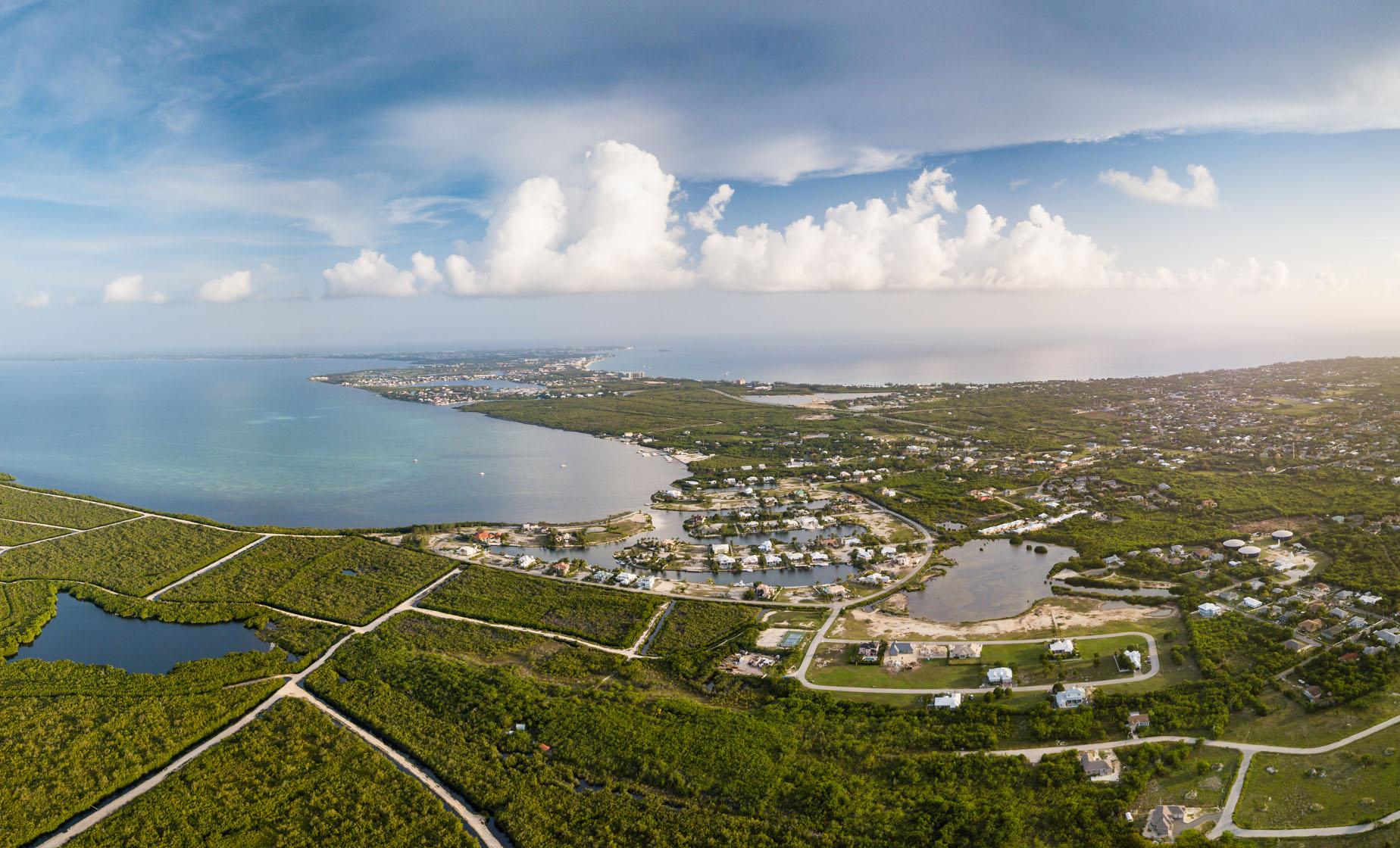
The Cayman Islands are a Caribbean territory consisting of three distinct islands—Grand Cayman, Cayman Brac and Little Cayman—located in the western Caribbean Sea. This page provides background information about the islands’ geography, structure, environment and identity, offering context beyond their role as a travel destination.
Understanding how the Cayman Islands are formed, how they differ from one another and how daily life functions across the islands helps travelers better interpret everything from local culture and infrastructure to transportation, accommodation patterns and environmental priorities.
Geographic Location and Island Structure
The Cayman Islands are situated south of Cuba and northwest of Jamaica, resting on the Cayman Ridge—an underwater mountain range that rises sharply from deep ocean waters. Unlike many Caribbean destinations, the islands are not volcanic. Instead, they are formed primarily from limestone, shaped over time by coral growth and marine processes.
The territory is made up of three islands, each with its own physical character and development level:
- Grand Cayman – the largest and most developed island, home to the capital George Town, the main airport, and the majority of the population.
- Cayman Brac – a smaller, rugged island known for its limestone bluff, quieter communities and strong local identity.
- Little Cayman – the smallest and least populated island, characterized by minimal development and extensive natural areas.
These differences shape how each island functions socially, economically and environmentally, creating a diverse structure within a compact territory.
Natural Environment and Marine Setting
The Cayman Islands are surrounded by deep, clear waters and extensive coral reef systems that begin close to shore and drop rapidly into the open ocean. This steep underwater topography plays a major role in the islands’ marine biodiversity and coastal conditions.
Coral reefs, seagrass beds and mangrove ecosystems form the foundation of the local environment. These systems support marine life, protect shorelines from erosion and influence fishing traditions, conservation policies and coastal development planning.
On land, vegetation ranges from coastal palms and dry forest to protected wetlands and inland reserves. Due to limited freshwater sources and fragile ecosystems, land use and construction are closely regulated across much of the territory.
Cultural Identity and Island Life
Caymanian culture has been shaped by centuries of seafaring, fishing and overseas trade, combined with influences from the wider Caribbean and British governance. English is the official language, and daily life reflects a blend of Caribbean informality and structured civic organization.
While Grand Cayman operates as a modern, internationally connected island, Cayman Brac and Little Cayman retain a more traditional pace of life, with smaller communities and stronger local ties. This balance between global connectivity and local identity is a defining characteristic of the Cayman Islands.
Community life places strong emphasis on environmental stewardship, safety and public order—factors that affect everything from tourism management to transportation systems and urban planning.
Governance and Infrastructure
The Cayman Islands are a British Overseas Territory with internal self-governance. Public services, infrastructure and regulatory frameworks are generally well developed, particularly on Grand Cayman, where roads, healthcare facilities and transportation networks are concentrated.
Inter-island connections are maintained through domestic flights, while international access is primarily handled through Grand Cayman’s main airport. Infrastructure development is guided by environmental considerations, reflecting the islands’ limited land area and ecological sensitivity.
Why Context Matters for Travelers
Knowing how the Cayman Islands are structured helps travelers understand practical differences between islands, including accommodation availability, transportation options and daily services. It also explains why certain areas are more developed, why environmental protections are visible, and why travel experiences vary across the territory.
This background context complements more detailed travel-focused sections such as attractions, activities, beaches and transportation, allowing visitors to plan with a clearer understanding of how the islands function as a whole.
For a general introduction to visiting the destination, see the main Cayman Islands Travel Guide. For practical planning, explore related sections such as Fast Facts, Maps and Travel Tips.