
Sustainable Tourism in the Cayman Islands
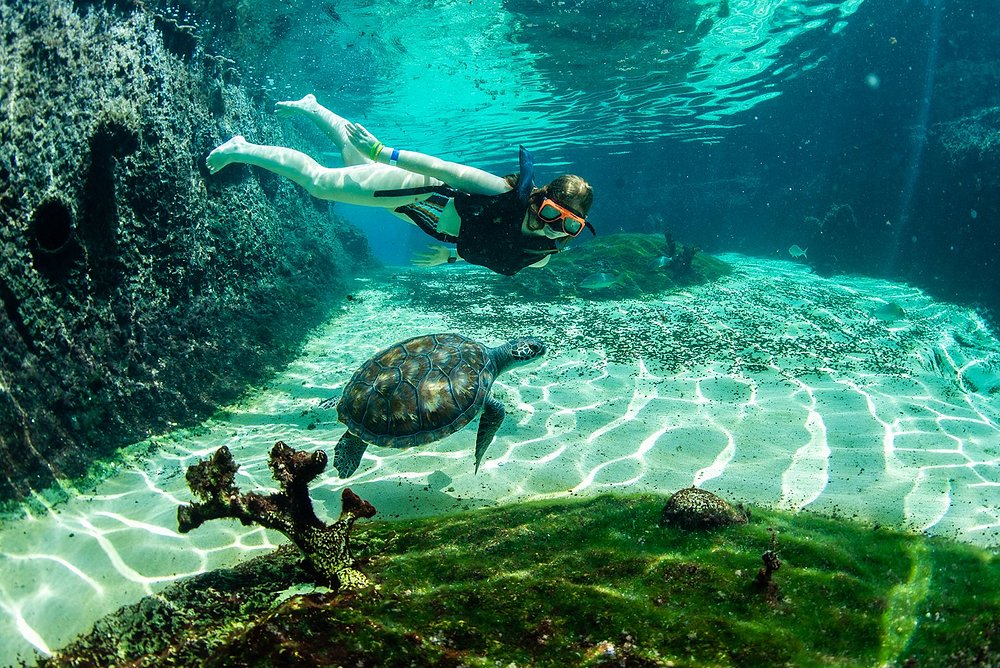
The Cayman Islands are world-renowned for their clear turquoise waters, vibrant coral reefs, pristine beaches and unique wildlife. As tourism continues to grow, the islands place strong emphasis on sustainable travel practices to preserve their natural environments and cultural identity. Whether you’re exploring marine parks, hiking nature trails or enjoying local cuisine, there are countless ways to experience the islands responsibly.
This guide highlights eco-friendly tips, conservation projects, protected areas and practical suggestions for traveling sustainably across Grand Cayman, Cayman Brac and Little Cayman. If you’re planning your trip and want an overview of attractions, the Things to Do in the Cayman Islands page is a helpful companion.
1. What Makes the Cayman Islands Unique Environmentally?
The islands have a fragile yet diverse ecosystem shaped by coral reefs, mangrove forests, coastal lagoons and limestone landscapes. These natural habitats support marine life such as stingrays, sea turtles, reef fish, sharks and iguanas—many of which depend on protected environments for survival.
Environmental preservation is central to Caymanian culture, and sustainable tourism helps protect these ecosystems for future generations.
2. Marine Parks and Protected Waters
Large sections of the Cayman Islands are designated as Marine Protected Areas (MPAs). These zones regulate fishing, diving, anchoring and boating to ensure reefs remain healthy and marine life continues to thrive.
- Grand Cayman Marine Parks – include popular reef and wall diving sites.
- Cayman Brac Marine Park – protects diverse coral ecosystems and underwater walls.
- Little Cayman’s Bloody Bay Marine Park – one of the world’s most famous diving locations.
Visitors can enjoy snorkeling and diving responsibly by following established guidelines and respecting underwater wildlife.
3. Coral Reef Conservation
Coral reefs are essential to the Cayman Islands’ environmental health and tourism appeal. Local organizations and dive operators partner with government agencies to restore damaged reefs, eliminate invasive species like lionfish and promote reef-safe tourism.
The use of reef-safe sunscreen is strongly encouraged to avoid chemical harm to coral systems.
4. Sustainable Diving & Snorkeling Practices
The Cayman Islands are a global diving destination. To support marine conservation:
- Avoid touching corals or standing on reefs.
- Maintain proper buoyancy to avoid accidental contact.
- Do not pursue or feed marine animals.
- Choose eco-certified dive operators.
Many local dive shops participate in lionfish removal programs and reef clean-up days, allowing travelers to contribute directly to conservation.
5. Protecting Wildlife & Endangered Species
From sea turtles to the endemic Blue Iguana, the Cayman Islands are home to rare species. Conservation centers, including the Cayman Turtle Centre and Blue Iguana Conservation Facility, lead preservation efforts through breeding programs, habitat restoration and public education.
6. Mangrove Preservation
Mangroves play a critical role in protecting coastlines, supporting marine nurseries and filtering water. Guided kayak tours in Grand Cayman’s mangrove forests help travelers understand their environmental importance while minimizing impact.
7. Sustainable Hospitality & Eco-Friendly Stays
Many resorts and boutique hotels in the Cayman Islands implement sustainable practices such as:
- Energy-efficient lighting and appliances
- Water conservation systems
- Eco-friendly cleaning products
- Plastic reduction initiatives
- Locally sourced food programs
When choosing where to stay, consider options that support community initiatives and environmental protection. For location insights, see the Where to Stay guide.
8. Responsible Travel Tips for Visitors
- Use reef-safe sunscreen.
- Bring reusable bottles and bags.
- Support local markets and family-run businesses.
- Respect wildlife boundaries.
- Choose eco-friendly tours and operators.
- Avoid disturbing nesting areas on beaches.
Small actions collectively make a significant difference, helping the islands maintain their natural beauty.
9. Sustainable Dining & Local Cuisine
Eating locally is one of the most enjoyable ways to support sustainable tourism. Many restaurants collaborate with island farmers and fishermen to offer seasonal produce and fresh seafood.
- Look for restaurants that promote local sourcing.
- Choose dishes featuring sustainable fish species.
- Try traditional Caymanian cuisine prepared with regional ingredients.
10. Waste Reduction & Recycling
The Cayman Islands are expanding waste reduction and recycling programs. Visitors can help by minimizing single-use plastics and properly disposing of waste. Many hotels provide recycling bins and sustainable alternatives to plastic water bottles.
11. Eco-Friendly Activities Across the Islands
Many activities align naturally with sustainable travel principles, including:
- Kayaking in mangroves
- Hiking the Mastic Trail
- Birdwatching in protected reserves
- Snorkeling in shallow reefs
- Visiting nature parks and botanical gardens
12. Sustainable Tourism in Cayman Brac
Cayman Brac focuses heavily on nature preservation, particularly its cliffs, trails and marine environments. The island encourages low-impact travel through guided hikes, eco-friendly resorts and local conservation programs.
13. Sustainable Tourism in Little Cayman
With its small population and untouched landscapes, Little Cayman exemplifies eco-friendly tourism. Marine parks and nature areas dominate the island, and visitors are encouraged to travel lightly and respect protected zones.
Travel Tip
Bring a reusable water bottle and reef-safe sunscreen. These two simple choices reduce plastic consumption and help protect the islands’ coral reefs.
14. Continue Planning Your Trip
For additional guidance and inspiration, explore: