
User login
Cayman Islands Food & Drinks
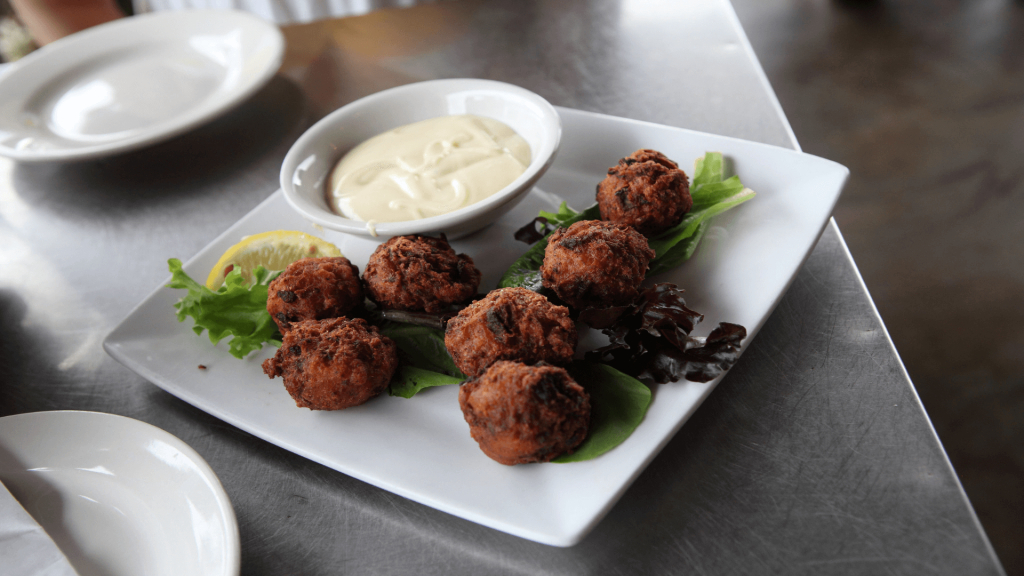
The Cayman Islands offer a vibrant and diverse culinary scene inspired by Caribbean flavors, fresh seafood, local farming traditions and international influences. Whether you're dining at a beachfront café, a family-owned restaurant, a modern bistro or a fish fry stand, Caymanian cuisine is rich, flavorful and shaped by the islands’ coastal lifestyle.
This guide highlights the most iconic dishes, local ingredients, traditional drinks, food culture and must-try dining experiences across Grand Cayman, Cayman Brac and Little Cayman. If you're planning your stay, explore the Where to Stay and Things to Do pages for more inspiration.
1. What Defines Cayman Islands Cuisine?
Caymanian cuisine blends Caribbean, British and international influences. Fresh seafood, local spices, coconut, rice, tropical fruits and hearty stews are staples of the islands’ culinary identity.
The Cayman Islands also support local agriculture, with many restaurants incorporating farm-to-table ingredients.
2. Iconic Cayman Dishes You Must Try
● Cayman-Style Fish
One of the most traditional dishes—fish is slow-cooked with tomatoes, onions, peppers and spices to create a rich, savory flavor. It is commonly served with rice and beans or fried plantains.
● Conch Fritters
A Caribbean favorite, conch fritters are crispy, savory bites made from conch meat mixed with herbs and spices. Often paired with dipping sauces, they are a must-try island snack.
● Turtle Stew
Historically a Caymanian delicacy, turtle stew is part of the islands’ cultural heritage. Today, it is prepared using regulated, sustainable sources under strict conservation laws.
● Jerk Chicken & Pork
Caribbean-style jerk dishes are popular across the islands, offering bold, smoky flavors. These dishes are typically marinated overnight with spices and slow-grilled.
● Fish Rundown
A creamy, coconut-based seafood stew seasoned with herbs, vegetables and spices. It is comforting, hearty and deeply connected to traditional island cooking.
● Cayman-Style Beef
Slow-cooked beef seasoned with local spices, often served during holidays and special occasions. Its tender texture and deep flavor make it a local favorite.
3. Local Sides & Everyday Staples
- Rice & Peas – coconut-flavored rice with beans
- Fried Plantains – sweet, caramelized slices
- Johnny Cake – slightly sweet bread roll
- Bammy – cassava flatbread
- Coleslaw & Garden Salads
4. Seafood Culture in the Cayman Islands
With surrounding waters rich in marine life, seafood plays a major role in Caymanian cuisine. The islands focus on sustainability, with many restaurants sourcing seafood responsibly.
Popular local seafood includes:
- Snapper
- Mahi-mahi
- Lionfish (eco-friendly choice)
- Lobster (seasonal)
- Conch (seasonal)
5. Cayman Islands Drinks
● Cayman Lemonade
A refreshing cocktail blending vodka, triple sec, cranberry juice and citrus flavors. It's popular at beach bars and sunset lounges.
● Rum Punch
A Caribbean classic—sweet, tropical and perfect for hot days.
● Local Beers
The Cayman Islands have several local breweries, offering pale ales, lagers and craft styles.
● Fresh Coconut Water
Available from local markets and beach vendors, coconut water is a natural, refreshing choice.
● Cayman Coffee & Local Juices
Many cafés serve locally influenced iced coffees and fruit blends made from mango, pineapple and soursop.
6. Desserts & Sweet Treats
● Cassava Cake
A traditional Cayman dessert made from grated cassava, coconut and spices. Dense, moist and full of island flavor.
● Rum Cake
A beloved Caribbean treat available in many bakeries. Soft, sweet and infused with Caribbean rum.
● Coconut Drops
A simple dessert made from sweetened grated coconut, shaped into clusters.
7. Where to Eat in the Cayman Islands
Grand Cayman offers the widest variety of dining experiences:
- Beachfront restaurants along Seven Mile Beach
- Seafood shacks and fish fry stalls
- Fine dining with international influences
- Cafés and juice bars
Cayman Brac focuses on local-style meals, fresh seafood and small family-owned restaurants.
Little Cayman offers intimate dining with small menus, often featuring seafood caught the same day.
8. Food Culture & Dining Tips
- Reservations recommended at popular Seven Mile Beach restaurants.
- Fish and conch availability depends on the season.
- Service charges are often included (check your bill).
- Casual dress is acceptable at most restaurants, except fine dining venues.
9. Sustainable & Local Dining
The Cayman Islands encourage sustainable fishing and eco-friendly dining. Travelers can support these efforts by choosing:
- Restaurants that source local ingredients
- Lionfish dishes (helps control invasive species)
- Eco-conscious restaurants and cafés
Travel Tip
Try local seafood at small family-owned restaurants for an authentic Caymanian food experience—often fresher and more traditional than tourist-oriented spots.
10. Continue Planning Your Trip
After exploring Caymanian cuisine, visit: