User login
Cayman Islands Fast Facts
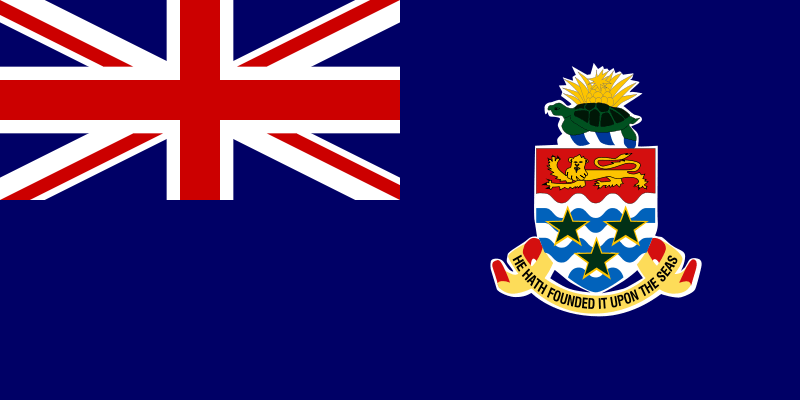
Cayman Islands Fast Facts
The Cayman Islands combine pristine beaches, a calm island lifestyle and a high standard of living, offering one of the most welcoming destinations in the Caribbean. Before exploring beaches, nature reserves and underwater sites, knowing the basics can make your trip more comfortable and enjoyable. This Fast Facts guide brings together essential information about geography, language, money, connectivity, transport, health and more.
1. What Are the Cayman Islands?
The Cayman Islands are a British Overseas Territory located in the western Caribbean Sea. The archipelago consists of three main islands:
- Grand Cayman – the largest and most developed, home to Seven Mile Beach and George Town.
- Cayman Brac – known for rugged cliffs, hiking and nature-focused activities.
- Little Cayman – the smallest, ideal for diving and secluded beach escapes.
2. Why Visit the Cayman Islands?
Travelers choose the Cayman Islands for its impeccable beaches, world-class diving, calm waters, friendly atmosphere and high safety standards. The islands also offer excellent dining, modern services and clean, accessible tourist infrastructure — making them easy to explore even on a short trip.
You can discover top attractions across the islands in Top Things to Do in the Cayman Islands.
3. Geographic Overview
The islands sit south of Cuba and northwest of Jamaica. Grand Cayman is relatively flat, while Cayman Brac features elevated cliffs. Little Cayman is the most untouched, with protected lagoons and marine habitats. Clear visibility and vast coral systems make the region perfect for snorkeling and scuba diving.
For a visual understanding of distances and landmarks, check the Cayman Islands Map.
4. Population
The Cayman Islands are home to around 70,000 residents. The population is diverse, mixing local Caymanian families, British heritage and expatriates from more than 100 nationalities.
5. Language
The official language is English, spoken widely across all three islands. Visitors will find communication simple in hotels, restaurants and transportation services.
6. Currency
The local currency is the Cayman Islands Dollar (KYD). The exchange rate is generally pegged at:
- 1 KYD ≈ 1.20 USD
U.S. dollars are widely accepted across hotels, restaurants and shops, but change is often given in KYD. Prices may be listed in both currencies, especially in tourism areas, so double-check whether the amount is quoted in USD or KYD before paying.
ATMs are widely available on Grand Cayman and in major towns, though they may dispense KYD by default. Most international credit and debit cards are accepted, and contactless payments are increasingly common in stores, cafés and beach clubs.
Keep in mind that some small vendors, food stands and local markets may prefer cash—especially on Cayman Brac and Little Cayman—so carrying a small amount of KYD is useful for convenience.
7. Time Zone
The islands follow Eastern Standard Time (UTC –5) and do not observe daylight saving time.
8. Weather in the Cayman Islands
The climate is tropical with warm temperatures year-round. Average daytime highs range from 28°C to 32°C. The dry season typically runs from December to April, while the wet season extends from May to November.
For monthly temperature charts and travel timing recommendations, see the Cayman Islands Weather Guide.
9. Power & Electricity
The islands use the same electrical system as the United States:
- Voltage: 110–120V
- Frequency: 60 Hz
- Plug Types: A & B
10. Transportation Basics
Moving around is simple thanks to well-maintained roads, taxis, buses and rental cars. Grand Cayman has the most extensive transport network, while Cayman Brac and Little Cayman offer smaller but reliable options.
A complete breakdown of options and travel tips is available in the Cayman Islands Transportation Guide.
11. Health & Safety
The Cayman Islands are considered one of the safest destinations in the Caribbean. Healthcare facilities are modern, and crime levels are low in tourist areas. Tap water is safe to drink on Grand Cayman, and most hotels provide purified water.
For detailed advice on personal safety, emergency numbers and local regulations, see the Cayman Islands Safety Guide.
12. Connectivity & Internet
Wi-Fi is widely available in hotels, cafés and public areas. Mobile roaming is possible, but purchasing a local SIM or using eSIM options can be more cost-effective for longer trips.
13. Culture & Lifestyle
Caymanian culture blends Caribbean warmth, British influence and maritime traditions. Locals are friendly, and hospitality is a key part of the island identity. Dress codes are relaxed, but beachwear is generally kept to beach areas.
14. Tipping Etiquette
Tipping is customary. Many restaurants add a 15% service charge to the bill. Additional tips are welcome for exceptional service.
15. Who Should Visit?
The Cayman Islands are ideal for travelers who enjoy:
- Beach vacations
- Diving and snorkeling
- Nature and wildlife experiences
- Calm island environments
- Family-friendly resorts
- Premium Caribbean experiences
How to Continue Planning Your Trip
This Fast Facts guide provides a strong starting point. For deeper insights, continue exploring: