
Sign in
For Photos4Travel editors and team members.
Cayman Islands · Photo Spots
Cayman Islands Photo Spots: Where to Stand, When to Go and What to Frame
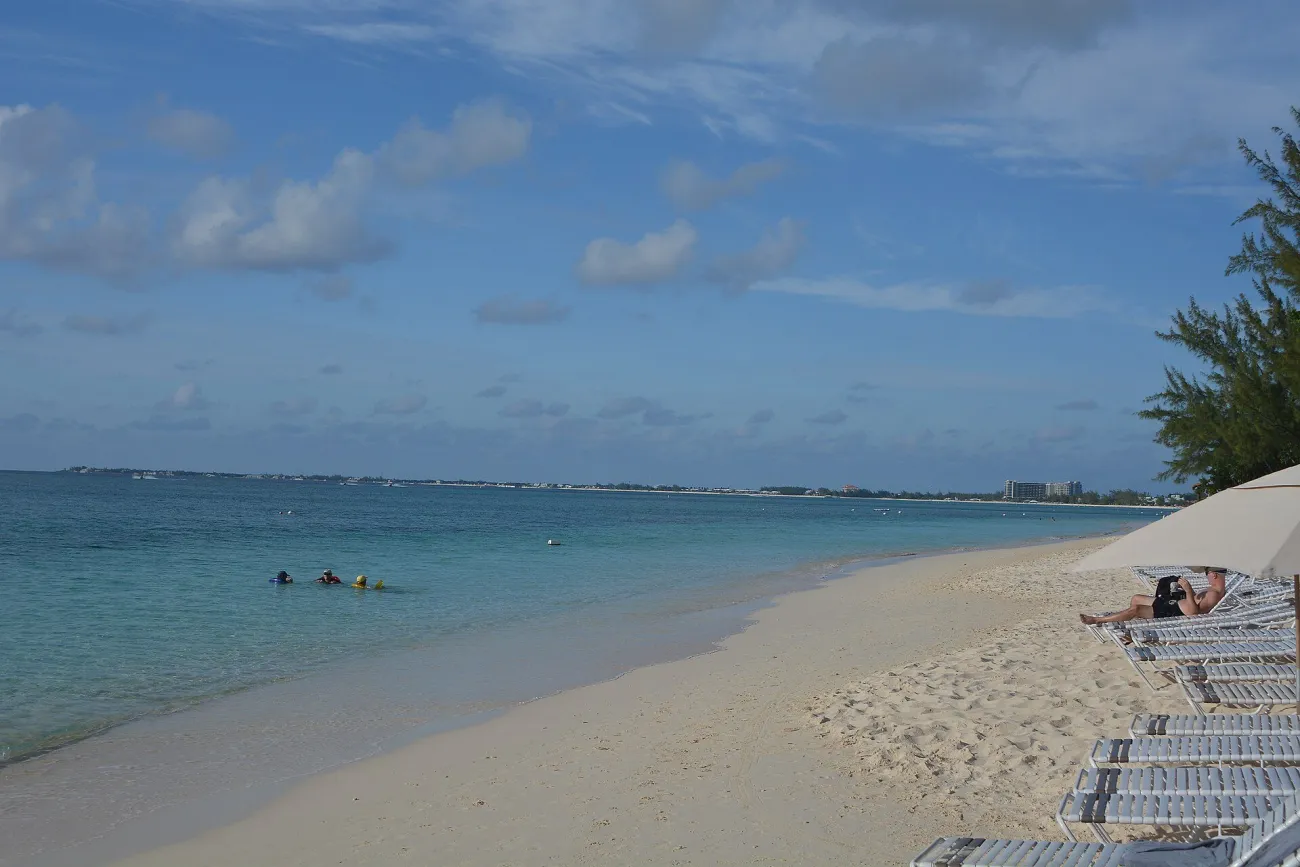
Cayman rewards a little patience more than a long list of camera stops. A western beach, a limestone cove, a historic house and a bird reserve give you different subjects without needing to invent an expedition between each frame. Start nearby, return when the light changes and keep the approach simple. The suggestions below explain a useful place to stand and direction to frame, with access and safety limits. They are starting compositions, not promises that the water, birds, sky or beach will look the same on every visit.
Choose the subject before choosing the time
Swipe or scroll sideways to compare the full table.
| Location | Starting composition | Useful timing |
|---|---|---|
| Seven Mile Beach | Look west for sunset or along the curving shore | Morning colour; late-afternoon silhouettes |
| Smith Barcadere | Look from the sand between the limestone sides | Early light or a calm late afternoon |
| Rum Point and Kaibo | Shoreline, trees and permitted views toward boats | Daylight colour and late-afternoon atmosphere |
| Pedro St. James | Great House façade and verandah lines | Within opening hours; check the shadow |
| Brac lighthouse and Bluff | Cliff profile and sea from a safe inland position | Early or late with a daylight return |
| Booby Pond | Birds across the wetland from observation decks | Allow a patient afternoon session |
Use the weather and actual light to choose between them. A flat overcast sky can suit architectural details or birds better than an empty sunset horizon.
Seven Mile Beach: west-facing sunset and a shoreline foreground
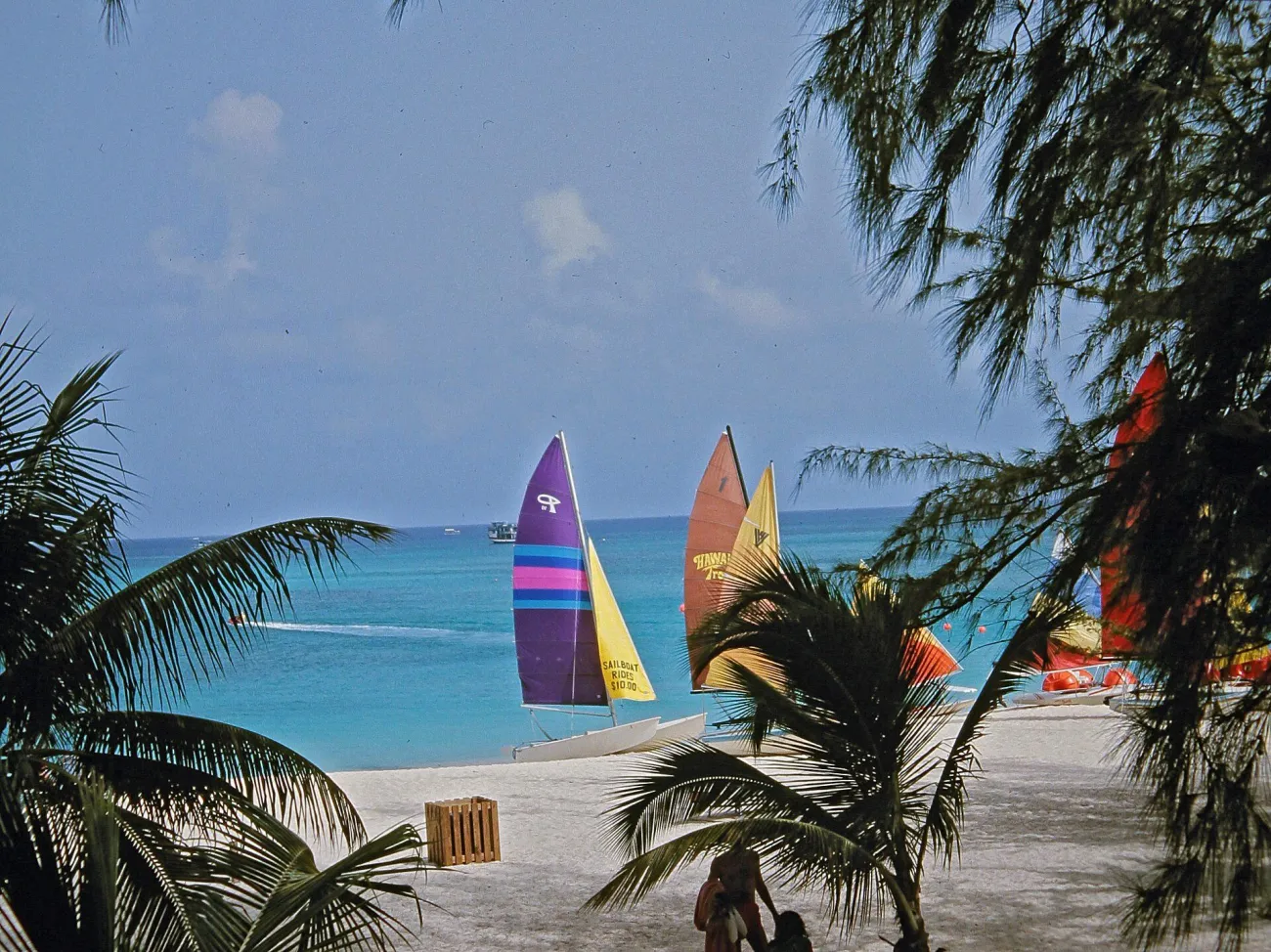
Start at a recognised public entry such as Seven Mile Public Beach or Governor's Beach. The official Governor's Beach description places it beside the residence and confirms the western sunset view. From the sand, look west for a sky-and-water frame, or turn along the beach so the waterline leads diagonally into the picture.
In the morning, west-facing water is lit from broadly behind you, which can help with blue water and pale sand. Late afternoon gives a different subject: backlit people, trees and reflections. Expose for the bright sky if you want silhouettes, then wait rather than repeatedly changing position. Keep out of marked watersports areas and other visitors' access. Do not rely on walking the whole coast; shifting sand and narrow sections can interrupt the route.
Smith Barcadere: photograph the cove from the sand
Use the public approach to Smith Barcadere, also called Smith Cove, south of George Town. Begin near the inner sandy edge of the inlet and look out between the limestone sides. This keeps the shape of the cove in the frame without needing to balance on the seaward rock.
Try one wider photograph with the sandy curve in the foreground, then a tighter view of water meeting limestone. Early light can suit details and a quieter composition, while late afternoon can bring warmer tones; neither guarantees an empty beach. Watch several sets of waves before moving equipment close to the water. If spray reaches your standing point, step back. A longer lens from firm ground is preferable to climbing onto wet ironshore for a slightly wider view.
Rum Point and Kaibo: trees, shorelines and working boats
At Rum Point Club, approach as a beach or dining visitor and ask staff where photography will avoid service and boarding areas. Frame along the sandy shoreline with a tree or a curve of water in the foreground, then look across the water for a simpler image. Daylight suits water colour; late afternoon can give a more layered shoreline scene. Check current opening days rather than assuming every facility operates daily.
Kaibo is a separate stop at 585 Water Cay Road. From a permitted shore position, look toward the marina for boat and jetty details, keeping working access clear. Do not walk onto a private dock simply because it makes a good leading line. Use the recognised public beach access where appropriate, or ask the business about the area you want to photograph. Confirm parking instructions and the return journey before staying for the last light.
Pedro St. James: architecture within a historic-site visit
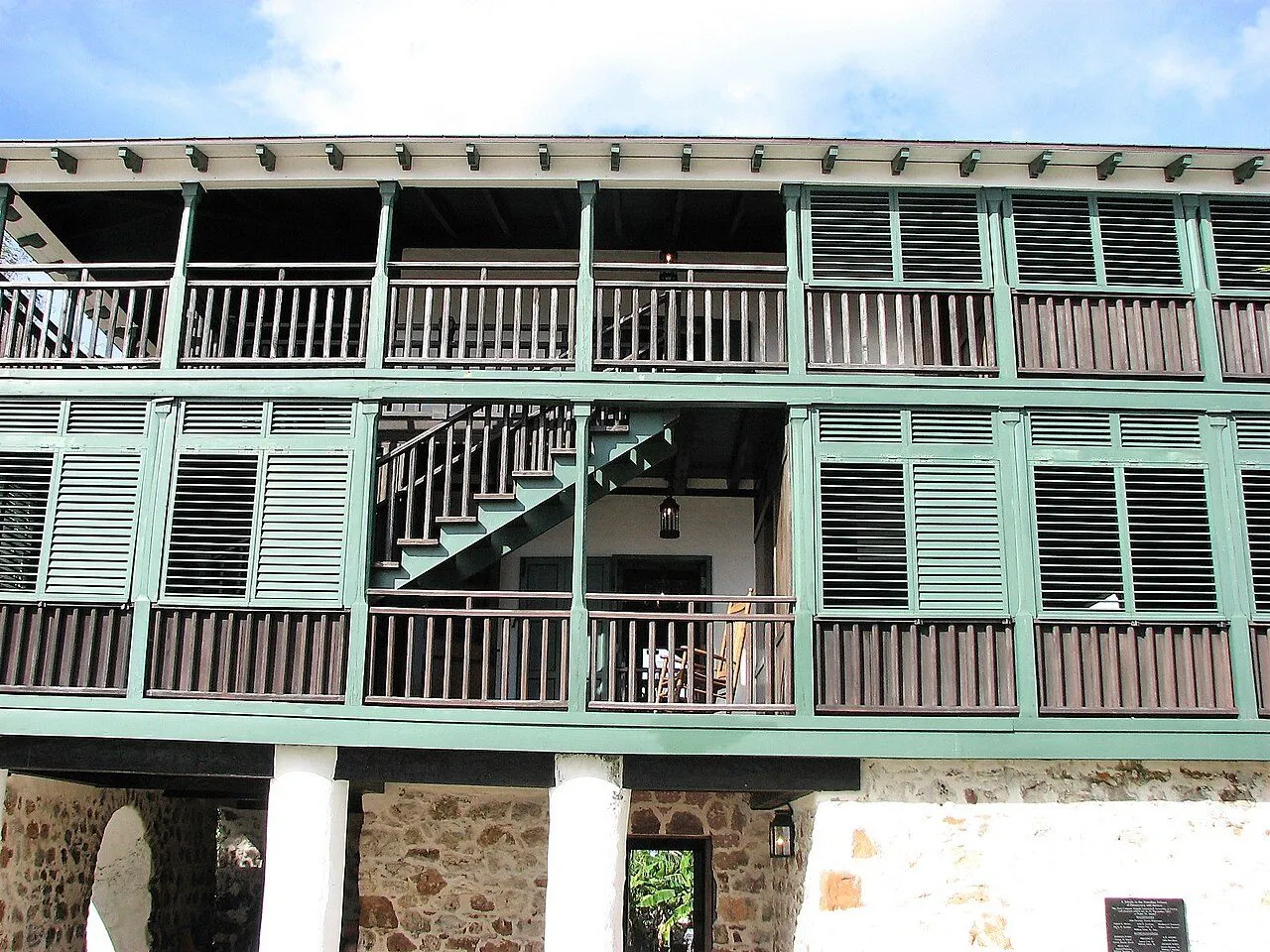
Pedro St. James is a paid historic attraction in Savannah, at Pedro Castle Road. Begin on a permitted area of lawn far enough from the Great House to fit its three-storey façade into the frame. Move sideways within the visitor area to include the verandah's depth instead of photographing every elevation straight on. After the wider view, use a tighter frame for stairs, timber lines and the relationship between the house and its coastal setting.
Plan around the site's current tour and admission arrangements, not sunrise or sunset access assumed from an online photograph. Ask staff about interior photography, flash and tripods. An organised portrait or commercial shoot may need a separate arrangement; ordinary visitor admission should not be treated as a location-hire agreement. Keep equipment away from artefacts and let the historic interpretation remain part of the visit.
Cayman Brac lighthouse and Bluff: depth without an edge pose
For the road approach, follow Major Donald Drive toward the lighthouse at Brac's eastern end and use the established arrival area. Consult the official Brac heritage and trails map before adding any longer footpath. A road-accessed viewpoint and a walk from another trailhead are different outings.
From a safe position inland of the cliff edge, look east toward the sea or back along the bluff profile to show the drop and coastline together. Keep a foreground of rock or scrub without moving closer to the lip. Early or late light can reveal the texture; leave a daylight return and change plans in strong wind. Photograph seabirds with a long lens from the path, without approaching nesting ledges. As of 17 November 2026, the Lighthouse National Park proposal remains under consultation; do not mistake that for a new park's guaranteed visitor facilities.
Little Cayman: Booby Pond from the visitor-centre decks
Use the Gladys B. Howard Visitors Centre on the edge of Booby Pond in Blossom Village. The National Trust's Little Cayman page lists two observation decks with telescopes available at any time, while indoor opening depends on volunteers. Check local access and notices rather than relying on an old fixed shop timetable.
Stand on an observation deck and look across the pond toward birds and their habitat. A long lens is useful because the colony is across the wetland; a phone can still make a good wider landscape. Allow time for birds to enter your frame instead of trying to get physically closer. An afternoon visit leaves room to wait and then return before dark. Stay out of the breeding habitat, do not play bird calls or offer food, and keep clear of others using the telescope.
Underwater photographs: buoyancy and permission come first
A camera adds a task to snorkelling or diving. Choose a supervised activity suited to your experience, learn the housing controls on land and keep attention on breathing, position and the route back. Do not stand on coral, kneel on the reef or chase a turtle because the camera is struggling to focus. If the sea or current takes most of your attention, put the camera away.
At Stingray City and Starfish Point, follow DoE wildlife guidance and the operator's briefing. Leave starfish submerged and undisturbed; let a ray approach rather than lifting it for a staged image. Ask before photographing another participant closely. The best underwater result may be a wider picture that shows the animal's habitat, taken while you remain comfortably in control.
A small camera plan that makes the day easier
Use the official shoreline access map to reach coastal locations. Public access does not extend to hotel gardens, private docks, loungers or car parks. Keep paths clear when using a tripod, ask people before taking a close portrait and move on if your setup interferes with another visitor's day.
Carry lens protection, drinking water and only the equipment you can manage comfortably. Give a camera time to adjust after strong air conditioning, and protect it from spray on a boat. Check the day's official weather and marine outlook. For night photography near turtle beaches, avoid lights and flash that disturb wildlife. An interesting photograph should come from a better frame or a better moment, not from changing an animal's behaviour.
Travel Tip: Give yourself a second attempt close to the hotel. Returning to one beach in different light usually teaches you more, and produces more varied photographs, than hurrying between several unfamiliar stops.
Cayman Islands Photo Spots FAQ
Where is an easy sunset photo spot in Grand Cayman?
Seven Mile Beach faces west. Start at a recognised public access such as Governor's Beach, look toward the horizon and use the shoreline for foreground. Cloud, sea state and beach width vary.
Can I photograph Smith Cove without swimming?
Yes. From the sandy inner edge, frame the water between the limestone sides. You do not need to climb wet rocks or enter the water to show the cove's shape.
Can I enter Pedro St. James freely for a photo?
Plan it as a paid historic-site visit within current admission hours. Ask about interior photography and equipment, and arrange any organised or commercial shoot separately with the venue.
Where can I photograph birds on Little Cayman?
Booby Pond has visitor-centre observation decks. Work across the wetland with a long lens or take a wider habitat picture; stay out of the protected breeding colony.
Do I need professional equipment for Cayman photography?
No. A phone works well for coastal landscapes and architectural details. A longer lens helps with distant birds, while underwater work needs a suitable housing and confident water skills before extra equipment.
Last updated: