
FRANCE · PARIS GUIDE
Paris Travel Guide
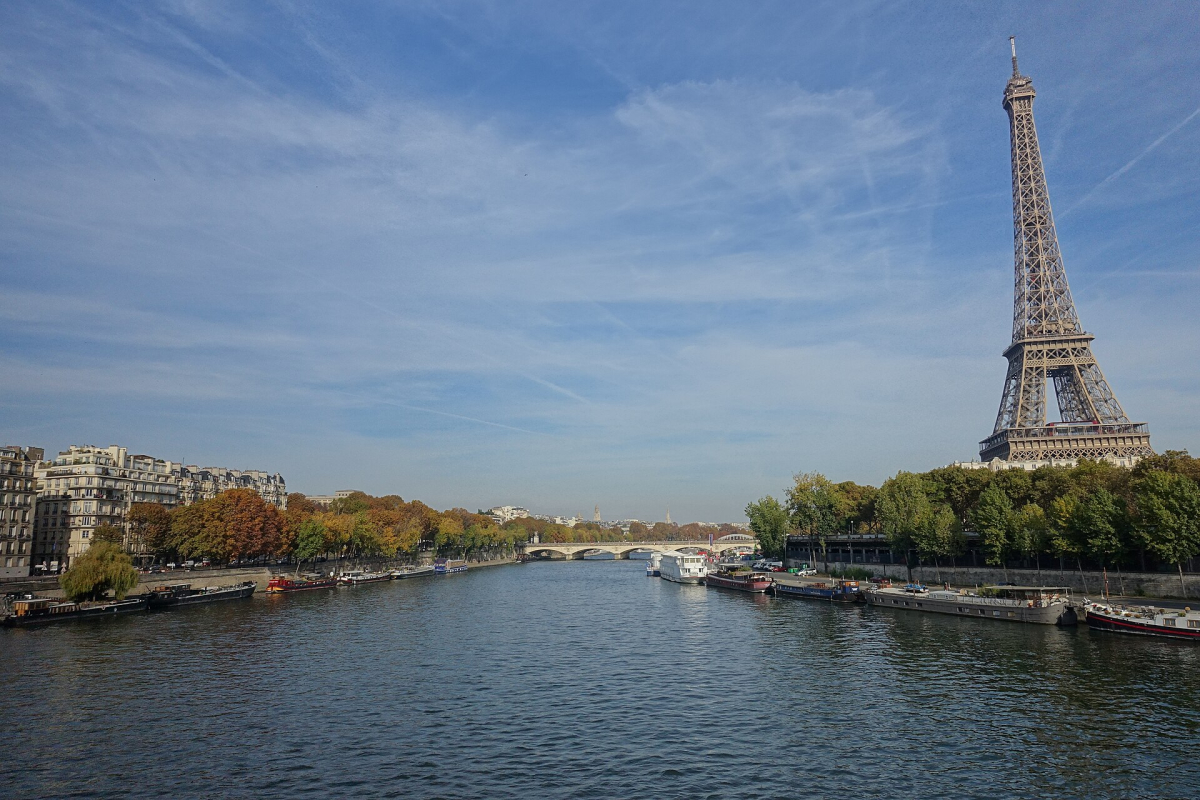
Paris works best when you plan around neighbourhoods. The Eiffel Tower, Louvre, islands of the Seine and Montmartre belong to different parts of the city; treating them as a single walking circuit leaves little time to enjoy any of them. Choose a convenient base, decide which interiors matter most, and build the rest of each day around nearby streets, gardens and places to eat.
This guide helps you make those decisions before you book. Use it to choose a trip length, compare areas to stay, understand transport costs and put reservations in a sensible order. For individual landmarks, accommodation recommendations and a daily route, follow the dedicated Paris guides linked throughout the page.
Planning information checked: 18 October 2026. Transport prices below are published 2026 fares; check the official sources again for your travel dates.
Paris at a Glance
YOUR BASE
Match your route
Choose the address, connections and room that fit you.
YOUR BOOKINGS
Fix the priorities
Reserve the main visits and leave room to explore.
Before You Book
- Count full sightseeing days. A late arrival and an early departure do not give you two usable days. Keep the arrival evening flexible, especially after a long flight.
- Choose two or three priorities. A major art museum, a skyline view and a favourite neighbourhood make a clearer starting point than a list of every famous monument.
- Check your base against those priorities. Look at the exact address, nearby stations and transfer requirements. A recognisable neighbourhood name alone does not tell you how convenient a hotel will be.
- Book the fixed visits first. Check museum closure days and ticket conditions before arranging meals, other visits or a day trip around them.
- Leave uncommitted time. Café stops, a slower museum visit, rain or simply finding a street you like should not make the whole schedule fall apart.
How Long to Stay
For a first visit, three full days is a useful planning baseline; four or five gives you more room for a second museum, slower meals or a trip outside the city. These are editorial suggestions, not minimum stays. Your interests, walking pace and arrival times matter more than the number of landmarks you can tick off.
| Time available | A sensible focus | What to leave for another visit |
|---|---|---|
| One full day | Choose one main area, one booked interior and a walk along the Seine. | Trying to enter the Louvre, climb the Eiffel Tower and explore Montmartre in the same day. |
| Three full days | Divide your time between western landmarks, the Louvre area and the islands/Left Bank; add Montmartre if the pace suits you. | A packed collection of day trips or several large museums back to back. |
| Four or five full days | Keep the central sights, then add another neighbourhood, a second museum or one carefully chosen day trip. | Assuming that an extra day removes the need for booking and transfer time. |
| A week or more | Explore districts in greater depth, revisit places you enjoy and spread the demanding visits out. | Filling every day with a fixed itinerary simply because more time is available. |
Use our Paris itinerary to turn your priorities into a daily route. When checking an itinerary against your own dates, include station walking, security queues, meal breaks and the journey back to your accommodation. Map distances between buildings rarely account for all of that.
Where to Stay in Paris
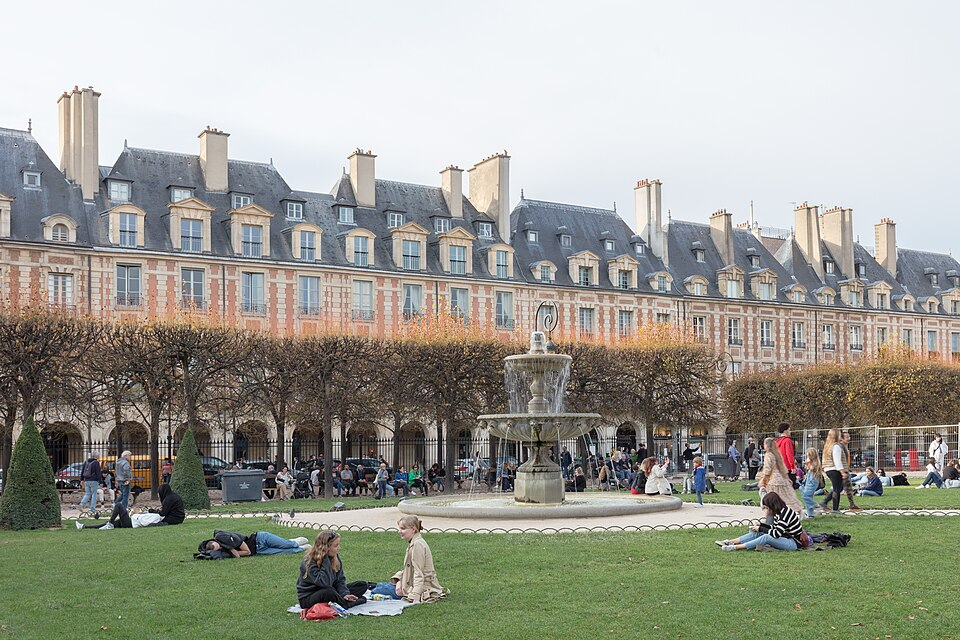
A good base makes the beginning and end of each day easier. Central districts can suit a short stay, but “central” is not a guarantee of quiet rooms, step-free access or the best value. Compare the exact location with the places you actually want to visit and the airport or station you will use.
| Area | Why choose it | Trade-off to check |
|---|---|---|
| Le Marais | Historic streets, Place des Vosges, shops and dining on the Right Bank; good for a stay built around neighbourhood walks. | Busy streets and older buildings: ask about room position, lifts and access. |
| Saint-Germain-des-Prés | A Left Bank base for cafés, galleries and walks towards the Seine and Luxembourg area. | Compare room sizes and rates carefully; the district name does not guarantee a good deal. |
| Latin Quarter | A useful starting point for the Panthéon, Luxembourg Gardens and the islands of the Seine. | Check whether your room faces a busy restaurant street and how far it is from the nearest suitable station. |
| Opéra / Grands Boulevards | Useful for shopping, covered passages and a stay with frequent metro journeys. | Large boulevards and quieter side streets feel different; inspect the actual address. |
| Montmartre | Best when the hilltop neighbourhood is part of the trip’s appeal, rather than only a place to sleep. | Slopes, steps and journeys to central riverside sights need to fit your mobility and daily plans. |
For couples, a quieter room and a pleasant evening walk can matter more than a distant landmark view. Families should check the permitted occupancy and bed arrangement of the actual room category. If you have a very early departure, consider the first connection from that address rather than assuming a nearby metro station solves the airport transfer.
Compare the neighbourhoods in Where to Stay in Paris, then use our Paris hotels guide for individual properties. Before booking, check cancellation terms, lift access, air conditioning if important to you, and the total for your dates. Photographs of a hotel’s largest suite do not describe every room.
Tickets & Reservations
Book the visits that define your trip before filling the gaps. Keep the confirmation, meeting point or entrance instructions and any conditions for the ticket category you select. A timed ticket sets an entry appointment; it does not remove every queue or security check.
- Eiffel Tower: decide whether you want the second floor or summit, and which access option suits you, before buying. Use the tower’s official ticket office. All visitors still undergo security checks, and large luggage is not accepted; see the official visitor guidance.
- Louvre: check the day before assigning it to your itinerary. The museum is closed on Tuesdays. Its current admission page requires reservations from 17 October to 1 November 2026, with listed exceptions; check the rules for your own date, including free-entry categories. Choose a manageable set of galleries rather than expecting to see the entire collection. The Louvre visitor page has the current hours, admission conditions and room-closure information.
- Notre-Dame: an individual visit to the cathedral is free, with optional free reservations through its official site. The tower visit is a separate experience with its own reservation rules. Check the distinction before paying for any offer labelled “Notre-Dame tickets”; Paris je t’aime’s current visitor information explains both visits.
- A particular meal or evening: if one restaurant, performance or guided activity is a priority, check its date and booking conditions early. Leave other meals flexible so that sightseeing does not become a sequence of rushed transfers.
Our Paris attractions guide helps you choose the individual sights. Check official conditions for your own age, residency and admission category; a headline adult price is not necessarily the amount every visitor pays.
Plan Your Days by Neighbourhood
Paris rewards walking within a district and using transport between districts. The following groups are starting points, not instructions to enter every building mentioned. Choose one main interior where relevant and allow the surrounding walk to stay flexible.
ROUTE IDEA 01
Western Landmarks and the Seine
Start with the Eiffel Tower and nearby river views, then choose between a longer walk towards Invalides and Pont Alexandre III or more time around the tower area. The Arc de Triomphe is a separate stop to add deliberately. Do not judge the whole day by how close the monuments look in a skyline photograph.
ROUTE IDEA 02
The Louvre, Tuileries and Palais-Royal
A Louvre visit fits naturally with the Tuileries and Palais-Royal area. If the museum is your main interest, let it occupy the larger part of the day rather than adding another major museum straight afterwards. On a shorter trip, the outdoor courtyards and a garden walk offer a different choice from a full gallery visit.
ROUTE IDEA 03
The Islands, Latin Quarter and Le Marais
Île de la Cité provides a starting point for Notre-Dame and nearby historic sights. Continue towards the Latin Quarter for a Left Bank route, or towards Île Saint-Louis and Le Marais for a Right Bank afternoon. Both are appealing; deciding on one direction keeps the day from becoming an unnecessarily long loop.
ROUTE IDEA 04
Montmartre as Its Own Half-Day
Give Montmartre space for its streets and slopes as well as the Sacré-Cœur area. Plan the route according to how much climbing you want, and check accessibility before relying on a station entrance or a shortcut shown on a map. Pairing the neighbourhood with a relaxed meal is often more practical than placing it between two tightly timed central visits.
Getting Around & Transport Costs
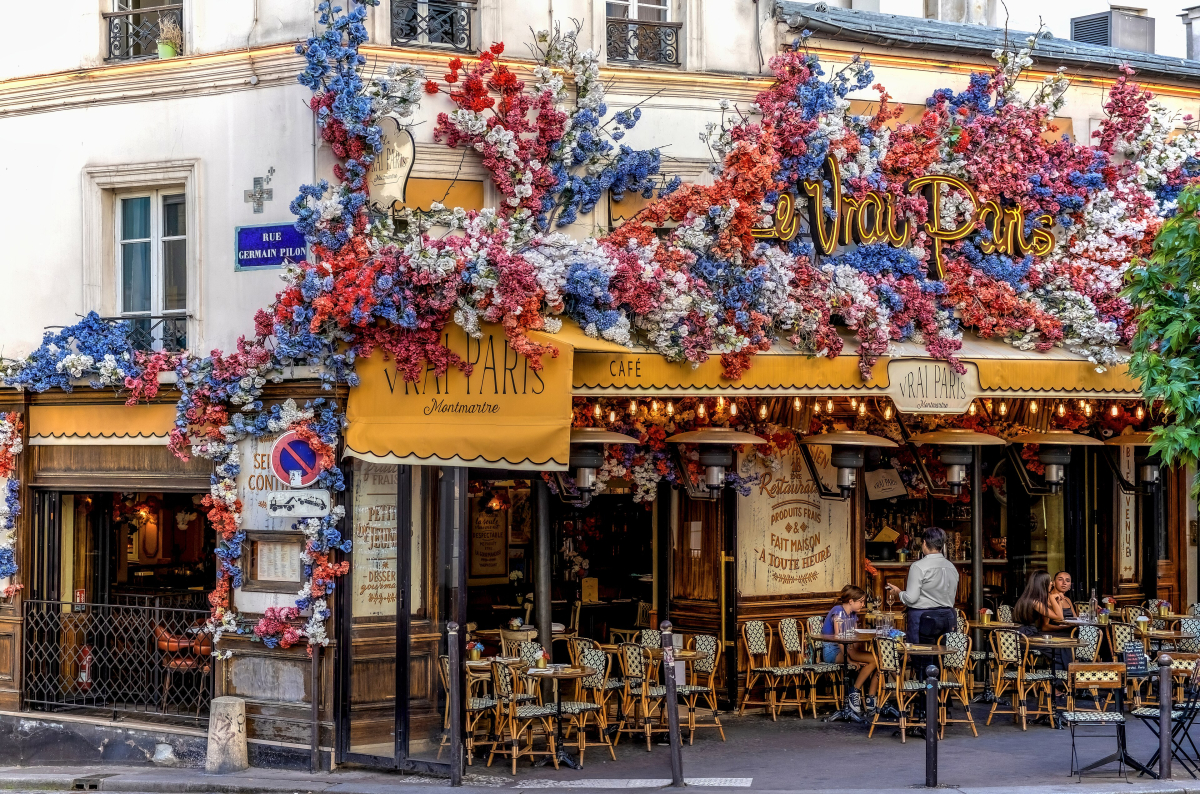
Use walking for nearby stops and public transport for longer jumps. Check the full journey to your next destination, including the station exit and any change of line. The most direct-looking route on a map may involve more steps or a less convenient interchange for your needs.
| Ticket | 2026 fare | Important distinction |
|---|---|---|
| Metro–Train–RER | €2.55 | For eligible rail journeys; does not cover entry/exit at the CDG and Orly airport rail stations. |
| Bus–Tram | €2.05 | A separate ticket category; do not assume a rail ticket also covers a bus journey. |
| Paris Region ↔ Airports | €14.00 | The airport rail ticket category; check the product for your exact route. |
Source: Île-de-France Mobilités’ 2026 fare list and Metro–Train–RER ticket conditions, checked 18 October 2026. These are standard full-price single fares, not a quote for passes, reduced fares, card purchase or every airport service.
Rail tickets can be loaded on a Navigo Easy pass or a compatible phone. Each traveller needs a separate device or pass for the same journey; you cannot validate one shared device repeatedly for a group. Check device compatibility and ticket-loading conditions before buying, particularly when combining city and airport travel.
Use Getting Around Paris for more detail and the Paris airports guide for arrival planning. Check current service information before an airport journey, and leave room for collecting luggage, finding the platform and reaching your accommodation after the final station.
When to Visit & What to Pack
Choose dates according to the kind of trip you want, not a promise of perfect weather or empty attractions. A museum-focused stay gives you more indoor flexibility; a trip built around gardens and long walks benefits from a plan you can rearrange. Popular sights can be busy in any season, and a supposedly quiet month does not guarantee lower room rates on your particular dates.
Start with Weather & Best Time to Visit for seasonal planning and Paris Weather for climate context. Use a current forecast shortly before departure. Comfortable walking shoes, layers and a compact rain option are useful choices for a trip with frequent changes between streets, transport and interiors.
If travelling in warm weather, check the room’s cooling facilities rather than assuming every hotel offers the same setup. For winter travel, leave enough daylight for the walks that matter to you. Keep one indoor alternative available without booking every spare hour in advance.
Food, Evenings & Budget
Build some meals into the areas you are already exploring. A bakery stop can suit a quick morning, while a restaurant lunch works better when you have time to sit down. Read the displayed menu and opening times, and book the meals you particularly care about. A table with a famous view and a neighbourhood bistro serve different purposes; choose according to the experience you want.
Allow for breakfast arrangements, drinks, museum admission and airport travel as well as accommodation. Compare the full room total and what is included before deciding that one option is cheaper. Rather than using a single “average daily cost” for everyone, build a small budget from your own bookings and leave a reserve for changes.
For meal ideas, browse Paris Food & Drink and Paris Restaurants. Use Paris Nightlife when planning a late evening, and check the return journey before choosing how late to stay out.
Practical Travel Essentials
If step-free access matters, assess the whole route: accommodation entrance, lift, station access, transfers and the venue itself. A map pin beside a metro station is not enough. Ask the accommodation or attraction specific questions about the route you intend to use.
Keep important booking details available offline, and carry only what you need for the day. Save your accommodation address and a practical return route. When planning an out-of-city excursion, count the journey in both directions and check the destination’s own opening calendar before committing a day to it.
Read Paris Travel Essentials for practical preparation, Paris Fast Facts for a quick reference and Paris Visa & Entry Requirements for the relevant official checking steps. Entry requirements depend on your circumstances; confirm them with the appropriate government source before booking.
Photography and responsible visits
Use the Photos & Photo Spots guide to plan a bridge, river or Montmartre session around light and public access. Our Responsible Travel guide covers refill water, local shopping, parks and residential streets. For geographic orientation, open the central Paris map.
Keep the city break focused: use Things to Do for neighbourhood experiences, Day Trips only when you have a spare full day, and Festivals & Events before fixing dates. Families can compare age-appropriate plans; museum-focused visitors can check pass value and reservation requirements.
History & Culture: six ways to read Paris
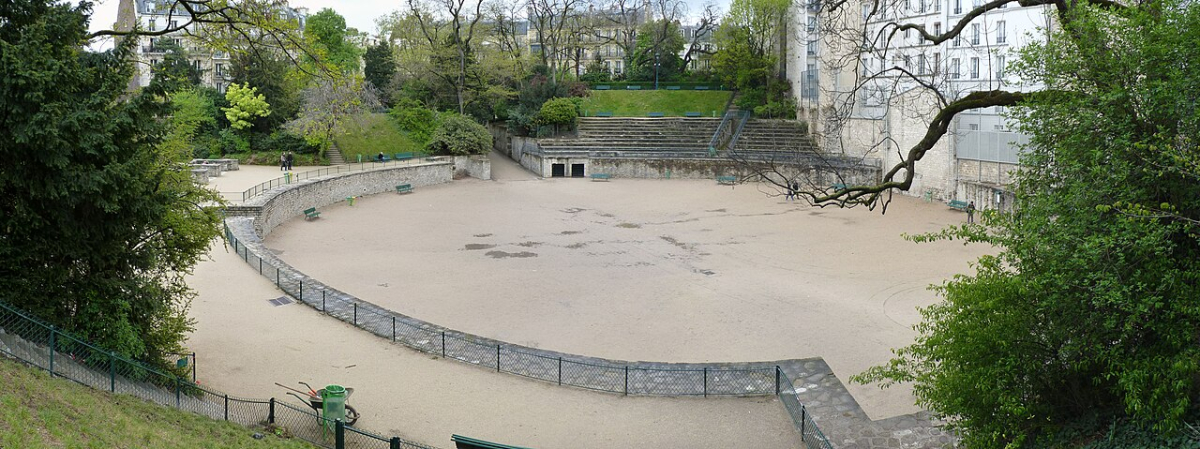
Paris is easier to understand as a city repeatedly rebuilt than as one preserved historic centre. Roman remains, medieval churches, royal squares, nineteenth-century boulevards and working neighbourhoods occupy the same small map. Choose one thread for a half-day, then look for the details that connect the places.
Roman Lutetia: look beyond the island
The Arènes de Lutèce in the Latin Quarter put ancient Paris in an ordinary neighbourhood setting: a surviving arena now used as a public space. Combine it with the Roman baths at Cluny if ancient building techniques interest you. Under the Notre-Dame forecourt, the Archaeological Crypt explains successive layers of the island. These are complementary sites, rather than interchangeable Roman ruins.
Medieval Paris: stone, light and street scale
Use Notre-Dame and Sainte-Chapelle to compare a cathedral with a royal chapel, then look at the smaller streets around the Latin Quarter. Gothic architecture becomes more readable when you notice how windows, vaults and supporting structures work together. Book each interior separately where required; walking past a façade is a different visit from seeing its glass or sculpture.
Royal Paris and the Marais
Place des Vosges gives you a coherent square to read at walking speed: compare the repeated façades, arcades and central garden. Nearby mansion courtyards show another scale of urban life. The Musée Carnavalet supplies the missing human context through objects, paintings and the story of Paris. Its permanent collection is free; temporary exhibitions have separate conditions.
Revolution and public memory
At Bastille, distinguish the present square and July Column from the vanished prison. A name on the map can commemorate a building that no longer stands. Start with the Revolution galleries at Carnavalet, then compare the museum account with street names and monuments outside. This makes a more useful historical walk than treating every present-day structure as a survivor of 1789.
Haussmann’s city: follow a boulevard, then turn off it
Haussmann’s prefecture, 1853–1870, transformed streets and infrastructure under Napoleon III. The City’s account with Charles Marville’s photographs helps explain the scale of change. Compare a long boulevard sightline with a nearby narrower street: building height, balconies, junctions and the width of the pavement become clues. The familiar stone streetscape is one historical layer, rather than all of Paris.
Modern culture is still being made
Leave space for a small exhibition, a neighbourhood bookshop or a performance alongside the monuments. Use Montparnasse for a conversation about artists and café culture, or the canal districts for a contemporary city walk. A district’s artistic reputation does not make every café a historic landmark. Check the actual programme and language of any performance.
A practical history half-day: choose either Arènes–Cluny–the islands, or Carnavalet–Place des Vosges–Bastille. These are suggested thematic groupings; allow separately for museum time and your walking pace. For collection choices, use Museums & Culture.
Paris Travel FAQ
Is three days enough for a first visit to Paris?
Three full sightseeing days is a workable starting point if you prioritise. It can accommodate several main areas and selected interiors, but it will not cover every museum or leave much room for day trips. Arrival and departure days may add very little usable time.
Which area should I choose for a short stay?
Choose the area that reduces the journeys you expect to make. Le Marais and the Left Bank districts suit many neighbourhood-focused stays, while Opéra can suit frequent metro travel. Compare the exact address, room conditions and return journey rather than choosing by district name alone.
Should I book the Louvre in advance?
Yes, it is sensible to follow the museum’s recommendation to book a time slot, including if you qualify for free admission. Check the official calendar first: the Louvre is closed on Tuesdays.
Is entry to Notre-Dame free?
Individual cathedral visits are free, and a free reservation is optional. Visiting the towers is separate and has its own timed-booking rules. Read the official visitor information for the experience you intend to book.
Does an ordinary metro ticket cover the airport?
The standard Metro–Train–RER ticket does not cover the CDG and Orly airport rail stations. The Paris Region ↔ Airports single ticket is a separate product, priced at €14 at the published full 2026 rate. Check your exact route and ticket conditions before purchasing.
Do I need a car for central Paris sightseeing?
For a stay focused on central sights, walking and public transport are usually the more practical planning choices. If you arrive by car or need one for travel beyond Paris, check your accommodation’s parking arrangements and decide which days actually require it.



