
Paris Transportation Guide
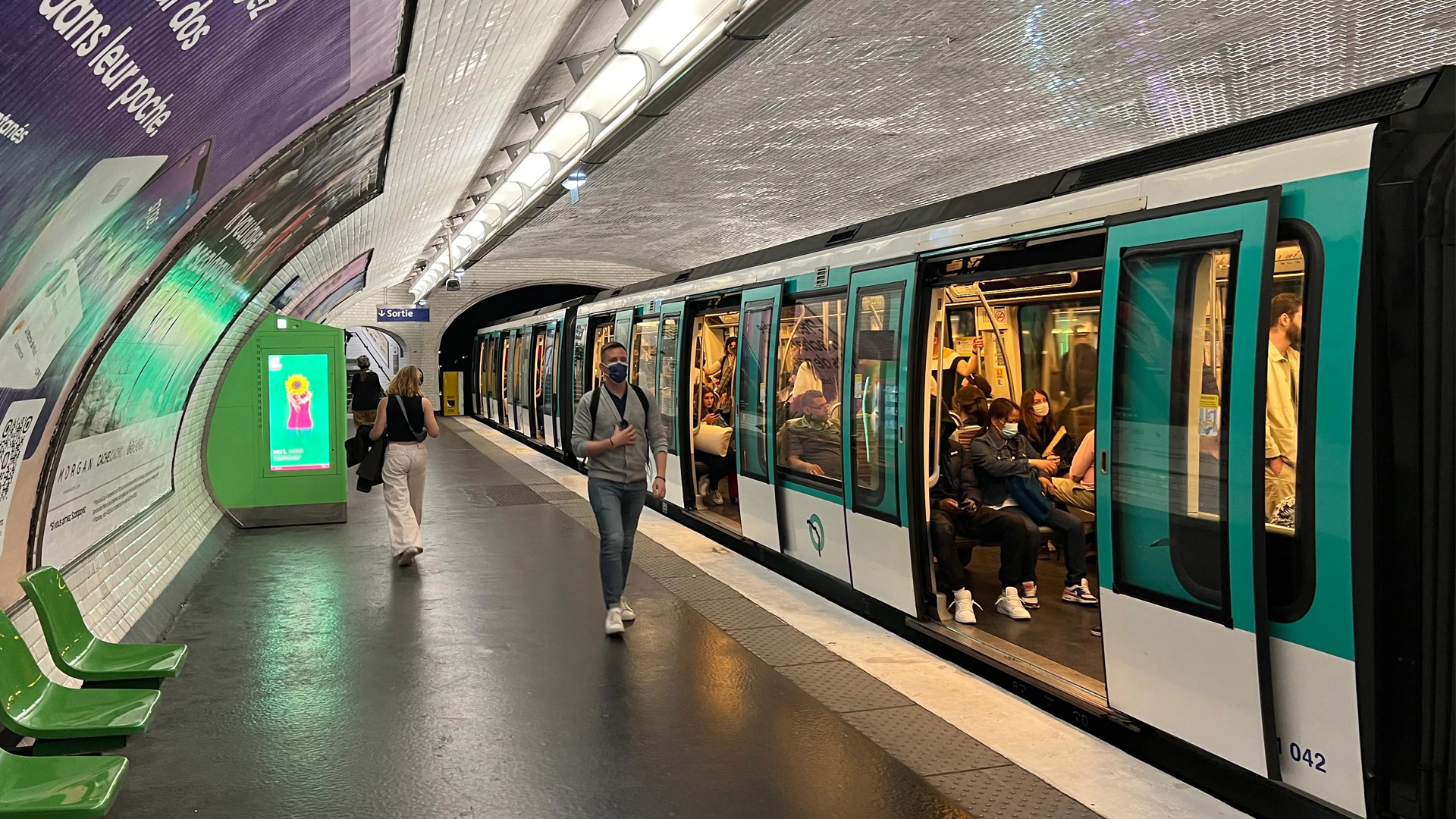
Paris has one of the most comprehensive public transportation networks in Europe, making it easy for visitors to explore the city without relying on a car. The Metro, regional trains, buses, trams, taxis, ride-sharing services, and pedestrian-friendly streets provide multiple ways to reach attractions, hotels, restaurants, and neighborhoods throughout the French capital.
Most travelers find that public transportation combined with walking offers the most convenient way to experience Paris. Understanding the available transportation options before arrival can help visitors save time, reduce travel costs, and navigate the city more confidently.
Travelers arriving by air may also find our Paris Airports Guide useful, while visitors planning accommodation can explore our Paris Hotels Guide and Best Areas to Stay in Paris.
Getting Around Paris
Paris is a highly connected city where multiple transportation systems work together. Visitors can combine Metro lines, buses, regional trains, trams, and walking routes to reach most destinations quickly and efficiently.
Because many of Paris's most famous attractions are located relatively close to one another, travelers often combine public transportation with walking to make the most of their visit.
One of the advantages of Paris is that travelers rarely need to rely on a single mode of transportation. A typical day may include walking between attractions, using the Metro for longer distances, and occasionally taking a bus or taxi when convenience is a priority. This flexibility makes it easy to adapt transportation choices to different neighborhoods and sightseeing plans.
Paris Metro
The Paris Metro is the backbone of the city's public transportation system and one of the easiest ways for visitors to travel between major attractions. With an extensive network of lines and stations spread across the city, the Metro provides convenient access to museums, monuments, shopping districts, and residential neighborhoods.
Many of Paris's most popular destinations are located within walking distance of a Metro station. Frequent services and comprehensive coverage make the Metro the preferred transportation option for both residents and visitors.
First-time visitors may find the network extensive, but station signage, route maps, and digital navigation tools generally make journey planning straightforward. During busy periods, trains can become crowded, particularly on central routes serving major tourist areas.
Many first-time visitors are surprised by how quickly the Metro can connect major attractions such as the Eiffel Tower, Louvre Museum, Arc de Triomphe, and Montmartre. In many cases, public transportation is faster than traveling by car through central Paris.
Advantages of the Paris Metro
- Extensive citywide coverage.
- Frequent services throughout the day.
- Convenient access to major attractions.
- Generally faster than traveling by car in central districts.
RER Trains
The RER network complements the Metro by connecting central Paris with suburban areas, major transport hubs, and several important visitor destinations. RER trains are particularly useful for longer journeys that extend beyond the central city.
Travelers arriving from airports or planning day trips often use RER services because they cover greater distances more quickly than standard Metro routes. The system integrates with other forms of public transportation, allowing relatively seamless transfers throughout the region.
Visitors should pay attention to train destinations and stopping patterns, as some services operate express routes that skip certain stations.
City Buses
Paris operates an extensive bus network that serves areas throughout the city and surrounding districts. Buses can be particularly useful when traveling between destinations not directly connected by Metro lines.
Unlike underground transportation, buses provide opportunities to view the city while traveling. Many visitors enjoy using buses for shorter journeys because they offer a different perspective on Paris's architecture, neighborhoods, and daily life.
Travel times can vary depending on traffic conditions, particularly during peak commuting periods.
Trams
The Paris tram network primarily serves outer districts and suburban areas. Although many visitors rely more heavily on the Metro and buses, trams can provide convenient connections in specific parts of the metropolitan region.
Modern tram services are generally comfortable, accessible, and well integrated with other transportation networks.
Walking in Paris
Walking is one of the most rewarding ways to experience Paris. Many famous attractions are located within relatively short distances of one another, allowing visitors to explore neighborhoods, parks, cafés, and historic streets at their own pace.
Areas such as the Seine riverbanks, Le Marais, Saint-Germain-des-Prés, Montmartre, and the Latin Quarter are particularly enjoyable to explore on foot. Walking often reveals architectural details and local experiences that may be missed when traveling exclusively by public transportation.
Comfortable footwear is strongly recommended, as many visitors cover significant distances during a typical day of sightseeing.
Many visitors discover that some of Paris's most memorable experiences occur between major attractions rather than at the attractions themselves. Exploring side streets, local cafés, and neighborhood markets on foot often reveals a more authentic side of the city.
Cycling in Paris
Cycling has become increasingly popular in Paris thanks to expanding bicycle infrastructure and dedicated cycling routes. Visitors can find bike-sharing services and rental options throughout the city.
Bicycles provide flexibility for exploring neighborhoods beyond the main tourist areas while allowing travelers to enjoy the city's streets and public spaces at a relaxed pace.
As with any major city, cyclists should remain aware of traffic conditions and follow local regulations while using shared roads and designated cycling lanes.
Taxis and Ride-Sharing Services
Taxis and ride-sharing services offer convenient door-to-door transportation throughout Paris. These options are particularly useful for travelers carrying luggage, visiting destinations not easily reached by public transportation, or returning to accommodation late in the evening.
While generally more expensive than public transportation, taxis and ride-sharing services can save time and provide additional comfort depending on the situation.
Traffic congestion can significantly affect travel times, especially during rush hours and major events.
Airport Transportation
Visitors arriving by air can reach central Paris using a variety of transportation options, including regional trains, buses, airport shuttles, taxis, ride-sharing services, and private transfers.
Transportation availability varies depending on the airport and arrival time. Many travelers combine public transportation with walking to reach their final destination efficiently.
Detailed information about Charles de Gaulle Airport, Orly Airport, and Beauvais Airport can be found in our Paris Airports Guide.
Transportation conditions can also vary depending on seasonal weather patterns. Visitors planning their trip may find our Paris Weather Guide useful when preparing for local conditions.
Transportation Passes and Tickets
Paris offers a range of ticketing options designed to accommodate different travel needs. Visitors staying for several days often compare single tickets, multi-day passes, and transportation packages to determine the most suitable option.
The best choice depends on the duration of the visit, planned sightseeing activities, and how frequently public transportation will be used.
Travelers expecting to make multiple daily journeys may benefit from transportation passes that provide greater convenience than purchasing individual tickets throughout their stay.
Visitors staying for several days often benefit from researching transportation passes before arrival. Choosing an option that matches your itinerary can simplify travel and reduce the need to purchase tickets for individual journeys.
Tips for Using Public Transportation
Planning routes in advance can help reduce travel time and improve overall efficiency. Digital navigation tools are widely available and can simplify transfers between Metro lines, buses, and regional trains.
During busy periods, allowing additional travel time can help minimize stress and provide flexibility when navigating crowded stations.
Visitors should also keep tickets and travel documents accessible, as inspections may occur throughout the transportation network.
Accessibility
Accessibility varies across Paris's transportation network. While newer infrastructure and services often provide improved accessibility features, some older stations may present challenges for travelers with limited mobility.
Visitors with specific accessibility requirements should review transportation options before arrival and allow additional planning time when necessary.
Visitors looking for practical city information can also consult our Paris Fast Facts guide before arrival.
Frequently Asked Questions About Transportation in Paris
What is the best way to get around Paris?
For most visitors, a combination of the Paris Metro and walking provides the most efficient way to explore the city. The Metro network offers extensive coverage, while many attractions are located within comfortable walking distance of one another.
Is the Paris Metro easy to use?
Yes. Although the network is extensive, station signage, route maps, and navigation apps make it relatively easy for visitors to travel throughout the city.
Do I need a car in Paris?
Most travelers do not need a car when visiting Paris. Public transportation, walking, taxis, and ride-sharing services usually provide convenient access to major attractions and neighborhoods.
Is Paris a walkable city?
Yes. Paris is widely regarded as one of Europe's most walkable capitals. Many famous landmarks, museums, cafés, and shopping streets can be explored on foot.
What is the difference between the Metro and the RER?
The Metro primarily serves destinations within Paris, while the RER network connects central Paris with suburban districts, transport hubs, and destinations outside the city center.
Are taxis available throughout Paris?
Yes. Official taxis operate throughout the city, and ride-sharing services are also widely available.
Can I use public transportation from Paris airports?
Yes. Charles de Gaulle Airport, Orly Airport, and Beauvais Airport all offer transportation connections to Paris, although routes and travel times vary.
Is cycling a good way to explore Paris?
Cycling can be an enjoyable option, particularly for visitors interested in exploring neighborhoods beyond the main tourist areas. Dedicated cycling infrastructure continues to expand throughout the city.
What transportation option is best for families?
Families often combine Metro journeys with walking and occasional taxi or ride-sharing services, depending on luggage, children, and daily sightseeing plans.
How much walking should I expect in Paris?
Even travelers who rely heavily on public transportation often walk several kilometers each day while exploring attractions, museums, parks, and neighborhoods.
Is public transportation safe in Paris?
Public transportation is generally considered safe and is used daily by both residents and visitors. As in any major city, travelers should remain aware of their belongings in crowded areas.