
Paris Weather
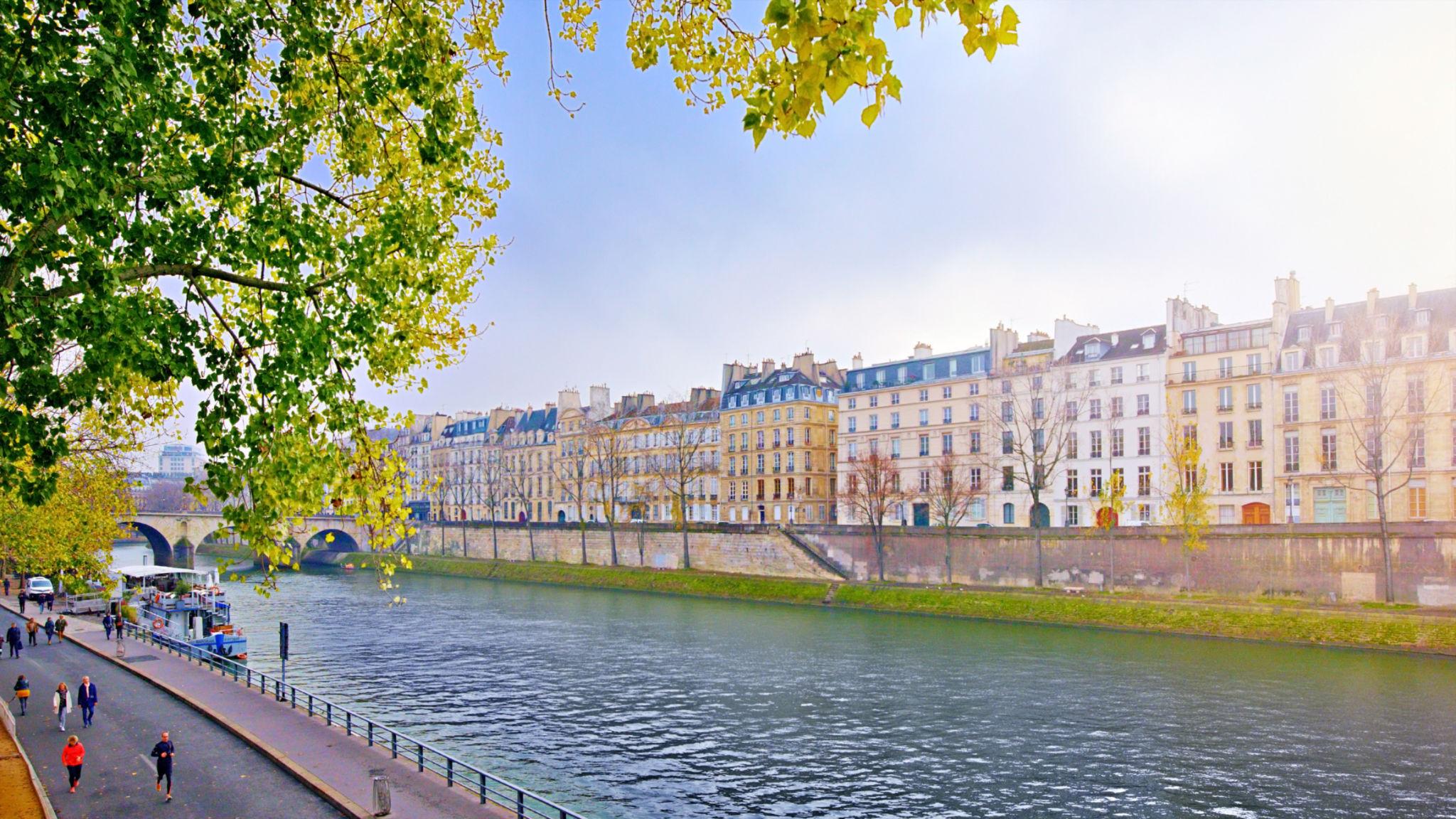
Paris experiences a temperate oceanic climate with four distinct seasons, making it a year-round destination for travelers. Weather conditions can vary considerably throughout the year, influencing everything from sightseeing comfort and outdoor dining to museum visits and day trips. While Paris rarely experiences extreme temperatures, understanding seasonal patterns can help visitors plan a more enjoyable stay.
One of the reasons Paris remains attractive throughout the year is its balance of seasonal variety and generally moderate weather. Spring flowers, long summer evenings, colorful autumn parks, and festive winter streets each offer a different perspective on the French capital.
Travelers interested in broader trip planning may also find our Best Time to Visit Paris guide useful when comparing seasons and visitor experiences.
Weather Overview
Paris enjoys relatively mild weather compared with many other European destinations. Summers are generally warm without being excessively hot, while winters are cool but rarely severe. Rainfall is distributed throughout the year rather than concentrated in a single season, meaning visitors should be prepared for occasional showers regardless of when they travel.
Daylight hours vary significantly between summer and winter. Summer visitors benefit from long evenings that allow additional sightseeing time, while winter travelers often enjoy quieter attractions and a more relaxed atmosphere.
Average Seasonal Conditions
While weather patterns vary from year to year, Paris generally experiences mild seasonal transitions. Spring and autumn are characterized by comfortable temperatures and moderate rainfall, while summer is warmer with longer daylight hours. Winter tends to be cool rather than severe, making year-round sightseeing possible.
Visitors should remember that weather conditions can change quickly, particularly during spring and autumn. Carrying an extra layer and a compact umbrella is often a practical choice regardless of season.
Many experienced travelers also prefer carrying a lightweight day bag for extra layers, water, and rain protection throughout the day.
Spring Weather in Paris
Spring gradually transforms Paris from winter's quieter atmosphere into one of the city's most attractive seasons. Parks, gardens, and tree-lined boulevards begin to bloom, while outdoor cafés become increasingly active.
March
March can be unpredictable, with cool temperatures and occasional rain. Visitors should expect a mixture of sunny and cloudy days and pack layers suitable for changing conditions. Temperatures typically range from around 5°C to 13°C.
April
April often brings milder weather and longer daylight hours. While occasional showers remain common, many visitors enjoy the increasing greenery throughout the city.
May
May is generally one of the most pleasant months for exploring Paris. Temperatures often range between 11°C and 20°C, creating comfortable conditions for walking, outdoor dining, and sightseeing.
Many travelers appreciate spring because major attractions can feel less crowded than during the busiest summer weeks while still offering favorable sightseeing conditions.
Summer Weather in Paris
Summer is the warmest and busiest season in Paris. Long daylight hours allow visitors to maximize their time, and numerous outdoor events contribute to a lively atmosphere throughout the city.
June
June offers comfortable temperatures and extended daylight, making it ideal for walking tours, river cruises, and outdoor dining.
July
July is one of the warmest months of the year, with temperatures commonly ranging from 16°C to 25°C. While conditions are usually pleasant, occasional heatwaves can occur.
August
August remains warm and popular with visitors. Some local businesses may reduce operating hours as residents take holidays, although major attractions continue welcoming tourists.
Evening walks along the Seine are particularly enjoyable during summer, when daylight extends well into the evening and outdoor spaces remain active.
Autumn Weather in Paris
Autumn brings cooler temperatures and colorful seasonal scenery. Many travelers consider it one of the most comfortable periods for exploring the city.
September
September often retains some summer warmth while offering more manageable visitor numbers. Conditions are generally favorable for sightseeing.
October
October introduces cooler temperatures and autumn colors in parks and gardens throughout the city. Typical temperatures range from around 10°C to 17°C.
November
November tends to be cooler and wetter, but museums, cafés, and cultural attractions remain excellent options during occasional rainy periods.
Autumn is particularly appealing for travelers interested in photography, as changing leaves add color to many of Paris's most famous landmarks and public spaces.
Winter Weather in Paris
Winter offers a quieter side of Paris. Temperatures are cool, daylight hours are shorter, and visitor numbers are generally lower than during peak travel periods.
December
December brings festive decorations, holiday markets, and seasonal events. The city's illuminated streets create a memorable atmosphere during the evenings.
January
January is typically the coldest month of the year, with temperatures often ranging between 3°C and 8°C. Visitors should prepare for cool conditions and occasional rain.
February
February remains cool but often signals the gradual transition toward spring. Crowds remain relatively manageable at many attractions.
Travelers focused on museums, galleries, and cultural experiences often appreciate winter's quieter conditions despite the cooler weather.
Rainfall and Sunshine
Rain can occur during any month in Paris, although prolonged periods of heavy rainfall are uncommon. Short showers are more typical and rarely disrupt travel plans for long.
Carrying a compact umbrella or lightweight waterproof jacket is usually sufficient for most visits. Summer generally offers the highest number of sunshine hours, while winter days tend to be shorter and cloudier.
Monthly Weather at a Glance
Paris experiences noticeable seasonal changes throughout the year, although extreme weather remains relatively uncommon. March and April can be changeable, with cool mornings, occasional rain, and gradually increasing daylight hours. May is often associated with comfortable temperatures and blooming parks, making outdoor sightseeing more enjoyable.
Summer brings the warmest weather and the longest days. June and July are typically ideal for evening walks, river cruises, and outdoor dining, while August remains warm and active despite some seasonal business closures. September often combines pleasant temperatures with a slightly calmer atmosphere than peak summer.
Autumn gradually introduces cooler conditions, particularly during October and November. Winter months are cooler and quieter, but major attractions remain accessible throughout the season. Travelers planning specific activities should consider both seasonal temperatures and daylight hours when building an itinerary.
Weather and Transportation
Weather rarely disrupts transportation in Paris, and the city's Metro system operates efficiently throughout the year. Rainy days may increase demand for public transportation, while pleasant weather often encourages visitors to explore neighborhoods on foot.
Travelers arriving through the city's airports should allow additional travel time during periods of heavy rain, particularly when using road transportation services. More information can be found in our Paris Airports Guide and Paris Transportation Guide.
Best Months for Sightseeing
Weather preferences vary from traveler to traveler, but spring and autumn are often appreciated for their combination of comfortable temperatures and pleasant walking conditions.
Summer provides longer days and a lively atmosphere, while winter offers opportunities to experience Paris with fewer crowds at many major attractions.
Visitors comparing seasons in greater detail should consult our Best Time to Visit Paris guide, which explores the advantages and considerations associated with each period of the year.
What to Pack for Paris
Comfortable walking shoes are essential regardless of season. Paris is a highly walkable city, and many visitors spend long hours exploring neighborhoods, museums, and attractions on foot.
Layered clothing works particularly well due to changing weather conditions throughout the day. A lightweight waterproof jacket or umbrella is also useful in any season.
Winter visitors should bring warmer outerwear, while summer travelers may wish to include sun protection and lightweight clothing for warmer afternoons.
Frequently Asked Questions About Paris Weather
What is the warmest month in Paris?
July is typically the warmest month, although temperatures can vary from year to year.
Does it rain often in Paris?
Rainfall occurs throughout the year, but it is usually moderate rather than extreme.
What is the coldest month in Paris?
January is generally the coldest month of the year.
Is Paris hot in summer?
Summers are usually warm and comfortable, although occasional heatwaves can occur.
Does Paris get snow?
Snow is possible during winter but is generally infrequent and usually does not remain on the ground for extended periods.
Is spring a good time to visit Paris?
Many travelers enjoy spring because of mild temperatures, blooming parks, and comfortable sightseeing conditions.
What should I wear in Paris?
Comfortable walking shoes and layered clothing are suitable for most seasons.
When are daylight hours longest in Paris?
Daylight hours are longest during June and the surrounding summer months.
What is the rainiest month in Paris?
Rainfall is relatively evenly distributed throughout the year, although some months may experience slightly wetter conditions than others.
Can I visit Paris in winter?
Yes. Winter offers a quieter atmosphere, shorter queues at many attractions, seasonal decorations, and a different perspective on the city.
What is the best month for good weather in Paris?
Many travelers enjoy May, June, September, and October because they often combine comfortable temperatures, pleasant walking conditions, and favorable sightseeing weather.