
FRANCE · PARIS GUIDE
Paris Itinerary
Use three full sightseeing days as a flexible first-visit starting point, then add or remove a district according to your interests. Arrival and departure days can contribute little usable time. The plans below use one main interior per half-day and leave space for meals, station walking and changes. All durations are editorial estimates, not reserved times or guaranteed queue lengths.
Book the fixed visits before choosing the day order
Put the visit that matters most on a day it actually operates, then arrange the rest around it. The Louvre closes on Tuesdays; the official admission page also has date-specific reservation rules. A tower ticket, cathedral visit and river cruise use different entrances and booking systems. Compare Attractions before locking in several interiors.
| Time available | Route focus | What to leave out |
|---|---|---|
| One day | One western or central river cluster | Multiple distant interiors and a rushed Montmartre detour. |
| Two days | Western landmarks plus Louvre / islands or Left Bank | A day trip and back-to-back major museums. |
| Three days | Two central days plus a separate Montmartre / neighbourhood day | An obligation to enter every landmark on the list. |
| Four or five days | Add one museum, a family activity or one day trip | Filling every spare hour with fixed appointments. |
One day: choose a single version of Paris
Western option: start with a booked Eiffel Tower visit if it is your priority. Allow roughly two to three hours for the whole visit as a planning margin, then take lunch and a flexible riverside walk. Add an exterior viewpoint or an optional short cruise from a convenient pier. Use transport if you want the Arc de Triomphe area; the entire route is not a short uninterrupted walk.
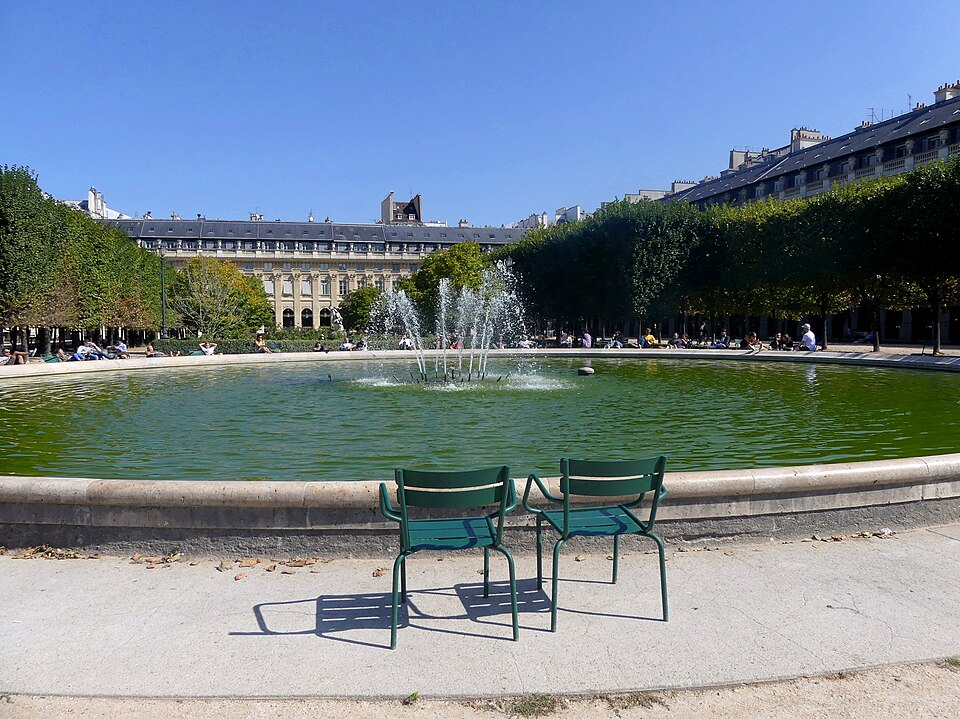
Central option: make the Louvre your morning priority, choose a limited set of galleries and leave the afternoon for the Tuileries and Palais-Royal. If art is not the goal, choose the islands and Latin Quarter instead. Do not promise yourself tower ascent, a Louvre interior and Montmartre in the same one-day visit.
Two days: add the contrasting district
Use one western day and one central day. If the Louvre is the main booking on the second day, spend the afternoon nearby or choose a short islands walk only if energy allows. If Notre-Dame and Sainte-Chapelle are the focus, give those visits their own timing and continue to the Latin Quarter. A cathedral visit and a separate tower climb are different products.
Three days: a workable first-visit sequence
Day 1: western landmarks and the river
Choose a morning tower appointment or an exterior walk, have lunch nearby and keep the afternoon to one western cluster. Invalides / Pont Alexandre III or the Arc de Triomphe can be the second focus, rather than trying to cover both extensively. If you add a cruise, confirm the actual pier before planning dinner.
Day 2: Louvre or islands, then a neighbourhood walk
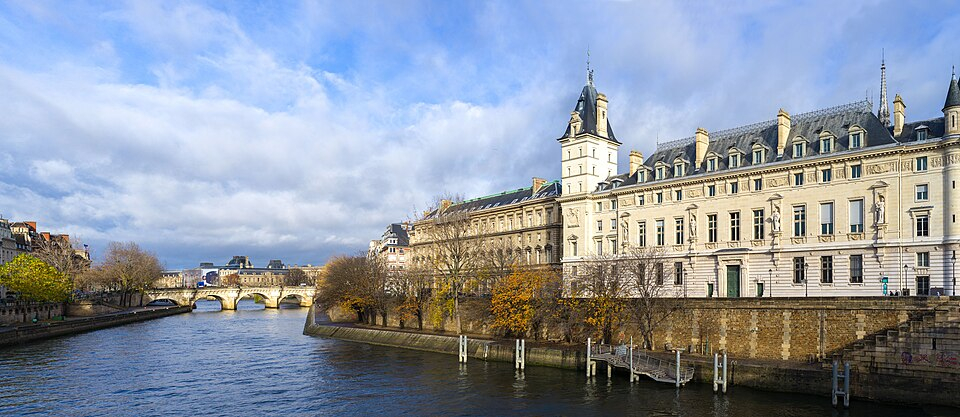
Make the Louvre the main indoor visit and combine it with nearby gardens, or make Île de la Cité the main historic area and continue to the Left Bank or Marais. These are alternatives, not a requirement to complete every site. Allow a proper meal and use the map to choose one direction after the islands instead of a long loop.
Day 3: Montmartre with time to stop
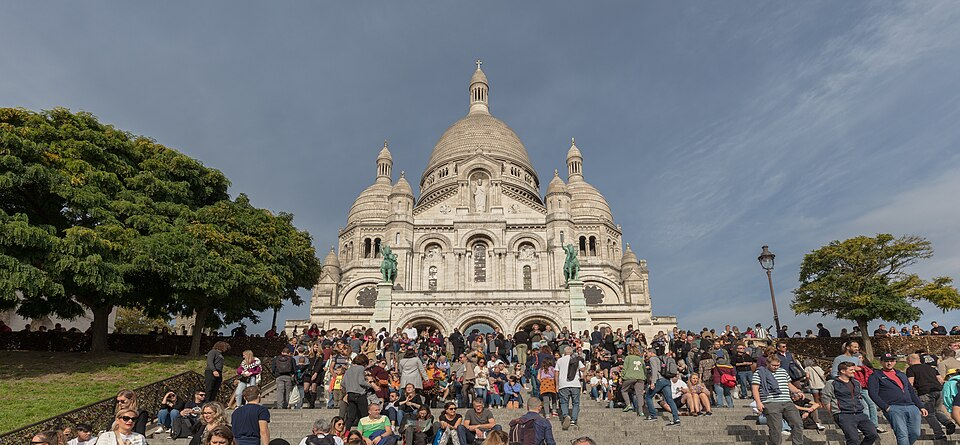
Give Montmartre its own morning or afternoon. Choose the approach according to the climbing you want, then leave time for the streets and a meal. Sacré-Cœur, a viewpoint and a comfortable neighbourhood route can fill a satisfying half-day. In the other half, choose a lower-energy local activity or a park instead of automatically booking another major museum.
Four days: add a different collection or an easy family day
Musée d’Orsay can provide a more focused art choice than repeating a second large Louvre session. Alternatively, choose a family activity around the Jardin des Plantes or La Villette. Keep the remainder of the day near that visit. Family Travel explains age and ticket checks; Things to Do offers flexible neighbourhood experiences.
Five days: decide whether to leave the city
Add one day trip if Versailles, Giverny or Fontainebleau is a real priority. Otherwise spend the extra day on the Marais, a market and a relaxed park or café break. An additional day is valuable because it reduces pressure; it does not need another sequence of demanding reservations.
A weekend and museum closures
Match the two-day version to the actual calendar. Check museum opening days, evening programmes and events that affect the streets. A Sunday return flight can remove most of a day. Do not use a generic weekend plan that assumes all mornings and evenings are available.
For a first visit
Choose two or three priorities and let the route explain which ones fit. A skyline view, one art collection and time in a neighbourhood often provide more contrast than several similar interiors. Leave a memorable meal or quiet walk unhurried.
For families
Build around one age-appropriate booking, meals, toilets and a genuine play break. Reduce distances and keep a wet-weather alternative. Do not assume an adult three-hour museum estimate suits every child.
For couples or slower travel
Keep an evening free for a chosen restaurant or performance, and avoid a demanding cross-city appointment immediately after it. A comfortable base and a room you like can matter more than an additional landmark.
Transport and accessible alternatives
Use Getting Around for ticket categories and live route checks. For step-free travel, verify each entrance, transfer and exit; Montmartre and canal footbridges can require a different route from a simple map line.
Choose the base after sketching the route
Compare the actual accommodation address with the mornings and returns you will repeat. Use Where to Stay for the district and Hotels for named properties. Include the airport or station journey.
Rain, heat or a disrupted booking
Move the flexible outdoor part, rather than replacing it with a distant attraction that requires another booking. Check the current forecast and transport. In heat, shorten exposed walks and use the City’s cooling and water guidance.
Is this a timed schedule?
No. These are route choices, not a promise of opening, queues or travel times. Your confirmed reservation, the official venue calendar and live transport decide the actual order.
Finish with a workable return
Know how you will reach the hotel and keep the last evening realistic before departure. For documents, money and useful contacts, use Travel Essentials.



