
FRANCE · PARIS GUIDE
Paris Food & Drink
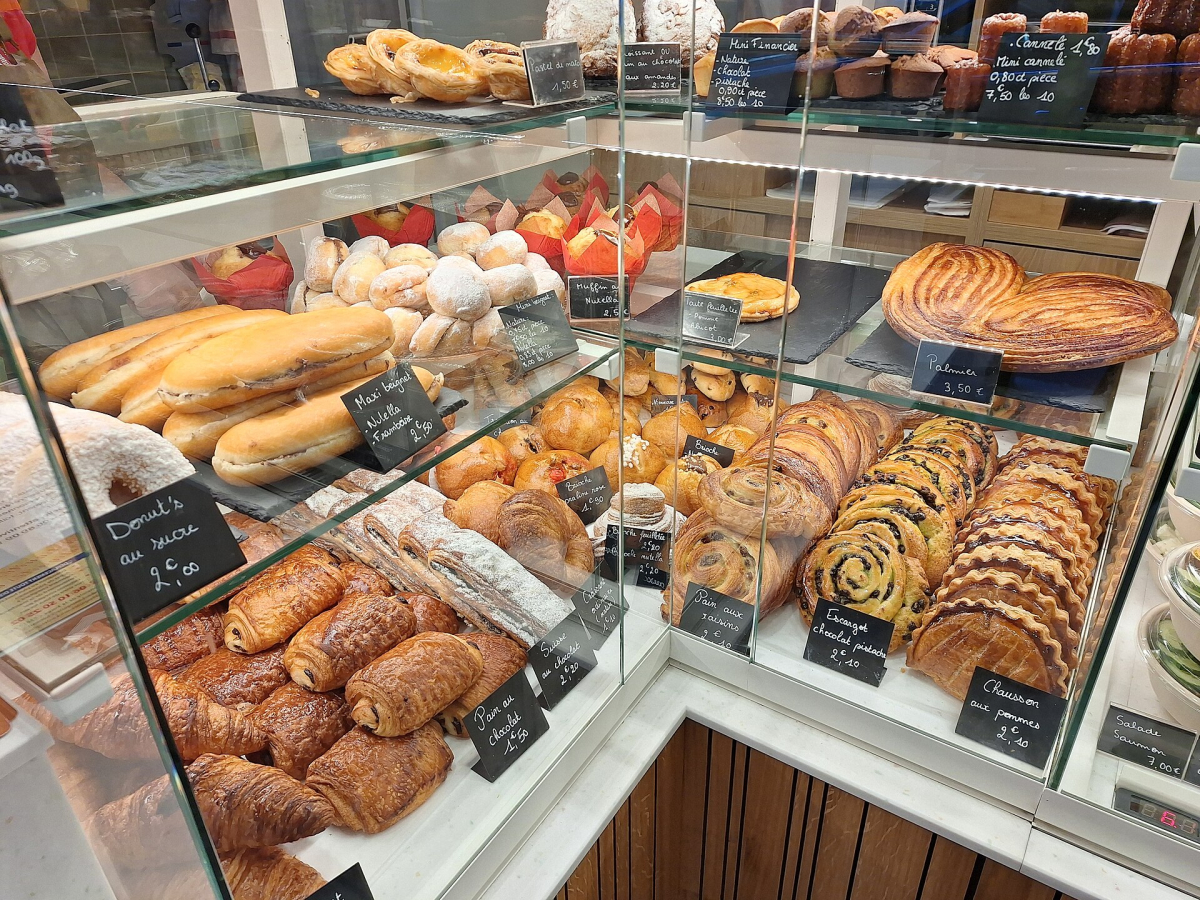
Paris is one of the world's most celebrated culinary destinations. The city is known for its rich food culture, historic cafés, artisan bakeries, elegant restaurants, and traditional French cuisine. From buttery croissants enjoyed at a neighborhood café to sophisticated multi-course dinners, food plays an important role in everyday life and travel experiences throughout the French capital.
Visitors quickly discover that eating in Paris is about much more than simply enjoying a meal. Local markets, bakeries, cafés, wine bars, and restaurants all contribute to a culinary culture that has influenced food traditions around the world. Whether you are interested in classic French dishes, fresh pastries, local cheeses, or fine wines, Paris offers countless opportunities to explore its food scene.
Travelers planning their culinary experiences may also find our Best Restaurants in Paris, Top Attractions in Paris, and Best Areas to Stay in Paris guides useful while organizing their visit.
Why Paris is Famous for Food
Paris has long been regarded as one of the world's culinary capitals. French cooking techniques, culinary schools, and restaurant traditions have influenced chefs and dining cultures across the globe. The city's reputation is built on both historic traditions and continuous innovation.
Food quality is highly valued throughout France, and visitors often notice the emphasis placed on fresh ingredients, artisan products, seasonal menus, and carefully prepared dishes. From local bakeries to Michelin-starred restaurants, quality and craftsmanship remain central to the dining experience.
Paris also benefits from access to ingredients sourced from many regions of France, allowing visitors to experience a wide variety of flavors without leaving the city.
Traditional Parisian Dishes
While Paris offers cuisine from around the world, many visitors arrive eager to try classic French dishes that have become closely associated with the city and the country's culinary heritage.
French Onion Soup
French onion soup is one of the most iconic dishes associated with Paris. Made with slow-cooked onions, rich broth, toasted bread, and melted cheese, it remains a popular choice in traditional bistros and restaurants throughout the city.
Why Try French Onion Soup?
- One of France's most famous dishes.
- Commonly served in traditional Parisian restaurants.
- Comforting and flavorful.
- Part of the city's culinary heritage.
Steak Frites
Steak frites combines grilled steak with French fries and remains one of the most recognizable dishes served in Paris. Its simplicity and popularity have made it a staple in cafés, brasseries, and classic French restaurants.
Duck Confit
Duck confit is a traditional French specialty prepared using a slow-cooking process that creates tender meat and rich flavors. It is frequently found on menus featuring regional French cuisine.
Beef Bourguignon
Originally associated with the Burgundy region, beef bourguignon has become a classic French dish enjoyed throughout Paris. The slow-cooked beef, vegetables, and wine-based sauce create a hearty and memorable dining experience.
Escargots
Escargots, or snails prepared with garlic butter and herbs, remain one of the most famous French delicacies. While not every visitor chooses to try them, they continue to be a notable part of traditional French cuisine.
Order a classic with its ingredients in mind
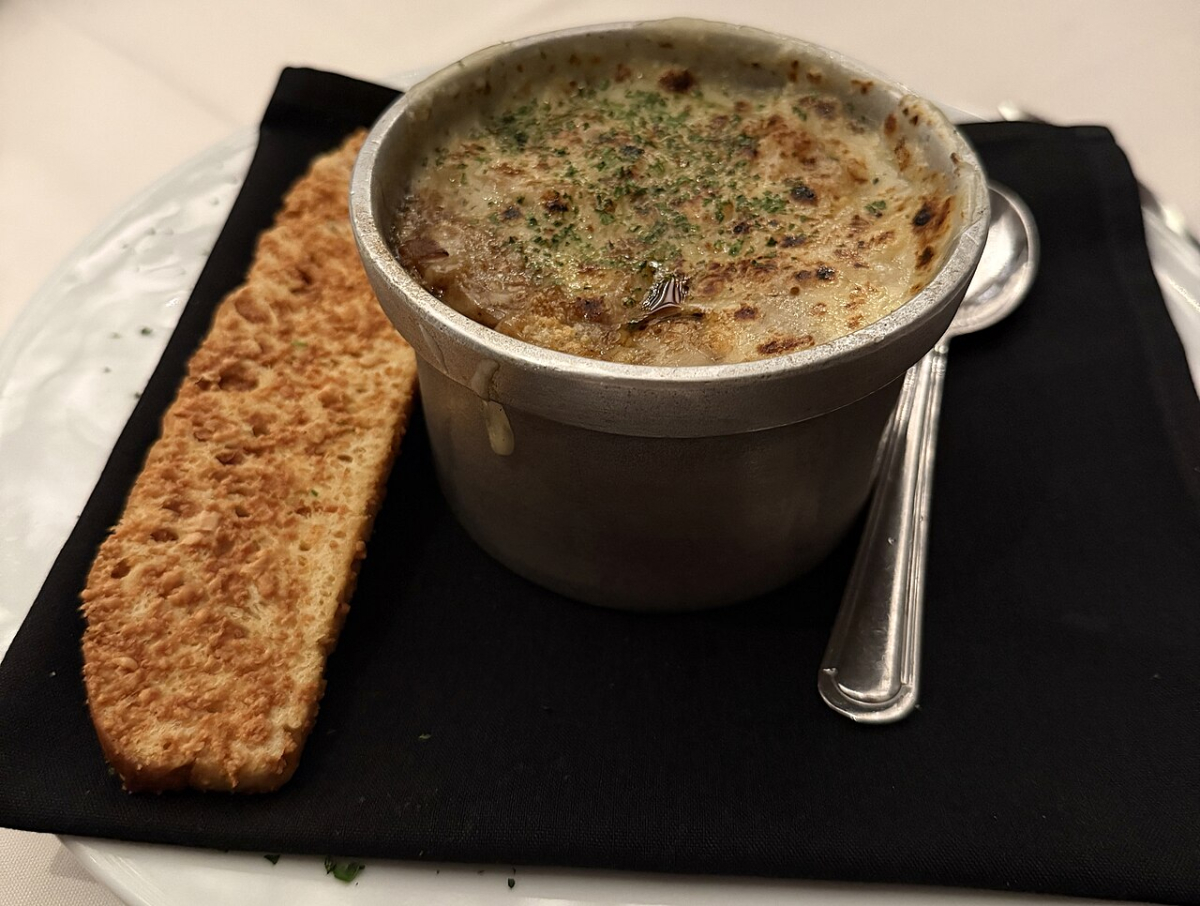
Soupe à l’oignon gratinée combines onion soup, bread and a browned cheese top. The stock can be meat-based, so an onion-led name does not make it vegetarian. It works as a warming starter or lighter meal depending on the portion. Ask about the stock and cheese if either matters to you.
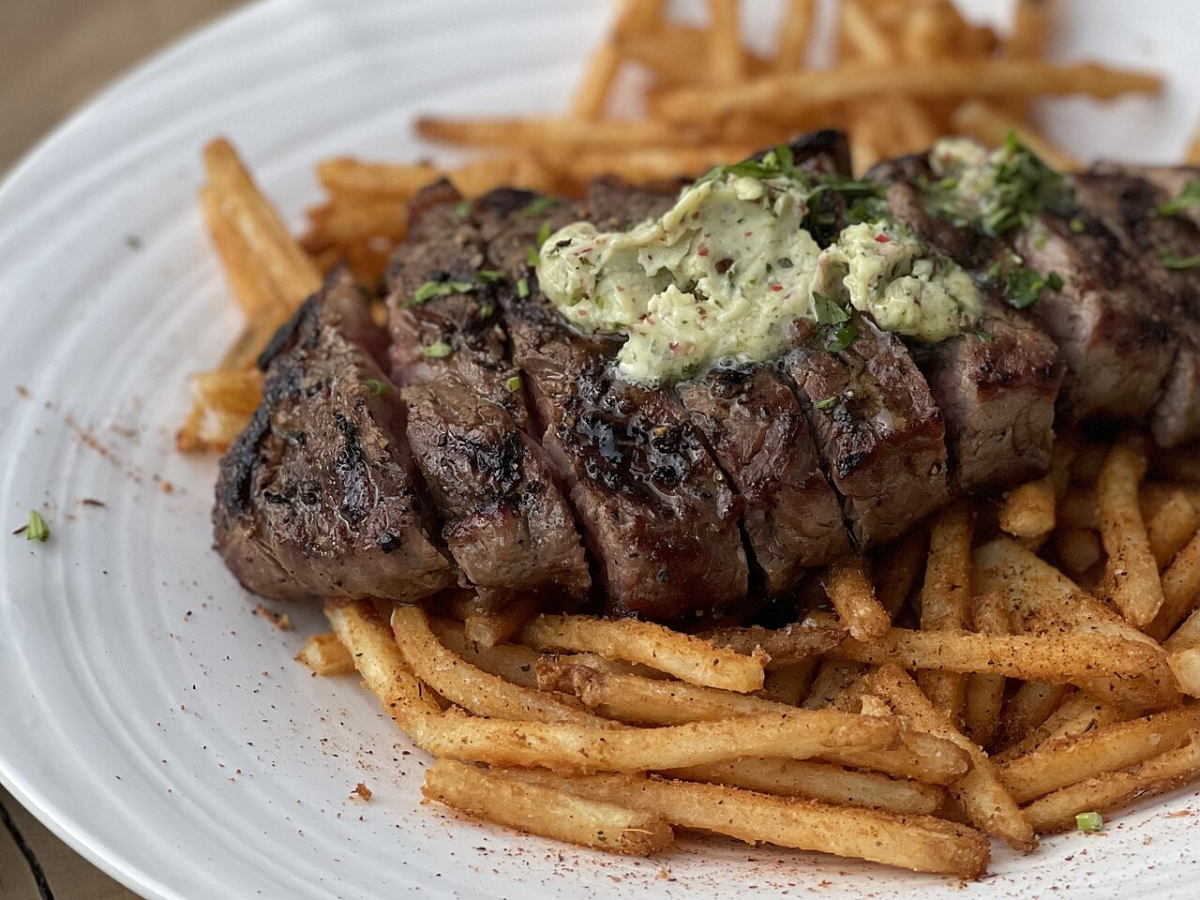
Steak frites is a straightforward choice when you want a main course with a clear format. Ask about the cut, sauce and cooking level rather than judging only the shortest menu price. Saignant, à point and bien cuit describe different preferences; discuss yours with the server. This is a French brasserie classic found in Paris, rather than a dish exclusive to the city.
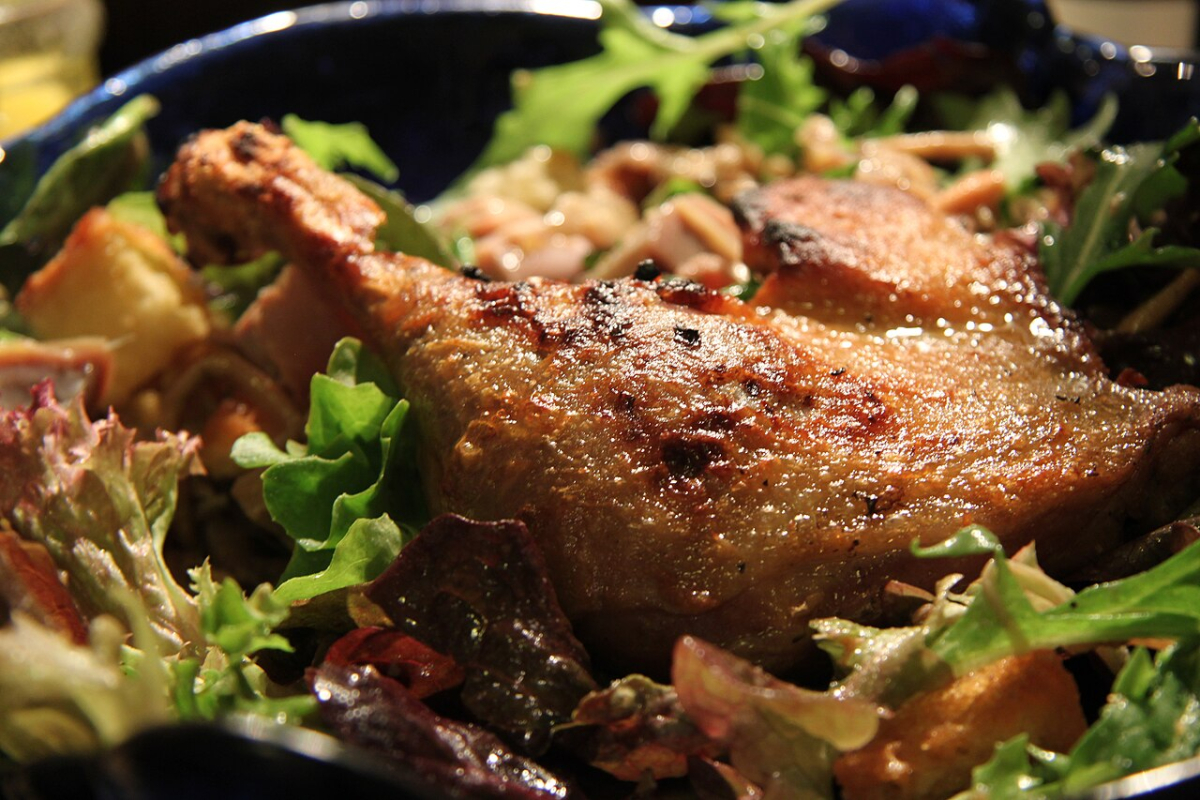
Confit de canard pairs preserved, slowly cooked duck with a crisped finish; potatoes are a common accompaniment. It belongs to a wider southwestern French tradition and appears on Paris menus. Compare it with a wine-braised dish such as bœuf bourguignon when deciding between crisp texture and a sauce-based main. Menus and accompaniments change.
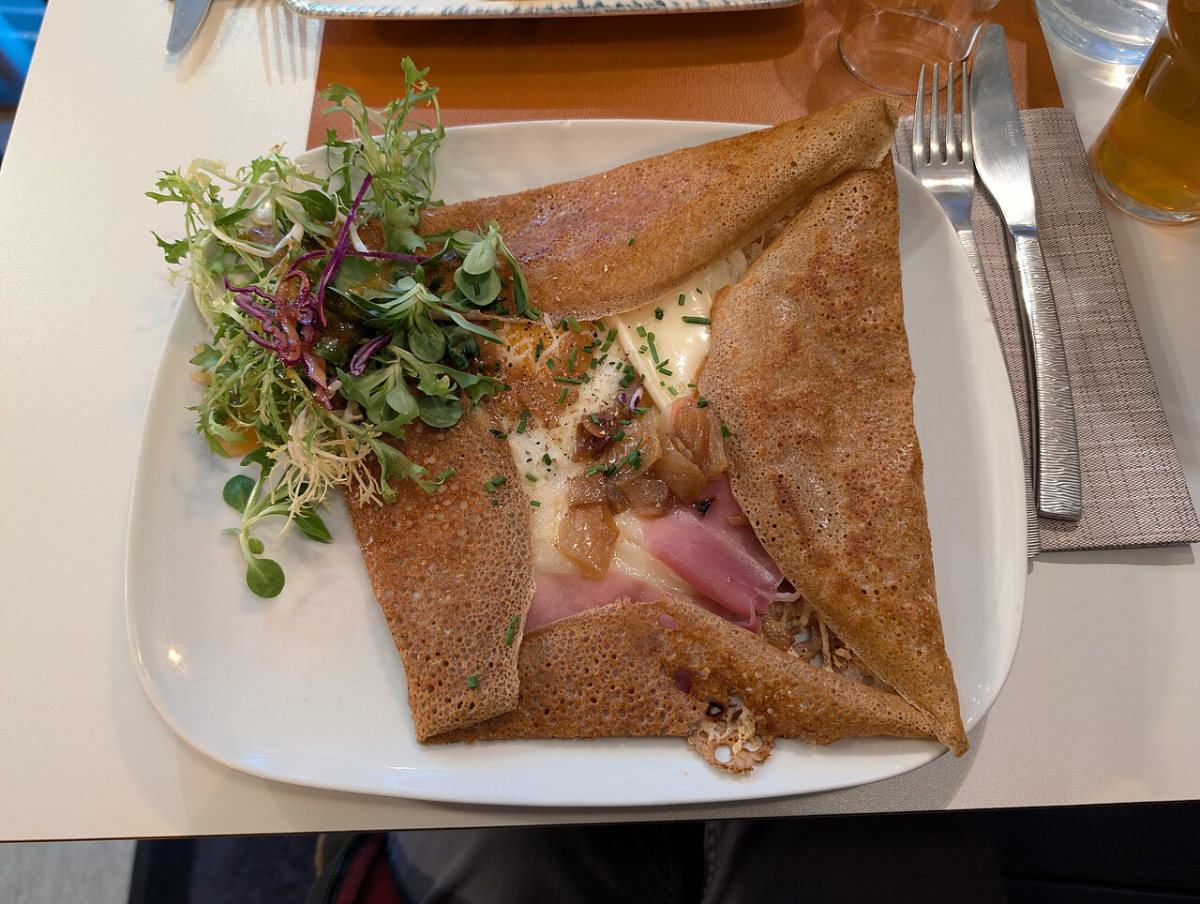
A buckwheat galette gives a different kind of sit-down lunch. A complète commonly brings ham, egg and cheese together; other fillings vary by crêperie. The tradition is Breton, enjoyed at many Paris addresses. Buckwheat alone is not a guarantee of a gluten-free meal: check the actual batter, fillings and shared cooking surface. Pair a savoury galette with a simple sweet crêpe if that suits your appetite.
The dish photographs illustrate the named food; they are not claims about a current plate at a recommended Paris restaurant. Use Paris Restaurants for named venues and their own current menus.
Pastries and Desserts
Paris is equally famous for its bakeries and pastry shops. Many travelers consider sampling fresh pastries an essential part of the Paris experience.
Croissants
Freshly baked croissants are among the most recognizable symbols of French breakfast culture. Their flaky texture and buttery flavor make them a favorite choice in cafés and bakeries across the city.
Pain au Chocolat
Pain au chocolat is another bakery favorite. Similar to a croissant but filled with chocolate, it is commonly enjoyed as a breakfast pastry or afternoon treat.
Macarons
These colorful almond-based pastries have become internationally associated with Paris. Available in a wide variety of flavors, macarons are popular among both visitors and locals.
Crème Brûlée
Crème brûlée remains one of France's most beloved desserts. Its creamy custard base and caramelized sugar topping create a classic combination that continues to appear on restaurant menus throughout the city.
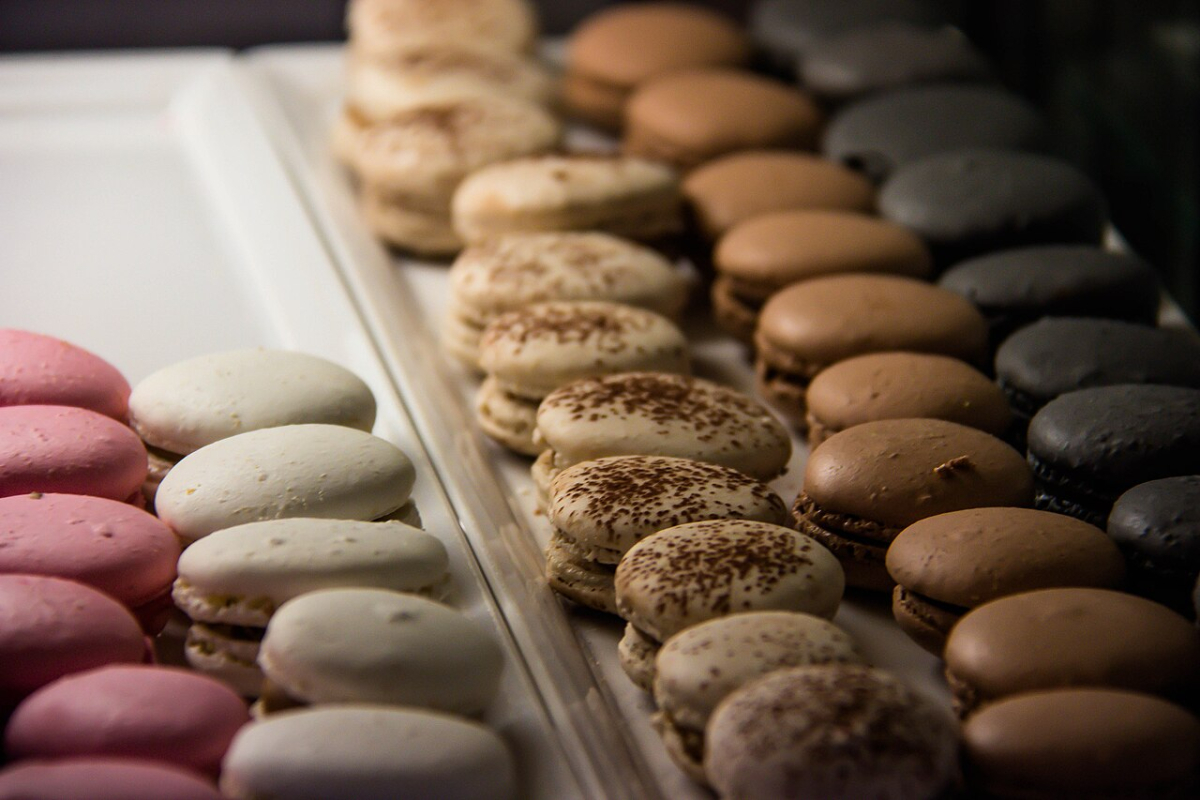
Macarons: compare a small selection rather than buying a large box before tasting. The almond-based shells and fillings mean allergens and storage advice deserve attention. For a gift, ask how long the specific assortment should be kept and whether it travels well; see Paris souvenirs.
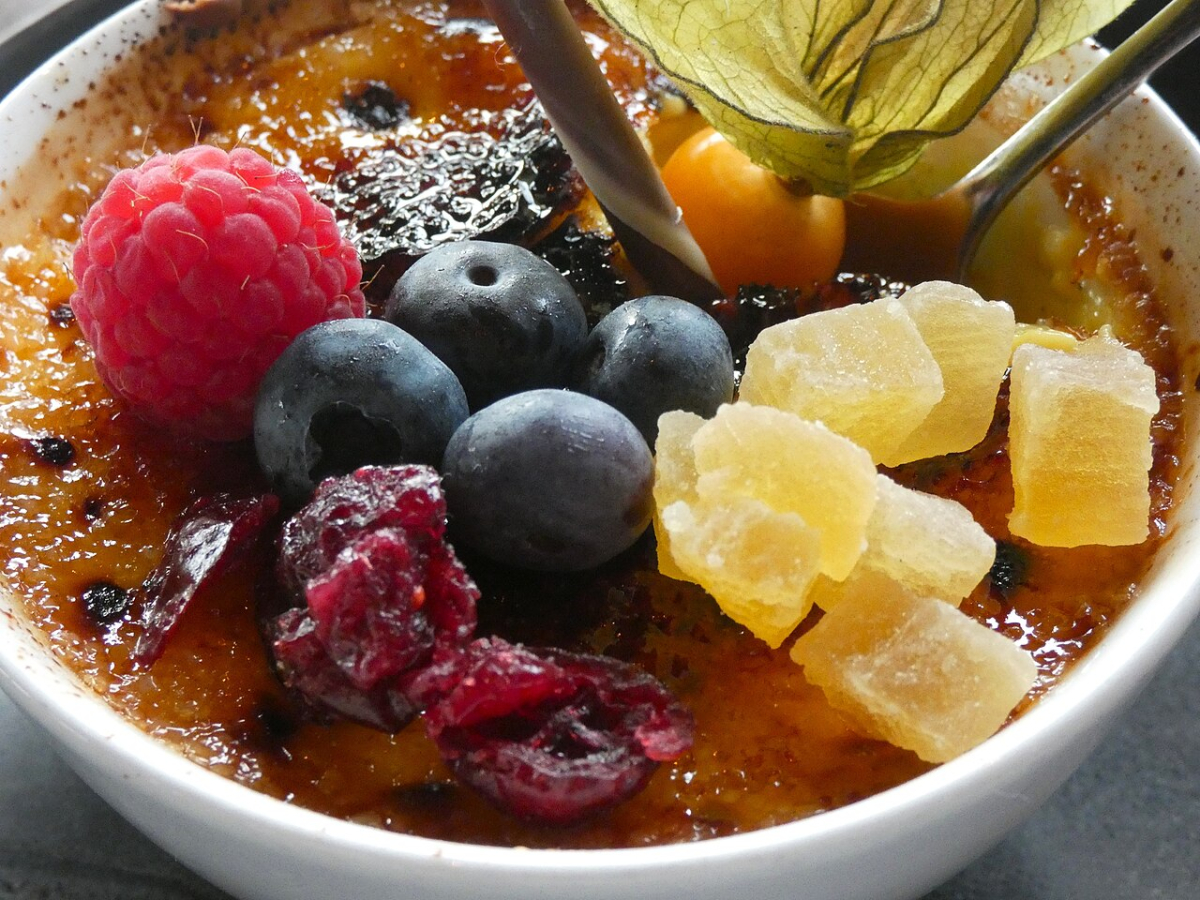
Crème brûlée: the contrast between a crisp caramelised surface and cool custard makes it a useful dessert choice when you want something other than pastry. It normally contains dairy and egg. A photograph shows the form of the dessert, not a promise that every venue serves the same recipe or size.
Cheese and Charcuterie
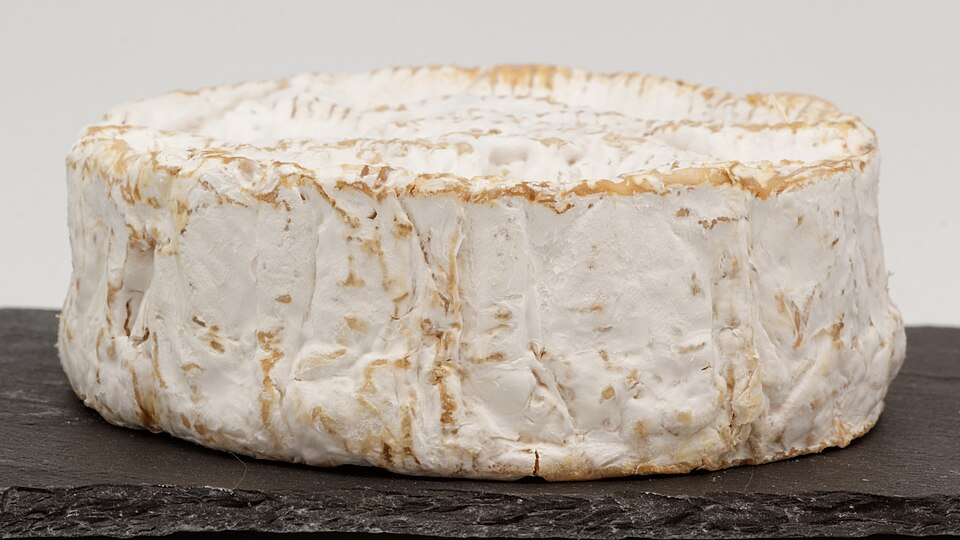
France is internationally renowned for its cheese culture, and Paris offers countless opportunities to sample regional varieties from across the country. Cheese shops, markets, wine bars, and restaurants frequently showcase selections that reflect the diversity of French culinary traditions.
Visitors may encounter soft cheeses, aged varieties, creamy specialties, and regional favorites originating from Normandy, Burgundy, the Alps, and many other parts of France.
Charcuterie is another important part of French food culture. Traditional cured meats, pâtés, terrines, and specialty sausages are often served alongside cheese and fresh bread, creating a classic French dining experience.
Why Try Cheese and Charcuterie?
- Represents a traditional French culinary experience.
- Widely available in cafés, wine bars, and restaurants.
- Excellent pairing with French wines.
- Offers flavors from different regions of France.
French Wines
French wine plays an important role in Parisian dining culture. Visitors can enjoy wines produced in some of the world's most famous wine regions, including Bordeaux, Burgundy, Champagne, the Loire Valley, and the Rhône Valley.
Wine lists in Paris range from approachable local selections to prestigious labels served in fine dining establishments. Many restaurants and wine bars are happy to recommend pairings based on individual preferences.
Even travelers with limited wine knowledge often find Paris an enjoyable place to learn more about French wine traditions and regional specialties.
Coffee Culture in Paris
Café culture is deeply woven into everyday life in Paris. Sidewalk cafés, neighborhood coffee shops, and historic establishments provide spaces where locals and visitors gather throughout the day.
Many travelers begin their mornings with coffee and pastries while observing daily life from a café terrace. Others return later in the day for conversation, people-watching, or a relaxing break between sightseeing activities.
While coffee culture continues to evolve with specialty coffee shops and modern cafés, traditional Parisian cafés remain among the city's most recognizable cultural experiences.
Popular Coffee Choices
- Espresso.
- Café crème.
- Cappuccino.
- Café au lait.
- Specialty coffee drinks.
What to Drink in Paris
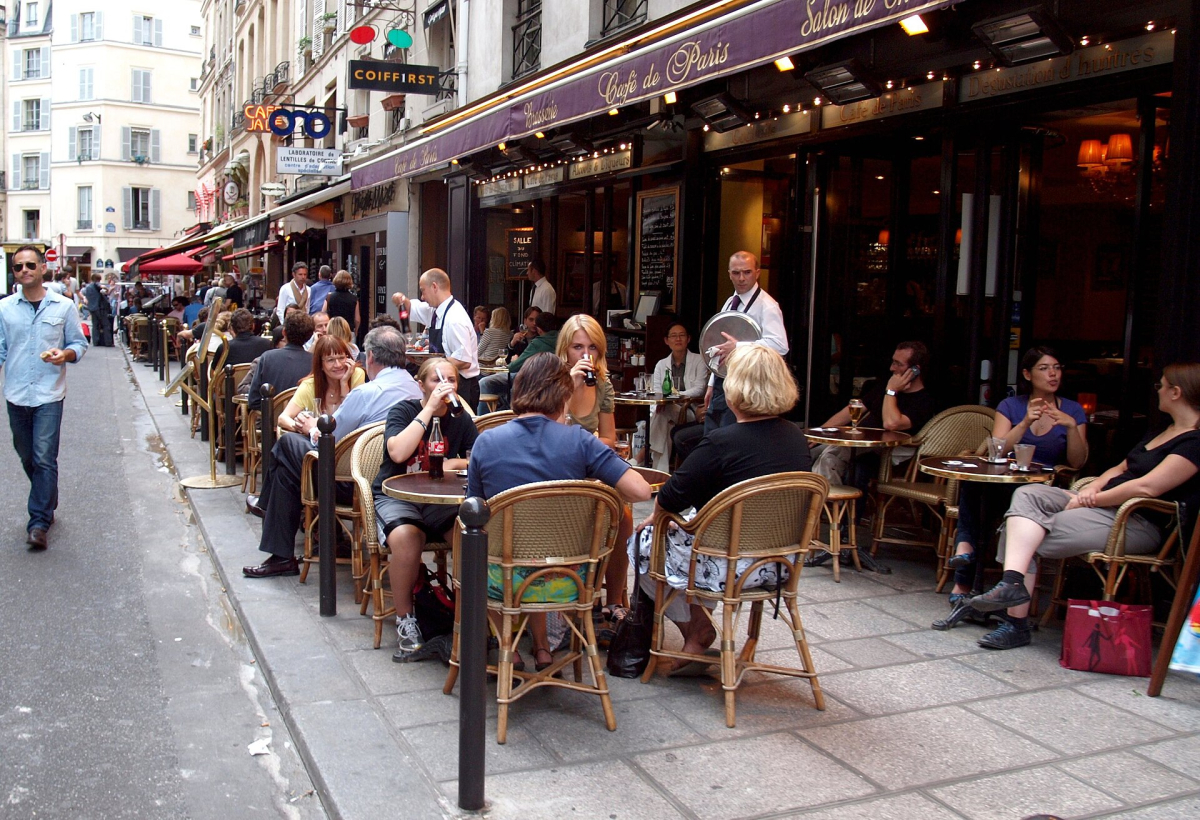
In addition to wine and coffee, Paris offers a variety of beverages that complement the city's food culture. Visitors can enjoy fresh juices, sparkling beverages, traditional French aperitifs, craft cocktails, and regional specialties.
Seasonal drinks are also common, with outdoor cafés and terraces often adjusting their offerings throughout the year.
Travelers interested in evening experiences may also enjoy our Paris Nightlife Guide, which explores rooftop bars, cocktail lounges, and after-dark entertainment throughout the city.
Food Markets in Paris
Food markets provide some of the most authentic culinary experiences available in Paris. Visitors can browse stalls selling fresh produce, artisan cheeses, baked goods, seafood, charcuterie, flowers, and regional specialties.
Exploring local markets offers valuable insight into everyday Parisian life while allowing travelers to sample products directly from producers and specialty vendors.
Many visitors discover that markets provide excellent opportunities to enjoy informal meals, purchase picnic supplies, and experience local food culture away from major tourist attractions.
Visitors exploring markets, cafés, and dining districts throughout the city may also find our Paris Transportation Guide useful for planning convenient travel between neighborhoods.
Dining Tips for Visitors
A few practical tips can help visitors make the most of their culinary experiences in Paris.
- Reserve popular restaurants in advance.
- Try both famous establishments and neighborhood venues.
- Explore local bakeries for breakfast and snacks.
- Allow time to enjoy meals at a relaxed pace.
- Visit food markets to experience local culture.
Travelers planning seasonal food experiences may also wish to review our Weather & Best Time to Visit and Weather & Best Time to Visit before finalizing their itinerary.
Choose the meal that fits the day
For a quick morning, compare a bakery takeaway with the breakfast included at your accommodation. For lunch, a bistro or a prepared-food market stall serves a different purpose from a long tasting menu. Read what a set menu includes, including drinks and supplements, before comparing it with individual dishes.
Ask about ingredients and cross-contact rather than assuming a French name establishes an allergen-safe dish. A vegetarian soup may still require a question about the stock; a cheese or pastry can contain ingredients you need to check. The City’s market directory helps confirm a particular trading day. Our Restaurants guide handles choosing a venue and its booking conditions; Shopping handles products to carry home.
A food day around your sightseeing
For a Louvre-side day, start with breakfast near your accommodation, choose one museum entry, and keep lunch close enough that you can sit down without another long transfer. For a Marais day, compare a galette, market meal or café lunch before reserving a more substantial dinner. An early train departure calls for checking the bakery or station offer the evening before. These are meal-planning patterns, rather than a fixed menu to follow.
At a restaurant, say une carafe d’eau if you would like tap water, and check what is included in a formule. Tell staff about an allergy before ordering and confirm the ingredients and preparation; a short English translation is not a full allergen assessment. For dietary requests, choose from a current menu and contact the actual venue if an answer is essential.
Frequently Asked Questions About Food and Drinks in Paris
What food is Paris famous for?
Paris is famous for croissants, French onion soup, steak frites, macarons, cheese, pastries, and a wide range of traditional French dishes.
What is a typical Parisian breakfast?
A traditional breakfast often includes coffee, a croissant or pastry, bread with butter and jam, and sometimes fresh juice.
Are French pastries worth trying in Paris?
Yes. Paris is considered one of the best places in the world to enjoy freshly baked pastries and traditional French desserts.
Is Paris expensive for food?
Paris offers dining options across a wide range of budgets, from affordable bakeries and cafés to luxury fine dining restaurants.
What drinks should I try in Paris?
Visitors often enjoy French wines, coffee specialties, fresh juices, cocktails, and regional beverages available throughout the city.
Are food markets worth visiting?
Yes. Food markets offer authentic local experiences and provide opportunities to sample regional products and specialties.
Is tipping expected in Paris restaurants?
Service is generally included in restaurant prices, although leaving a small tip for excellent service is appreciated.
Can vegetarians find food easily in Paris?
Yes. Vegetarian and vegan options have become increasingly available throughout the city in recent years.
What is the best dessert to try in Paris?
Popular choices include macarons, crème brûlée, éclairs, tarts, and many other pastries available in Parisian bakeries and cafés.
Should I make restaurant reservations?
Reservations are recommended for popular restaurants, especially during weekends, holidays, and peak travel periods.
Final Thoughts
Paris offers one of the world's most rewarding culinary experiences. From traditional French dishes and artisan pastries to local markets, wine bars, and historic cafés, the city provides endless opportunities to explore its food culture.
Whether you are enjoying breakfast at a neighborhood café, sampling regional cheeses, discovering local markets, or dining in an elegant restaurant, food and drink remain central to the Paris travel experience.
To continue planning your trip, explore our Best Restaurants in Paris, Paris Nightlife Guide, Top Attractions in Paris, and Best Hotels in Paris.
The Paris tourism office’s food guide gives local context, while regional French traditions also shape the city’s menus. Check the named restaurant’s own menu for what is served on your dates.



