
Best Time to Visit Paris
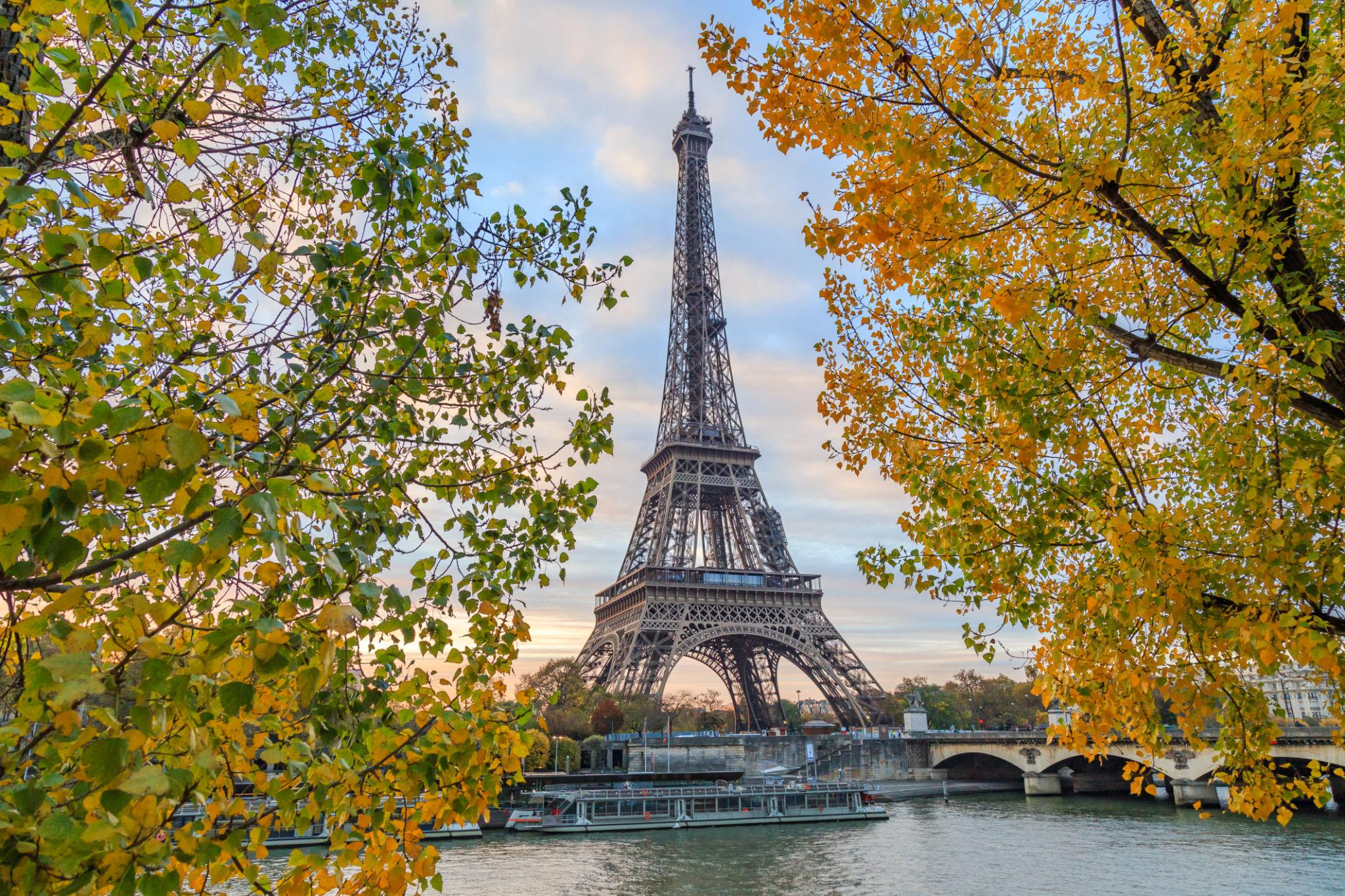
Choosing the best time to visit Paris depends largely on what kind of experience you are looking for. Some travelers prioritize comfortable weather and outdoor sightseeing, while others focus on museum visits, seasonal events, photography, or avoiding peak visitor periods. Because Paris remains active throughout the year, every season offers its own advantages.
The French capital changes noticeably from season to season. Spring brings blooming parks and café terraces, summer offers long daylight hours and a lively atmosphere, autumn introduces colorful scenery and comfortable temperatures, while winter delivers festive streets and quieter attractions.
Travelers seeking detailed climate information should also consult our Paris Weather Guide for seasonal weather patterns and packing recommendations.
Why Timing Matters in Paris
The timing of your visit can influence accommodation prices, attraction queues, transportation demand, daylight hours, and the overall atmosphere of the city. While Paris is one of Europe's most visited destinations throughout the year, different seasons appeal to different types of travelers.
Understanding these seasonal differences can help visitors build an itinerary that matches their interests, budget, and travel style.
Paris in Spring
Spring is often associated with blooming gardens, comfortable temperatures, and increasing outdoor activity. Parks such as the Luxembourg Gardens and Tuileries Garden become particularly attractive during this period.
Café terraces become busier, daylight hours gradually increase, and many visitors appreciate the balance between pleasant conditions and manageable crowds.
Many visitors find spring particularly rewarding because Paris feels more active after winter while remaining easier to navigate than during the busiest summer weeks. Outdoor cafés, riverside walks, and public gardens often become highlights of a spring itinerary.
Spring is particularly appealing for travelers who enjoy walking, photography, and outdoor sightseeing.
Paris in Summer
Summer brings the longest days of the year and a lively atmosphere throughout the city. Extended daylight allows visitors to spend more time exploring neighborhoods, riverbanks, museums, and outdoor attractions.
This is also one of the busiest periods for tourism. Popular attractions often experience higher visitor numbers, and accommodation demand can increase significantly.
Many visitors enjoy summer because the extended daylight hours allow sightseeing well into the evening.
For travelers who enjoy outdoor events, evening walks, and vibrant city life, summer remains an attractive option despite larger crowds.
Paris in Autumn
Autumn combines cooler temperatures with colorful seasonal scenery. Tree-lined boulevards, public parks, and riverside walks take on a different character as leaves begin to change color.
Many travelers appreciate autumn because it often offers a balance between comfortable sightseeing conditions and a slightly calmer atmosphere compared with peak summer periods.
The season is especially popular among photographers and visitors interested in exploring the city at a slower pace.
Paris in Winter
Winter offers a quieter side of Paris. Visitor numbers are generally lower than during the busiest months, and many attractions become easier to experience without long queues.
Seasonal decorations, festive markets, and illuminated streets create a distinctive atmosphere that differs significantly from other times of the year.
Winter can be particularly rewarding for travelers who prioritize museums, galleries, dining experiences, and cultural activities over outdoor sightseeing.
Best Time for Sightseeing
Many visitors favor spring and autumn for general sightseeing. Comfortable temperatures and pleasant walking conditions often make exploring neighborhoods and major attractions more enjoyable.
Travelers who plan to spend long hours outdoors frequently appreciate these seasons because they combine moderate weather with attractive city scenery.
Best Time for Museums and Culture
Paris is home to some of the world's most famous museums and cultural institutions. While these attractions remain accessible throughout the year, winter and quieter shoulder seasons often provide a more relaxed experience.
Visitors focused on art, history, architecture, and cultural exploration frequently appreciate periods when major attractions feel less crowded.
Best Time for Budget Travelers
Accommodation prices and travel costs can vary depending on demand. Travelers seeking better value often compare several travel periods rather than focusing exclusively on peak visitor seasons.
Flexibility with travel dates can sometimes provide access to lower hotel rates and more accommodation choices.
Visitors researching accommodation options may also find our Paris Hotels Guide and Best Areas to Stay in Paris useful.
Best Time for First-Time Visitors
First-time visitors often seek a balance between comfortable weather, manageable crowds, and sufficient daylight hours to maximize sightseeing opportunities. For many travelers, late spring and early autumn provide that balance, offering favorable conditions for walking, photography, and outdoor exploration.
Travelers visiting Paris for the first time may also benefit from staying in a central neighborhood with convenient access to major attractions. Our guides to Paris Hotels and Best Areas to Stay in Paris can help with planning.
Best Time for Families
Families often look for a combination of favorable weather, manageable schedules, and access to parks, attractions, and outdoor activities.
Periods with comfortable temperatures and longer daylight hours can make family sightseeing easier, particularly when visiting multiple attractions in a single day.
Best Time for Photography
Every season offers unique photographic opportunities in Paris. Spring provides blooming gardens, summer delivers long golden-hour evenings, autumn introduces colorful foliage, and winter creates atmospheric streets illuminated by seasonal lights.
Photographers often choose their travel dates based on the visual character they wish to capture rather than weather conditions alone.
Month-by-Month Summary
March and April often bring changing conditions and the first signs of spring. May is frequently associated with comfortable temperatures and active outdoor spaces.
June, July, and August provide the longest days and the busiest tourism season. September combines pleasant weather with a slightly calmer atmosphere, while October introduces autumn colors throughout the city.
November is generally quieter, and December offers festive decorations and seasonal events. January and February remain cooler but can provide a more relaxed sightseeing experience.
Regardless of season, visitors can rely on the city's extensive public transport network. See our Paris Transportation Guide for practical information about getting around the city.
Frequently Asked Questions About the Best Time to Visit Paris
What is the best overall time to visit Paris?
Many travelers enjoy spring and autumn because they often combine comfortable temperatures, attractive scenery, and favorable sightseeing conditions.
Is Paris crowded in summer?
Summer is generally one of the busiest periods for tourism, particularly around major attractions and popular neighborhoods.
Is winter a good time to visit Paris?
Yes. Winter offers a quieter atmosphere, festive decorations, and easier access to many cultural attractions.
What is the cheapest time to visit Paris?
Travel costs vary, but flexible travelers can often find better value outside peak tourism periods.
Which season is best for photography?
Spring and autumn are particularly popular, although every season offers distinctive photographic opportunities.
When are the days longest in Paris?
Daylight hours are longest during June and the surrounding summer months.
Is spring a popular time to visit Paris?
Yes. Blooming parks, pleasant temperatures, and outdoor cafés make spring a favorite season for many visitors.
Should I visit Paris in autumn?
Autumn offers colorful scenery, comfortable temperatures, and a generally relaxed sightseeing environment.
What season is best for museum visits?
Many travelers enjoy winter and quieter shoulder seasons because attractions can feel less crowded.
What is the best time to visit Paris for first-time visitors?
Many first-time visitors prefer late spring or early autumn because these periods often combine comfortable temperatures, pleasant walking conditions, and manageable visitor numbers.
How many days should I spend in Paris?
Many first-time visitors find that three to five days provides enough time to experience major attractions and neighborhoods.