
FRANCE · PARIS GUIDE
Paris Photos & Photo Spots: A Practical Route
Choose the photograph before choosing the route. A bridge composition, a layered skyline and a residential street need different light and different amounts of space. This guide focuses on photographic decisions rather than repeating monument admissions. The images are licensed reference photographs; they are not personal field-test claims or proof of current access.
| Area | Composition to try | Light / access decision |
|---|---|---|
| Bir-Hakeim and the Seine | Bridge structure, river movement and layered buildings | Check pedestrian paths and rail/cycle activity; direction of light changes with season. |
| Pont Alexandre III | Bridge lamps, river perspective and the Grand Palais beyond | Keep crossings clear; lower quays may close during high water. |
| Montmartre side streets | A bend in the road, steps or a distant architectural layer | Residential access and slopes matter; early light is not a guarantee of empty streets. |
Bir-Hakeim: separate the bridge from the Eiffel Tower shot
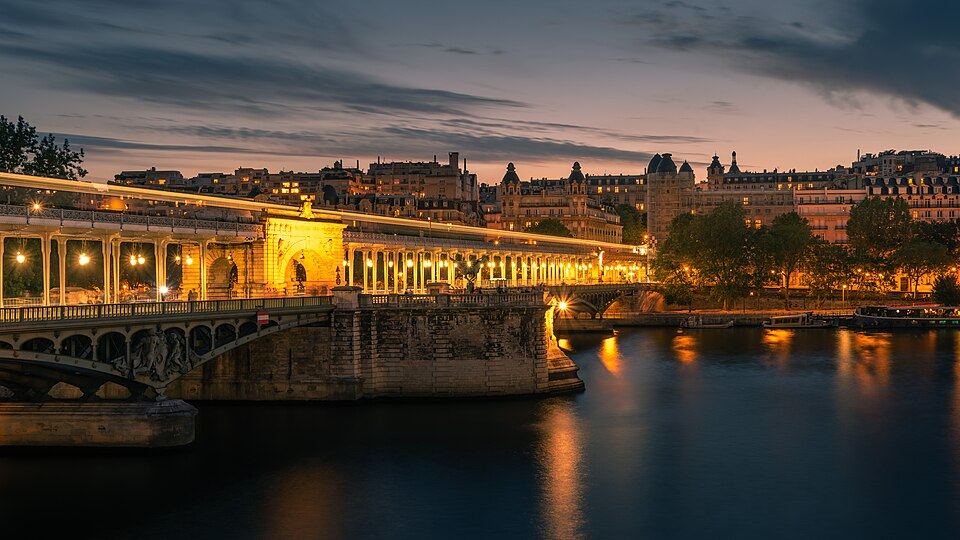
The bridge offers repeating steel structure and a view of the river. Decide whether you want the bridge as the subject or as a frame for a more distant skyline. A longer focal length can compress buildings; a wider view explains the bridge and water relationship. Do not rely on a single famous social-media standing position.
Pedestrian space, cycle movement and the railway are active infrastructure. Keep equipment compact and leave a clear route. For a different level, confirm the actual access to the riverside or Île aux Cygnes before carrying equipment down steps. A static photograph does not establish that a particular lower path is open on your day.
Cloud cover can help with architectural contrast when strong sun makes the steel and sky difficult to expose together. Early or late light depends on the sun’s seasonal position; check an actual forecast and sun direction for your date rather than assuming every sunrise illuminates the same side.
Pont Alexandre III: use foreground and river depth
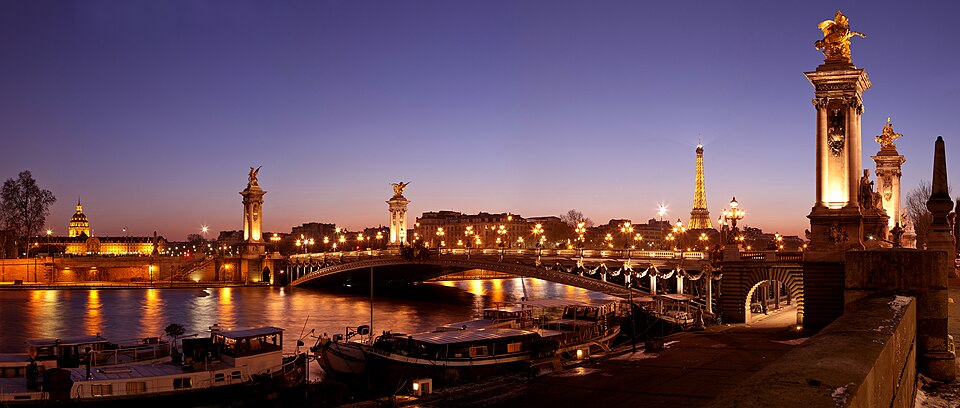
Use a lamp or bridge detail as a foreground anchor, then check that it does not obscure the distant roofline. Moving a short distance can separate overlapping objects more effectively than changing lenses. A river-level viewpoint gives a different relationship to the Grand Palais than the bridge deck, but access can change with water levels and works.
For people in the frame, wait for an unintrusive moment and avoid stopping a stream of pedestrians. Long exposures need stable equipment and a safe position; do not set tripod legs across the public route. Rules for organised or commercial shoots differ from an informal personal visit, so check the City and relevant property owner before planning a production.
Montmartre: street shape and layers
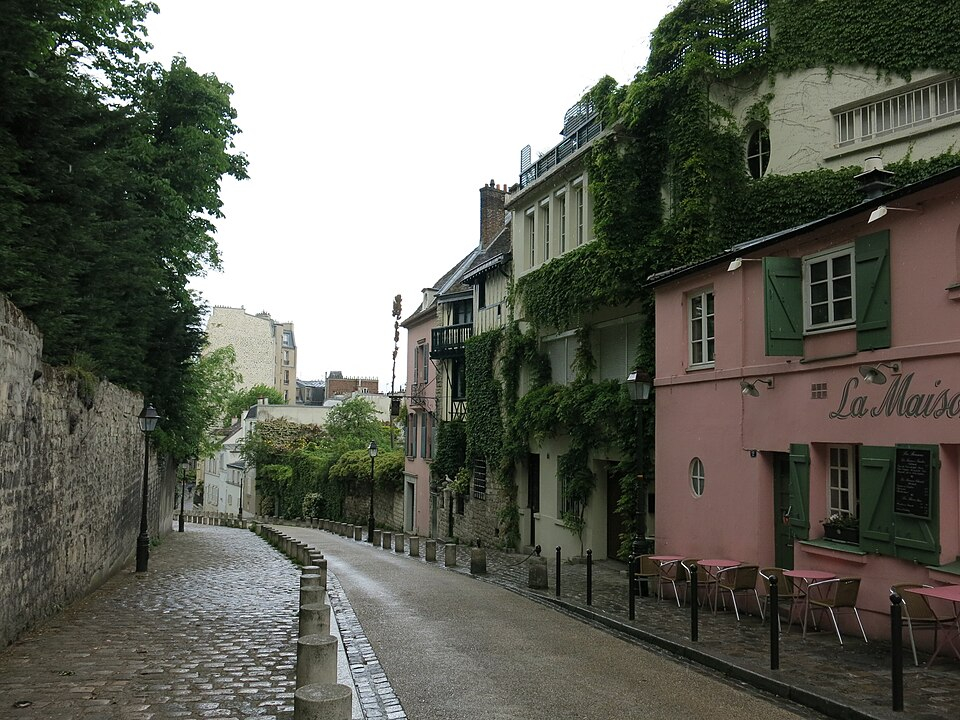
Choose one street bend or stair sequence and look for the relationship between foreground paving, façades and the distant view. The hill changes apparent distances and brings steep approaches into a route. A view that looks like a short walk in a photograph may require a considerable climb from your arrival point.
Keep noise down in residential lanes and do not use private doors, steps or garden edges as posing areas. A long lens from a public pavement can simplify a composition without entering a doorway. Busy periods may suit a photograph that includes normal street life rather than an attempt to wait for an entirely empty scene.
Plan the descent and onward journey while there is still comfortable light. Use Map & Neighbourhoods for orientation and check Getting Around for the actual accessible route. Montmartre’s terrain makes a station name alone a poor access assessment.
Photography, publication and equipment rules
Permission to stand somewhere is separate from permission to publish every image commercially. The City’s photography guidance discusses rights affecting works in public space. The Eiffel Tower operator explains that professional use of photographs of its protected night lighting can require authorisation; see its night photography information. Do not turn that into a claim that all personal night photographs are forbidden.
Museums and private properties set their own rules for flash, tripods, selfie sticks and particular exhibitions. Check the venue for the equipment and use you intend, and respect signs and staff instructions. A paid entry ticket is not a commercial image licence.
Build a realistic photo half-day
Combine Bir-Hakeim and a western Seine viewpoint when the walk suits you. Keep Montmartre as a separate session rather than racing between distant spots at the same hour of light. For rain, a covered passage or café break can be more useful than continuing to expose equipment; check the passage’s access and business rules. Carry a small lens cloth, protect valuables and keep a backup of images and important travel details.
Use the seasonal guide for daylight and weather trade-offs, and Responsible Travel for low-impact behaviour. No particular weather, crowd level or permission is guaranteed by these suggested compositions.



