
FRANCE · PARIS GUIDE
Responsible Travel in Paris
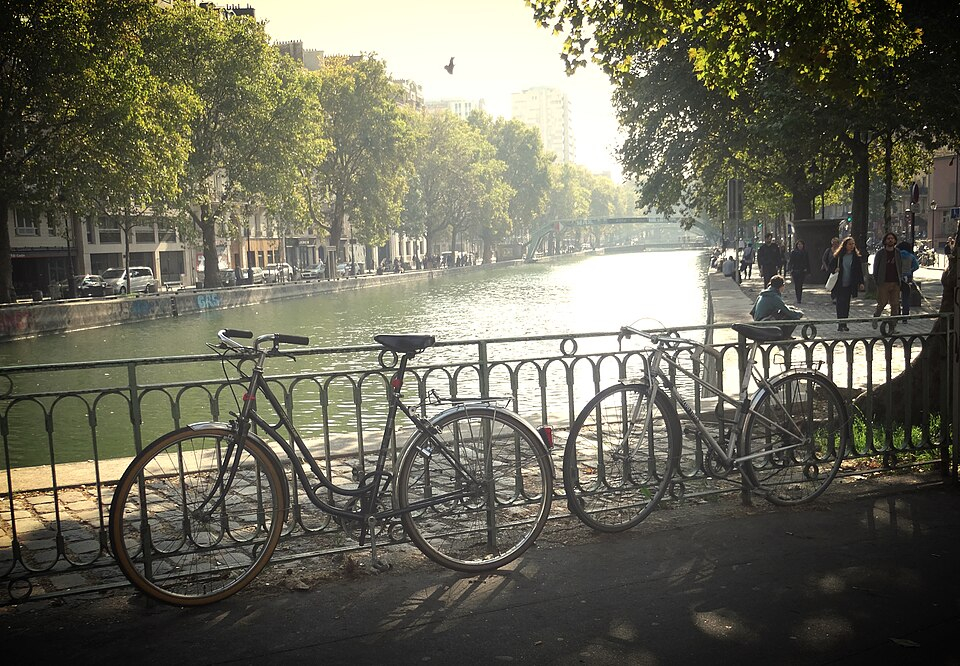
Responsible travel in Paris starts with decisions you will make repeatedly: how far you cross the city, what you buy, where you refill water and how you use residential streets. A useful plan reduces needless transfers and makes room for the people who live and work around the places you visit. It does not require treating one purchase or one hotel label as proof that an entire trip is sustainable.
Group visits and choose the right transport
Plan nearby visits together and use public transport for the longer links. Walking suits a manageable neighbourhood circuit; cycling suits a route you understand and feel able to ride. Do not force a bicycle trip through crowded pedestrian streets or assume every garden permits it. The City’s park rules distinguish permitted paths and activities.
Use the geographic map to judge distances and Getting Around to choose a ticket and connection. A shared taxi can be a sensible access or late-night choice when the public route does not meet your needs; sustainability advice should not override a traveller’s mobility or safety requirements.
Refill water and reduce avoidable waste
Carry a bottle and use a marked drinking-water source. Paris has a public network of drinking fountains; the City’s water information explains the distinction between potable and non-potable water. Do not drink from an ornamental basin or a street-cleaning outlet because water looks clear.
Find an actual working fountain along your route, and keep a reserve in hot weather. Fountains can be closed for maintenance or seasonal protection. Bring a bag for purchases and take packaging to an appropriate bin. If the nearest bin is full, carry waste onward rather than leaving a bag beside it.
Buy deliberately in markets and neighbourhood shops
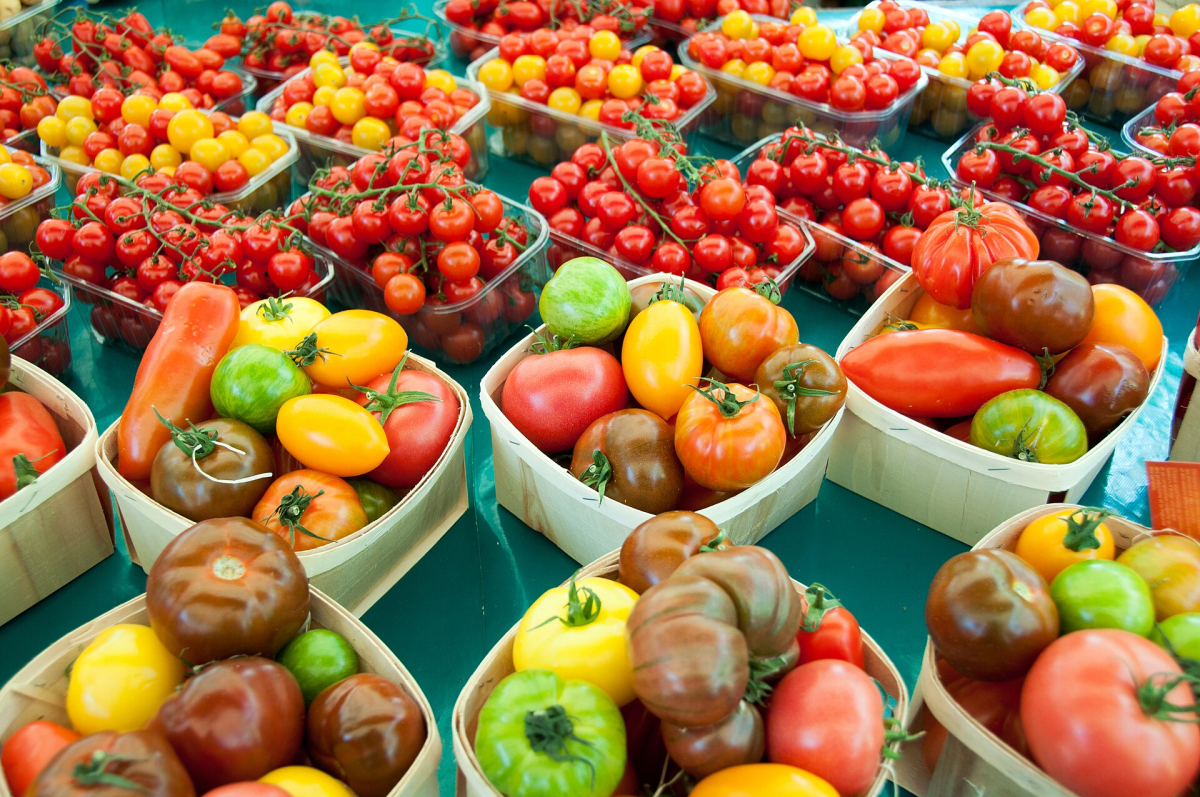
Compare local products, origin labels and the amount you can realistically use. A market is not automatically a farmers’ market, and a souvenir sold in Paris is not automatically made there. Ask a trader about origin and ingredients when those details affect your choice.
Buy food you can store safely at your accommodation, and read baggage and customs rules before taking products home. Our Shopping guide separates food streets, department stores, second-hand markets and small souvenirs. Choose a particular purchase rather than a long list of shops to visit simply because they are famous.
Treat neighbourhoods as places where people live
On Montmartre lanes and in Le Marais, keep doorways, shop entrances and pavements clear. A picturesque doorway is not a public backdrop for an extended photo session. Keep evening noise down near accommodation and leave space for deliveries, residents and people using mobility aids.
Use the correct access point for a building or garden instead of following someone through a private gate. Ask before photographing an identifiable person at close range, especially children or a trader at work. Do not turn a religious service into a sightseeing photo stop. Museum and venue rules take precedence over general street practice.
Respect planted spaces and wildlife
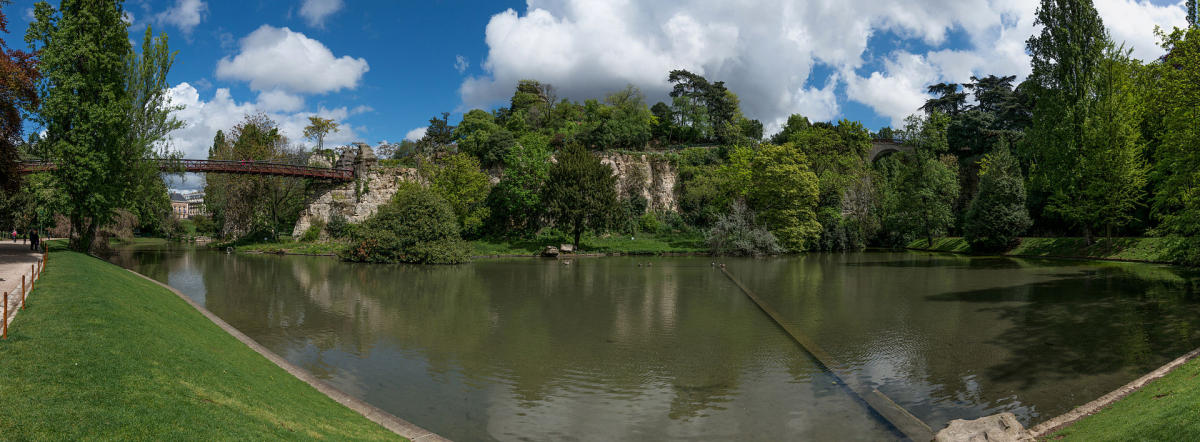
Stay on permitted paths and observe closed lawns or work areas. Buttes-Chaumont’s slopes, water edges and paths require more attention than a flat central square. Feeding birds, climbing barriers or moving into planting for a clearer photograph can harm the place you came to enjoy.
For a riverside day, follow closures during high water and keep clear of cycles and operational quays. Swimming is limited to authorised supervised areas during their published season; a scenic riverbank is not an informal swimming spot. See the seasonal Paris Plages and swimming guidance.
Ask specific questions before booking
If an accommodation’s environmental claim matters, look for the named certification, its current status and what it covers. Ask practical questions about refill points, waste separation or linen arrangements. Do not infer the accessibility of a room or the labour practices of an entire business from an environmental badge.
At paid attractions, choose the experience you want and read what admission includes. Respect collection, photography and equipment rules. The photo planning guide explains how to make a useful route without repeating the same landmark list.
Keep the trip workable
A responsible plan still needs rest, reliable transport and enough time. Save your accommodation address, know your route home and check the forecast. Use Travel Essentials for money, safety and longer-stay arrangements; these everyday preparations help avoid rushed decisions during the trip.



