
FRANCE · PARIS GUIDE
Paris Travel Essentials
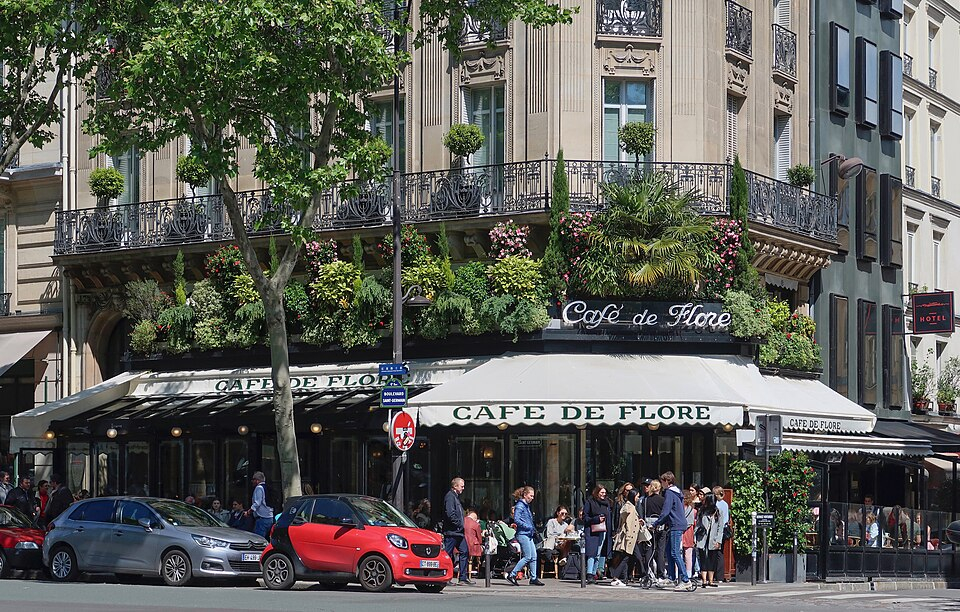
Paris is one of the world's most visited destinations, attracting travelers with its historic landmarks, cultural attractions, world-class cuisine, and distinctive neighborhoods. While planning a trip to Paris is relatively straightforward, understanding a few local customs and practical travel tips can make the experience significantly more enjoyable.
From using public transportation efficiently to understanding dining etiquette and avoiding common tourist mistakes, a little preparation can help visitors save time, reduce stress, and make the most of their stay in the French capital.
Travelers planning their visit may also find our Paris Fast Facts, Paris Transportation Guide, and Weather & Best Time to Visit resources useful before arrival.
Essential Paris Travel Tips
Paris is generally easy to explore, but understanding local habits and expectations can help visitors enjoy a smoother experience. Learning a few practical details before arrival often makes a noticeable difference during a trip.
- Carry comfortable walking shoes.
- Keep a copy of important travel documents.
- Learn a few basic French greetings.
- Plan major attractions in advance.
- Allow extra time for popular landmarks.
Best Time to Visit Paris
Paris can be visited throughout the year, with each season offering different advantages. Spring and autumn are often considered particularly pleasant due to comfortable temperatures and fewer crowds compared with peak summer periods.
Travelers seeking detailed seasonal information should review our Weather & Best Time to Visit guide.
How to Get Around Paris
Paris has one of Europe's most extensive public transportation systems. The Metro, buses, trams, and regional trains provide convenient access to attractions, neighborhoods, and airports.
Many visitors find that combining walking with public transportation offers the most efficient way to explore the city.
For detailed transportation information, see our Paris Transportation Guide.
Travel Costs, Money & Payments
Build the budget in two parts: fixed commitments already priced for your dates, and an allowance for each usable day. Count accommodation per room per night and everyday spending per person; mixing those units makes a comparison misleading. Airfares, airport transfers, shopping and a special meal deserve separate lines.
| Budget line | How to calculate it | What to check |
|---|---|---|
| Accommodation | Actual room total × nights; divide only when sharing | Guests, breakfast, city tax, deposits and cancellation |
| Local transport | Planned paid journeys or a pass that fits the actual days | Airport journeys and eligibility are separate |
| Food and drink | Breakfast + lunch + dinner + café stops | Use the menus of places you would actually choose |
| Museums and monuments | Only the paid visits you will take | Free eligibility, timed slots and pass exclusions |
| Contingency | An amount you can set aside before travelling | A changed route, extra meal or unexpected transfer |
A concrete transport example: the published 2026 full-fare Métro–Train–RER ticket is €2.55 and the Bus–Tram ticket is €2.05. Four separate qualifying Métro journeys bought singly would be €10.20; this is arithmetic, not a recommendation over a pass. The airport ticket is €14 under its applicable conditions. See Île-de-France Mobilités’ 2026 fare table and Getting Around for ticket scope, transfers and pass comparisons. Do not add an airport journey to an ordinary city-ticket calculation.
Where to make savings: combine paid visits with the free permanent collections at Carnavalet or Petit Palais, group visits geographically, and compare a restaurant’s current lunch formula with the à-la-carte total you would order. A distant cheaper room may add daily time and transport; a central room is not automatically better value either. Use the restaurant shortlist and hotel comparison for actual choices.
Payments: Paris uses the euro. Carry a payment card and a modest cash backup, and check any minimum card payment before ordering. Read the amount and currency displayed on the terminal; compare your bank’s exchange and withdrawal terms before accepting a conversion offer. Keep a second way to pay separate from your main wallet. No single daily total here is presented as a current hotel or restaurant quote: your dates and choices determine the real cost.
Safety Tips for Visitors
Paris is generally considered a safe destination for travelers, and millions of visitors explore the city each year without problems. However, like many major international cities, visitors should remain aware of their surroundings and take basic precautions.
Tourist areas, transportation hubs, and crowded attractions can attract pickpockets, making it important to keep personal belongings secure and remain attentive in busy locations.
Basic Safety Recommendations
- Keep valuables secure and out of sight.
- Remain aware of your surroundings in crowded areas.
- Use official transportation services when traveling late at night.
- Avoid displaying large amounts of cash.
- Keep digital copies of important travel documents.
Travelers looking for practical city information may also find our Paris Fast Facts guide useful.
Common Tourist Mistakes in Paris
Many first-time visitors make a few avoidable mistakes that can affect their experience. Understanding local customs and planning ahead can help travelers avoid unnecessary inconvenience.
Trying to See Too Much
Paris offers an incredible number of attractions, museums, neighborhoods, and dining experiences. Attempting to see everything in a short visit can quickly become exhausting.
Focusing on a manageable itinerary often leads to a more enjoyable and memorable trip.
Not Reserving Popular Attractions
Major attractions frequently experience long queues, especially during busy travel periods. Advance reservations can save significant time and help visitors make better use of their schedule.
Ignoring Neighborhood Exploration
Some travelers spend most of their time visiting famous landmarks while overlooking the city's neighborhoods. Exploring local districts often provides some of the most authentic experiences available in Paris.
Local Etiquette in Paris
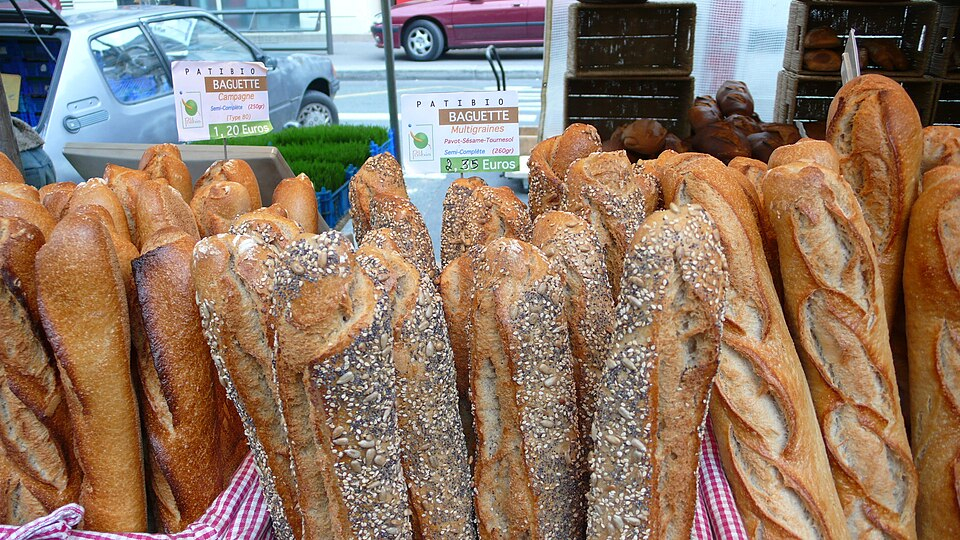
Understanding a few local customs can improve interactions and create a more positive travel experience. French culture generally values politeness, patience, and respectful communication.
Greeting People
A simple greeting when entering shops, cafés, or restaurants is considered polite and appreciated. Visitors often find that small gestures of courtesy lead to friendlier interactions.
Dining Etiquette
Meals in Paris are often enjoyed at a relaxed pace. Service may feel less rushed than in some other destinations, allowing guests more time to enjoy their food and conversation.
Travelers interested in dining experiences should also explore our Best Restaurants in Paris and Paris Food & Drinks Guide.
Packing Tips for Paris
Packing requirements vary depending on the season, but several items are useful throughout the year.
- Comfortable walking shoes.
- Weather-appropriate layers.
- Portable phone charger.
- Travel adapter if needed.
- Light rain protection.
Seasonal weather conditions can vary significantly. Travelers should review our Weather & Best Time to Visit before departure.
Useful Apps for Visiting Paris
Mobile apps can make navigating Paris considerably easier. Transportation, mapping, translation, and reservation tools can help visitors save time and reduce stress while exploring the city.
Useful categories include:
- Navigation and maps.
- Public transportation planning.
- Restaurant reservations.
- Language translation tools.
- Weather forecasting apps.
Where to Stay in Paris
Choosing the right neighborhood can significantly influence a trip. Some areas are ideal for first-time visitors, while others appeal to travelers seeking local character, nightlife, or luxury accommodations.
For detailed recommendations, see our Best Areas to Stay in Paris and Best Hotels in Paris guides.
Transportation Tips
Walking remains one of the best ways to experience Paris, but visitors can often save time by combining walking with the Metro and regional transportation systems.
Airport transfers, day trips, and travel between neighborhoods are generally straightforward thanks to the city's extensive transportation network.
Travelers arriving by air may also find our Paris Airports Guide useful when planning their arrival and departure.
Accessibility: ask about the full route
For wheelchair or step-free travel, check the exact station entrance, transfer, exit and final pavement, plus lift operation on the day. Line 14 is an important accessible route; the older Metro network is not universally step-free. The tourist office’s adapted transport information explains options and assistance requirements.
At a venue or hotel, ask about the entrance threshold, lifts, bathroom, toilet access, turning space, seating and the room or area you will actually use. A generic accessible badge does not answer every need. Montmartre’s slopes, older paving and canal footbridges may require a different street route. For live transport, use Getting Around.
Useful contacts and what to prepare
For an emergency in France, call 112; police emergencies use 17, urgent medical help 15 and firefighters 18. The 114 service provides accessible emergency communication for people who cannot use a voice call in the circumstances described by the service. Check the official emergency guidance for each channel and use. Give the precise location and the situation.
For a lost card, use your issuer’s own emergency contact; for a lost passport, contact your country’s consulate and follow police-report advice as applicable. Keep the insurer’s assistance details, booking provider, hotel address and an offline payment backup separate. A travel guide is not an emergency dispatch service.
Longer stays: organise ordinary life first
For a week or more, compare kitchens, laundry, workspace, reliable internet and actual transport connections rather than only nightly rates. Ask what is provided in a kitchen and whether laundry is in the unit, shared or a separate service. Check deposits, cleaning, utility charges and cancellation terms in the total.
Choose a base for the journeys you will repeat, then spread demanding visits across the stay. A weekly transport product has its own calendar and eligibility conditions; compare it with your dates through IDFM. Everyday accommodation arrangements do not confer work or residence permission: use the official entry-check steps for your intended activity and length of stay.
Frequently Asked Questions About Visiting Paris
Is Paris easy to visit for first-time travelers?
Yes. Paris has excellent transportation, clear tourist infrastructure, and a wide range of attractions suitable for first-time visitors.
How many days should I spend in Paris?
Many travelers find that four to five days allows enough time to experience major attractions, neighborhoods, museums, and dining experiences.
Is Paris expensive?
Paris can accommodate a variety of budgets, although accommodation and dining costs may be higher than in some other European destinations.
What is the best way to get around Paris?
Walking and public transportation are generally considered the most efficient ways to explore the city.
Should I learn French before visiting?
Learning a few basic phrases can be helpful and is often appreciated, although many tourism-related businesses can assist English-speaking visitors.
Is Paris safe at night?
Popular areas are generally safe, although visitors should continue to follow standard travel safety precautions after dark.
Can I use credit cards everywhere?
Most businesses accept major credit and debit cards, though carrying a small amount of cash can be useful.
What should I pack for Paris?
Comfortable walking shoes, weather-appropriate clothing, and essential travel documents are recommended throughout the year.
Which area is best for first-time visitors?
Several central districts are suitable for first-time travelers. Choosing the right area depends on budget, interests, and preferred travel style.
Is public transportation reliable?
Yes. Paris has one of Europe's most extensive and efficient public transportation systems.
Final Thoughts
Paris rewards travelers who combine planning with flexibility. Understanding transportation options, local customs, seasonal conditions, and practical travel advice can help visitors enjoy a smoother and more rewarding experience.
Whether you are visiting for the first time or returning to explore new neighborhoods, a little preparation can help you make the most of everything the city has to offer.
Continue planning your trip with our Top Attractions in Paris, Best Restaurants in Paris, Paris Nightlife Guide, Paris Food & Drinks Guide, and Best Hotels in Paris.


