
FRANCE · PARIS GUIDE
Shopping in Paris: Markets, Local Products & Districts
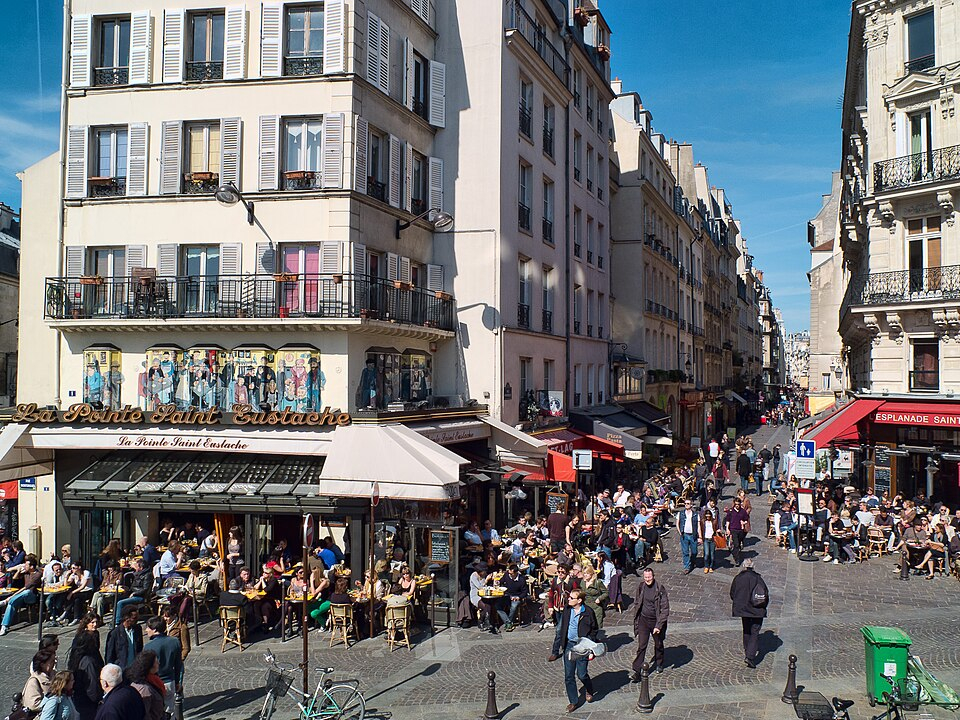
Start with the kind of purchase you want, rather than treating Paris shopping as a city-wide list of famous stores. A food street, a department store and a second-hand market serve different needs. Match the shopping area to the rest of your day, and leave room in your luggage before buying something awkward to carry.
| Shopping goal | Area or starting point | Check first |
|---|---|---|
| Food and everyday produce | Rue Montorgueil or a market on your route | Trader hours, origin, storage and travel restrictions. |
| Independent shops and a small gift | Le Marais or a chosen covered passage | Actual opening day, maker and return policy. |
| Department-store comparison | Le Bon Marché or the Haussmann district | Specific store hours and the full purchase price. |
| Vintage, antiques or second-hand | A named flea-market section | Trading day, authenticity, condition and transport home. |
Food streets: choose a purchase, not only a photograph
Rue Montorgueil is a useful food-shopping street north of the central river sights. Look at what a shop actually sells and how its products are priced. Ask before handling produce or photographing a display at close range. A street full of food businesses does not mean every stall has the same hours or that all products are locally made.
For a room with a kitchen, buy a modest amount and check what utensils and refrigeration you have. For a gift, ask how long it keeps and whether it travels safely. Airline security and your destination’s customs rules are separate from a seller’s advice. The Food & Drink guide is for meals during the stay; this page focuses on purchases and where to look.
Department stores: compare within one district
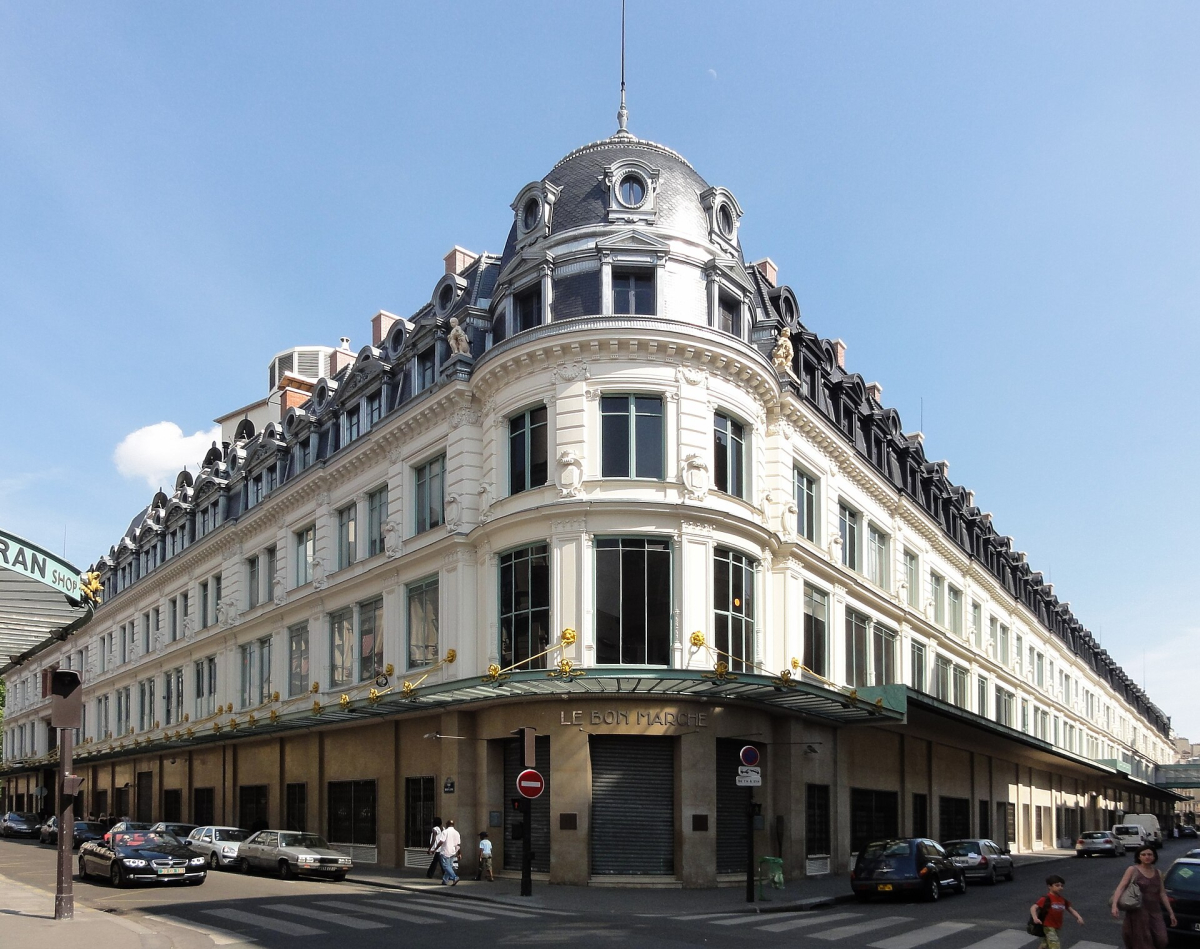
Le Bon Marché on the Left Bank can be paired with a Saint-Germain day. Use its official store information for current services, brands and hours. The Haussmann department-store area is a different Right Bank outing and can fit an Opéra-based day. Avoid crossing the city between stores unless you are checking a particular item.
For clothing, compare the actual size, materials and return conditions before buying. Do not assume a luxury address proves an item was produced in France. Ask about a purchase’s origin when it matters, and keep receipts and any promised service terms.
Markets and small traders
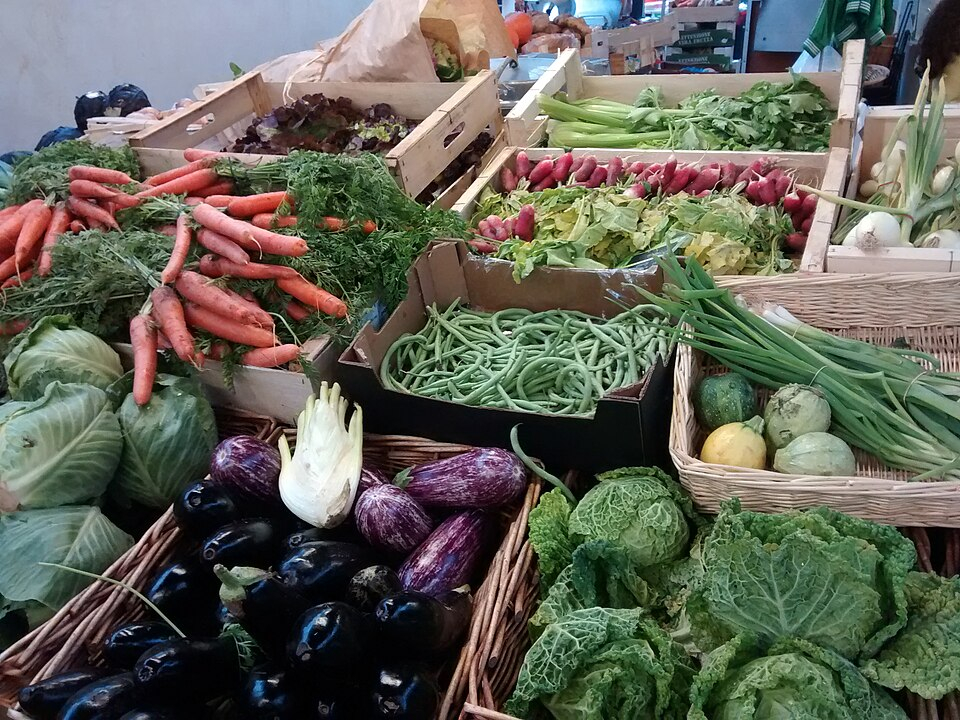
The Marché des Enfants Rouges provides a compact Marais market stop; nearby shops can broaden it beyond a meal. The City’s market directory helps you select an actual operating day. Outdoor markets can have a different schedule from the shops around them.
For second-hand purchases, choose a named part of Saint-Ouen or another verified market rather than assuming every stall near a transport exit is the main destination. Inspect condition, dimensions and authenticity claims. Large or valuable purchases need a realistic delivery, insurance and return arrangement; ask for written details before paying.
Small souvenirs that fit your trip
A book, print, locally made accessory or packaged food can be easier to transport than a bulky object. Museum shops can connect a gift to a collection you visited, but admission and shop access conditions vary. Look for the named maker, materials and a meaningful origin label instead of assuming a Paris motif establishes local production.
Carry reusable bags and decline packaging you do not need. Keep a backup payment method separate from the phone or wallet you use at a busy counter. Use Money and Payments for card and currency checks.
Opening days and Sunday plans
Sunday shopping varies by district and business. The tourist office’s Sunday shopping guide is a starting point, but confirm the store or trader you actually want. Public holidays and special events can change hours even in normally busy shopping areas.
If shopping is only one part of your day, stop before bags and fatigue dictate the route. Check your return connection and any stairs with purchases. Use Where to Stay to choose a base that fits repeated journeys, and Responsible Travel for local buying and waste choices.



