
USA TRAVEL GUIDE
Where to Stay in the USA: Regions, Cities and Park Bases

Choose where to stay in the USA by the journey you want to make each morning. A convenient base can reduce driving, simplify public transport and leave more time for the place itself. This guide compares destination and area choices, rather than ranking individual hotels. Decide which region and type of base suit your route first, then use the Hotels guide to assess named properties for your dates and requirements.
Swipe horizontally if needed to compare all columns.
| Base type | Useful when | Check carefully |
|---|---|---|
| Central city with useful transit | You want repeated urban sightseeing without a car | Relevant line, final walk and evening service |
| Park or nearby gateway | You want substantial time in one outdoor area | Current operations and the exact entrance/activity |
| Larger town farther from a park | Other services or a through-route matter | The cost in daily transfer time |
| Coastal or island base | Beach access is central to the stay | The actual coast, facilities and room-to-beach route |
| Apartment or extended-stay base | Everyday facilities matter over several weeks | Legal booking terms, equipment and complete payable total |
Choose the base before the room
List the main activities for each overnight stop and locate them on a map. Then identify the transport you will actually use: a transit line, station, park entrance, airport or road. A property described as near a destination may still be poorly placed for your plans. Judge it by the route to your activities and the final walk, not just the city name in its address.
Compare the full stay rather than the nightly headline. Parking, repeated transfers, mandatory property charges and the cost of eating nearby can change which area offers good value. With a car, check where it can be left and whether you need it throughout the stay. Without a car, check service hours as well as daytime connections, particularly if a performance or late arrival is part of the plan.
Northeast cities: central connections and neighbourhood character
For Boston, New York, Philadelphia and Washington, a base with useful public transport can support a trip without a rental car. Choose proximity to the places that matter most to you, while allowing the city enough time. A room close to an intercity station may simplify arrival, but that benefit should be balanced against the neighbourhood and the daily route you will use.
In New York, different parts of Manhattan and well-connected areas beyond it offer different trade-offs. In Washington, look at the actual Metro or walking connection to your intended museums and monuments. In every city, check street-level surroundings, room arrangements and evening transport. The best area for a late-night music trip may differ from the best area for a quiet family stay.
California: split city, coast and mountain stays
California’s main cities and outdoor regions are too varied for one universal base. In Los Angeles, choose around your main activity clusters instead of expecting a central hotel to make every journey short. In San Francisco, a useful public transport connection can be more valuable than keeping a car at the hotel. Plan when the car is needed, rather than paying to store it during days spent in the city.
For a coast-and-city route, give the coast its own nights if that is part of the holiday you want. A mountain stay should likewise support time in the landscape, rather than consist of a distant hotel and a long daily return drive. Confirm road access before deciding which gateway works; the closest place on the map may lie on the wrong side of a seasonal route.
Southwest parks: inside, gateway and distant-base choices
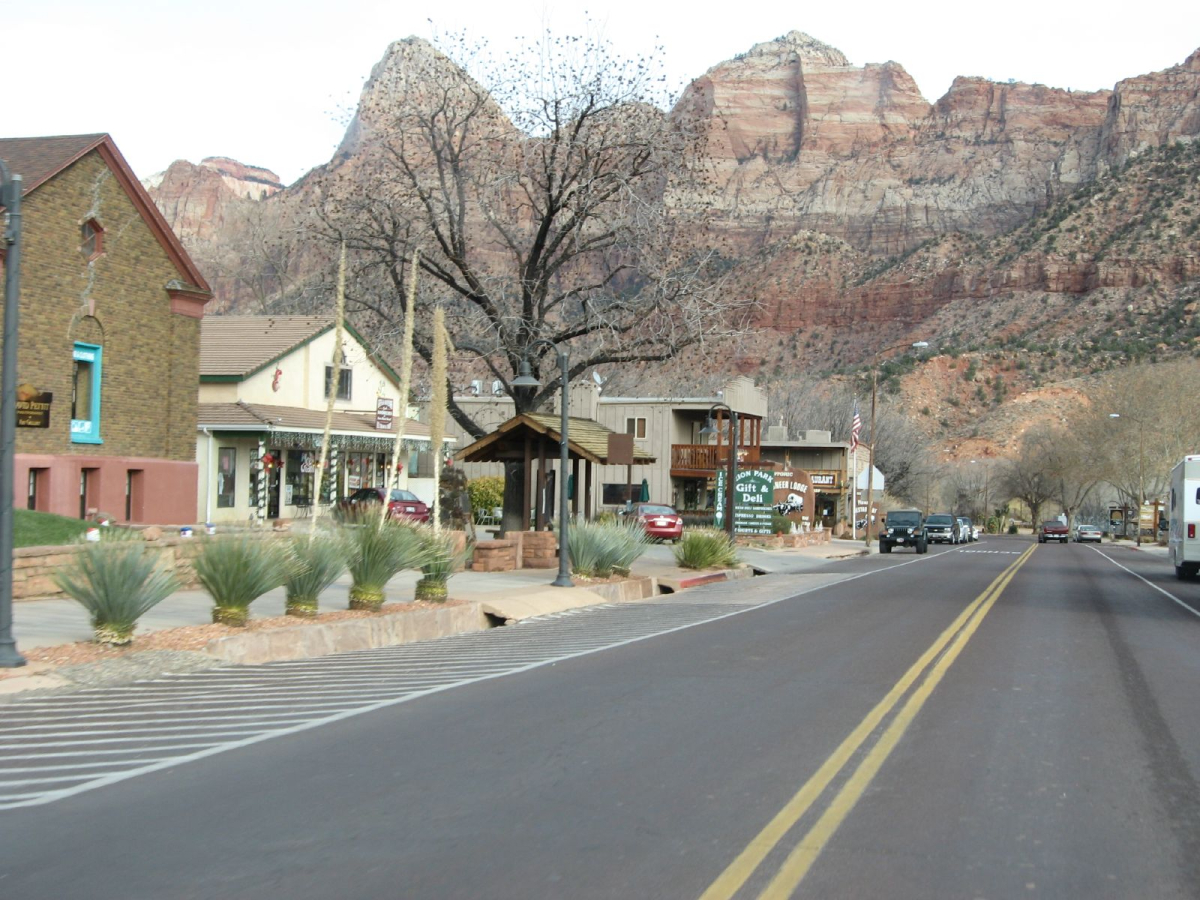
A park stay normally involves three different options: accommodation inside the managed area, a nearby gateway settlement, or a larger town farther away. Inside accommodation can support early or late visits when operating, while a gateway can offer other dining and room choices. A distant town may suit a passing road trip but reduce the time available for repeated park visits.
For Zion, the National Park Service identifies Zion Lodge as the only lodging within the park, while Springdale is a gateway near the south entrance. Check the specific access and transport arrangements for your dates. For Grand Canyon, the official lodging page reports an overnight guest lodging closure inside the park as checked on 2 November 2026; Tusayan outside the park is unaffected by that closure. Verify reopening directly before booking any inside-park property.
Music and food trips: think about the return journey

A trip built around Nashville, New Orleans, Austin or another music city benefits from accommodation chosen with the evening in mind. Locate the venues you intend to visit, compare the journey home and decide how much surrounding noise suits you. A nightlife district can be convenient for one group and disruptive for another, even when both want to visit the same performances.
Look beyond a generic downtown description. A neighbourhood can offer restaurants and a different daytime character while requiring an evening transfer to your chosen venue. Check late transport and pick-up arrangements before relying on a route that works only during the day. If the trip includes alcohol, leave driving out of the evening plan and include the relevant transport cost in the accommodation comparison.
Florida: theme parks, Miami and the coast
Orlando accommodation should be selected around the particular theme park days you have planned. Compare an on-site or nearby stay with a more distant property using the actual transfer arrangements and costs. A free shuttle can be useful, but its timetable, reservation rules and return departures determine whether it fits your family. A pool or kitchen may matter more on rest days than another headline amenity.
For Miami and other coastal stays, decide whether your main interest is beach access, urban sightseeing or a road route. A beachfront room can be worthwhile when the beach is the point of the holiday; it can add cost and transfers when you are mostly elsewhere. Treat the Florida Keys as a separate route and base decision rather than assuming they are a short extension of every Miami day.
Alaska: accommodation must fit the excursion
In Alaska, choose accommodation in relation to the departure point and operating season of the experience you want. A train, boat excursion or park bus can create a fixed morning commitment. Compare the actual check-in location and transport from your room, and allow a practical margin. A hotel in the broader region is not necessarily convenient for an early departure.
A multi-base trip needs particular care with luggage, rental vehicle collection and seasonal services. Avoid booking a sequence that leaves little recovery time after a long transfer. Confirm the current access situation for Denali or another major destination before using an older itinerary. When your plans depend on the weather, accommodation flexibility and enough nights in one area can be more useful than adding another distant stop.
Hawaii: island and coast are both important
First select the island for the experiences you want, then choose the coast or community. A resort stay near the beach, an urban Oahu base and accommodation suited to exploring Hawaii Island have different purposes. Map the journeys to the activities you have chosen. A property’s island-wide address alone says little about whether it supports a particular daily route.
Compare access to food, parking and the type of beach you intend to use. A coastal view does not guarantee an appropriate swimming place immediately outside. If you are staying on more than one island, include the airport transfers and room change in your plan. Avoid moving simply to add another island name when a longer stay in one base would better serve your interests.
Choose the accommodation type that fits the stay
Hotels can simplify short stays with reception and a defined service arrangement. Motels can work well on a road trip when location, parking and room access suit the route. Apartment-style accommodation can offer a kitchen or more space, but confirm the legal booking conditions, exact amenities and final cleaning or service charges. Photographs and a category name do not establish the room layout you will receive.
For families, verify beds, maximum occupancy and whether a crib or connecting room is guaranteed or only requested. For accessibility, ask about the specific route and features you need rather than relying on a general label. For a longer stay, laundry, grocery access, noise, workspace and cancellation terms deserve more attention. Match the product to the length and purpose of the stay before comparing price.
Continue planning your USA trip
Sources and further reading
- Zion lodging information
- Utah tourism: Zion gateway stays
- Grand Canyon current lodging status
- California highway conditions
FAQ
Is it better to stay inside a national park?
It depends on current operations, your activity and the available product. Compare inside accommodation, a gateway town and a more distant base. Check official alerts first; an established lodge may be temporarily unavailable.
Should I keep a rental car during a city stay?
Only if it serves your route. Compare parking and daily use with collecting the car when you leave the city. A useful public transport base may make the first urban part of a trip easier without a car.
Does an apartment always save money on a longer stay?
No. Compare the complete payable amount, legal booking conditions, cleaning charges, kitchen facilities, transport and cancellation terms. A lower advertised nightly amount does not establish a lower total cost.



