
USA TRAVEL GUIDE
Car Rentals & Driving in the USA: Licences, Costs and Road Planning

A rental car gives useful freedom for many American park, coast and small-town routes, but it also creates a contract and a set of costs that continue while the car is parked. Decide where driving solves a real transport problem before choosing the vehicle. For an international visitor, the important questions begin with licence acceptance, the named renter’s payment method and what the quoted rate actually includes. This guide focuses on collecting, using and returning a rental; compare trains, flights and coaches separately when choosing the overall route. Prices and conditions depend on the company, branch, dates, driver and vehicle, so use the actual written quote.
Check the licence and every named driver
Start with the official rules for each state where you intend to drive. USAGov's foreign-driver guidance explains that an International Driving Permit may be needed depending on the state. Obtain any required IDP before travelling; the United States does not issue one to a visiting foreign driver. Carry the valid underlying licence as well. An IDP is not a replacement for it.
Legal permission and rental eligibility are separate checks. Ask the rental branch which physical documents it accepts, whether a translation or IDP is required, and which age, experience and payment conditions apply to every driver. A booking in one person's name may not permit a companion to take over. Resolve additional-driver details before a long road day, especially if sharing the driving is part of your fatigue plan.
Make the collection checklist specific to your reservation: passport, licence, any required permit, booking confirmation and the payment card accepted for the named renter. Do not rely on a screenshot when the company requires the original document. If a licence renews shortly before travel, ask how the branch treats a temporary replacement rather than discovering the issue at the counter.
Swipe horizontally if needed to compare all columns.
| Decision | Compare | Confirm in writing |
|---|---|---|
| Driver eligibility | Every named driver and all states on the route | Accepted original licence, IDP and age conditions |
| Payment | Accepted card and available balance/credit | Deposit, authorisation and debit-card conditions |
| Protection | Vehicle damage, theft and liability separately | Excess, exclusions and claims procedure |
| Vehicle | People, luggage, access and parking | Category, equipment and route restrictions |
| Return | Same branch or one-way route | Hours, fuel/battery requirement and final charges |
Compare the complete quote and deposit
Compare the same vehicle category, pickup and return hours, mileage allowance and cancellation conditions. A daily rate can hide the effect of an extra rental day created by the flight schedule. Airport and downtown collection also need a complete comparison: transport to the branch, opening hours and any location-related charges can outweigh a small difference in the base rate.
The Federal Trade Commission rental guide recommends checking charges such as additional drivers, airport surcharges, mileage, fuel and out-of-state restrictions. Ask what happens if your flight arrives late or your itinerary changes. A prepaid booking may have a different refund position from a reservation paid on collection. Keep the terms you agreed to, not just the confirmation number.
Confirm the security authorisation and the card rules directly. A deposit or pending hold is different from the final rental charge, but it still affects the money or credit you can use during the trip. Debit-card acceptance varies by branch and booking conditions. Leave enough available capacity for accommodation holds as well, and obtain the final receipt before treating the account as settled.
Booking.com’s car-rental search is one way to compare available offers after deciding your route. The link opens a general comparison page: enter your collection and return locations, dates and driver details to obtain relevant options. Review the actual rental company’s conditions, deposit and complete quote before choosing an offer.
Compare car rentals on Booking.com
We may earn a commission if you book through this Booking.com link.
Understand protection before the collection desk
Ask separately about damage to the rented vehicle, theft, liability to other people and any exclusions. Product names are not interchangeable between companies, and an appealing label such as full coverage should not replace reading the conditions. Determine the excess or deductible, who may drive, where the vehicle may be used and how a claim must be reported.
If you expect protection from your bank card, travel policy or existing motor insurance, obtain confirmation for this specific country, vehicle type and rental length. Check whether the cover is primary or requires reimbursement after payment, whether you must decline a rental product for it to apply, and which documents a claim needs. Do not assume that holding a premium card establishes coverage without meeting its requirements.
At pickup, read the agreement before signing and ask for an explanation of any added product you do not recognise. The decision is easier when you have already compared the protection at home. Keep emergency and claims contacts where both drivers can reach them. A cheaper rental is not a saving if a relevant exclusion makes your planned route unusable.
Choose the right vehicle and document its condition
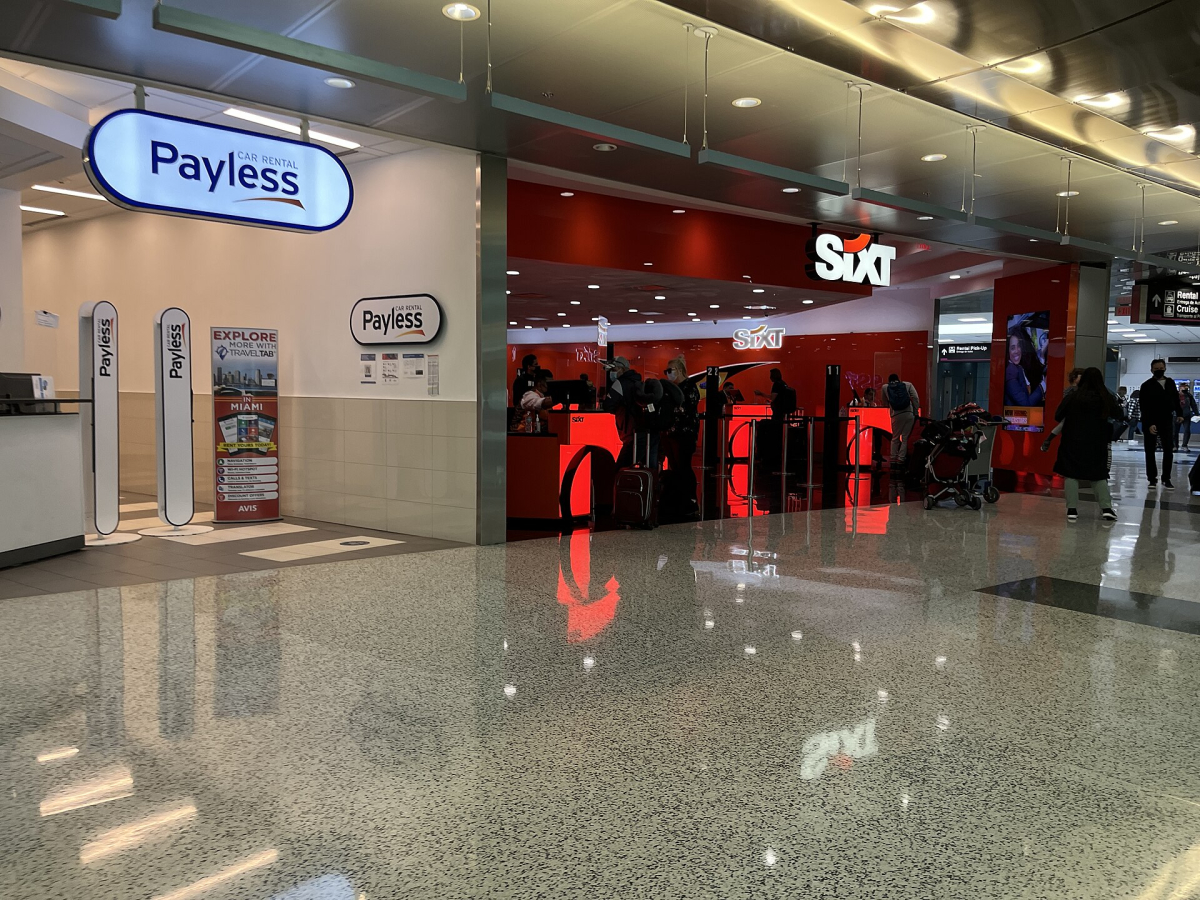
Choose a category for people, luggage and the roads you will actually use. A large vehicle is not automatically better for narrow hotel parking or a city segment. Conversely, squeezing several large bags into a small car can leave belongings visible during stops. Confirm child-seat or accessibility requirements in advance; availability of a particular vehicle model or fitted item should not be assumed from a generic category photograph.
Before leaving the branch, inspect the vehicle in usable light. Record existing damage, tyres, glass, fuel or battery level and any supplied equipment using the company's procedure. Check how to operate the lights, parking brake and navigation before joining a busy road. If something is missing or damaged, get the condition noted while you can still speak directly with staff.
For an electric rental, plan compatible charging around the actual overnight stops and driving distances. Check payment access, charging instructions and the required return level. A charger symbol on a national map does not prove that the connector, access hours or parking arrangement will suit the car. Ask for an explanation at collection if the charging process is unfamiliar.
Read local road rules and signs

The United States drives on the right, but important rules and exceptions are set locally. Learn the signs you will meet and check the state motor-vehicle guidance for school buses, pedestrian crossings, phone use and child restraints. Use a seat belt for every occupant and an appropriate child restraint. Do not infer a national legal rule from what another driver happens to do.
Right turns on red are a useful example of why local checking matters. The New York driver manual states that turns on red in New York City are prohibited unless a sign allows them. Elsewhere, a permitted turn still depends on stopping, yielding and the actual signs or signals. Waiting for a legal green is preferable to making a rushed manoeuvre because a following driver seems impatient.
Set the route before moving and use a safe place to stop when it needs changing. Avoid building the holiday around uninterrupted driving estimates. Meals, refuelling, traffic, photo stops and the final approach to accommodation all take time. After an overnight international flight, an easy first transfer is usually a more sensible plan than an ambitious scenic drive.
Plan tolls, parking and the return
Ask how the company handles electronic tolls and administration charges before driving through a toll point. Different roads and bridges use different systems, and a rental's programme may add charges beyond the road authority's toll. Follow the rental agreement rather than assuming that paying a separate visitor toll service will automatically prevent the company's charge. Keep a record of the arrangement you accepted.
For accommodation, confirm the actual parking arrangement, price, height restrictions and access hours. A hotel can be convenient for walking yet expensive or awkward for storing a car. If several nights are entirely urban, compare returning the car and collecting another later with paying to park it. Check that a one-way return is permitted and quote the exact branches rather than only the city names.
Return with time for the agreed fuel or battery requirement and the transfer to the departure terminal. Use the correct branch entrance and follow its out-of-hours procedure if relevant. Record the condition and level again, keep the return confirmation and review the final bill. Retain records long enough to resolve a later toll, fuel or damage query with the actual rental company.
Continue planning your USA trip
Sources and further reading
FAQ
Do all foreign visitors need an International Driving Permit?
Requirements vary by state and the rental company. Check every state on your route and the exact collection branch. Obtain any required IDP before arrival and carry your valid original licence with it.
Can I assume my credit card includes rental insurance?
No. Ask the issuer for the relevant policy and confirm the country, vehicle, rental length, payment and driver conditions. Damage cover and liability are different questions, and exclusions matter.
Are tolls included in the rental price?
Only if the actual agreement says so. Ask how electronic tolls, transponders and company administration charges work. The road toll and the rental company’s handling charge can be separate amounts.
Is a one-way rental always the best road-trip choice?
Compare it with a return loop using exact branches and dates. A one-way fee can be worthwhile when it avoids a wasted driving day, but the quoted price and permitted vehicle or route must be checked.



