
USA TRAVEL GUIDE
USA Travel Costs & Money: Build a Realistic Trip Budget
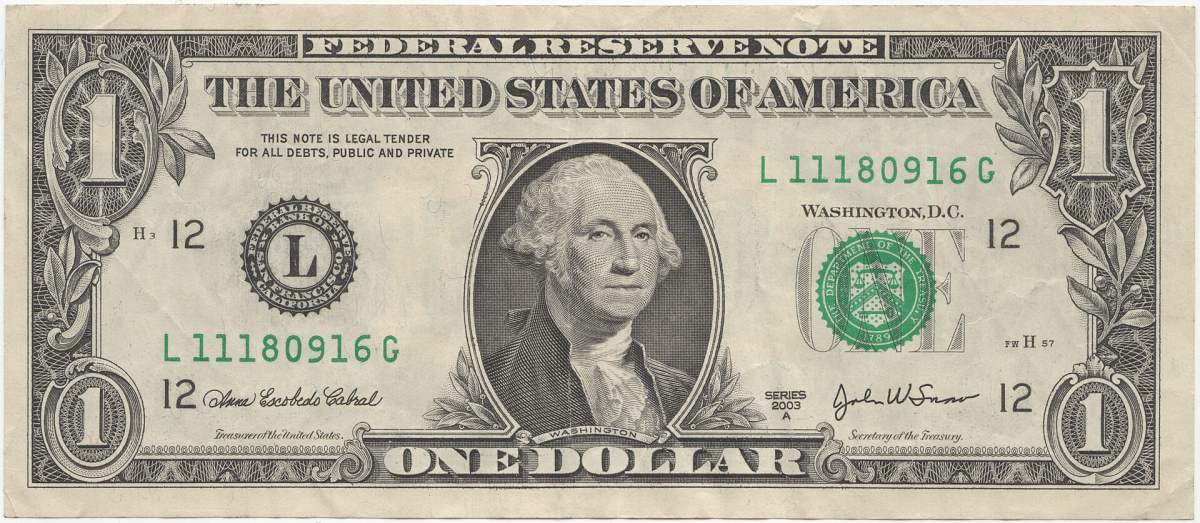
A useful USA budget begins with your route and travel dates, not a single national daily average. A car-free city break, a family theme-park holiday and a Western road trip contain different major costs. Price the decisions you cannot easily change first: the overnight bases, long transfers, rental period and essential tickets. Then add meals, local travel and a reserve for disruption. This guide explains the cost categories and gives transparent calculation methods rather than presenting unverified hotel rates or rents as a market average. All amounts are in U.S. dollars unless a booking explicitly says otherwise; compare final payable totals for the actual party.
Build the budget around the route
Separate costs paid once from costs repeated each day. International travel, entry documents and a one-way rental charge belong in a different part of the calculation from daily meals or a hotel night. Add each transfer day to the itinerary before multiplying a daily allowance; a long journey can create costs at both ends and leave little time for the activities you expected to do.
Keep the unit visible. A hotel quote may be per room, a tour per person, parking per vehicle and luggage per bag. For a couple sharing one room, dividing the room cost by two can help compare personal spending, but it does not make a per-person activity cheaper. Record both the household total and the unit that the supplier uses.
Use current, comparable quotes. Check the same dates, room occupancy, baggage, cancellation conditions and currency before choosing a cheaper option. A nonrefundable rate is a different commitment from a cancellable one, and a booking outside the main route may add transport. The lowest isolated price is useful only when it still delivers the trip you intend to take.
Swipe horizontally if needed to compare all columns.
| Cost | Typical quoted unit | Include in the comparison |
|---|---|---|
| Accommodation | Room or unit for the stay | Occupancy, required charges, taxes and chosen extras |
| Activity | Person or party | Actual inclusions and reservation conditions |
| Rental vehicle | Contract and rental period | Fuel/charging, parking, tolls and return terms |
| Local travel | Person, vehicle or journey | All party members and the final connection |
| Authorisation hold | Temporary amount on a card | Available spending capacity until release |
Compare accommodation after required charges
Read the total for the full stay and the room you actually need. Occupancy limits, beds, breakfast, parking and cancellation conditions can matter more than a small nightly difference. A room for two adults is not automatically valid for a family, and a property in the same metropolitan area may create a much longer journey each day. Price that journey before calling the room a saving.
The FTC fee rule requires covered short-term lodging offers to show known mandatory fees upfront. It does not abolish resort fees or every additional charge. Government taxes and optional purchases can be separately disclosed before payment. Compare the final amount and ask whether a service you need is optional, included or payable at the property.
Hotel taxes are local rather than a single nationwide percentage. For example, Florida's revenue guidance explains that local transient-accommodation taxes can apply alongside other taxes. Use the current booking breakdown for the place and length of stay. Also distinguish a refundable deposit or authorisation hold from a cost that will remain on the final bill.
Allow for sales tax, service and gratuities
The price on a menu or shop shelf is not always the final amount. The applicable sales tax can depend on the place and product. Check the receipt or booking breakdown rather than applying one remembered rate to every state. For a substantial purchase, ask for the payable total before authorising the card and keep the itemised receipt for any return or warranty question.
For a table-service meal, Visit the USA's visitor guidance describes a customary 15–20 percent dining tip. Read the bill for a service charge or included gratuity before adding another amount. A payment screen's suggested button is a prompt, not evidence that the bill has no existing service charge. Ask politely if the wording is unclear.
For illustration, a hypothetical $40 meal subtotal with an assumed $3 tax and a chosen $8 tip totals $51. The $40 menu total is an example, not a current restaurant quote; the tax is an assumption, not a national rate. The arithmetic shows why a food-only subtotal is not a complete dining budget. Apply the same method to the actual menu and bill you choose.
Include the costs around the main ticket
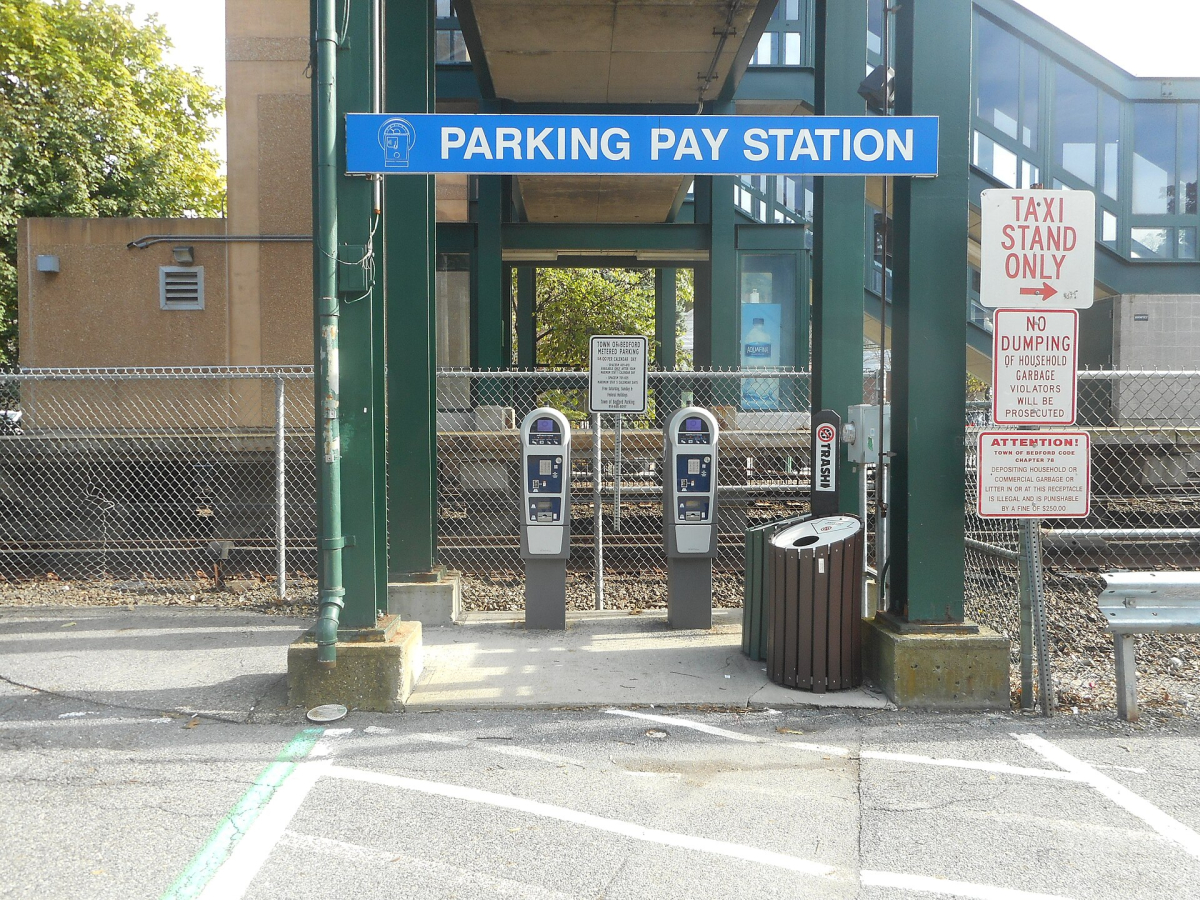
For flights, compare baggage, seats, airport access and the onward transfer with the fare. For trains or coaches, check the exact arrival stop and the cost of reaching the accommodation at that hour. A late arrival can create a taxi or extra-night cost, while an awkward connection can consume an additional day. Make the comparison for every person travelling, with their real luggage.
For a road trip, budget the rental contract, fuel or charging, parking, tolls, additional drivers and any one-way conditions together. These costs may continue on days when the car remains in a city garage. Compare collecting the vehicle only for the rural segment with keeping it throughout. An apparent saving on a branch outside the airport can disappear after the collection transfer and opening-hours constraints.
Do not use a kilometre calculation alone as the fuel budget. The car, road conditions and amount of local driving affect consumption. Instead, leave a working line for fuel or charging, update it with the actual vehicle and retain a buffer. For a prepaid booking, record when further payments or deposits will be needed so that the trip remains affordable in cash-flow terms as well as in its final total.
Compare passes with the activities you will use
Only count admissions and experiences you realistically intend to use. A multi-attraction pass can lose its value if the timetable leaves no room for several included visits. Compare the actual reservation requirements, available dates and the exact product; a transport pass, general admission and a guided tour can cover different things. Free access to an area does not imply that parking or a separate exhibition is free.
At the official rates checked on 3 November 2026, the Grand Canyon fee page lists a $35 private-vehicle standard entrance and additional applicable nonresident charges. For three nonresident adults aged 16 or over in one private car, the posted categories give $35 + 3 × $100 = $335 without a qualifying pass. A $250 nonresident annual pass may therefore be worth comparing for that party.
That example covers eligible park admission, not the whole visit. It excludes accommodation, fuel, food, camping, tours and any separate reservation. Write the scope next to a calculation so a partial subtotal is not mistaken for a daily holiday budget. Check the relevant park's current rules when purchasing rather than transferring a pass assumption to every protected area.
Manage cards, cash and temporary holds

Ask your bank about foreign-transaction charges, ATM withdrawals, card limits and a practical backup before leaving. Carry more than one way to pay and store the backups separately. A card accepted for everyday purchases may not meet a rental branch's collection conditions. Keep enough available balance or credit for hotel and car authorisations in addition to the costs already paid.
The Nebraska banking regulator explains that a debit-card hold can reduce the available balance even though the eventual bill is not yet final. Release timing varies. Ask the hotel or rental company about its deposit, then ask the issuer how it handles the authorisation; do not build the last days of the trip around an assumed immediate release.
When a terminal or ATM offers to charge in your home currency, read the conversion rate and fees. Visa's currency-conversion guidance explains the distinction between local-currency payment and a merchant's conversion offer. Compare the offer with your card terms. Paying in dollars avoids accepting that particular conversion service, but it does not remove your own issuer's possible fees.
Longer Stays & Costs
For several weeks in one area, compare the entire accommodation commitment, not just a discounted weekly headline. Ask about utilities, cleaning, internet, laundry, parking, kitchen equipment, occupancy and the cancellation or early-departure position. A kitchen only helps the food budget if you can reach suitable groceries and expect to cook. No single national monthly rent is a useful substitute for a real quote for the area and dates.
Compare location with recurring transport. A lower-priced suburban stay may require a car, while a central stay could remove that daily expense. List the activities that repeat each week and the occasional longer transfers separately. Leave room for household purchases you would not make on a short hotel stay, and distinguish refundable deposits from nonrefundable fees.
Accommodation and immigration are separate decisions. A monthly rate does not establish a right to stay for that period or to work while visiting. Check the entry conditions before extending a booking. Keep an emergency reserve accessible and choose a commitment whose exit terms you understand if plans, health or transport change.
Continue planning your USA trip
Sources and further reading
- FTC fee rule
- Florida accommodation taxes
- Visit the USA practical information
- Grand Canyon fees
- Nebraska regulator: holds
- Visa currency conversion
FAQ
What is the average daily budget for a USA trip?
There is no useful single figure for every route and party. Build a total from current accommodation, transport and activity quotes, then add meals, local travel and a reserve with the unit and assumptions clearly shown.
Are sales taxes the same across the United States?
No. The place, product and accommodation type can affect the applicable charges. Use the actual booking or receipt rather than applying a national percentage.
Does a hotel deposit count as money I can still spend?
A hold may temporarily reduce available funds or credit. Keep it separate from the final bill but allow for its effect on your spending capacity until the issuer releases it.
Are monthly stays automatically cheaper?
Compare the complete commitment, including utilities, cleaning, parking, transport and exit terms. A discounted rate in a location that requires a car may cost more overall than a better-connected base.



