
USA TRAVEL GUIDE
Getting Around the USA: Trains, Flights, Coaches and Local Transport

The best way to travel around the United States changes with the route. A car-free Boston–New York–Washington trip is a different proposition from a circuit of Utah parks, while adding Alaska or Hawaii changes the entire transport budget. Choose your overnight bases first, then compare the complete journey between them: departure access, waiting, luggage, the main service and the final trip to your accommodation. This approach often matters more than a headline ticket price or a line drawn on a national map. Use the comparisons below to build a workable journey and check the operator for your actual travel date.
Match the transport to the region
For several central-city stops in the Northeast, compare rail before assuming a rental car is necessary. Amtrak's Northeast network connects Boston, New York, Philadelphia, Baltimore and Washington, with other routes extending beyond that core. Central stations can make walking or urban transit practical at both ends. The value comes from the complete city-to-city journey rather than a claim that every train is faster or cheaper than flying.
For a Western park circuit, list the actual trailheads and overnight bases before selecting transport. A bus that reaches a gateway town may stop far from your hotel or the entrance you intend to use. Seasonal shuttles can help inside some parks without connecting every region. A rental car may solve the route, but the total should include parking, fuel, tolls, an appropriate vehicle and any one-way charge.
For a mixed trip, you do not need one transport method throughout. Several city nights followed by a separately collected car can avoid paying to store a vehicle while you walk and use transit. Returning it before a final city stay can be equally useful. Compare the extra collection transfer with the parking and rental days saved.
Swipe horizontally if needed to compare all columns.
| Journey pattern | Compare first | Check before booking |
|---|---|---|
| Boston–New York–Washington city stops | Intercity rail and local transit | Exact stations, baggage and fare conditions |
| Distant regions on one trip | Domestic flight | Airport access, luggage and final transfer |
| Nearby cities without a useful rail route | Coach | Exact stop and connection hours |
| Rural trailheads and several small bases | Rental car | Road access, parking and full contract cost |
| City stay followed by a park circuit | Rail/transit plus a separate rental period | Collection branch and transfer between modes |
Use intercity trains where the route works
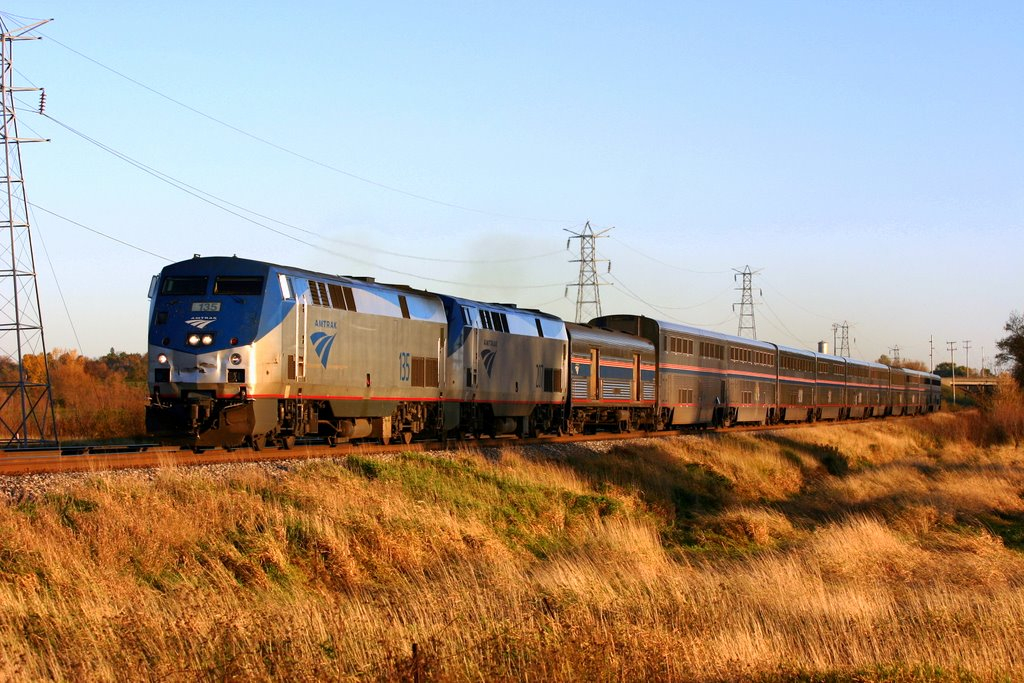
Read a rail itinerary as a sequence of named services and stations. A city can have more than one stop, and a station outside the centre creates a different arrival from the one pictured in a destination guide. In New York, Moynihan Train Hall is Amtrak's principal Manhattan arrival setting; check the exact station and boarding information on your reservation rather than choosing a similarly named location in a map search.
Compare the train's departure and arrival time, fare conditions, seat or accommodation type and luggage policy. Overnight long-distance rail should be chosen because you want that journey and can accommodate its schedule. A reclining coach seat is not the same product as a private sleeping room. Avoid booking an essential separately ticketed connection immediately after a long-distance arrival.
A pass only helps if it fits the journeys you will actually take. Amtrak's USA Rail Pass uses segments and a limited travel window; each train still needs the appropriate reservation. Check the current official pass terms against separately priced tickets. A short change of trains can consume another segment, so counting cities is not a sufficient calculation.
Compare domestic flights as complete journeys
Flying is worth comparing when distant regions are essential to the same holiday. Check which airport serves each booking, including its ground connection and the arrival time at your destination. An inexpensive late flight can require an additional taxi or airport hotel, and a regional airport may have fewer useful recovery options if a service is disrupted.
Price the fare for your real party and luggage. Hand-baggage allowance, checked bags, seat selection, change rules and travelling together can alter a comparison between basic fares. Keep essential medicine, travel documents and the items needed for the first night with you in accordance with security and airline rules. Confirm document requirements for domestic flying with the carrier and TSA before leaving your international arrival city.
If a flight is cancelled or significantly changed, understand the choice before accepting a voucher. The Department of Transportation refund guidance explains when a passenger who chooses not to travel may be entitled to a refund. A refund is a different issue from automatic hotel, meal or cash compensation. Save the booking and disruption messages so you can describe the exact situation to the seller.
Check coach stops and the final connection

Coaches can be practical between nearby cities or where rail does not follow your route. Search for the exact origin and destination stop rather than only the city names. Some services use a terminal, others a curbside location, and a change in pickup address can matter when you have luggage or arrive after dark. Save the stop information offline and check it again near departure.
Compare the number of changes, scheduled waiting time and the hours when a transfer location is usable. A low fare with a long overnight connection can be a poor choice for a short holiday. Make sure you understand luggage limits and whether a journey is operated by the company named on the booking or a partner. Keep the confirmation available without depending on station Wi-Fi.
Travellers with mobility requirements should review the operator's current procedure before buying. Greyhound's accessibility information explains its wheelchair and assistance arrangements. Ask about your actual equipment, boarding point and connection rather than treating a general accessibility statement as confirmation that every pavement, terminal and onward vehicle will meet your needs.
Plan local transport around the accommodation

A hotel described as being in a metropolitan area is not necessarily close to the places you want to visit. Compare walking distance to a useful station, the route's operating pattern and the journey back after an evening out. In a large city, accommodation on a workable transit line may be more convenient than a cheaper room that requires repeated cross-town transfers.
For urban buses and trains, use the local agency's actual fare and payment instructions. Contactless acceptance, fare capping and airport supplements differ between systems. Do not assume that one travel card or app covers every city on a multi-state holiday. Keep a second payment method and know whether each traveller needs a separate card, device or ticket.
When using a taxi or app-based ride, follow the airport or station's designated pickup instructions and verify the vehicle before boarding. Compare the whole party's cost with public transport, including luggage and any child-seat requirements you need to resolve. A private ride can simplify an awkward arrival but should not be assumed available at a remote trailhead without a confirmed arrangement.
Build connections with room for disruption
Connection planning is particularly important when transport crosses regions. Put the local time zone beside each departure and overnight stop. A timetable displayed in local time can look shorter or longer when a state boundary changes the clock. Let the operator's itinerary determine the connection, then check that your accommodation and pickup arrangements use the same date and location.
Seasonal access can decide whether a route exists at all. Mountain roads, park shuttles and ferry services may operate differently from the urban transport shown in a national planner. Verify the service that completes the last mile before booking the attractive long-distance ticket. For Alaska and Hawaii, check the particular island or community connection; a map's visual proximity is not a transport promise.
Keep one clear record for every transfer day: the booking, exact terminal or stop, departure time, realistic access plan, destination address and a backup that does not depend on the same missed connection. On the day before travel, review service alerts and contact details. A little contingency is most useful at the point where a missed service would otherwise strand you far from your next bed.
Continue planning your USA trip
Sources and further reading
- Amtrak Northeast routes
- Amtrak New York station
- Amtrak rail passes
- Greyhound accessibility
- DOT airline refunds
FAQ
Do I need a rental car for every USA trip?
No. Central-city journeys in the Northeast can work well by rail and local transit. A rural park circuit has different last-mile needs. Choose transport for the actual places and accommodation you plan to use.
Is an Amtrak pass always cheaper than individual tickets?
No. Compare the current pass price, permitted trains, segment count and reservation availability with your exact journeys. A change of trains can affect the calculation, and a pass is not a substitute for a reservation.
Should I fly between every major city?
Compare the whole journey first. Flights can suit distant regions, but transfers, check-in, baggage and the final arrival journey can make a train more practical for some nearby city pairs.
How should I plan a car-free national-park visit?
Confirm the gateway connection, entrance, seasonal shuttle and exact lodging location. Do not assume an intercity coach to a nearby town reaches your chosen trailhead or operates when you intend to return.



