
USA TRAVEL GUIDE
Food & Drink in the USA: Regional Dishes and Ordering
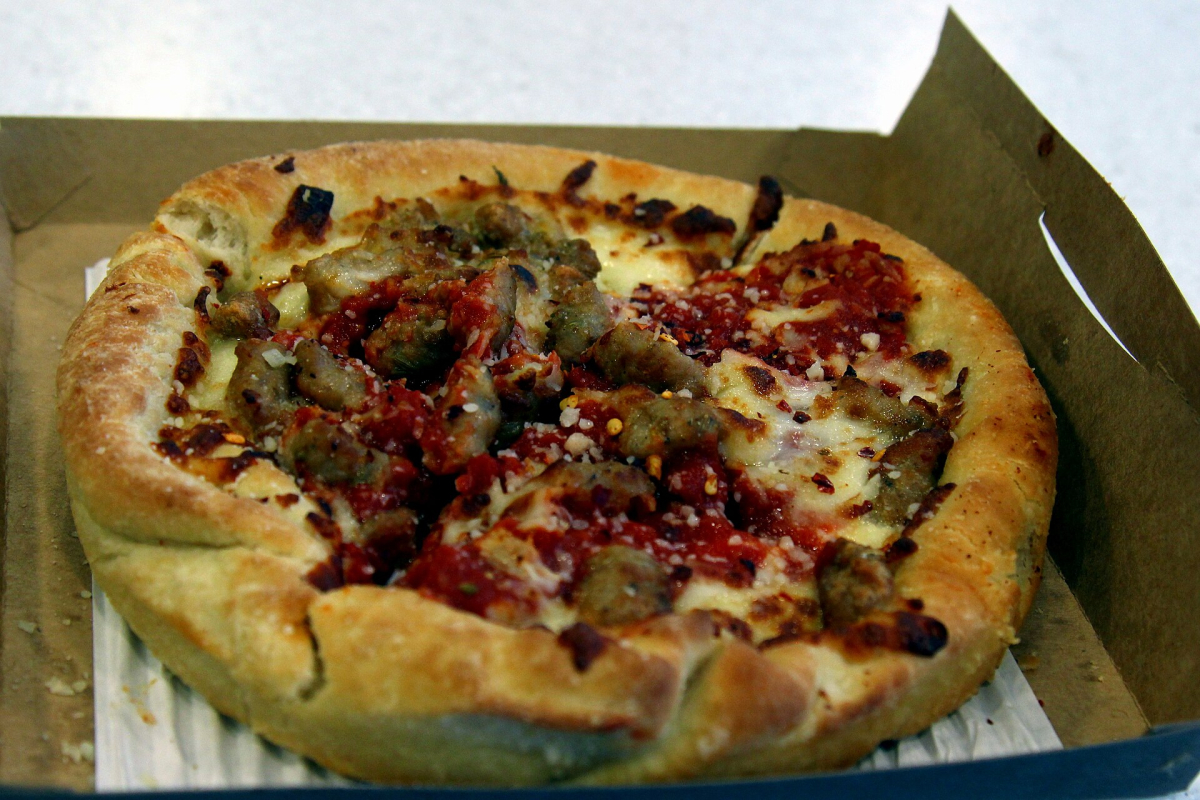
Food in the USA is regional, shaped by Indigenous traditions, migration, agriculture and the people cooking today. A useful food trip follows the places already on your route rather than attempting one national checklist. This page explains what to try and how to approach unfamiliar menus. The separate Restaurants guide helps with the different task of choosing a particular venue and planning a reservation.
Swipe horizontally if needed to compare all columns.
| Region | Examples | Ordering question |
|---|---|---|
| Maine and New England | Lobster rolls and seafood | Which preparation and accompaniments are included? |
| Southern barbecue regions | Different slow-cooked regional styles | Which cut, portion and service format are you buying? |
| Louisiana | Gumbo, jambalaya and po-boys | What ingredients and preparation does this kitchen use? |
| New Mexico | Red or green chile dishes | How is the chile used and how does the kitchen describe its heat? |
| Miami | Cuban sandwiches and coffee | Which variation, serving size and sweetness do you want? |
| Hawaii | Poke, plate lunch and other local or traditional foods | How does the venue describe the dish and its ingredients? |
Follow the food of the region you are visiting

Choose a few dishes that connect with the place and leave space for discoveries. A regional dish can appear in a formal dining room, a market stall or a counter-service shop, with different styles and prices. Ask what the particular establishment does rather than expecting one preparation to represent every version. Contemporary American cooking also includes food that does not fit a nostalgic national stereotype.
Build meals into the day’s geography. A food stop near the neighbourhood you are exploring is often a better choice than crossing a city solely to collect a famous name. For an important meal, check the current menu and booking arrangements directly. For everyday eating, leave room to respond to opening hours, appetite and what you find locally.
New England seafood: understand the preparation

Maine’s official visitor information distinguishes a cold lobster roll prepared with mayonnaise from a warm, buttered Connecticut-style version. Menus can also offer their own variations. Read the description and ask about the style before ordering, especially if you have a strong preference. A lobster roll is a dish to understand, not a guarantee that every example contains the same quantity or accompaniments.
For a coastal food stop, check the actual opening season and hours. A picturesque seafood shack shown in a summer photograph may not operate throughout the year. Compare the plate or sandwich as sold, including sides, rather than assuming the headline name establishes a standard portion. If seafood or another ingredient is unsuitable for you, ask the venue about preparation rather than relying on a regional label.
Barbecue: regional styles and the cut matter
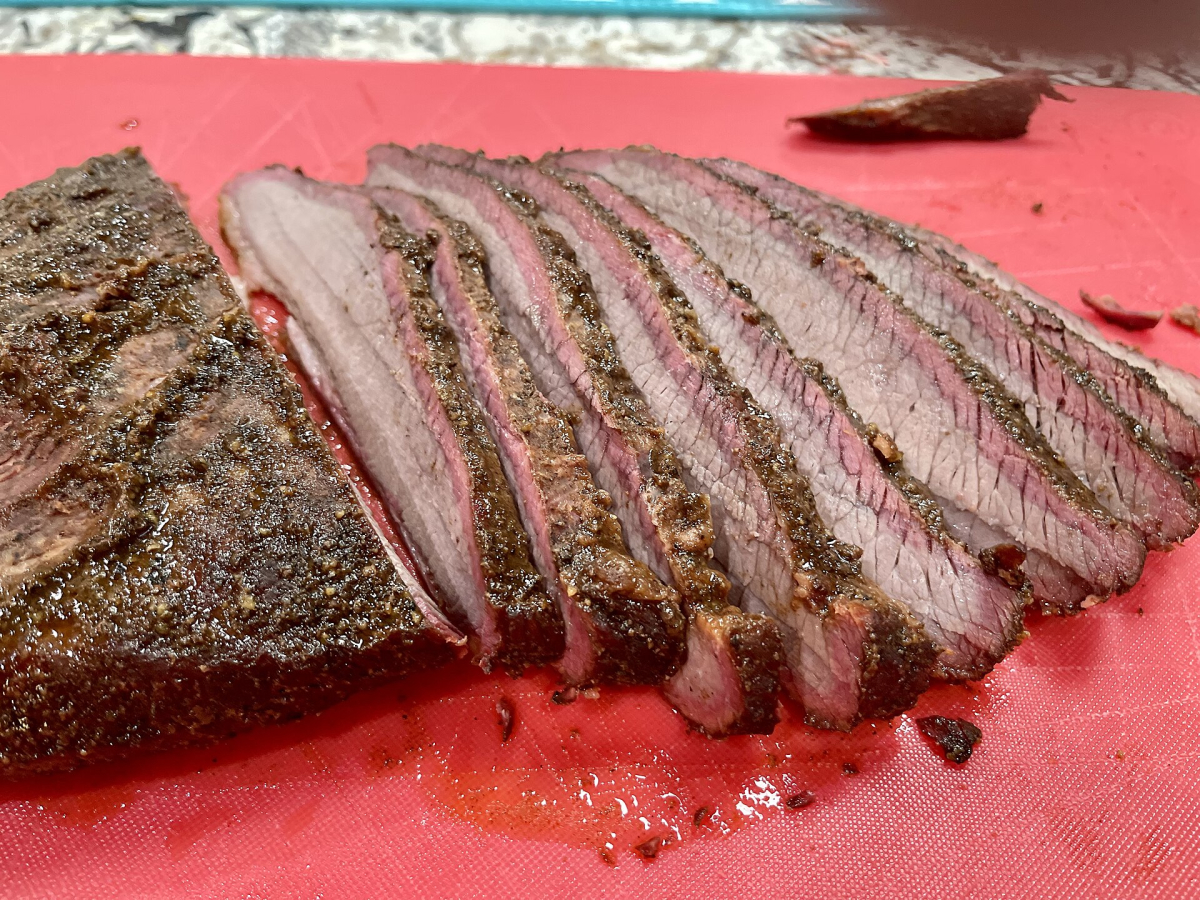
American barbecue covers different traditions rather than one universal sweet sauce. Visit The USA’s regional guide describes the importance of slow cooking and the differences between regional approaches. When choosing a meal, look at the meat or other main ingredient, the cut, the cooking style and how it is sold. A plate, sandwich and by-weight order are different ways to compare value and portion.
Try a manageable selection rather than assuming more variety always improves the meal. Ask which accompaniments come with the order and which are separate. A place can sell out of a particular preparation, so check its own current service guidance if that dish is the reason for visiting. A barbecue stop works best when it fits the route and leaves time to enjoy the meal.
Louisiana: choose among dishes, not only labels
New Orleans’ official dining information highlights gumbo, jambalaya and po-boys among its traditional foods. They offer different eating experiences: a bowl, a rice-based dish and a sandwich should not be treated as interchangeable items to tick off in one sitting. Look at the ingredients and the particular preparation on the menu rather than assuming a familiar dish name has one fixed recipe.
Let food complement the city’s other activities. A casual lunch can sit between neighbourhood visits, while a more deliberate dinner may need its own time and reservation. Avoid describing every local dish as either Cajun or Creole without understanding how the venue presents it. Ask the people serving the food to explain the preparation and be clear about ingredients or dietary limits that matter to you.
New Mexico: red and green chile
Chile is central to New Mexican cuisine. The state’s official tourism information describes both red and green preparations and includes dishes such as green chile stew, stacked enchiladas and breakfast burritos. If a server asks about chile, ask how it is used in that dish and how the kitchen describes its heat. Colour alone does not give every diner a reliable measure of how spicy the particular serving will feel.
Choose the preparation that interests you rather than ordering a generic Southwestern label. Beans, corn, vegetables and different meat dishes can offer distinct ways to approach the cuisine. For a short visit, a breakfast or lunch can provide a useful introduction without requiring a formal dining reservation. If you enjoy a particular chile product, check the rules for taking food home before purchasing it for an international journey.
Miami: Cuban sandwiches and coffee culture
Greater Miami’s official tourism guidance describes the classic Cuban sandwich with pork, ham, Swiss cheese, pickles and mustard pressed in Cuban bread. Individual shops offer variations, so read the actual menu. A small counter meal and a sit-down restaurant visit serve different purposes; choose around the neighbourhood you are exploring and the amount of time you have.
Cuban coffee culture is another reason to pause rather than rush from sight to sight. Ask what the coffee names and serving sizes mean at the establishment, especially when ordering for a group. Do not assume every coffee arrives with the same sweetness or milk. A simple question about how it is prepared can make the order more enjoyable and provide context that a photograph alone cannot.
Hawaii: traditional, local and regional cuisine
Hawaii’s official culinary guidance distinguishes influences from the islands’ many communities and describes dishes such as poke and plate lunch. Local food and traditional Hawaiian food should not be treated as identical categories. Read how a restaurant describes its cooking and the ingredients it uses. This helps you appreciate the meal without reducing a complex food culture to one familiar dish.
A plate lunch typically combines a main item with rice and macaroni salad, while poke has its own ingredient and preparation choices. Check the actual menu and portion instead of assuming every shop sells the same product. If you want to learn more, choose an experience that explains the food and its context. Avoid claiming a meal is traditional solely because it is served on a particular island.
Ordering: identify the service style
At a counter-service establishment, understand where to order, pay and collect the food before joining a queue. At a table-service restaurant, check whether reservations, a set menu or a minimum commitment apply. Menus can distinguish an entrée from smaller plates or sides; ask if the expected portion or included items are unclear. The useful comparison is what your complete order contains.
Service charges, tax and tipping affect the final bill and are explained in the Travel Costs & Money guide. Read the bill before adding another amount, and ask the establishment to explain an unclear charge. Do not assume the same payment arrangement applies to every type of restaurant or across all locations. For a special meal, check current cancellation terms as carefully as the menu.
Dietary needs and drinks: ask specific questions
When allergies or dietary restrictions matter, tell the venue the actual requirement and ask about ingredients and preparation. A dish’s name or a vegetarian-looking side does not establish how it is cooked. Avoid relying on an old menu screenshot or another diner’s experience as a substitute for the kitchen’s current answer. Choose a different option when the establishment cannot provide the information you need.
For drinks, consider local coffee, tea and non-alcoholic choices alongside beer, wine or cocktails where appropriate. If alcohol is part of the meal, arrange the return journey without driving and check the venue’s entry and identification policies. A food day does not need to be centred on drinking to offer a strong sense of place. Leave room for an ordinary bakery, market or café stop that fits the neighbourhood.
Continue planning your USA trip
Sources and further reading
- Visit Maine lobster and seafood
- Maine state lobster roll background
- Visit The USA regional barbecue guide
- New Orleans official dining guide
- New Mexico official chile guide
- Miami official Cuban sandwich guide
- Miami official Cuban coffee guide
- Hawaii official culinary experiences
FAQ
What counts as American food?
American food includes regional and Indigenous traditions, dishes shaped by migration and contemporary cooking. There is no single menu that represents every part of the country.
Should I use the Food & Drink or Restaurants guide?
Use Food & Drink to decide what to eat and understand regional dishes or ordering. Use Restaurants to choose a particular venue, compare the experience and check booking details.
Can I rely on a dish name for dietary restrictions?
No. Ingredients and preparation differ between kitchens. Explain the specific requirement and ask the venue directly; an older menu or a regional description cannot establish the answer.



