USA TRAVEL GUIDE
Shopping in the USA: Local Crafts, Markets and Practical Buying

Good shopping on a USA trip starts with the kind of object you want to take home. A small work by a local artist, a book connected with a museum visit or a well-chosen regional food product can carry more meaning than a bag of interchangeable souvenirs. Decide what fits the route, budget and luggage before setting aside a whole day for shops. This guide pairs product ideas with real buying settings and explains the checks that matter for authenticity, final prices, returns and transport. It does not assume that every American brand is cheaper in the United States or that a visitor automatically receives a tax refund.
Choose purchases with a connection to the trip
Begin with the places you will actually visit. For an art-focused journey, look for prints, ceramics, jewellery or textiles whose maker and materials can be identified. For a park or museum visit, a well-researched book, map reproduction or interpretive item can extend the experience at home. Ask what was made locally rather than treating the city name printed on the packaging as evidence of origin.
Think about use as well as memory. A small item you will display or wear can be easier to justify than a large purchase that requires another suitcase. Check size, care instructions and how the item will survive the rest of the trip. If several similar objects appeal, take time to compare materials and workmanship instead of buying the first one under pressure.
Keep the product decision separate from the shopping setting. A market stall, an independent shop and a museum store can each offer useful things, but the setting alone does not prove every item's origin or suitability. Ask questions, keep the maker information and choose the item for what it is. A clear story supported by a receipt is more useful than an unverified authenticity claim.
Swipe horizontally if needed to compare all columns.
| Purchase | Setting to consider | Useful question |
|---|---|---|
| Locally made craft | Maker stall or independent shop | Who made it, where and from what material? |
| Work sold as Native art | Identified artist or reputable dealer | What written maker and tribal-affiliation record is provided? |
| Museum-related book or print | Collection or visitor-centre shop | Does the edition or object match the visit? |
| Food gift | A suitable regional producer or retailer | Can it be stored, transported and imported legally? |
| Large or valuable item | Seller able to explain delivery and claims | What is the final cost and responsibility for damage? |
Seattle: handmade work at Pike Place Market
Pike Place Market is a useful setting for browsing locally made crafts alongside a wider market visit. The market's own craft-community information explains its handmade guidelines and the range of artisans using the daystalls. Look for the maker's name and ask about materials, production and care. Browsing with a particular product in mind can make a busy market easier to navigate.
Do not assume that every part of the market sells the same kind of goods or that a particular artisan will occupy the same table whenever you return. If you want to think before buying, ask for the business details and how to find the maker again. Confirm whether the piece is immediately available or would need shipping after the trip.
For fragile ceramics, prints or jewellery, discuss packaging before paying. Keep any care and maker information with the receipt. The market can fit a broader Seattle day, but allow time to browse without blocking working stalls or expecting a demonstration from every seller. Choose a purchase because it suits you and its origin is clear, not because a crowded setting makes the decision feel urgent.
Santa Fe: ask good questions about art and provenance

Santa Fe offers a different shopping emphasis, with galleries, independent shops and the Native American Artisans Portal among the settings described by the city's official tourism guidance. Choose the area according to what you want to see rather than expecting a single souvenir strip to represent all regional art. A visit can be worthwhile even when the right purchase requires more time or a different budget.
For work presented as Native American or Alaska Native, establish the maker and the basis of the claim. The Indian Arts and Crafts Board's consumer advice recommends written verification and a receipt recording relevant details, including the maker and tribal affiliation. A broad Southwestern design or a word such as inspired does not mean an object was made by a Native artist.
Compare the actual piece's material, workmanship and provenance instead of using a low price as the deciding feature. Ask about shipping, insurance, export concerns for the materials and what happens if an item arrives damaged. Do not buy sacred, restricted or culturally sensitive material simply because it is offered in a tourist setting; seek clear information about the object and its legitimate sale.
Museum books, regional design and useful small gifts
A museum or visitor-centre shop can help you choose a purchase related to something you have just learned. Look for a publication that addresses the collection, landscape or history you visited rather than a generic coffee-table book sold in many places. Check the language, edition, weight and whether a similar title is available at home before adding it to the bag.
For prints and design objects, identify whether you are buying an original work, a signed edition, an authorised reproduction or a general decorative product. Each can be an appropriate choice at the right price, but they should not be described as the same thing. Keep the information supplied by the seller and ask about framing or care before assuming that a rolled print will tolerate weeks in a crowded suitcase.
Small gifts work best when they fit the recipient as well as the destination. A locally designed notebook, practical textile or clearly sourced craft item may travel more easily than food or a fragile ornament. Avoid filling the luggage early in a multi-stop journey; know where a purchase will remain during transfers and whether a later shopping opportunity would be more convenient.
Check food gifts and luggage before paying
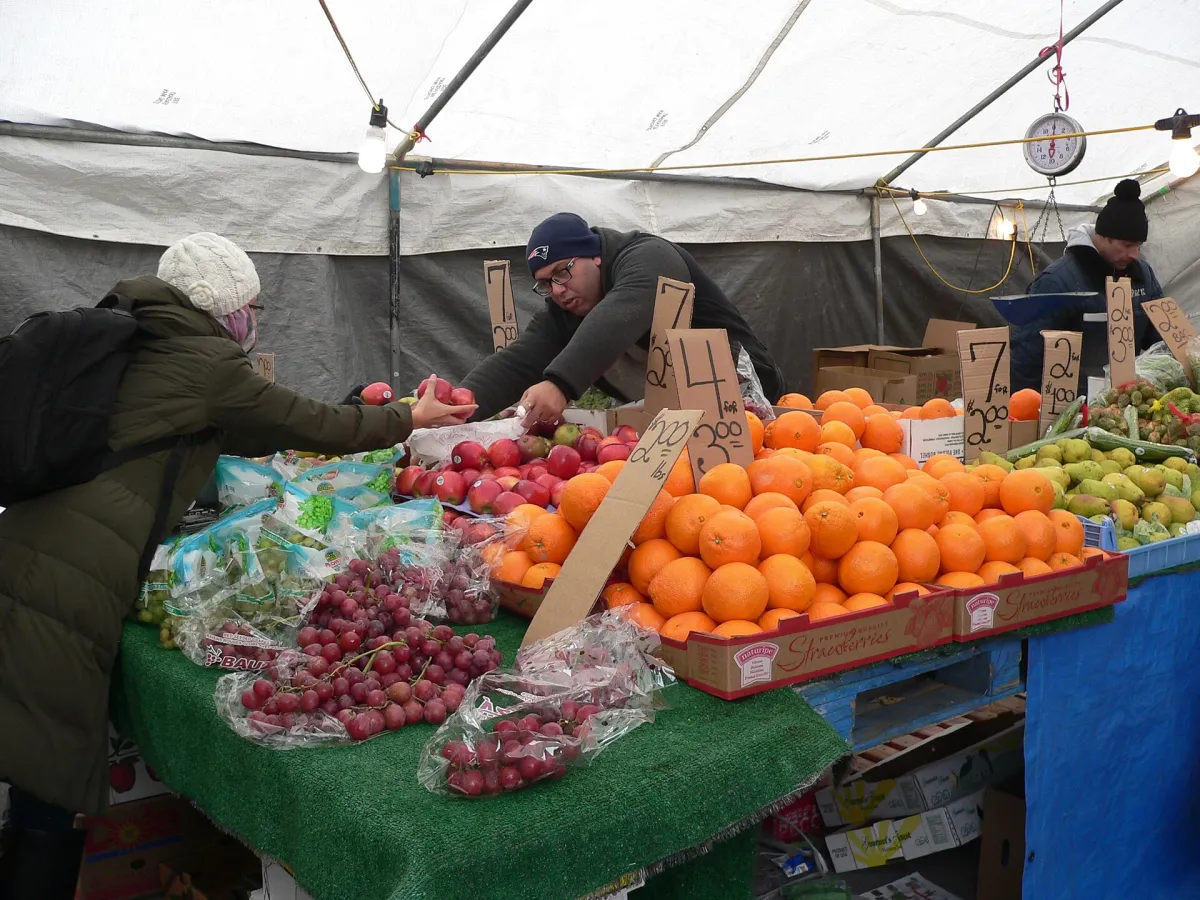
Regional food can be an appealing purchase, but its usefulness depends on storage, transport and your destination's import rules. Check ingredients, shelf life and whether refrigeration is required. A product that is suitable to eat during the holiday may be unsuitable to carry home. Do not assume that vacuum packing or a sealed jar makes an agricultural or animal product admissible in another country.
Check the customs and agriculture rules of the country you are entering with the goods, including any connection where rules apply. For food brought into the United States, USDA APHIS provides product-specific guidance and declaration instructions. When leaving the USA, your home or next destination's authority determines its own requirements; American retail availability does not settle that question.
Review airline luggage and security rules before purchasing liquids, tools, large items or specialist equipment. Add the cost of an extra bag or shipping when comparing a deal. For an expensive or fragile object, establish the packaging, insurance and claim procedure while still with the seller. Photograph the item and keep its documentation separately from the parcel if shipping it.
Compare final prices and local tax rules
Use the total payable amount rather than a shelf price alone. Compare the same model, material, size and warranty coverage with prices at home, including any currency-conversion and payment fees. A sale label or outlet location does not by itself establish a saving. For electronics, check regional compatibility, charger requirements and how warranty service would work after returning home.
Sales-tax rules are local. Oregon's revenue department states that the state has no general sales tax, but that fact does not create a nationwide tax-free-shopping policy or remove unrelated charges. In another state, ask for the itemised final total and keep the receipt. Do not plan a long detour for a tax difference without comparing its transport and time cost.
Do not assume that showing a foreign passport entitles you to a refund. For example, Illinois revenue guidance says it does not refund sales tax simply because an out-of-state visitor bought merchandise there. Check the current state rules and any actual qualifying programme before treating a refund as part of the budget. A seller's general assurance is not enough to establish eligibility.
Keep receipts and understand the exit plan
Read the return policy before paying, especially for sale goods, customised work, jewellery and electronics. Check the return window, condition requirements, restocking charges and whether an in-store return is necessary. A policy that is convenient for a local shopper may be difficult to use once your itinerary has moved to another state or you have flown home.
For valuable purchases, keep the item description, price, maker or model, seller contact and payment record together. Resolve an unclear authenticity or warranty claim before the sale rather than hoping a vague receipt will be enough later. If the item is shipped, confirm the full address, delivery method and responsibility for customs charges at the destination. Choose fewer well-understood purchases instead of relying on a complicated return process.
Continue planning your USA trip
Sources and further reading
- Pike Place crafts
- Santa Fe shopping
- Indian Arts and Crafts Board consumer tips
- USDA food and agriculture
- Oregon sales tax
- Illinois tax refunds
FAQ
Are American brands always cheaper in the USA?
No. Compare the identical product after tax, currency conversion, luggage or shipping and any warranty differences. An outlet or sale label alone does not establish a saving.
How can I check a Native-art claim?
Ask about the maker, tribal affiliation, materials and written verification. Keep a detailed receipt and use the Indian Arts and Crafts Board’s consumer guidance when assessing the claim.
Can visitors claim back all U.S. sales tax?
Do not assume so. Rules vary by state and any qualifying programme. Check the current revenue authority guidance before including a refund in your budget.
Is packaged food always allowed in my luggage?
No. Check airline and security rules plus the agriculture and customs requirements of the country you are entering. Packaging alone does not establish admissibility or suitable storage.