
USA TRAVEL GUIDE
Things to Do in the USA: Choose Experiences That Fit Your Trip

A memorable USA holiday does not need to collect every famous landmark. Choose a few experiences that suit the places on your route and give each enough time. A harbour journey reveals a city from the water; a live performance asks for a different kind of attention; a park walk works best when the effort matches the group. This guide helps you compare activities and decide when to explore independently or book a specific service. The attractions guide concentrates on choosing places, while itineraries put visits in a workable day-by-day order. The experiences below are alternatives across different regions, not a single route to complete in one short holiday.
Choose a balanced set of experiences
Begin with the interests you would miss most if the trip were shortened. Choose one substantial activity for each location, then leave space for meals, local travel and a less structured walk. A succession of timed bookings can be tiring even when each attraction looks close on a map. Compare the actual starting point, duration, return journey and cancellation conditions before placing an activity on a transfer day.
Decide what a paid product adds. A guide may explain architecture or history, a boat may provide a particular view, and a ticket may reserve access. None of those services should be assumed to include the others. Where an area is freely accessible, describe a guided or packaged option as optional. Read the operator's actual inclusions instead of inferring them from a photograph or a similar product name.
Choose activities that differ in pace as well as subject. After a long travel day, a short waterfront outing may fit better than a demanding walk; after several city stops, time in one park can be more satisfying than another rapid sequence of landmarks. Keep an alternative for weather or a sold-out reservation so a single unavailable product does not determine the entire day.
Swipe horizontally if needed to compare all columns.
| Experience | Region/base | Main planning decision |
|---|---|---|
| Harbour journey | New York City | Free crossing, sightseeing cruise or island landing |
| Architecture from the river | Chicago | Commentary, operator, weather and boarding point |
| Live jazz performance | New Orleans | Actual programme, listening venue and return journey |
| Focused park walk | Yosemite | Walking area, season and group ability |
| Aviation discovery | Washington, DC area | Correct Smithsonian location and timed entry |
| Historic road exploration | A chosen Route 66 section | Historic stops plus current road access |
Experience New York from the harbour
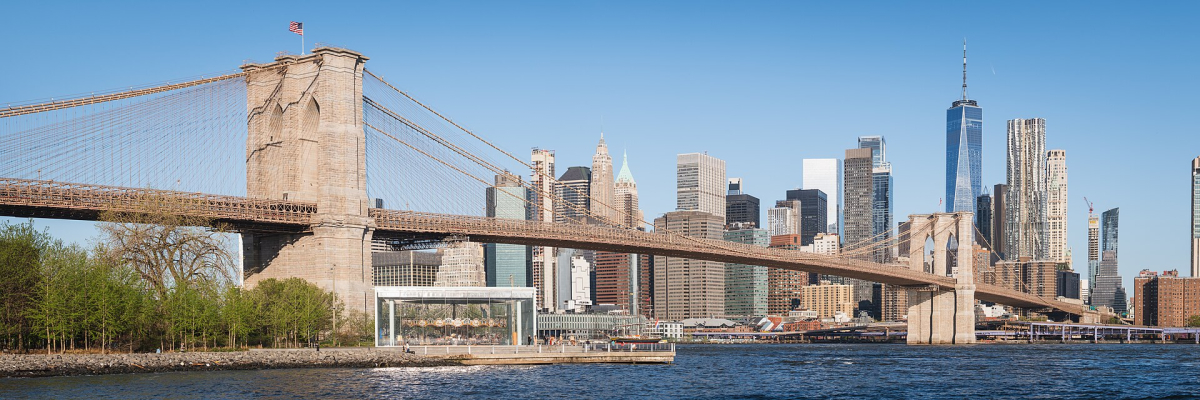
A journey on the water helps explain New York's geography: the skyline, working harbour and relationship between the boroughs become easier to understand from a moving viewpoint. Choose the service for the experience you actually want. A commuter ferry, a sightseeing cruise and a landing on a visitor island are different products, even when the same skyline appears in their advertising.
The Staten Island Ferry is a free service between Lower Manhattan's Whitehall Terminal and St. George on Staten Island. It offers a harbour crossing rather than admission to Liberty Island. Check the current schedule, terminal and boarding instructions, and allow time for the return journey instead of treating the two crossings as one uninterrupted short ride.
For a paid cruise, check the route, departure pier, duration, outdoor space and what happens in unsuitable weather. Match the end time to your next plan and dress for conditions on the water rather than only the temperature on a sheltered street. A good harbour outing leaves room to watch the city, not only to take a photograph before rushing to another booking.
For a paid sightseeing option, Circle Line’s two-hour Sunset & Harbour Lights Cruise offers a harbour view of the city. It does not land on Liberty Island or Ellis Island. Check the departure pier for the selected product option and on your booking confirmation, along with the current route, boarding and accessibility information.
Check Circle Line Harbour Lights cruise availability on GetYourGuide
We may earn a commission if you book through this GetYourGuide link.
Read Chicago’s architecture from the river
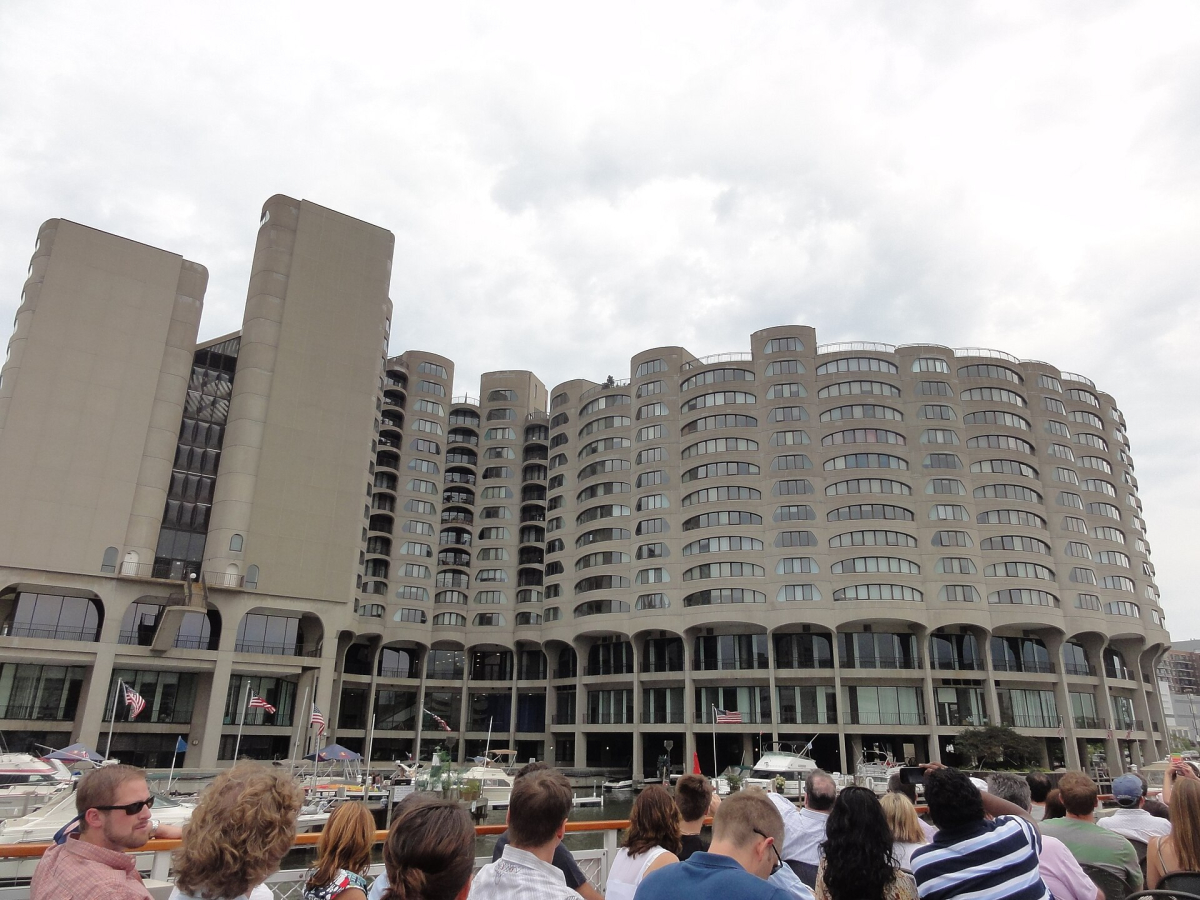
Chicago's river gives a distinctive view of the buildings and bridges that shape the centre. This is an experience for travellers who enjoy understanding a city rather than simply naming its tallest tower. Compare a narrated architecture cruise with a self-guided riverside walk according to the time available, weather and the depth of interpretation you want.
The Chicago Architecture Center's river cruise aboard First Lady is a specific docent-led product described by its operator as a 90-minute journey. Other cruises may have different routes and commentary; do not treat every boat ticket as the same experience. Confirm the operating date, exact meeting point and accessibility arrangements before choosing a departure.
Leave time to find the boarding level and return to the street after the cruise. For a family or mixed-interest group, explain the theme before booking so everyone knows that the focus is buildings and their stories. A walk along the river can complement the boat journey, but it is also a useful alternative when a long seated tour is a poor fit or a preferred departure is unavailable.
For a paid guided option, the Chicago Architecture Center Cruise on Chicago’s First Lady is available through GetYourGuide. Read the actual departure point and boarding-access information for the selected sailing before booking, especially if step-free access is important. Treat this link as the river-cruise product; a combination with Chicago Architecture Center museum admission is a separate product.
Check Chicago’s First Lady architecture cruise on GetYourGuide
We may earn a commission if you book through this GetYourGuide link.
Give a New Orleans performance your attention
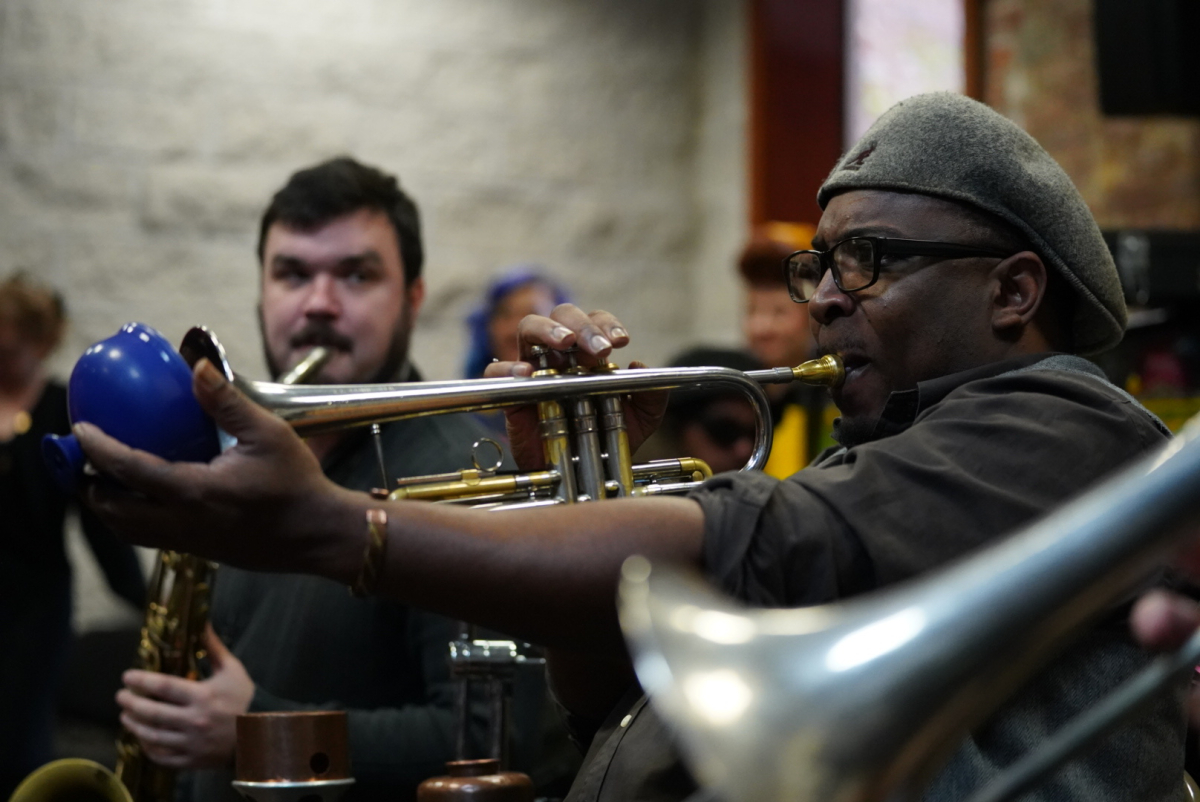
Live music is a reason to stay in New Orleans, rather than an item to squeeze between distant daytime stops. Choose an actual performance and venue for the style, atmosphere and access you want. An evening designed for listening can differ from a bar where music accompanies conversation. Check the current calendar and age policy, then plan dinner and the return journey around the show.
Preservation Hall's own visitor information provides one clear example of a dedicated listening venue: it is all ages, sells reservations through its website and asks visitors not to photograph or record performances. Its programme and entry instructions should be read for the selected date. A photograph of a historic show does not establish who will perform on your visit.
Arrive with enough time to understand the seating and entry process, then allow the music to be the purpose of the outing. If the show you want is not yet listed, distinguish an unreleased programme from a sold-out date. Choose another verified performance rather than assuming a generic nightlife ticket includes the particular musicians, room or style you had in mind.
Spend time on a Yosemite walk
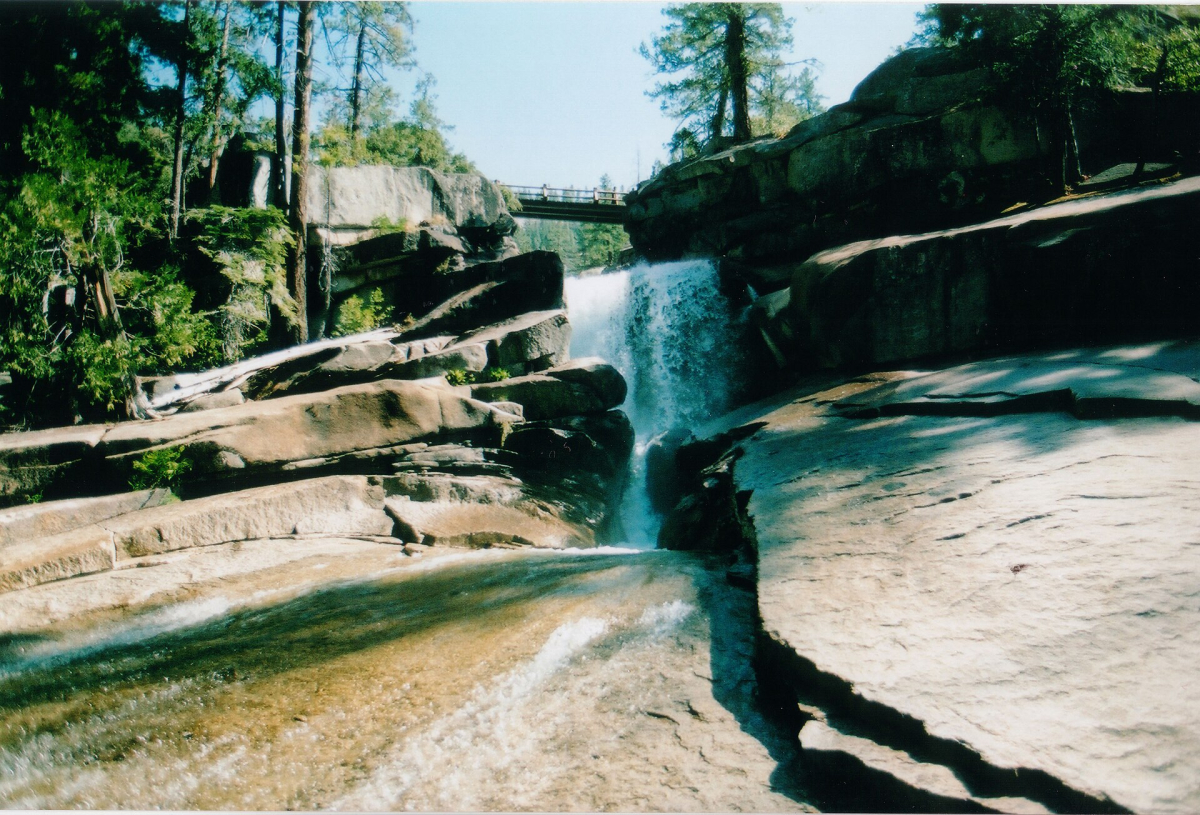
A walk in Yosemite is an opportunity to notice the scale of the valley and the relationship between water, trees and granite, rather than merely taking another distant viewpoint photograph. Select the walking area around the season, access and ability of the party. A manageable route that leaves time to look can be more rewarding than a strenuous name chosen because it appears on every national checklist.
Use the park's hiking information to compare areas and the conditions relevant to your route. Valley, giant-sequoia and high-country plans are not interchangeable. Check current trail and road alerts, carry appropriate supplies and set a turnaround point. A short walk still needs water, suitable footwear and a return plan.
If considering a guided outing, ask what interpretation, equipment and transport are actually included. A guide does not remove weather or fitness limits, and an activity booking does not automatically establish every park-entry arrangement. Keep this experience as one focused part of the trip; detailed pass, permit and multi-park planning belongs in the Walking & National Parks guide.
Explore aviation and discovery at the Smithsonian
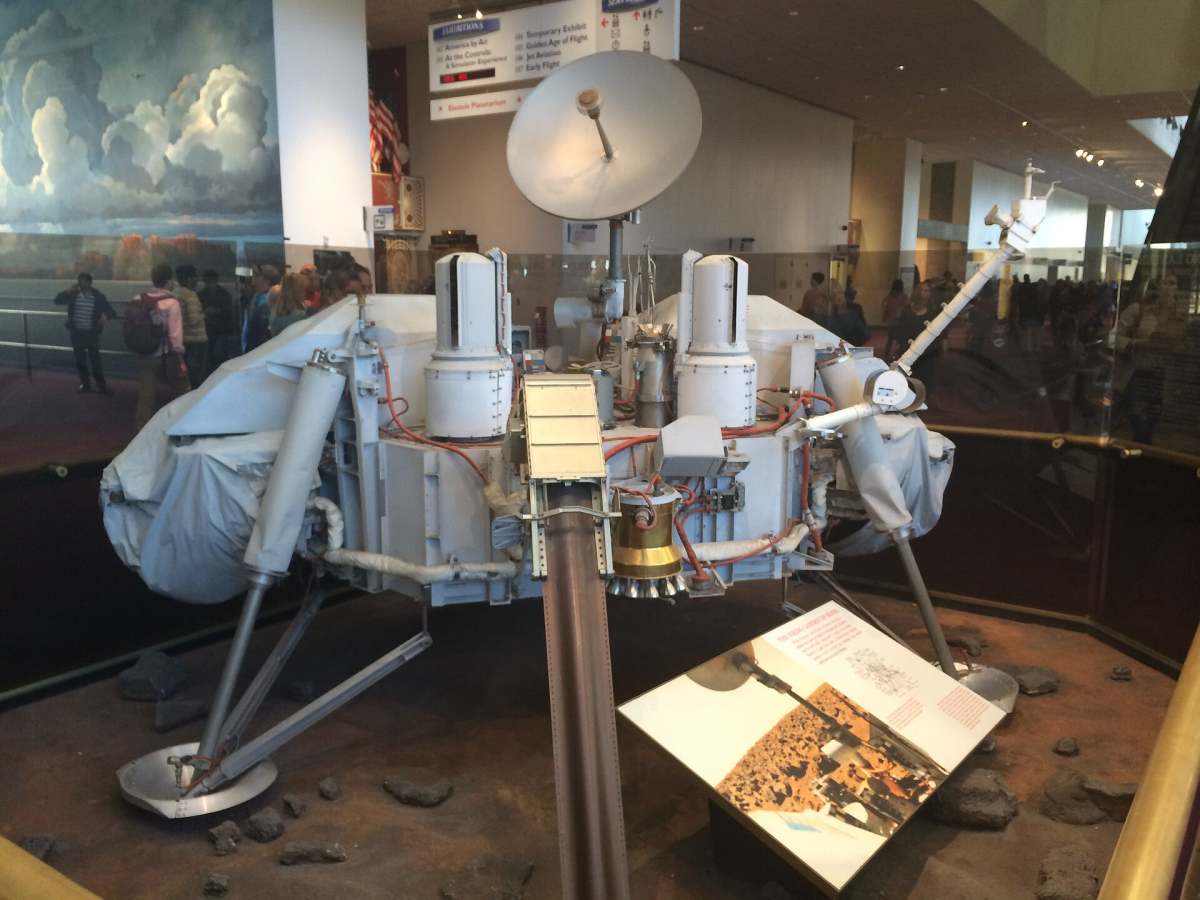
For a family or a traveller who enjoys science and engineering, a focused Smithsonian visit can be more useful than trying to cover several large museums in quick succession. Choose the subject first, identify the objects or galleries that interest the group and leave time to ask questions. The aim is a visit with a clear theme, not a competition to see the most rooms.
The National Air and Space Museum has locations in Washington, DC and Chantilly, Virginia. They are separate destinations. The museum states that admission is free and that its DC location requires free timed-entry passes. Check the location and current entry arrangements before placing it between other Washington visits; a photograph of an exhibit does not establish which collection or current gallery contains it.
Build the day around the attention span and interests of the party. Pick a few priorities and a break rather than expecting children to remain engaged through every display. Review bag and photography rules before arriving. Where a gallery image is historical, use it to explain the museum's subject rather than promising that the exact exhibition remains unchanged today.
Travel a considered section of historic Route 66

Route 66 is most useful as a reason to slow down and explore a stretch of towns, architecture and road history. It is not simply the fastest route between two distant points. Choose a section that fits the existing itinerary and give yourself time to stop legitimately. A short, well-understood regional stage can offer more than trying to complete the historic route while also visiting every major city on the way.
The NPS Route 66 travel material helps identify historic places and surviving road alignments. Use that history alongside current road information; an old alignment or historic photograph is not a guarantee that a particular road is open or suitable for the rental vehicle. Check the route and the places you want to enter before leaving the main highway.
Give the journey a theme: roadside architecture, migration history, a small-town museum or the changing landscape. Choose a realistic overnight base and allow for opening hours and the return to the main route. Spend locally where it suits the journey, respect residents and private property, and avoid stopping in a traffic lane for a road-sign photograph.
Continue planning your USA trip
Sources and further reading
- Staten Island Ferry
- Chicago Architecture Center cruise
- Preservation Hall FAQ
- Yosemite hiking
- Air and Space Museum
- NPS Route 66
FAQ
How many regions should I combine for these activities?
Choose activities that fit the route you already have. These examples span different regions and are not a short national circuit. A more focused trip leaves time to enjoy each experience rather than spending most days in transit.
Is a harbour cruise the same as visiting Liberty Island?
No. Read the actual route and inclusions. A harbour crossing or sightseeing cruise can provide skyline views without landing on Liberty Island or including any specific monument access.
Do all Chicago river cruises include the same commentary?
No. Compare the operator, route, theme and duration. The Chicago Architecture Center’s First Lady cruise is a specific product, and another boat ticket should not be assumed to provide the same programme.
Can a free museum visit still need a reservation?
Yes. Free admission and free timed-entry passes are separate matters. Check the exact Smithsonian museum and location before deciding how to fit it into the day.



