
USA TRAVEL GUIDE
USA Travel Essentials: Connectivity, Power and Everyday Planning

Practical preparation makes a USA itinerary easier to use once you are on the ground. The details that matter are often ordinary ones: whether your phone can install another SIM, how to reach the first hotel without data, which time zone a booking uses and whether a payment card will be accepted at check-in. This page brings those daily arrangements together. Entry permission belongs to the visa and entry guidance, full spending calculations to the budget guide, and route selection to the transport pages. Use this checklist after you have chosen the broad route, then adjust it for city travel, a road trip or time in a national park.
Keep the useful documents accessible
Create a compact arrival file with your first accommodation address, booking references, transfer instructions and an emergency contact. Save a copy offline and keep a second accessible backup separate from the phone you use for navigation. Record the actual street address and city rather than only a property nickname; similar names can exist in different suburbs or states.
Keep your physical passport and required travel documents in a secure, usable place during the journey. A photograph can assist if a document is lost but does not replace the original when an airline or official requires it. For a multi-stop trip, arrange confirmations by date so you can retrieve the next one quickly without searching through old messages in a busy terminal.
Share the essential itinerary with someone you trust, particularly for a rural driving or walking segment. Include the overnight bases and planned date of return to reception. Keep the insurer and bank contacts separately from the cards and devices they relate to. A practical backup should remain usable when the item it protects is missing or out of battery.
Swipe horizontally if needed to compare all columns.
| Arrangement | Before departure | At the destination |
|---|---|---|
| Mobile service | Check device and plan compatibility | Follow product-specific activation instructions |
| Navigation | Download arrival and rural map areas | Review current alerts while connected |
| Power | Read charger and appliance input labels | Use the suitable adapter or appliance |
| Bookings | Save exact addresses and local times | Recheck changes and arrival instructions |
| Packing | Match equipment to actual activities | Adjust the day to local conditions |
Choose a mobile connection for the route
Compare home-network roaming, a U.S. prepaid service and a travel eSIM against the places you will visit. Check whether the phone is unlocked and compatible with the service before paying. An eSIM-capable handset can still have carrier restrictions, and the allowance alone says little about coverage at a remote overnight base. Use the provider's current coverage and compatibility information for the actual route.
Read what the plan includes: data, a conventional phone number, calls, texts, hotspot use and any stated speed limit or fair-use condition. A data-only plan can support internet applications without giving you a normal local number for a callback or a business reservation. Keep your home number available if you rely on it for bank verification, while checking which line is selected for chargeable data.
Activation rules differ. For example, T-Mobile's U.S. Pass information says its service activates in the United States and starts on purchase. That is a product-specific condition, not a rule for every eSIM. Read the current start, expiry and installation instructions before buying a plan days earlier than you can use it.
Prepare for gaps in reception

Download the map area covering your first transfer and each rural stage while you have a dependable connection. Save the hotel entrance, exact coach pickup and any trailhead information you will need. A pin without the approach instructions can be unhelpful where a road is closed, a property has several entrances or a station is on a different level from the street.
For national parks, the NPS app allows park content to be downloaded for offline use. Do this before reaching a place with limited service and review alerts while still online. Treat downloaded information as a planning aid, not proof that a road, trail or shuttle is operating unchanged on the day.
Carry a suitable power bank and protect the cable you need to use it. Keep a paper or separately stored record of essential addresses so a damaged phone does not remove every navigation option at once. For remote walking, choose a navigation and communication plan appropriate to the activity; an ordinary mobile-data allowance should not be mistaken for a rescue service or guaranteed coverage.
Check power adapters and everyday units
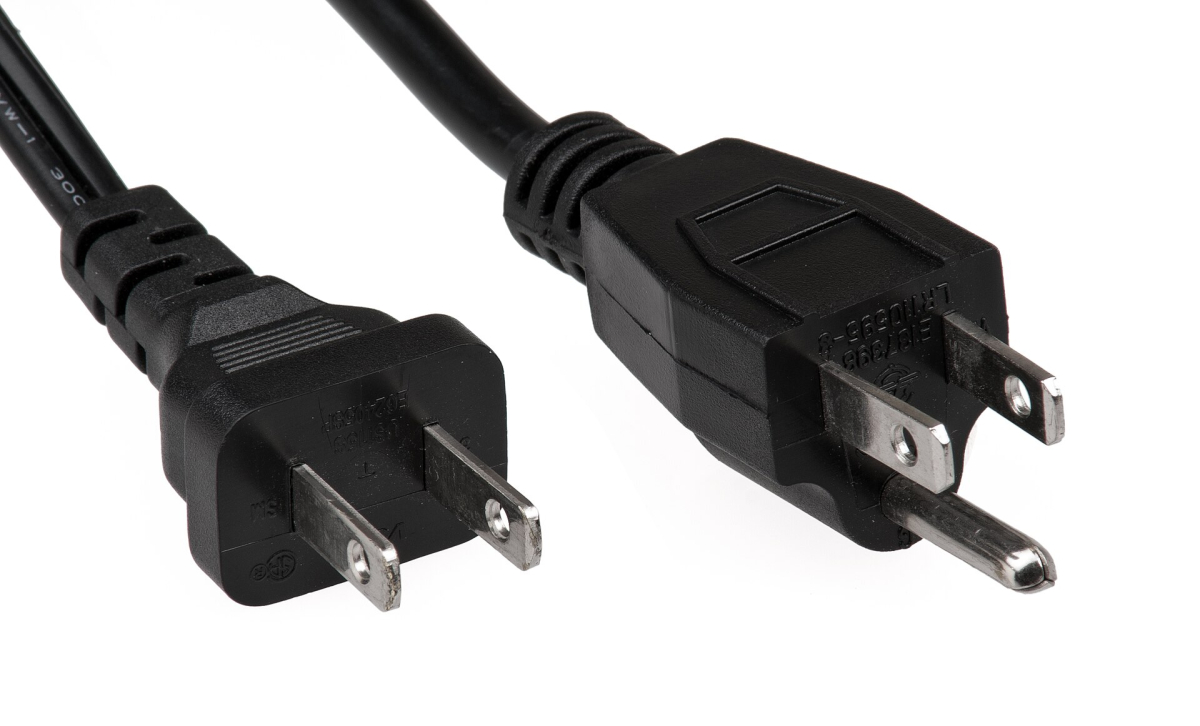
U.S. sockets and supply can differ from those at home. Visit the USA's practical guidance describes the usual 110/120-volt supply. Read the input label on each charger or appliance. A plug adapter changes the physical connection; it does not by itself convert voltage. If you are unsure that an appliance is suitable, ask the manufacturer or use an appropriate appliance supplied by the accommodation.
Pack the correct adapter and enough compatible charging cables for the devices you actually need. Do not assume a hotel has a particular USB connector, and check before bringing a high-power hair appliance that requires more than a simple adapter. A small charging routine is useful on a road trip: replenish the phone and backup battery at the base before relying on them during the next rural day.
Expect road distances in miles and temperatures in Fahrenheit. For quick interpretation, one mile is about 1.6 kilometres, while 32°F equals 0°C. Use a conversion tool when interpreting a serious heat or cold warning rather than guessing from the familiar-looking number. A comfortable forecast at a city stop does not establish the conditions on a higher trail or canyon route.
Read dates, local times and opening hours carefully
The country spans several time zones, so record the local zone beside flights, trains, timed tickets and pickups. Do not assume that an appointment displayed at home is already shown in the destination's time. On a multi-state route, check the local date and time when moving the plan between a booking email, calendar and navigation app.
Watch for a.m. and p.m. on confirmations and clarify any time that is written ambiguously. Spell out the month in your own notes when a numerical date could be read in two ways. The useful question is not whether one date format is familiar, but whether every traveller and supplier is referring to the same day and departure.
Check the actual opening hours of the service you need. A metropolitan supermarket's schedule is not a guide to a small-town pharmacy or a seasonal visitor centre. Holiday periods can affect staffing and transport, and an attraction may have a last admission earlier than its closing time. For a must-do visit, save the official details and check them again shortly before travelling.
Confirm accommodation and everyday service arrangements
Read check-in hours and contact the property if your flight or drive will put you outside them. A small guesthouse may not have the same late-arrival arrangements as a large hotel. Keep the confirmed arrival instructions offline, including any entry code only in a private place. If travel is delayed, use the property's actual contact channel rather than assuming a booking platform automatically updates the host.
Confirm the room's occupancy, bed arrangement and access needs before the cancellation deadline. A booking for a room category does not guarantee every feature shown in a general property photograph. Ask specific questions where a lift, step-free route, roll-in shower or refrigerated medicine storage is essential; a broad accessibility label may not answer the practical requirement.
For a longer stay, check laundry, kitchen equipment, shopping access and any parking or cleaning arrangements. Decide how these fit the way you will use the base. A kitchenette has less value if most days are distant transfers, while a convenient laundry stop can reduce the amount you need to carry between trains or flights.
Pack for the activities rather than a national stereotype
Build the packing list from your actual regions and season. A city museum day, a desert walk and a wet coastal outing need different footwear and layers, even on the same trip. Choose items you can use across several days without assuming that every part of the United States will have the weather shown in a destination's promotional image.
Keep prescription medicines and the documentation relevant to them accessible and check import requirements where needed. Do not stop or alter a medicine for travel without professional advice. Include basic items you regularly need, but check airline and security restrictions before packing tools, liquids, batteries or specialist outdoor equipment. Equipment allowed on a drive may not be allowed in an aircraft bag.
For gifts and food carried into the country, use USDA's product-specific guidance and declare the relevant items. Leave room for purchases without planning to abandon useful equipment at the end of the holiday. A lighter, well-understood bag is often easier to manage than extra items chosen for activities that never made it into the itinerary.
Continue planning your USA trip
Sources and further reading
- T-Mobile U.S. Pass conditions
- NPS offline app
- Visit the USA practical information
- USDA agricultural products
FAQ
Will any unlocked phone accept any U.S. eSIM?
No. Check both eSIM support and compatibility with the chosen service. Read the provider’s model, network, activation and coverage information for your device and route before buying.
Does a travel eSIM include a phone number?
Some do, and some provide data only. Check calls, texts and callback capability separately from the data allowance. Internet messaging is not the same service as a conventional local phone line.
Is a plug adapter the same as a voltage converter?
No. An adapter changes the physical plug connection. Check the appliance’s input rating and manufacturer guidance to determine whether it is suitable for the U.S. supply or needs another solution.
Can I rely on mobile reception in national parks?
Do not make it your only plan. Download park information and maps before the visit, check live alerts while connected and carry navigation and backup power appropriate to the activity.



