
USA TRAVEL GUIDE
USA Itineraries: Realistic 7, 14 and 21-Day Routes
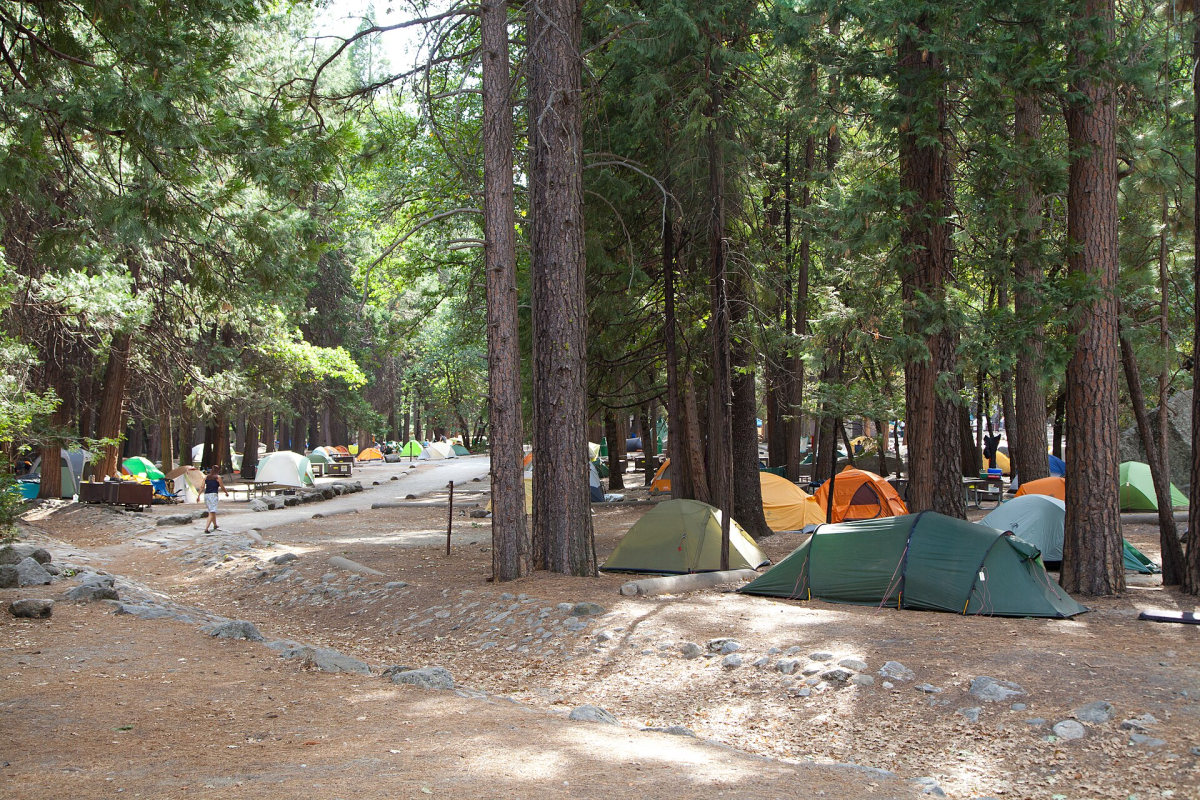
A useful USA itinerary starts with overnight bases and transfer days, rather than a list of attractions. The routes below are editorial suggestions for seven, fourteen or twenty-one days on the ground. They exclude international flight time and assume you can adapt the sequence to transport availability, weather and personal pace. Choose one route family, reserve the part with limited availability first, then build the remaining nights around it.
Swipe horizontally if needed to compare all columns.
| Route | Example nights | Key trade-off |
|---|---|---|
| Seven-day Northeast stay | New York 3; Washington 3 | Two settled bases; do not treat transfer day as a full sightseeing day |
| Fourteen-day Northeast corridor | Boston 3; New York 4; Philadelphia 2; Washington 4 | Four city stays connected by actual rail services |
| Fourteen-day Southwest example | Las Vegas 2; Zion area 3; Bryce area 2; Page 2; unaffected Grand Canyon gateway 3; Las Vegas 1 | Verify road, park and lodging status before committing |
| Twenty-one-day two-region model | Northeast 10; California 10; domestic transfer uses part of a day | Budget for another flight and two focused regional stays |
Compare the route shapes before choosing
A seven-day trip works well with one main city and one nearby base, or two cities connected by a direct service. Fourteen days can support three or four substantial bases in one region. Twenty-one days give room for a longer road route or a second region reached by a flight. More stops are possible, but each one reduces the time available for unhurried meals, neighbourhoods and flexible outdoor plans.
The overnight allocations below describe usable travel shapes, not guaranteed journey times. Count arrival day conservatively, especially after an overnight international flight. On departure day, protect the airport transfer. Check current operator timetables and road conditions for your actual dates; a map’s driving estimate does not include every stop, traffic delay, weather closure or tiredness break.
The daily plans below show every day, including arrival, departure and changes of base. They are editorial activity allocations, not verified transport timetables. Check the services, opening arrangements and access for your dates. Weather alternatives are choices to assess locally; they do not override a closure or guarantee that an indoor venue has space.
Seven days: New York and Washington without a car
For seven days and six nights, allocate three nights to New York and three to Washington, or reverse the order around your international gateways. In New York, group activities by neighbourhood rather than crossing the city repeatedly. Leave one flexible period for a museum, waterfront walk or performance. The first day can remain light so a delayed flight or poor sleep does not force the loss of a costly reservation.
Take a daytime train between the cities and treat that day as a transfer with a modest activity after arrival. Amtrak lists both cities on its Northeast routes; select the actual service and fare conditions separately. In Washington, group the National Mall area geographically and make room for indoor visits. Confirm any timed entry directly with the institution. Adding Philadelphia is possible, but a seven-day first visit usually benefits more from two settled stays.
Swipe horizontally if needed to compare all columns.
| Day and overnight | Practical plan | Transfer or weather alternative |
|---|---|---|
| Day 1 — New York | Arrive, check in and take a short walk near the accommodation. | Keep the day flexible; use nearby food and rest if delayed. |
| Day 2 — New York | Explore one Lower Manhattan area and the waterfront at a manageable pace. | Use a museum or indoor visit in the same area in unsuitable weather; confirm admission. |
| Day 3 — New York | Combine Central Park with one museum selected for your interests. | Swap the outdoor period with a longer indoor visit if the current forecast warrants it. |
| Day 4 — Washington | Take the booked New York–Washington train; check in and orient near the accommodation. | Treat this as a transfer day. A late arrival replaces the optional walk, rather than pushing it into the night. |
| Day 5 — Washington | Choose a manageable National Mall and memorial route. | Use an available Smithsonian museum instead if outdoor conditions are unsuitable. |
| Day 6 — Washington | Visit one chosen Smithsonian museum and allow nearby neighbourhood or café time. | Confirm any timed-entry requirement and retain a second museum choice nearby. |
| Day 7 — Departure | Check out and make the planned airport or onward transfer. | Protect the departure margin; avoid a distant sightseeing booking. |
Seven days: one part of California
For a city-and-coast week, choose Los Angeles with a coastal base, or San Francisco with nearby outings. These are alternatives, not two halves that must be combined. Los Angeles requires careful attention to neighbourhoods and traffic; choose daily clusters of activities. A San Francisco stay can be organised around public transport and walking, with a separate decision about transport for any trip outside the city.
If a major mountain park is the real reason for travelling, give it dedicated nights and reduce the city portion. Avoid a plan that depends on a seasonal mountain road being open without confirmation. A week is short for a full California coastal drive plus both large cities and several parks. Cutting one headline stop gives the remaining places enough time to be a holiday.
Fourteen days: Boston to Washington by train
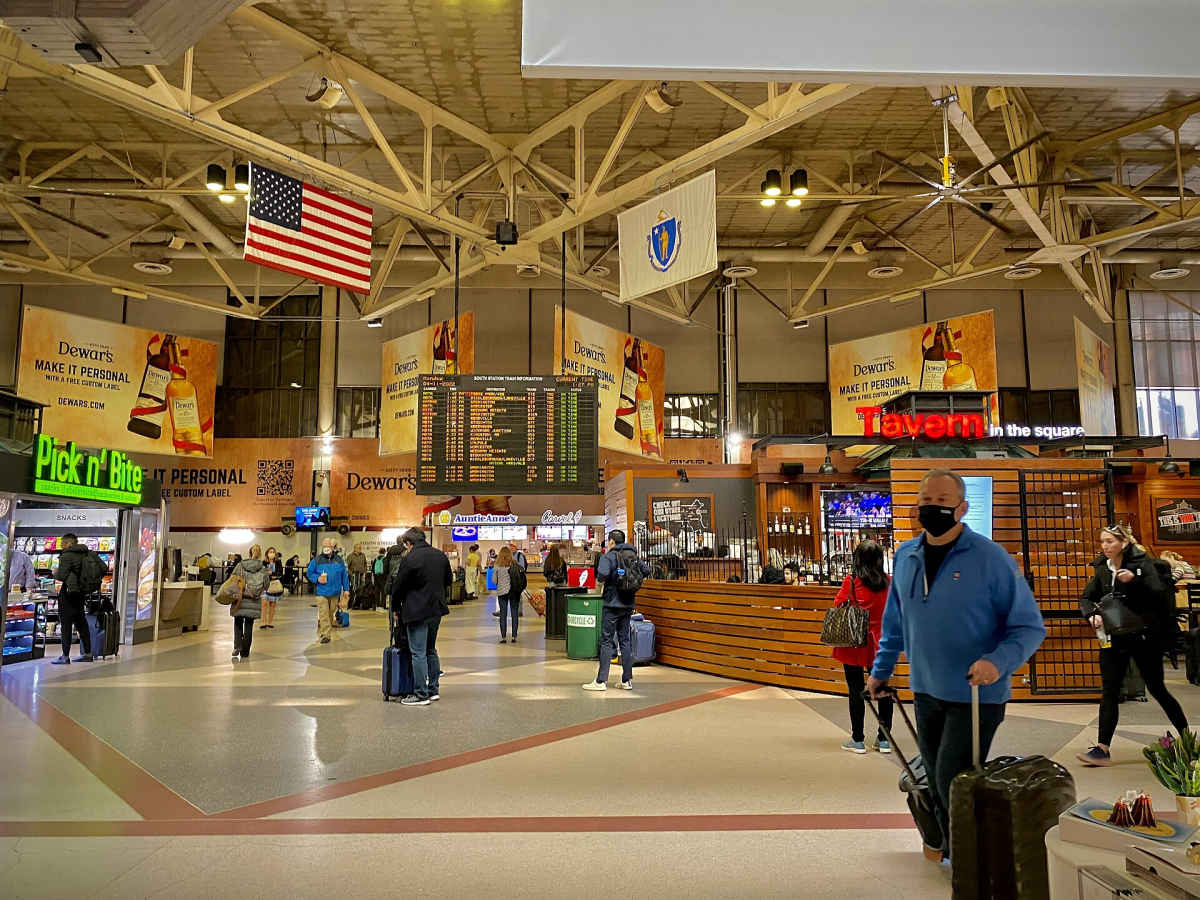
An illustrative fourteen-day, thirteen-night allocation is Boston for three nights, New York for four, Philadelphia for two and Washington for four. This follows the main Northeast city corridor and can work without a rental car. Book accommodation with useful station connections, but do not assume the block immediately outside every station is the best place for your stay.
In Boston, leave time for historic walking areas and a museum or harbour activity. New York receives the longest stay because its neighbourhoods and cultural choices can fill several different days. Philadelphia provides a shorter historic and food-focused stop. Washington closes the route with monuments, museums and flexible indoor options. Choose a limited number of advance reservations and let the other periods respond to weather, energy and discoveries.
Swipe horizontally if needed to compare all columns.
| Day and overnight | Main activity allocation | Transfer or weather alternative |
|---|---|---|
| Day 1 — Boston | Arrival and an easy walk near the accommodation. | Rest and food nearby if the international arrival runs late. |
| Day 2 — Boston | Explore a suitable part of the Freedom Trail, using NPS visitor information. | Choose available historic interiors or a museum; individual partner-site hours differ. |
| Day 3 — Boston | Choose harbour or neighbourhood time and one museum according to your interests. | Keep the outdoor and indoor parts interchangeable. |
| Day 4 — New York | Booked Boston–New York train, check-in and a short local orientation. | Do not add another cross-city commitment if the train arrives late. |
| Day 5 — New York | Lower Manhattan and a waterfront walking area. | Choose an indoor visit in the same area when conditions are unsuitable. |
| Day 6 — New York | One museum and a Central Park area that suits your walking plans. | Give the museum the longer period if weather removes the park portion. |
| Day 7 — New York | A Brooklyn neighbourhood or a flexible day for a missed priority. | Use the extra day to move an outdoor plan rather than booking every hour. |
| Day 8 — Philadelphia | Booked train to Philadelphia; check in and orient around the historic core. | Keep any substantial admission for Day 9 if the transfer is delayed. |
| Day 9 — Philadelphia | Choose Independence National Historical Park sites and another nearby interest. | Check each building or tour arrangement; select an available indoor alternative nearby. |
| Day 10 — Washington | Booked train to Washington and a modest activity near the accommodation. | This is a transfer day, with the evening kept easy. |
| Day 11 — Washington | A selected National Mall and memorial walking route. | Move the outdoor portion to Day 13 if current weather requires it. |
| Day 12 — Washington | One Smithsonian museum matched to your interests. | Confirm entry arrangements; keep a second nearby museum option. |
| Day 13 — Washington | A second museum, neighbourhood visit or weather buffer for the Mall. | Use it to recover a priority lost to weather without adding a distant trip. |
| Day 14 — Departure | Check out and take the planned onward or airport connection. | Keep the departure day free of a tightly timed attraction. |
Fourteen days: Las Vegas, southern Utah and northern Arizona
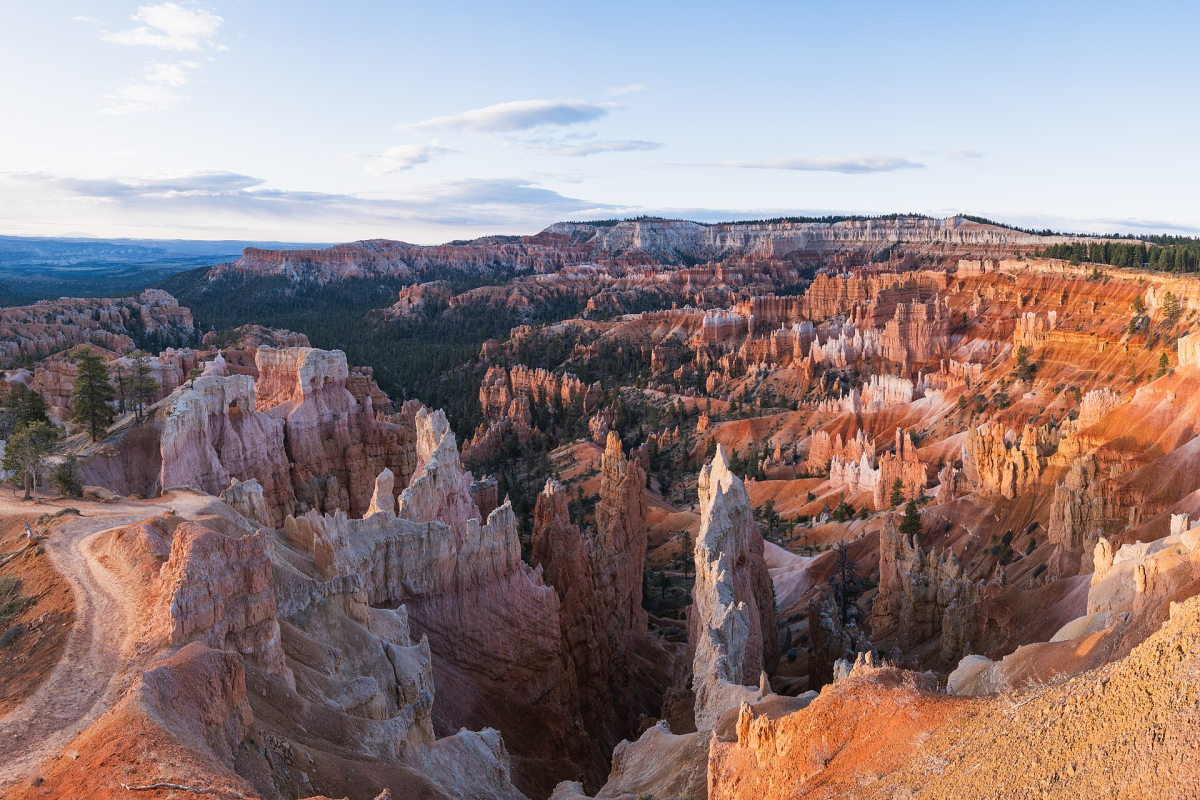
One possible road-trip shape uses Las Vegas for two nights, the Zion area for three, Bryce Canyon’s wider area for two, Page for two, Tusayan or another unaffected Grand Canyon gateway for three and a final Las Vegas stay for one. These thirteen nights within fourteen days allow separate transfer days and time to respond to conditions. They are a planning example, not a claim that every segment will suit every driver or season.
Give park days to the activity you can comfortably undertake: viewpoints, short walks and ranger interpretation can be a complete visit without a strenuous canyon hike. Bryce sits at a different elevation from Las Vegas, while the Grand Canyon rim and the country below it have different conditions. Confirm park alerts, entry arrangements, accommodation and any separately operated tour. As checked on 2 November 2026, the National Park Service reports an overnight lodging closure inside Grand Canyon National Park; outside-park Tusayan accommodation is unaffected by that closure. Tribal attractions have their own permissions and booking systems; a federal park pass does not replace them.
Swipe horizontally if needed to compare all columns.
| Day and overnight | Main activity allocation | Transfer or conditions alternative |
|---|---|---|
| Day 1 — Las Vegas | Arrival, check-in and recovery close to the hotel. | Avoid driving onward after a tiring international arrival. |
| Day 2 — Las Vegas | Local orientation and an optional preselected evening performance. | Choose an indoor activity or rest; keep the next morning practical. |
| Day 3 — Zion gateway | Drive to the chosen Zion-area base and orient at the relevant visitor facilities. | Make the transfer the main task; omit a walk if arrival or conditions are unsuitable. |
| Day 4 — Zion gateway | Explore accessible or otherwise suitable Zion Canyon viewpoints and a short permitted walk. | Use current park advice; a visitor-centre visit or rest replaces an unsuitable walk. |
| Day 5 — Zion gateway | A second park day based on ability, access and current weather. | Keep this day flexible rather than make every activity a fixed booking. |
| Day 6 — Bryce area | Transfer to the Bryce-area base and take a short orientation if conditions allow. | Check the change in elevation and road conditions; avoid adding a major hike. |
| Day 7 — Bryce area | Choose open rim viewpoints and an appropriately short walk. | Use the available visitor facilities or a lighter day if snow, heat or exposure affects the plan. |
| Day 8 — Page | Transfer to Page and orient locally after check-in. | Do not assume a lake, viewpoint or Tribal site has unrestricted access. |
| Day 9 — Page | One authorised local outing or separately booked guided visit that suits the group. | Check the provider or managing authority; weather or access changes can require a different activity. |
| Day 10 — Unaffected Grand Canyon gateway | Transfer to Tusayan or another confirmed operating outside-park base. | Check current NPS alerts and the accommodation confirmation before setting off. |
| Day 11 — Same Grand Canyon gateway | A South Rim daytime visit using the open areas and current park guidance. | Use visitor interpretation and shorter exposure if conditions require; do not assume overnight park lodging is operating. |
| Day 12 — Same Grand Canyon gateway | A second suitable rim day or buffer for an earlier weather disruption. | Keep this flexible and follow closures rather than forcing the original plan. |
| Day 13 — Las Vegas | Return drive, check in and keep the evening modest. | Protect the final departure base rather than adding a remote detour. |
| Day 14 — Departure | Airport or onward transfer. | Allow the return and departure arrangements to determine the day. |
Fourteen days: a California city, coast and park balance
Choose three or four bases rather than moving every night. One model uses San Francisco for four nights, a coastal base for two, Los Angeles for four and a separate three-night nature stay. These thirteen nights fit a fourteen-day journey. The exact nature choice depends on season and current road access. If it produces an awkward backtrack, simplify to a city-and-coast route or change the order of your gateways.
The Pacific Coast Highway is a route to verify, not an uninterrupted promise. Check California’s official road information before committing to accommodation on either side of a closure. A long driving day can be replaced by an inland connection when needed. Keep the final night within a sensible departure transfer rather than placing a distant scenic stop immediately before an international flight.
Twenty-one days: deepen a region or connect two
For a slower western journey, extend one fourteen-day regional plan with longer park stays, a second coastal base or a few genuinely connected towns. The additional week should reduce pressure, not automatically double the map. It is especially useful when weather could change outdoor plans or when your group includes children, photographers or travellers who prefer shorter driving days.
A two-region alternative uses twenty nights over twenty-one days: ten nights in the Northeast and ten in California. Fly on Day 11 and sleep in California that night; the domestic transfer consumes part of a day and does not add an extra hotel night. Compare baggage and airport arrangements before booking. This provides two focused experiences. It does not require a cross-country drive between them, and it leaves more space in both regions than adding brief stops in several further states.
Swipe horizontally if needed to compare all columns.
| Days and overnight base | Main activity allocation | Transfer or weather alternative |
|---|---|---|
| Days 1–3 — Boston (3 nights) | Arrival, selected historic areas, museum and neighbourhood time. | Keep arrival light; swap outdoor and indoor visits around local conditions. |
| Days 4–7 — New York (4 nights) | Day 4 train and check-in; Days 5–7 grouped Manhattan and Brooklyn plans. | Reserve the transfer day for travel and nearby orientation; keep one flexible period. |
| Days 8–10 — Washington (3 nights) | Day 8 train and check-in; Days 9–10 Mall, memorial and museum choices. | Move between outdoor and indoor priorities rather than adding another city. |
| Day 11 — San Francisco (first California night) | Fly from the chosen Washington-area airport to the booked San Francisco-area gateway; transfer to the hotel. | This is the cross-country travel day. Do not count it as a full sightseeing day or an extra night. |
| Days 12–14 — San Francisco (3 further nights) | Neighbourhoods, a museum and a flexible waterfront or park period. | Use current weather to place the outdoor day. |
| Days 15–17 — Chosen California coastal base (3 nights) | Day 15 transfer; two days focused on the coast and its nearby community. | Confirm the actual road connection; use an open inland route or revise the base if closures require. |
| Days 18–20 — Los Angeles (3 nights) | Day 18 transfer; two days of activities grouped by neighbourhood. | Keep transfer day modest and choose nearby indoor alternatives in unsuitable conditions. |
| Day 21 — Departure (no further night) | Check out and take the booked airport or onward connection. | Retain a practical departure margin instead of adding a distant final attraction. |
Alaska and Hawaii are focused route choices
For Alaska, build a trip around the transport and excursions you can actually reserve. Anchorage, the Kenai Peninsula and Denali are distinct areas with seasonal services and substantial transfers. The National Park Service currently reports a Denali Park Road closure at Mile 43; this affects which bus experiences are available and should be checked again before booking. Do not copy an older route that assumes access to the entire road.
For Hawaii, one island can fill a week. Two islands can work with a longer stay, but the flight is also a day of packing, airport procedures and onward transport. Choose islands for the experiences you want, not to collect arrivals. Keep the final island connection and international departure arrangements robust; separate tickets and weather disruption can change how much protection you have.
Adjust the plan before paying
Place every accommodation on the same map as the day’s main activity. Then identify which days contain transport, which require reservations and which depend on weather. If every day has a fixed booking, replace some with flexible time. A useful backup is an indoor or lower-exposure activity in the same area, rather than another long drive to escape a forecast.
Compare one-way and return flights alongside the total ground route. A one-way rental may solve a backtrack but change the cost. Confirm the full price and permitted return location. Keep accessible transport, room needs and food requirements in the booking order, rather than trying to add them after a non-refundable route is complete. The itinerary should support the people travelling as well as the places on the map.
Continue planning your USA trip
Sources and further reading
- Amtrak Northeast route network
- California official road conditions
- Denali current visitor planning
- National Park Service plan your visit
- Boston National Historical Park visitor planning
- Independence National Historical Park visitor planning
- Smithsonian visitor planning
- National Mall and Memorial Parks visitor planning
- Grand Canyon current lodging status
FAQ
Can I visit New York, Las Vegas and Los Angeles in two weeks?
You can connect them by flights, but doing so creates a multi-region trip with several airport transfers. Compare that with a more settled two-week route; the better choice depends on whether those specific cities are your priority.
Are the suggested day counts exact travel times?
No. They are editorial overnight allocations. Verify current train services, driving conditions, access rules and your own pace before treating them as a bookable plan.
Should I book a national park before flights?
Check the reservation or accommodation that controls your route before committing to non-refundable transport. A park entrance, campsite, lodge and guided activity may have separate availability and conditions.



