
USA TRAVEL GUIDE
Statue of Liberty Photography: New York Harbor Framing and Access Choices
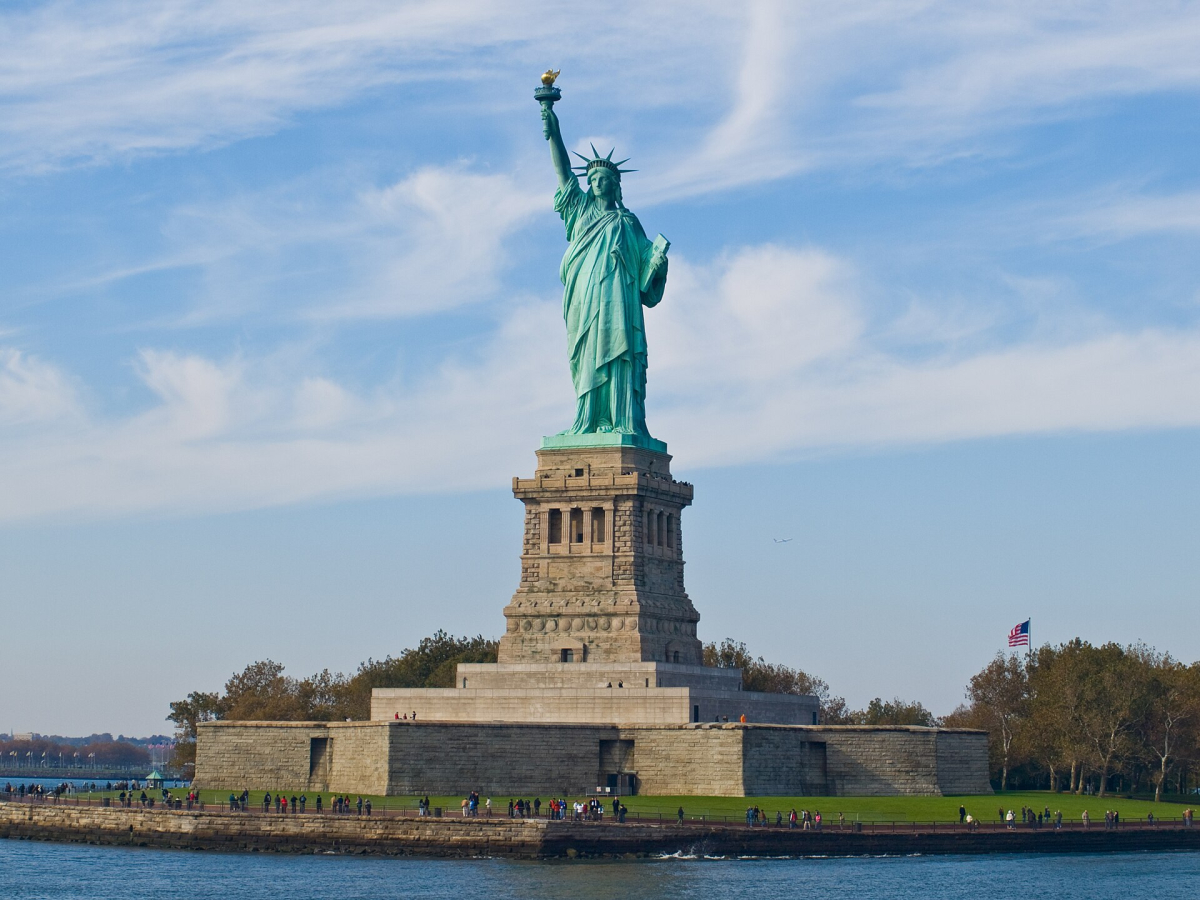
The Statue of Liberty stands above its pedestal beside New York Harbor in this photograph from 13 November 2007. The frame includes water and trees, keeping the monument connected to its island setting. This focused image should not be labelled as a Manhattan skyline panorama. Its practical value is to help distinguish a harbour view of the statue from a visit to Liberty Island or inside the monument.
Read the statue, pedestal and island together
The figure is the visual focus, but the pedestal and island give it scale. The lower band of water separates the viewer from the subject, while the trees keep the base from becoming an isolated stone shape. Notice how the torch and crown remain distinct against the sky. An awkward crop close to either can weaken an otherwise clear photograph.
Try one frame that includes the monument’s setting and another that concentrates on the figure and pedestal. They serve different purposes. A tightly framed statue can show silhouette and detail, while a wider harbour composition explains distance and place. Neither requires inventing a precise boat route or shore position for this reference; the available source does not establish one.
Choose between a harbour portrait and a monument detail
The reference combines the figure, pedestal and a strip of island landscape. That makes the statue part of a recognisable waterfront setting. A tighter frame around the figure would direct more attention to the torch, crown and drapery, while a broader view could make the harbour itself more prominent. Choose the purpose before adjusting the framing. A larger statue in the picture is not automatically a more informative photograph.
Check the space around the raised torch and the upper edge of the frame. These are important parts of the silhouette, and an awkward crop can make the monument feel crowded. At the lower edge, decide how much of the island and water is needed to support the figure. Keep the horizon level where it is visible. The relationships between these elements can make a simple exterior photograph clear without requiring a complicated technical setup.
When making a small series, let each image describe a different scale: the monument within the harbour, the whole figure and pedestal, and a detail that is genuinely visible from your authorised position. If the distance does not allow a useful close study, keep the wider composition. The source photograph does not identify a particular boat or exact shore location, so the page does not promise that every visitor can reproduce its distance and angle.
Choose a harbour view or an island visit
Seeing the statue from the water does not automatically mean a boat will land at Liberty Island. A passing harbour view and an island visit are separate travel choices. Decide whether the photograph is your main aim or whether you also want time on the island, at the museum or inside the monument. That decision should guide the booking.
The National Park Service’s planning information identifies Statue City Cruises as the authorised ferry service bringing visitors to Liberty and Ellis Islands. It also distinguishes general admission from limited pedestal and crown access. Check the current official options rather than assuming that any sightseeing ticket or national park pass covers the same experience.
Work with movement, distance and a bright sky
If you photograph from a vessel, the angle and distance can change quickly. Make a few frames while the statue is unobstructed, but keep your position secure and the passenger route clear. A rail or another person may occasionally enter the frame. It is better to wait for a clean permitted view than to lean out or block a passage.
The statue’s darker surface against a bright sky can encourage an automatic exposure to favour either the sky or monument. Review whether the figure retains enough detail for your intended image. A silhouette may be a deliberate choice, but it should be a choice rather than an unnoticed result. No particular lens or camera setting is inferred from the 2007 source photograph.
Plan access and equipment as separate questions
An exterior photograph does not establish what equipment may be taken through security or into every part of the monument. Review the current NPS and ferry information for the exact visit you book. Keep equipment manageable, allow time for boarding and security, and do not assume that a large bag suitable for a harbour walk is suitable for an interior visit.
The NPS fees and passes information explains the distinction between island museum admission and required ferry transportation. Use the official current details when budgeting. This page deliberately avoids a fixed ticket total, because access category and transport arrangements matter more than an old price copied beside an attractive photograph.
Build the photograph into the visit you actually book
For an island visit, allow the travel and boarding arrangements to shape the day rather than treating them as a pause between photographs. Make sure the chosen ticket matches the activities you want. A harbour view, time on Liberty Island and entry to an interior part of the monument involve different expectations. Choosing clearly at the start helps avoid spending the visit comparing your experience with a photograph made under circumstances that are not documented here.
If the camera is being used from a vessel, make the clearest available exterior view first and keep equipment secure while the boat moves. If you are spending time on the island, leave room to look at the setting and interpretive material as well as the monument. Those observations can help you write a more useful caption later, based on what you actually saw rather than a generic statement about New York.
At the end of the outing, select photographs that explain different aspects of the visit. A sequence of nearly identical statue frames adds less than one clear monument view accompanied by another genuine perspective. Keep this reference’s November 2007 date with its historical context, and describe any new photograph according to its own place and circumstances. Current admission, security and ferry arrangements should continue to come from the official planning sources.
Keep the historical reference precise
The source date is November 2007. The picture is useful for understanding the statue’s outline, pedestal and waterfront context, but it is not current evidence of landing arrangements, construction, crowd levels or security requirements. Retaining the date and source helps the reader use the photograph for the decision it can actually support.
A varied New York photographic set can include this island monument, a separate skyline and a street scene, each with its own clearly described viewpoint. There is no need to make this single image stand in for the whole city. Use the wider USA Photo Spots page to compare those subjects and the main travel guide for the broader trip.
Continue planning your USA trip
Sources and further reading
FAQ
Does every harbour cruise stop at Liberty Island?
No. The NPS identifies the authorised island ferry service. Check whether the specific activity you choose actually lands on the islands rather than simply passing the statue.
Does the photograph show pedestal or crown access?
No. It is an exterior view of the monument. The NPS treats pedestal and crown access as separate limited options that need advance planning.
Is the exact camera position known?
The available image source identifies the statue and date, but this page does not assign it to an unverified ferry, cruise or shore position.

