
USA TRAVEL GUIDE
U.S. Capitol Photography at Dusk from the East Side
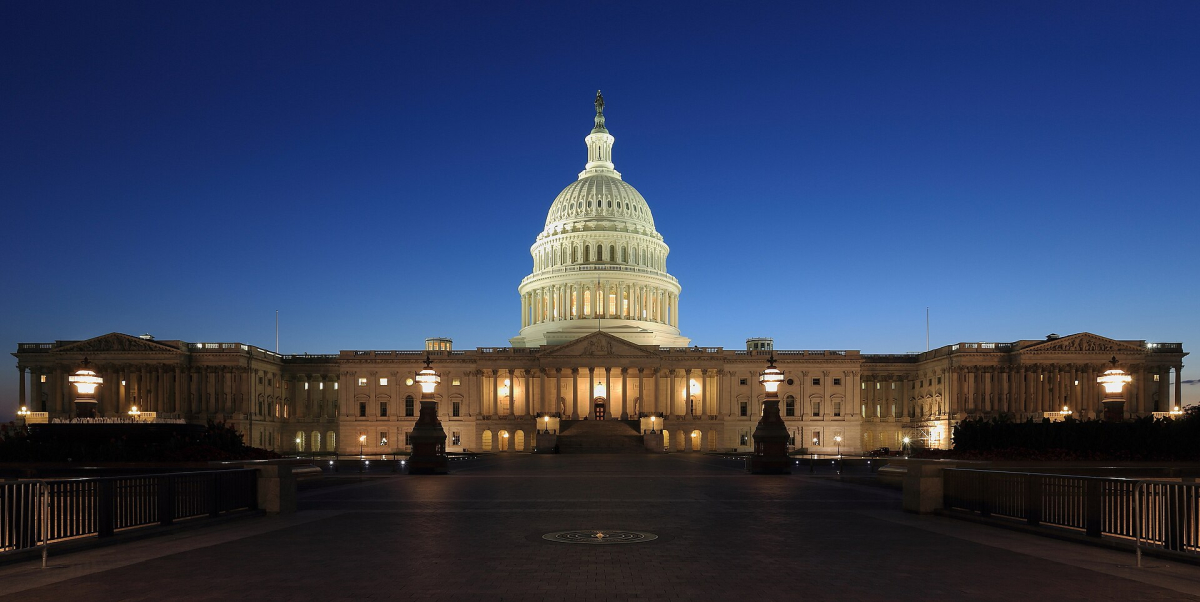
The illuminated United States Capitol stands against a deepening sky in this photograph made from the east side on 3 September 2013. Its low, wide format keeps the dome connected to the building’s horizontal wings. This is a focused exterior architectural photograph, not a view of the White House or an illustration of the interior tour. Understanding that specific subject helps plan a useful Washington, DC photography stop.
Read the dome and wings as one composition
The dome supplies the main vertical accent, but the surrounding wings give it scale and balance. A close crop around the dome would emphasise shape and ornament; the illustrated wider view describes the Capitol as a complete façade. Notice the amount of sky above it and the darker foreground below. Both help the illuminated building stand apart.
Symmetry can be useful without becoming a rigid requirement. Check whether you are standing square to the intended subject and whether the camera is level. If an obstruction prevents a centred view, make a deliberate off-centre composition rather than forcing the building into an awkward arrangement. A lawful available position matters more than recreating every relationship in a historical frame.
The source explicitly identifies the eastern side. Keep that direction with the image so that readers do not plan a western National Mall composition expecting this same façade and foreground. The two sides belong to the same landmark but offer different photographic relationships.
Compare the complete façade with a dome study
The eastern façade gives this photograph a long horizontal base for the dome. That balance is part of its identity. If you frame only the dome, the photograph becomes a study of its outline and ornament; if you retain the wings, it explains how the central form relates to the larger building. Decide which purpose matters before choosing how much sky and foreground to include.
Check the two ends of a wide façade photograph as carefully as the central dome. An unbalanced crop at one side may make a nearly symmetrical view feel accidental. If the available position is offset, make that offset part of the composition instead of pretending it is centred. A deliberately angled view can be clear and useful when its relationship to the building is explained honestly.
The darker foreground in the reference supports the illuminated architecture without becoming the main subject. A brighter or more detailed foreground on your visit might deserve a different treatment. Compare the photograph at normal size and ask whether the eye reaches the building easily. You can simplify the framing while retaining enough setting to show that this is an exterior architectural view, rather than an isolated image of a model or interior feature.
Balance building illumination with the evening sky
The photograph works because the sky is still visibly blue while the building lights are prominent. At another moment, a brighter sky may reduce that contrast, or a much darker sky may make the Capitol appear isolated. Compare a few frames as the balance changes rather than assuming there is one universally correct minute for the image.
Look for lost detail in the brightest architectural areas. A photograph that preserves the colour of the sky but turns every illuminated surface into a blank shape may not describe the building well. Conversely, retaining every shadow can make the scene feel flat. Choose the balance that supports the architectural subject you want to communicate.
The source records September 2013, not a current lighting schedule. The image does not establish that every part of the building will be lit identically on a future visit, nor does it reveal a required camera setting or support arrangement. Weather, security and temporary works can all affect what is practical.
Separate an exterior stop from an interior tour
The official Capitol Visitor Center information explains that visitors entering the historic rooms do so on guided tours and recommends reservations. That is a different activity from planning an exterior photograph. Decide whether you want both, then build enough time around the arrangements of the actual visit you book.
Review the Visitor Center’s current visitor guidance and prohibited-item information before bringing equipment into a tour. A camera bag that is convenient for an outdoor walk may not fit the rules of every interior activity. Do not infer permission for equipment or a larger organised shoot from this exterior reference.
On the grounds, follow current signs, security instructions and access boundaries. A 2013 photograph cannot confirm where a visitor may stand today. If the intended angle is unavailable, choose another permitted view and describe it accurately rather than treating a barrier as something to work around.
Choose an exterior sequence that fits the evening visit
If you want a photograph with both a blue sky and visible building illumination, make a few frames while that balance is available instead of waiting for the sky to become completely dark. Compare how the building reads in each one. A later image may feel more isolated and dramatic; an earlier image may preserve more of the surrounding setting. Either can be the stronger choice depending on the story you want to tell.
Resolve the practical part of the visit before concentrating on that changing light. Identify the permitted approach, the way back and the place where the group will regroup. If an interior tour is also planned, organise it according to the Visitor Center’s current arrangements rather than assuming its timing will align with an exterior dusk photograph. The source records one September 2013 evening and cannot establish a future lighting or access schedule.
A compact final set might show the whole eastern façade, a more concentrated dome view and a separate observation of the public setting where access permits. Keep each caption tied to its actual side and subject. If you later photograph another Washington landmark, identify it independently rather than using one monument’s name as a general label for the city. The value of this page lies in that precise relationship between image, place and documented historical context.
The blue sky and pale illuminated architecture also offer a useful comparison of colour against form. If the sky becomes the strongest element, check whether the building still reads clearly as the intended subject. If the façade dominates, decide whether a little more surrounding sky improves the balance. These are observations about this east-side reference, not instructions to expect a particular lighting arrangement. The finished photograph should make the architectural relationship clear without depending on a caption to rescue an ambiguous frame.
Make an architectural sequence with clear purpose
A useful set might include the full eastern façade, a tighter dome study and a separate frame showing the building within its public setting. Each has a distinct role. Keep the location and viewpoint precise in the captions, especially if you later add images from another side of the Capitol or from a different Washington landmark.
Plan a comfortable return route before waiting for the sky to darken. Keep pathways clear while reviewing photographs and remain aware of people using the area for reasons other than photography. The value of this reference is its specific east-side architectural composition and declared historical context, not a claim of current access, personal shooting experience or an exact technical recipe.
Continue planning your USA trip
Sources and further reading
FAQ
Is this the Capitol’s west-side National Mall view?
No. The source identifies an east-side view made in September 2013. The western approach has a different foreground and composition.
Does an exterior photography stop include a Capitol tour?
No. Interior access follows the Visitor Center’s current guided-tour arrangements. Plan and check that activity separately.
Will the lighting and standing position be identical today?
Not necessarily. The source is historical, and current access instructions, works and lighting conditions should guide the actual visit.

