USA TRAVEL GUIDE
USA Family Travel: Cities, Parks and Theme Park Planning
A family trip to the USA works best when the route reflects the people travelling. Ages, interests, sleep routines, accessibility and tolerance for long transfers matter more than a national list of attractions. Choose one main trip style, give it a manageable number of bases and keep some days flexible. Theme parks can be part of the journey, but city museums, nature programmes and ordinary time outdoors can be just as important to the holiday.
Swipe horizontally if needed to compare all columns.
| Trip style | Useful advantage | Main question |
|---|---|---|
| One city base | Fewer room changes and flexible daily activities | How do the actual transport and room arrangement work? |
| Park-led regional trip | Time for short activities and Junior Ranger exploration | Do conditions and access suit the whole group? |
| Orlando theme park stay | A clear focus for several days | Which ticket, transfers and rest days match your family? |
| California theme park visit | A defined stay within a Southern California route | Have you checked the actual admission and reservation requirements? |
| Beach-focused base | An easy daily rhythm when conditions suit | Are the access, facilities and local conditions appropriate? |
Choose a family route that fits the available days
For a short stay, choose one city or one resort region with nearby outings. A longer regional trip can combine a city with coast or nature, provided the transfers remain proportionate. Two full days in one place may feel more varied to a child than several brief arrivals followed by another car journey. Place recovery time after international travel before any costly fixed activity.
Ask each traveller to choose one priority and use those to shape the route. Adults can then select a few complementary stops, rather than building a schedule from every attraction that appears family-friendly. Consider where you will eat, rest and return to the room during each day. Those ordinary details often determine whether the larger plan is enjoyable.
City stays: group activities geographically
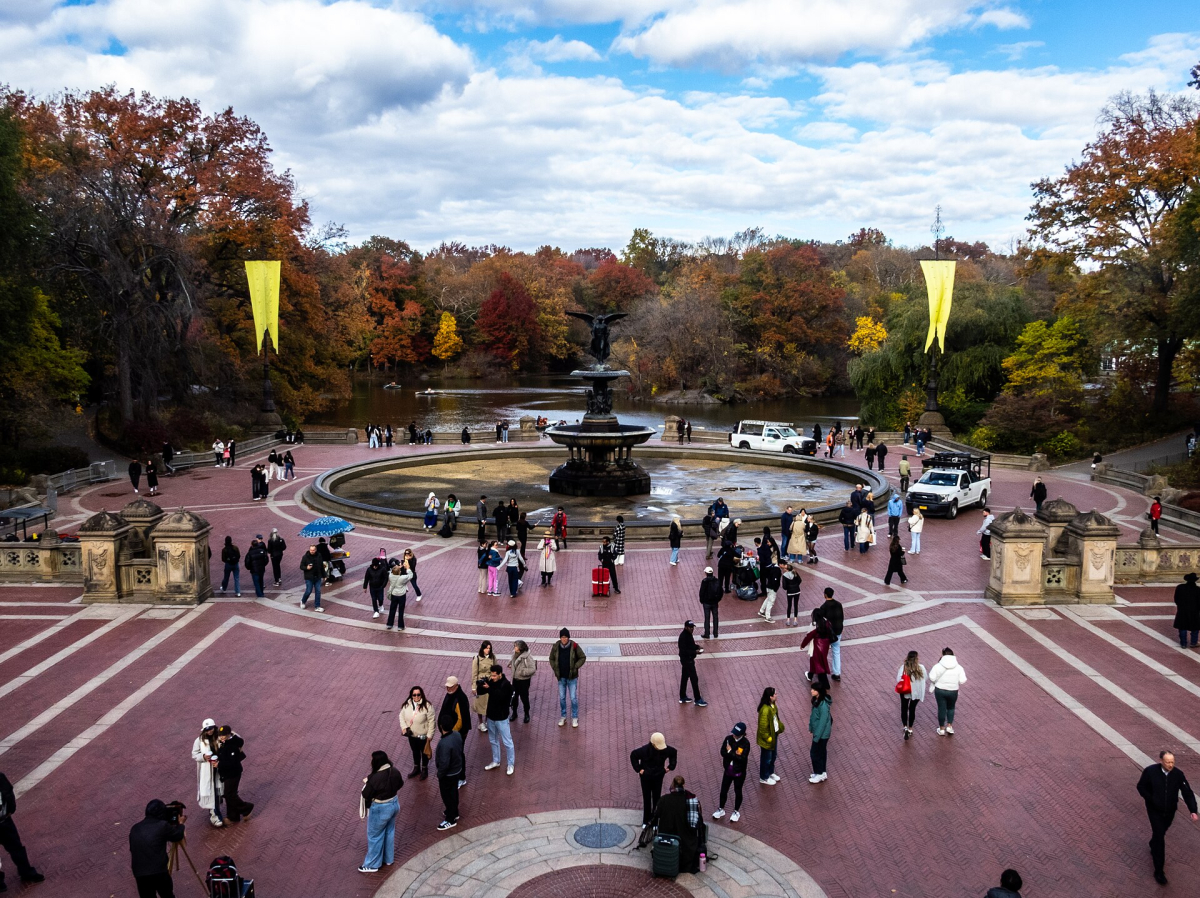
A city holiday can offer museums, waterfronts, parks and performances without a rental car. The practical question is how the accommodation connects with each day’s activities. Choose one main area per day and keep food and a low-effort alternative nearby. Avoid a route that crosses a large city several times simply to fit a museum, restaurant and playground chosen separately.
Check museum policies directly for timed entry, stroller access, bag storage, toilets and food. Do not assume a free institution requires no planning or that every paid attraction provides the same facilities. A shorter visit with a clear purpose can be more successful than attempting to see every gallery. Leave an unscheduled period after an activity that may hold attention longer than expected.
National parks: build the day around curiosity
The National Park Service’s Junior Ranger programmes offer activities that help children engage with a specific park. Ask the individual site about availability, age suitability and how the programme works. A visitor centre, short walk and time observing a landscape can form a full day without a demanding hike. Choose the activity for the group’s capabilities and the actual conditions.
Do not rely on a photograph of a trail to judge its surface, exposure or suitability for a stroller. Read the park’s accessibility and current trail information. Keep any longer outing conditional on weather, energy and advice at the site. A child’s interest in wildlife should be supported by patient observation from a suitable distance, rather than approaching an animal to improve the view.
Orlando theme parks: compare the complete holiday

Choose the parks your family wants before choosing a package. Compare the number of park days, the ticket’s validity, accommodation, transfers, meals and any optional access products as separate parts of the total. A longer ticket is not automatically better value if the group needs rest days or has other plans. Check height requirements and the nature of attractions directly before treating a park as suitable for every child.
Walt Disney World’s official reservation guidance currently distinguishes admission types: date-based tickets no longer require a separate theme park reservation, while some other admission types may. Check the rules for the exact ticket you are buying, rather than carrying an assumption from a previous visit. Accommodation and dining arrangements also have their own conditions. The Family Travel page keeps these decisions together because they are part of planning the family trip.
California theme parks: use the right destination rules
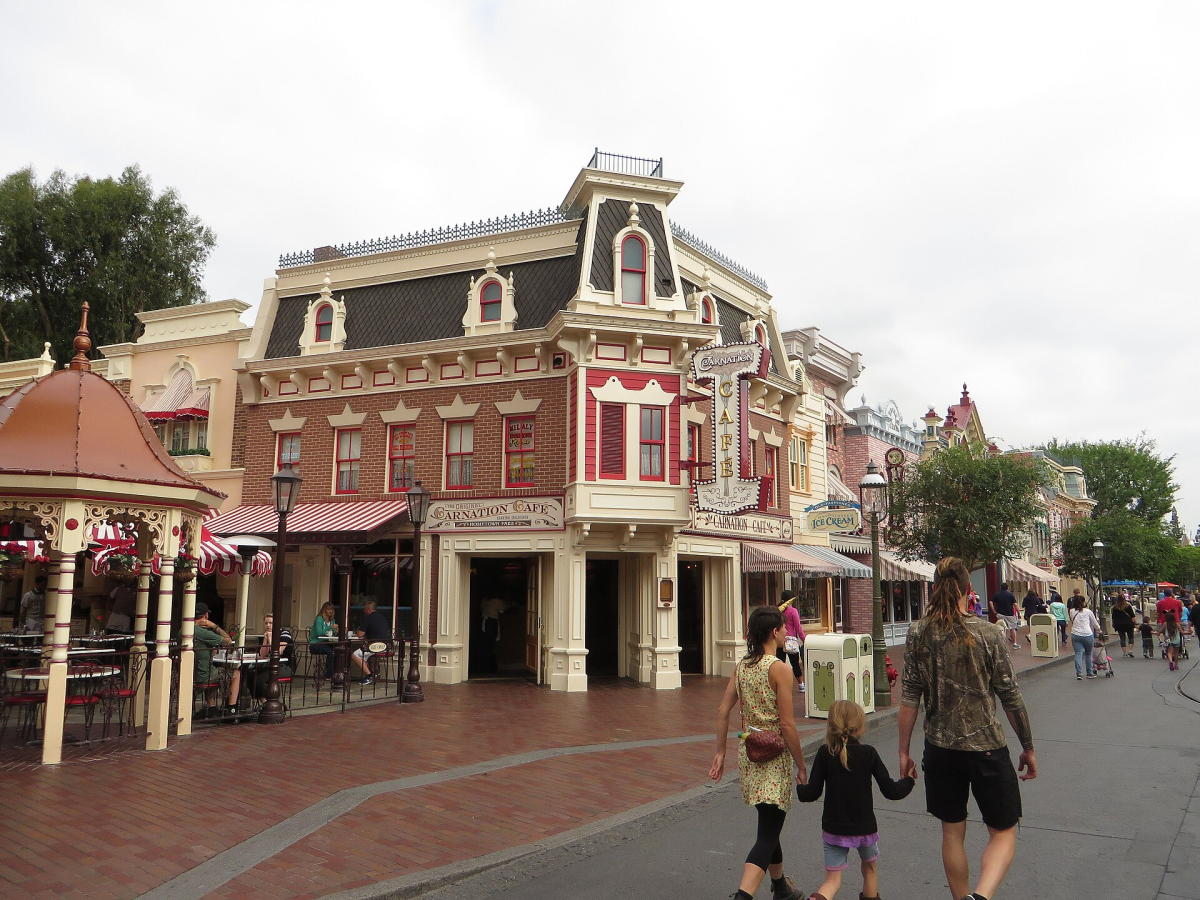
California’s Disneyland Resort has its own entry arrangements. Its official guidance requires both valid admission and a park reservation for the relevant park and date for guests aged three and older. This is a different system from the current date-based ticket rule at Walt Disney World in Florida. Confirm current availability and the ticket used for the reservation before committing to surrounding travel.
Place a theme park stay in the wider Southern California route carefully. A hotel near the park can simplify those particular days, while an accommodation chosen for another part of Los Angeles may create a less convenient journey. Compare a split stay with the effort of moving rooms. Keep an easy day between demanding park visits if that matches your group, and avoid making the longest transfer the morning after a late finish.
Beach time: facilities and conditions come first
Choose a beach area for the facilities your family will actually use: suitable access, toilets, shade options, food and a practical journey back to the room. Check current local beach and ocean guidance before swimming. A calm-looking photograph is not evidence of safe conditions on the day, and a resort’s coastal setting does not establish that every nearby stretch is suitable for your group.
Consider whether a shorter beach visit combined with another easy activity works better than an entire exposed day. For Hawaii or other island stays, choose the coast as carefully as the island. Build the plan around current access and local advice. Keep a flexible alternative nearby so that unsuitable sea or weather conditions do not turn the day into a long search for another beach.
Transport: decide the child-seat plan before arriving
For a car-based trip, make the child-restraint arrangements part of the reservation. The National Highway Traffic Safety Administration provides guidance on selecting and using car seats and boosters; consult that along with the relevant state requirements and the equipment manufacturer’s instructions. Confirm what a rental provider supplies and how the seat will be installed. A booking request should not be treated as proof that the exact equipment is guaranteed.
With trains or flights, check the operator’s current baggage, stroller and seating policies for your ticket. Make the transfer between transport and accommodation explicit, especially after a late arrival. A cheap fare can become less useful if it creates a difficult airport journey for the group. Pack essential items where you can reach them during the transfer rather than only in checked luggage.
Rooms and meals: verify the details behind family-friendly
Confirm the actual bed arrangement and maximum room occupancy for all travellers. A room described as suitable for a family may contain a sofa bed, share sleeping space or offer a layout that does not fit your needs. Connecting rooms, cribs and specific accessibility features may need direct confirmation. Compare the final rate for the correct ages and occupancy, including any mandatory charges.
For meals, grocery access, a refrigerator or simple kitchen can add flexibility, but check what is included. If allergies or other dietary requirements matter, consult the venue directly rather than treating a generic menu icon as a complete answer. Keep straightforward options near the accommodation for arrival night. Do not force the day’s food schedule to depend on a single distant reservation.
Leave room for rest and changes
Use a realistic daily pattern: one main commitment, a nearby optional activity and a clear route back. The balance can change with age, but it is useful even for families with teenagers or several generations. Keep adults’ interests visible as well; a family route does not need to consist only of attractions marketed to children.
Check the next day’s conditions and booking requirements each evening. If the plan no longer fits the weather or the group’s energy, change the flexible part early. The value of a rest day is not measured by how many sights it contains. A familiar breakfast place, time in a park and an unhurried evening can create a better holiday rhythm than another ambitious excursion.
Continue planning your USA trip
Sources and further reading
- National Park Service Junior Ranger programmes
- Walt Disney World reservation requirements
- Disneyland Resort tickets and reservations
- NHTSA car seats and boosters
FAQ
Is a USA family holiday best built around theme parks?
Only if those parks are the main interest. City stays, national park programmes, beaches and shorter regional routes can also work well. Choose a trip that fits the group rather than assuming one attraction type is essential.
Are Disney entry rules the same in California and Florida?
No. Current official guidance distinguishes their systems and ticket types. Check the actual destination, admission and dates before buying; a previous visit’s rules should not be assumed to apply.
How many activities should we book each day?
There is no fixed number. One main commitment with nearby optional time is a useful starting pattern. Adjust it for ages, interests, accessibility, weather and the effort of moving around.