
USA TRAVEL GUIDE
Best Time to Visit the USA: Weather by Region and Season
The best time to visit the USA depends on the part of the country and the activity you want to do. A comfortable month for a New York walking trip can coincide with snow-limited mountain access or intense desert conditions. Choose your travel window and route together, then use local forecasts and current official access information before committing to weather-dependent plans. The guidance below describes typical seasonal patterns, rather than a forecast for a particular week.
Swipe horizontally if needed to compare all columns.
| Trip type | Useful comparison | Verify before booking |
|---|---|---|
| City walking | Spring and autumn versus summer heat or winter exposure | Actual forecast, events and indoor alternatives |
| Northern and mountain outdoors | Wider summer operating opportunities versus shoulder-season limits | Road, trail, accommodation and transport status |
| Atlantic or Gulf coastal travel | Trip dates within or outside the June–November official hurricane season | Current official forecasts and flexible booking terms |
| Alaska excursions | The specific service’s operating season | Current access and a bookable departure |
| Hawaii coast and high ground | The exact coast, activity and elevation | Local conditions and activity guidance |
Choose by activity before choosing a month
For city sightseeing, consider how much walking you want to do and whether museums or performances can provide a good alternative in poor weather. For a park trip, check when the road, accommodation, shuttle or trail you need operates. For a beach holiday, decide whether warm-water swimming, coastal scenery or surfing is the aim. Those are different questions and may have different seasonal answers.
Crowds and prices also respond to school breaks, weekends, major events and local demand. A season described as shoulder season is not a promise of low rates everywhere. Compare your actual dates in the places you intend to stay. If one event or outdoor experience controls the route, confirm its timing and availability first, then work outwards from that date.
Spring: city walking and lower-elevation choices

Spring can suit city trips, gardens and routes where the winter extremes are easing. It is a useful season to investigate the Northeast, parts of the South and lower-elevation western areas. Conditions vary substantially within those regions, so pack for changing temperatures and allow indoor alternatives. A bright afternoon does not establish the conditions for the entire week.
High mountain country follows a different timetable from the cities below. Snow, road maintenance and seasonal operations can affect access well into what a calendar calls spring. Before choosing a mountain detour, check the actual road and trail status. If access is uncertain, select a lower-elevation alternative that already fits the route rather than relying on an ambitious last-minute change.
Summer: longer outdoor days with regional trade-offs
Summer often provides the broadest opportunity for northern and mountain travel, but it also brings busy accommodation periods and specific weather risks. Reserve limited-capacity stays and activities around your own trip requirements. Avoid assuming that an open park entrance means every road, trail and visitor service is operating. Read the relevant alerts for the part of the park you intend to use.
Cities and low-elevation areas can be hot, and some regions combine heat with humidity. Plan outdoor time around the forecast and the needs of your group. The National Weather Service’s heat guidance explains why heat deserves attention; make access to water, shade and indoor breaks part of the daily plan. Do not interpret a scenic road trip as a guarantee of safe conditions for strenuous walking.
Autumn: regional colour, city trips and changing access
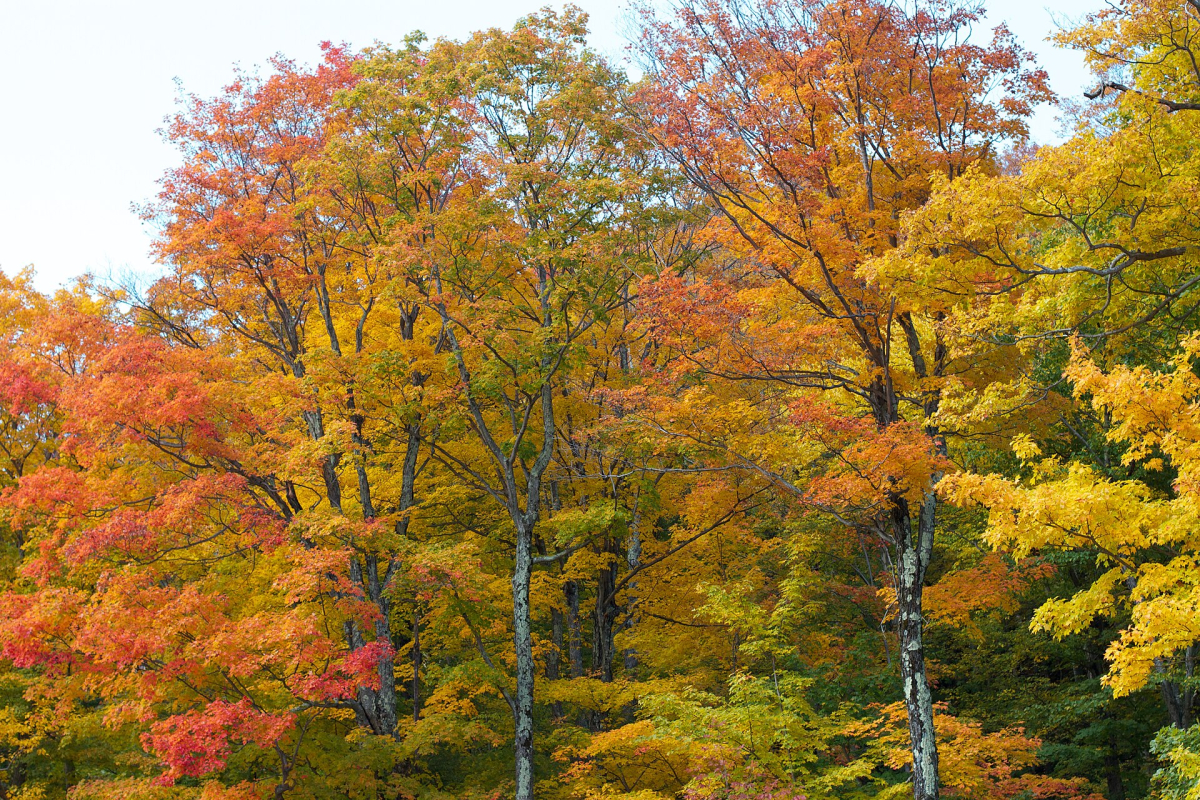
Autumn can offer appealing conditions for city walking and some scenic routes. In New England and other northern areas, foliage is a reason to travel, but its timing and intensity vary from place to place and year to year. Plan a route with several possible walks or viewpoints instead of depending on one exact location reaching a photographic peak on a fixed day.
The same season can bring shorter days and the end of services in northern or mountain destinations. If you want a guided excursion, bus or accommodation that operates seasonally, verify its final operating dates. A less crowded place may also have fewer dining and transport choices. Build the return journey around what is actually available rather than extrapolating summer schedules.
Winter: choose cities, snow trips and warmer regions deliberately
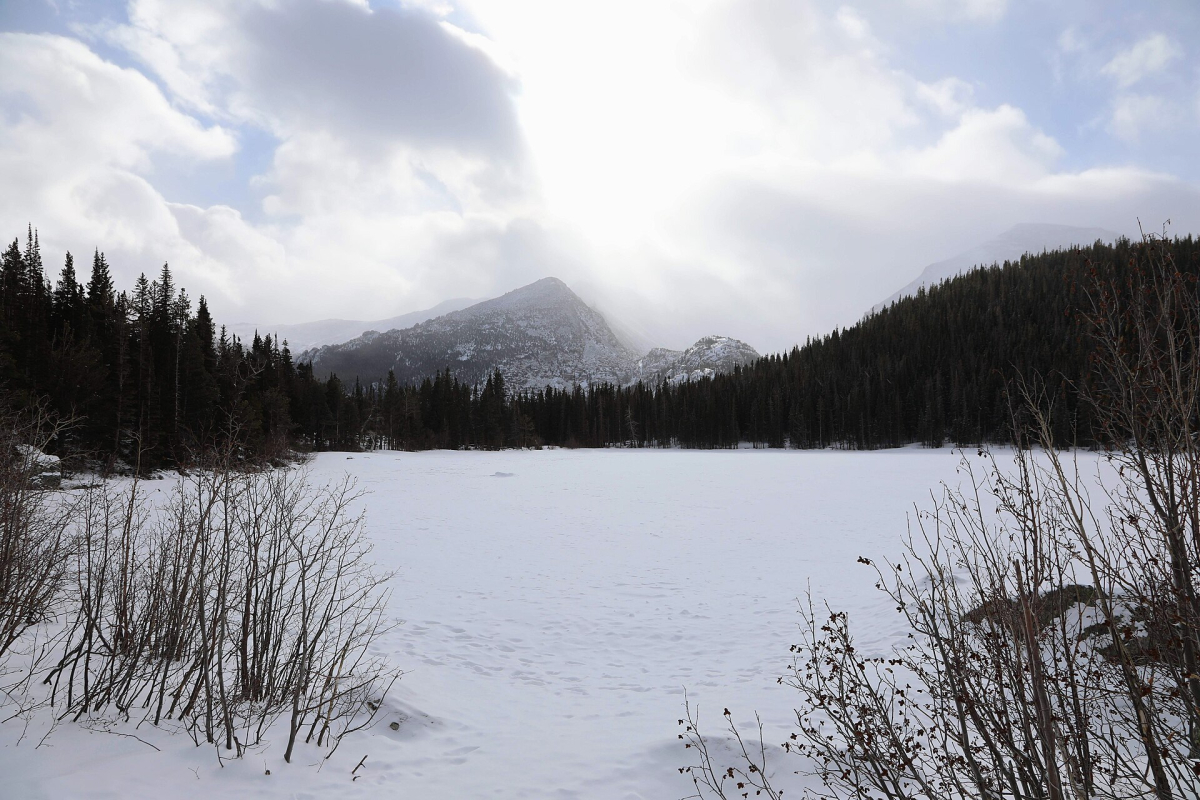
Winter can support a cultural city break when indoor activities are central and you are comfortable with possible weather disruption. A snow holiday needs accommodation and transport designed for that purpose. A winter road trip crossing higher ground is a different undertaking from staying in a city with reliable local transport. Plan for the journey as carefully as the destination.
Florida, Hawaii and desert areas attract travellers seeking a warmer setting, but they do not promise the same conditions. A desert can have cold nights, while high ground can differ from nearby lowlands. Treat the phrase winter sun as a starting point for research, not a forecast. Check the location’s normal range, the current forecast and the outdoor activity’s own requirements.
Northeast and Great Lakes: plan around outdoor exposure
For Boston, New York, Philadelphia, Washington and Chicago, ask how much of each day you intend to spend outside. A trip based on museums, architecture and restaurants can adapt differently from one built around long waterfront walks. Spring and autumn are worth comparing for walking-led visits, while summer and winter each bring their own practical considerations.
A city’s calendar can matter as much as its weather. A major convention, holiday weekend or sporting event may affect a small set of dates. If your plans are flexible, compare nearby weeks before making a booking. Keep at least one indoor option close to each day’s main area so that a weather change does not create another long cross-city transfer.
Southwest and western mountains: elevation matters
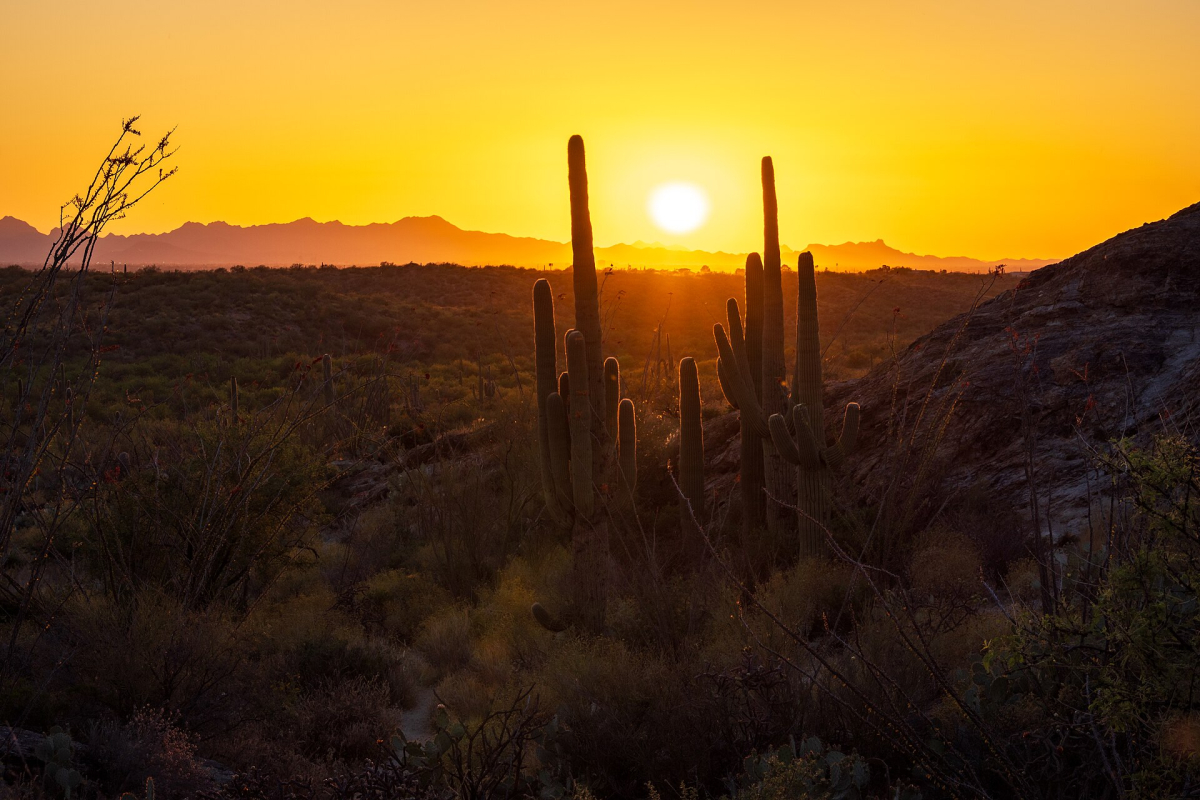
Las Vegas, desert valleys, Bryce Canyon and the Grand Canyon rim should not be treated as one weather zone. Elevation and exposure can change the conditions along a single road trip. Compare the forecast for the actual overnight town and activity area, not only the arrival airport. For a walk, use the relevant park advice rather than a general regional summary.
In the Sierra Nevada, Rockies and other mountain areas, snow and road openings affect when an itinerary works. A route that depends on a pass should remain conditional until its status is confirmed. Check again before departure and keep a realistic alternative. A lower-elevation visit, shorter walk or different base can preserve the purpose of the trip without forcing the original route.
Hurricanes, wildfire smoke and changing conditions
The National Hurricane Center gives the Atlantic hurricane season as June 1 to November 30. This includes travel planning for exposed Atlantic and Gulf coastal destinations, but it does not mean a storm will affect your particular trip. Monitor official forecasts and local instructions when travelling during that period. A seasonal outlook is not a prediction of the conditions at one hotel on one date.
Wildfire smoke can change air quality and views, including away from the fire itself. AirNow provides current air-quality information and a Fire and Smoke Map. Consult those alongside local closures and forecasts when planning outdoor days. Avoid assuming that a place is unaffected simply because the nearest road remains open. Check booking flexibility before travelling, since accommodation and transport changes depend on their own terms.
Alaska and Hawaii have their own seasonal planning
For Alaska, match your trip to the specific excursion and transport season. Denali’s National Park Service information describes summer bus operations broadly from mid-May to mid-September, with current road access restrictions affecting available routes. Confirm the exact service for your dates rather than treating the general summer period as an individual booking guarantee.
In Hawaii, compare the coast and activity as well as the island. Ocean conditions and access guidance can differ around the same island, and a high-elevation outing is not equivalent to a beach afternoon. Use local official information and the day’s conditions to decide where to go. Leaving uncommitted time can be more useful than assigning every coastal outing to a fixed date weeks ahead.
Continue planning your USA trip
Sources and further reading
- National Weather Service forecasts
- National Weather Service heat safety
- National Hurricane Center seasonal climatology
- AirNow air quality and smoke information
- Denali visitor seasons and access
FAQ
What is the best month for a first USA trip?
There is no single best month nationwide. Choose the region and main activities first. Spring or autumn can be useful options for many city-led routes, while northern and mountain trips often depend on a shorter operating season.
Is hurricane season a reason to avoid every coastal trip?
It is a reason to understand the risk, watch official forecasts and review flexible booking arrangements. The official Atlantic season runs from June 1 to November 30; it is not a forecast that any particular holiday will be affected.
Does a national park stay open throughout the year?
Some places remain accessible while particular roads, trails, accommodation and transport services operate seasonally. Check the precise facility and activity you need rather than relying on the park’s general opening status.



