USA TRAVEL GUIDE
Responsible Travel in the USA: Public Lands, Communities and Wildlife
Responsible travel in the USA begins with the decisions that shape a trip: where you stay, how far you move, whose rules apply and how you behave in a place used by others. National parks, state land, Tribal lands, private property and neighbourhood streets have different purposes and permissions. Learn the requirements for the specific place you visit, and treat local guidance as part of the experience rather than an obstacle to it.
Swipe horizontally if needed to compare all columns.
| Situation | Practical action | Why it matters |
|---|---|---|
| Public lands | Identify the actual managing authority | Passes and permissions do not automatically transfer between sites |
| Tribal community visit | Check community-specific visitor and photography protocols | Access is decided by the community |
| Wildlife viewing | Use local distance and food-storage rules | Animals and visitors need space and predictable behaviour |
| Drone photography | Check land-manager restrictions and aviation requirements | Equipment capability does not establish permission |
| Local spending | Understand the operator, maker or business | A name or setting alone does not prove origin or ownership |
Make the route itself more considered
A concentrated regional trip can reduce repeated long transfers while giving you more time in each place. Choose a transport method for the actual journey rather than treating one option as universally appropriate. Trains can be practical between some city centres; a car can be necessary for a dispersed rural route. Compare the full connection, including the start and finish, before deciding.
Fewer accommodation changes can also make it easier to use local businesses and understand a neighbourhood. A longer stay gives you time to find everyday food shops, return to a café or follow a locally led walk. This is a practical travel choice as well as a question of impact: the money and time saved on repeated transfers can support more meaningful activities in the place you chose.
Understand who manages the land
A national park, national forest, state park, local beach and private attraction are not interchangeable access categories. Check the actual managing authority for entry, parking, camping, pets, fires and activity permissions. A pass or reservation for one place does not give access to another. A public view on a map is not evidence of a public route across neighbouring property.
Read notices at the site as well as the website. A temporary closure can protect wildlife, cultural resources or visitors, even when older photographs show unrestricted access. Do not step around a barrier to recreate an image. If the place you wanted is unavailable, choose an open alternative and explain the change honestly when sharing photographs or recommendations.
Visit Tribal communities as living communities
Tribal communities are homes and places of continuing culture, not open-air exhibits. Each community determines its own visitor access and protocols. New Mexico’s official tourism guidance asks visitors to learn the rules and show the respect they would offer as a guest in someone’s home. Contact the relevant community or official visitor service before a visit that depends on access to a ceremony, site or activity.
Photography, recording, sketching and publication can have different permissions. An event open to visitors is not automatically open to cameras. Ask before taking pictures of people, follow restrictions without arguing and do not assume permission at one community applies elsewhere. Choose Indigenous-led interpretation and purchases when they fit the trip, and let the provider describe what may be shared publicly.
Give wildlife space and keep food secure
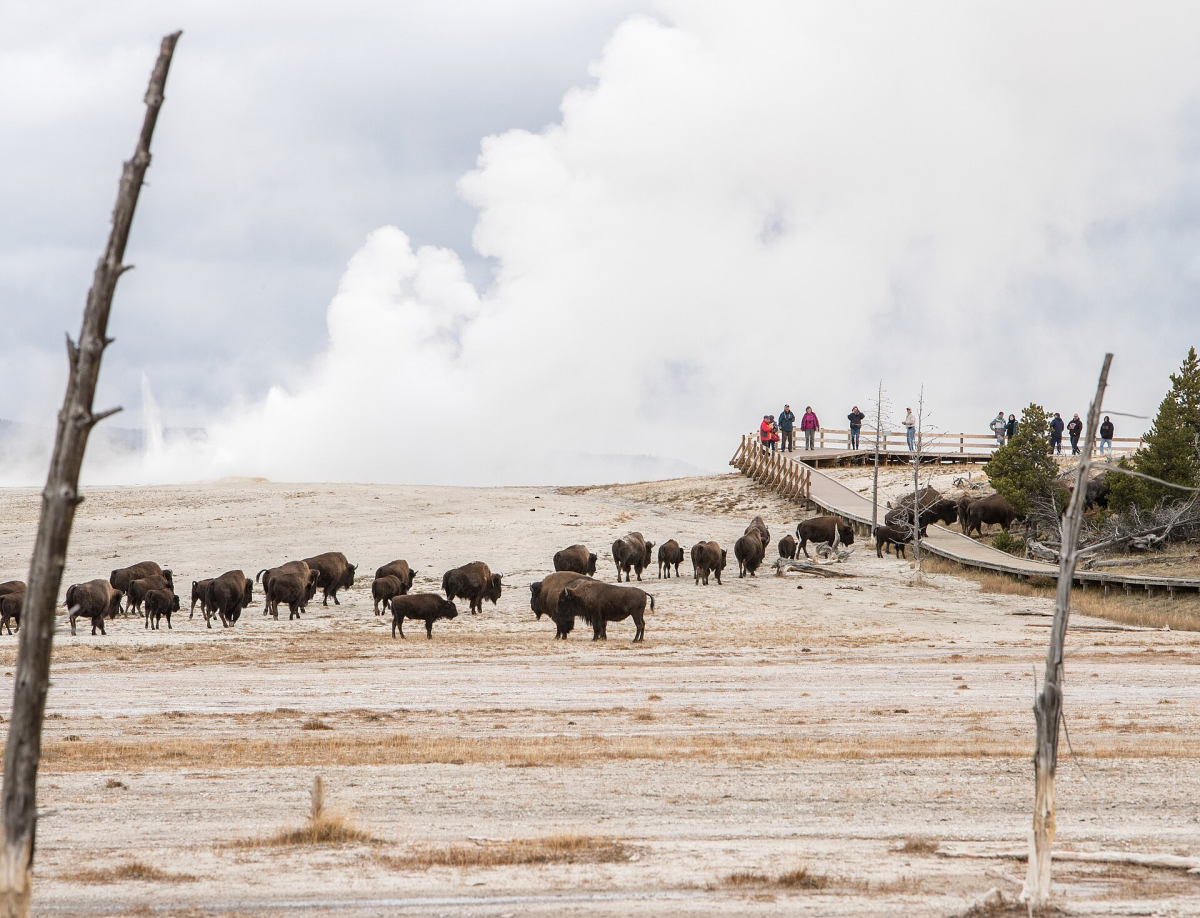
Watch wildlife from a position that lets the animal continue its natural behaviour. The National Park Service notes that required viewing distances vary by park; check local rules rather than applying one number everywhere. Use binoculars or an appropriate lens and move away if an animal approaches. A road or path is not a reason to force your way past wildlife for a closer photograph.
Food, rubbish and scented items need the storage arrangements required by the place you are visiting. Use the provided wildlife-resistant facilities correctly and leave picnic areas clean. Feeding an animal, including a small one near a table, changes its relationship with people. Keep the same care when preparing a quick roadside snack as when staying overnight in a campsite.
Protect trails and fragile places
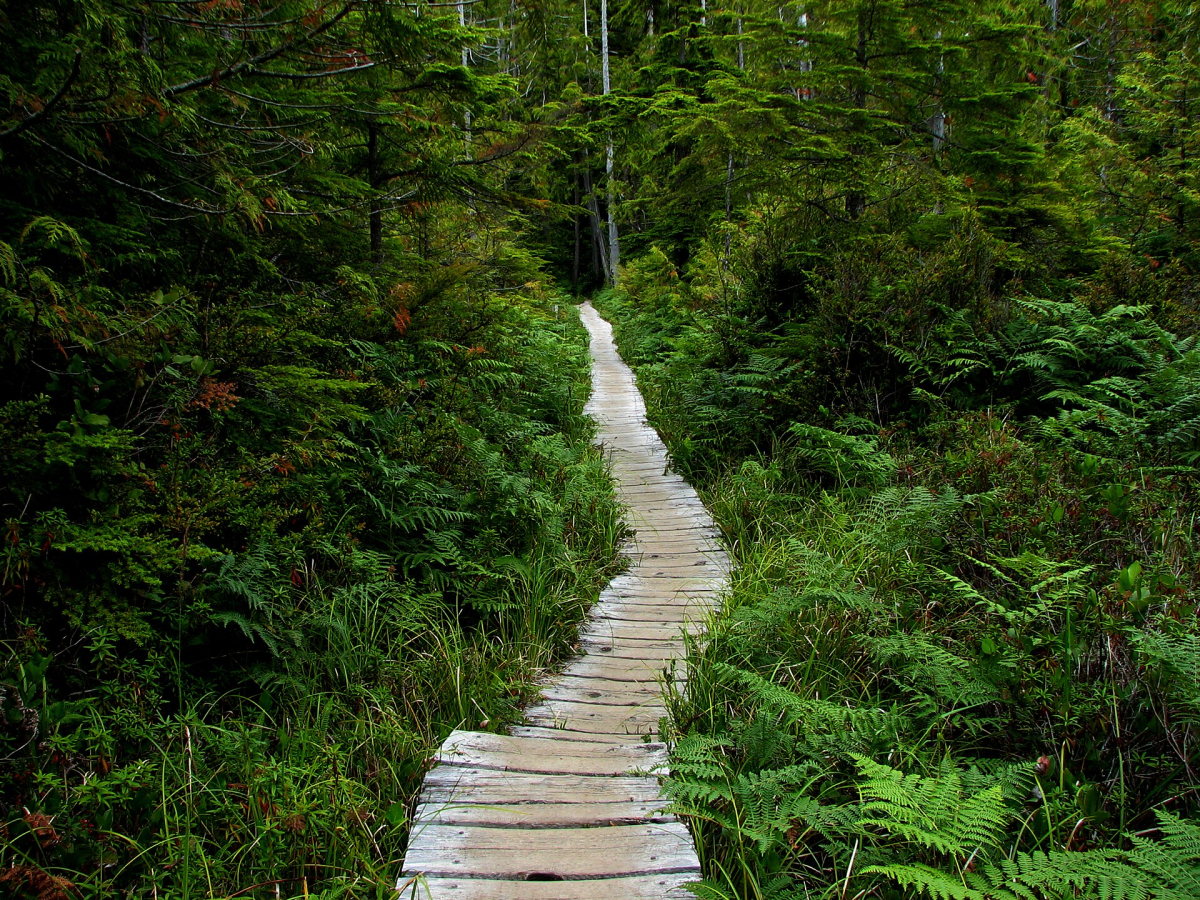
Follow the marked route and the local instructions about where walking is permitted. A shortcut can widen damage even if it saves only a moment. Desert surfaces, dunes, wetlands and alpine areas do not respond to footsteps in the same way as a paved viewpoint. Choose a safe position that already supports visitors rather than creating a new path for a photo.
Leave natural and cultural objects where they are. A small souvenir taken from a site can be part of the story that other people came to understand. Do not build a new cairn, rearrange a scene or add marks to improve a photograph. Where a managed site provides interpretation, take time to read it; understanding why a place matters often changes how you move through it.
Photography and drones: permission comes before equipment
The National Park Service maintains restrictions on launching, landing or operating uncrewed aircraft on the lands and waters it administers, with specific exceptions. Check the actual park and any separate aviation requirements before bringing a drone into the plan. Seeing somebody else fly does not establish permission, and an operator’s flight capability is a different matter from permission to use the location.
For ordinary photography, keep tripods, bags and groups out of busy paths and entrances. Ask before photographing people in a way that singles them out. Take particular care at places of worship, memorials and community events. A public setting does not remove the need for judgement about privacy or respectful behaviour. Share enough context that a historical image or restricted view is not mistaken for a currently accessible visitor route.
Coasts and water: follow local guidance
At the coast, use designated access and keep belongings away from wildlife areas and working access routes. Avoid standing on coral or touching marine life, and follow local instructions for protected species. Hawaii’s official visitor guidance encourages giving marine animals space, reducing waste and supporting local businesses. Choose a suitable outing with a provider who explains the rules clearly.
The detail matters more than a vague environmental label. Bring reusable items you will actually use, dispose of waste through the facilities provided and avoid buying equipment for a single brief outing when a suitable rental exists. Read the current local advice for sun protection and ocean use rather than assuming a package description establishes environmental or safety credentials.
Make local spending deliberate
Look at who operates the tour, shop or restaurant and what the price includes. A locally led activity can add context that you would miss on your own, but local ownership should not be assumed from a name or style of décor. Ask straightforward questions about the experience, group size and where the activity takes place before booking.
For cultural purchases, seek clear information about the maker and origin. A meaningful souvenir does not have to be expensive, but its description should be accurate. Treat service workers with courtesy and understand the establishment’s payment and service arrangements before ordering. The Travel Costs & Money guide covers bills and tipping so those practical questions do not need to be repeated in every itinerary.
Respond to local water, fire and waste conditions
Follow the restrictions in force where you are staying, including temporary water conservation or fire measures. Do not assume an activity allowed during a previous visit remains permitted. Accommodation and park staff can direct you to the current notice, but verify the relevant authority when a restriction affects a wider route or outdoor plan.
Keep daily choices straightforward: use water thoughtfully, avoid leaving equipment or litter behind and separate waste where local facilities support it. A remote picnic spot may not offer collection, so bring a way to take everything out. During a closure or disruption, consider the pressure on nearby communities before changing plans. A respectful alternative may be to stay longer elsewhere or return on another trip.
Continue planning your USA trip
Sources and further reading
- New Mexico official Tribal community visitor etiquette
- National Park Service wildlife watching
- National Park Service uncrewed aircraft policy
- Hawaii official responsible travel guidance
FAQ
Does an America the Beautiful pass cover every scenic site?
No. Federal passes have defined coverage and do not automatically cover state parks, Tribal attractions, private sites, tours or separate reservations. Check the official terms for each place you intend to visit.
Can I use a drone in a national park?
National Park Service restrictions generally cover launching, landing and operating drones on its lands and waters, with specific exceptions. Check the individual park and applicable aviation requirements before planning any flight.
How can I support local communities without taking a tour?
Spend time in a smaller area, use businesses whose ownership and products you can understand, respect residential space and follow local visitor guidance. A tour is one option, not a condition of considerate travel.