
COSTA RICA TRAVEL GUIDE
Costa Rica Health & Safety: Water, Wildlife, Roads & Care
Health and safety planning in Costa Rica is most useful when tied to your actual route: sea conditions on the beach you will use, surfaces on the walk you booked, weather on the approach road and access to care from your room. A beautiful setting is not an assessment of those conditions. Prepare the important decisions before arrival so that changing an outing is a normal part of the trip.
For immediate danger or a medical emergency, call 9-1-1. Save your insurer’s assistance details and the address of the place where you are staying. For non-urgent health preparation, discuss your itinerary and needs with a qualified clinician and read the CDC Costa Rica destination page, checked for this guide on 2 November 2026.
Swipe horizontally if needed to compare all columns.
| Situation | Preparation and decision |
|---|---|
| Beach or water activity | Use current flags, local warnings and competent operator advice; a calm photograph is not evidence of safe swimming. |
| Forest, waterfall or adventure outing | Check the actual route, guide, equipment, ability limits and insurance coverage before booking. |
| Heavy rain or access disruption | Read the regional forecast and ask about the exact road, trail or boat connection; change the plan when access is unsuitable. |
| Medical need | Know the nearest appropriate care and insurer process; discuss medicines and preventive care with a clinician. |
| Theft or lost documents | Keep valuables and recovery copies secure, arrange deliberate luggage storage and use the legitimate reporting process. |
| Remote stay | Plan communication and evacuation options with the actual operator rather than assuming a phone signal or quick road exit. |
Travel Health: Use the Current Advice, Not an Old Checklist


A clinician can assess vaccinations, medicine, pregnancy-related concerns and your own health history against the locations and activities you plan. Arrange the discussion early when possible, and take the real itinerary rather than saying only that you are going to a tropical country. Medication and prevention choices are individual; a general travel guide cannot make them for you.
On 2 November 2026, the CDC destination page carried notices for chikungunya in northwest Costa Rica and hepatitis A, with the latter reporting most cases in San José province. Its notices and recommendations can change. Read the live page before travel and ask your clinician what the current advice means for your route. This dated observation is not a prediction of your exposure or a statement that other regions have no risk.
Protect against insect bites using suitable clothing, screened accommodation where appropriate and a repellent used according to its label and relevant medical advice. Discuss malaria prevention for the actual areas you will visit; do not turn a regional recommendation into a blanket country-wide medication rule.
Animal Contact, Bites and Scratches
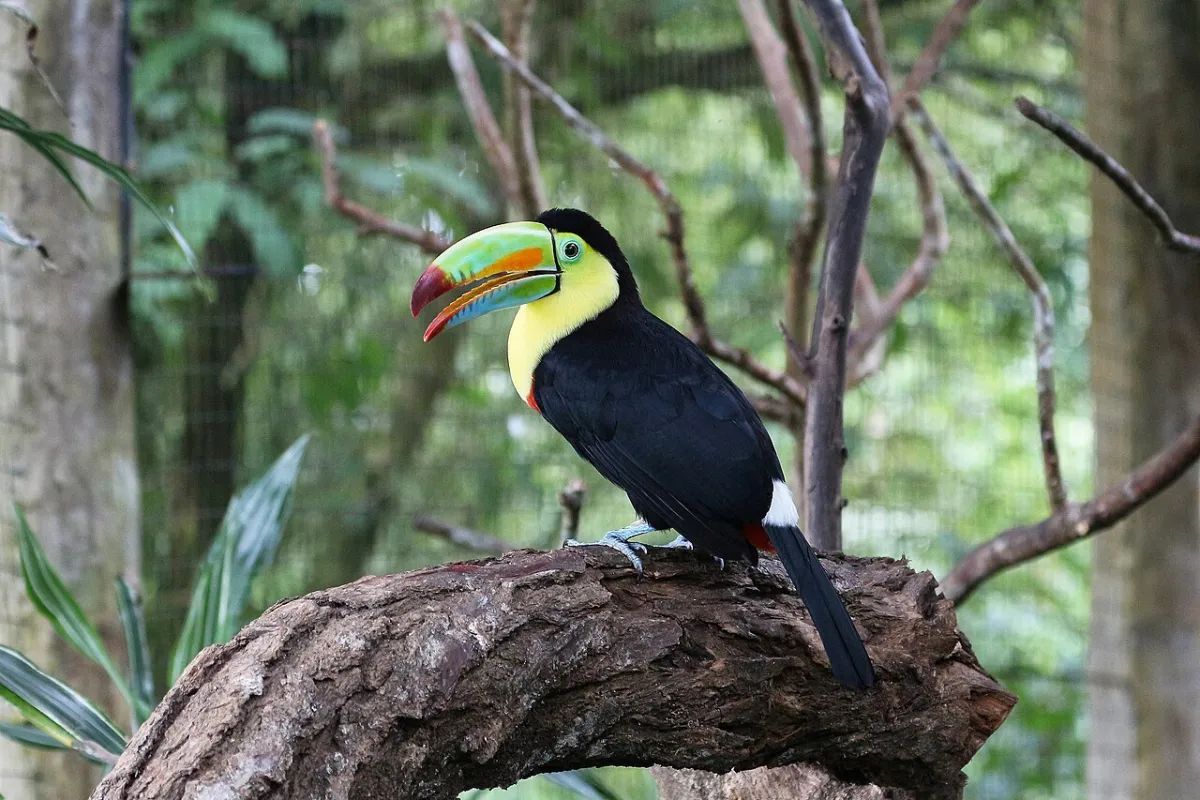

Observe wildlife without feeding, handling or positioning an animal for a photograph. Keep children close enough to prevent an impulsive touch. A familiar-looking monkey or a captive animal is not an invitation to make contact, and food left available can draw animals into a conflict that affects later visitors too.
CDC advises washing an animal bite or scratch with soap and clean water and obtaining medical care promptly. It also advises immediate medical care if you wake in a room with a bat, as a bite can be difficult to see. Tell the clinician about the exposure and where it happened. Do not wait for the next convenient town or try to decide from the animal’s appearance that assessment is unnecessary.
For a remote nature stay, discuss access to care and communication with the operator before arrival. If a health event affects the itinerary, involve your insurer’s assistance service as appropriate; a lodge may help with logistics, but it does not replace clinical assessment.
Beaches, Rivers and Boat Activities
Costa Rica’s two coasts offer very different shorelines, and the conditions at one beach do not describe the next. The UK government’s current safety guidance highlights rip currents and frequent absence of lifeguards. Follow flags, closures and reliable local advice; do not enter the water because a photograph, hotel view or online list calls a bay family-friendly.
Choose the actual activity for the group’s ability. Surfing, swimming, snorkelling and a boat-based wildlife visit require different supervision and equipment. Ask the operator about conditions, experience requirements, flotation equipment, cancellation criteria and emergency arrangements. Keep the option to stay ashore or choose another outing.
A waterfall pool or river should receive the same careful judgement. Recent rain upstream and local access rules matter even if the water near you looks inviting. Stay on permitted routes and follow the operator or park’s instructions. A short distance from the car does not establish a low-risk activity.
Roads, Weather and Volcanic Areas
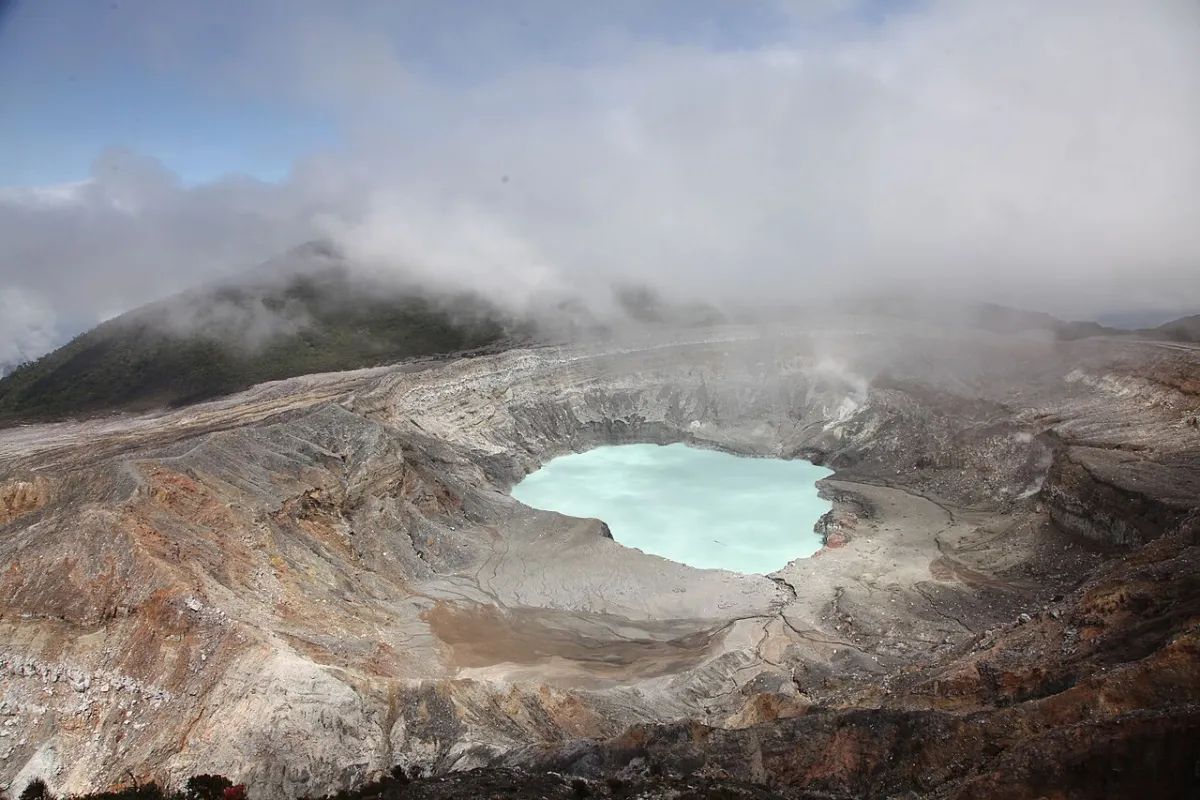

Check the IMN regional forecast and obtain the park or property’s current access information before a weather-sensitive day. A confirmed room or ticket does not make a flooded road, closed trail or cancelled boat connection usable. Leave room in the itinerary for a local alternative.
For driving, choose a route suitable for your vehicle and the current conditions. Avoid making an unfamiliar remote approach after dark if a simpler gateway night is available. Follow the rental company’s instructions for a breakdown or collision, keep the emergency contact offline and do not accept water crossings as a casual shortcut. Car Rental covers the contract questions.
In volcanic areas, use current SINAC notices and respect restrictions even when an older guide describes a viewpoint as normally open. Cloud, gas, activity and weather can change the visit. Ask about your own respiratory or other health needs before choosing an exposed volcanic outing; a ticket is not a health suitability assessment.
At your accommodation, identify exits and the local assembly or evacuation instructions. Read the procedure on arrival rather than relying on memory during an earthquake, severe weather event or coastal warning. The property should be able to explain what guests are expected to do.
Belongings, Road Stops and Evenings
Plan luggage storage deliberately on transfer days. A parked car, including its boot, should not become the default storage locker while you take an unplanned walk. Use a suitable supervised arrangement and carry the documents, medicines and valuables you need. Keep payment and recovery copies separated where practical.
Use legitimate transport, confirm the vehicle or driver through your booking and keep the arrival address available. If you receive unsolicited help with a roadside problem, follow the rental company’s process and reach an appropriate safe place or request official help as the situation permits. Do not let urgency turn a stranger into the person controlling your documents or payment.
For evenings, arrange the return journey before moving to an isolated venue or beach area. Keep drinks under your control, choose known operators and leave when the situation no longer feels appropriate. A busy town, rural retreat and night nature walk create different return and communication needs.
Insurance and a Practical Backup
Read your insurance against the activities you will actually undertake: surfing, rafting, diving, zip-lining and other adventure products can have different terms or exclusions. Ask about medical evacuation and remote access if your route includes a lodge reached by boat or a substantial trail. A policy name alone does not settle the covered activities.
Keep a brief health/assistance record with essential medication information, allergies where relevant, your insurer and emergency contact. Share only what is needed with the provider handling the situation. If a condition limits walking, heat or boarding, establish the specific arrangements in advance rather than hoping a guide can improvise them on the day.
Use Useful Contacts for the right official and operator sources. Good preparation leaves a workable simpler option: a local rest day, a different transfer or a shorter outing that does not depend on pushing through unsuitable conditions.
Health & Safety FAQs
What number should I use for an emergency in Costa Rica?
Call 9-1-1 for an emergency. Know your location and save your accommodation address and insurer assistance details before an outing.
Does this guide choose vaccines or malaria medicine for me?
No. A qualified clinician should assess the actual itinerary, duration and personal health circumstances using current guidance.
What should I do after an animal bite or scratch?
CDC advises washing with soap and clean water and getting medical care promptly. Explain the exposure and location to the clinician.
Is a calm-looking Costa Rica beach safe for swimming?
A photograph cannot establish current safety. Follow flags, closures and competent local advice; rip currents and lack of lifeguards are important considerations.
Does a rental SUV make flooded roads acceptable?
No. Vehicle capability does not establish safe passage or contract permission. Seek an approved alternative and follow current local instructions.
Why should I check the insurer before booking adventure activities?
Policies can have activity-specific conditions and exclusions. Verify the exact activity and any remote medical or evacuation needs before committing.