
COSTA RICA TRAVEL GUIDE
Costa Rica Travel Essentials: Packing, SIMs & Daily Logistics
Prepare for the Costa Rica trip you have actually booked: the coast, elevation, transfers and individual experiences matter more than a generic tropical packing list. Keep the first night simple, the next day’s documents available offline and the equipment you need for a transfer within reach. A wet forest outing and a beach afternoon may need different footwear and clothing even in the same week.
Use Visa & Entry for permission and arrival documents, Health & Safety for medical and outdoor preparation, and Travel Costs & Money for payments. This page handles everyday logistics so those separate decisions are not buried in one checklist.
Swipe horizontally if needed to compare all columns.
| Need | Practical preparation |
|---|---|
| Documents | Original required travel documents, offline bookings and separate secure copies; check requirements for each domestic operator. |
| Connectivity | Unlocked compatible device, chosen roaming/SIM/eSIM terms, coverage at the property and offline navigation. |
| Clothing | Breathable layers for lowlands plus rain protection and a warmer layer for highland stays. |
| Footwear | The actual trail surface, steps and wet conditions; a spare dry option for transfers. |
| Day bag | Water as appropriate, sun protection, required medication, rain protection for electronics and the booking/entry information. |
| Arrival | Airport code, full hotel address, confirmed pickup/late-arrival plan and the next meal. |
Keep Documents Useful Without Exposing Them

Travel with the original documents required by immigration and your operators. Keep secure copies separately for recovery, but do not assume a photograph replaces the original for a flight, bank transaction or formal check. For example, SANSA’s documentation guidance, checked on 2 November 2026, specifies a valid physical passport for foreign passengers.
Save the first hotel’s complete address and contact, the pickup instructions and the reservation number while you have reliable access. Share the relevant arrival details with the person providing the transfer, using the contact process in your booking. Avoid posting detailed live travel plans publicly.
If a name, date or airport code is wrong, correct it before departure. The regional label in a hotel listing can be broad, and a last approach may be very different from the main-road journey. Ask the accommodation to describe the arrival route and late-check-in procedure rather than treating a map pin as complete instructions.
SIM, eSIM and Offline Plans
Check that the phone is unlocked, supports the chosen SIM format and can use the service you intend to buy. Compare the actual plan’s coverage, validity, data, calls, tethering and activation process. A data-only travel eSIM is not the same as a local voice service, and an app call depends on its own connectivity.
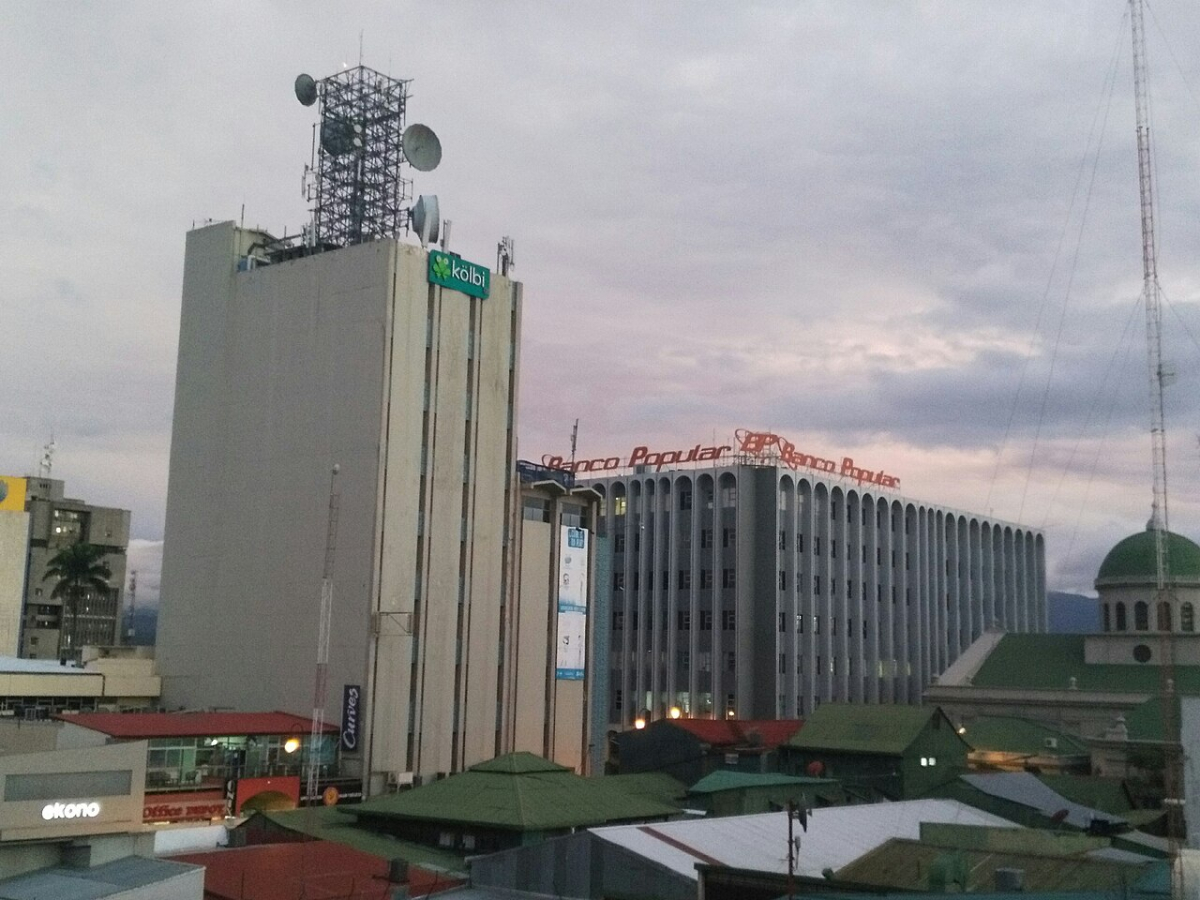
Kölbi’s current eSIM page confirms the digital-SIM option, but device support and the plan you buy still need checking. Do not choose an operator solely from an old airport-booth description or assume strong signal in a remote lodge. Ask the property about the actual network that works there and its own Wi-Fi conditions.
Download navigation, the next booking and essential contact details before leaving a connected area. Carry power sufficient for the transfer and keep a cable accessible. If your phone is both your map and your only access to documents, losing its battery can interrupt several parts of the day at once.
Keep a real emergency calling plan. Costa Rica’s emergency number is 9-1-1; the tourism board’s tips page states that a local line is not required to dial it. That does not make every data-only plan or messaging app an equivalent emergency voice service, and coverage/device conditions still matter. Ask your mobile provider how emergency calls work on your device and arrange another way to obtain help when remote.
Pack for Coast, Forest and Highlands
For lowland coast stays, choose breathable clothing and protection appropriate to sun, insects and the activities you plan. For Monteverde or other higher areas, include a warmer layer and a rain shell. Keep one dry outfit available rather than depending on a suitcase stored deep under the transfer luggage.
Match footwear to the actual route. A paved approach, muddy trail and waterfall stairway are different tasks. Ask the operator about the surface, length and steps rather than buying shoes for a general label such as “easy walk”. Keep wet footwear out of sealed luggage where possible and plan how it will dry before the next outing.
A small waterproof pouch or protective bag can help with documents and electronics during rain or a boat journey. It is not permission to take equipment onto a route where the operator advises against it. Carry only what you can manage without obstructing boarding or keeping you distracted from the surroundings.
Check the electrical input label and plug/adapter needs of each device before departure. An adapter changes the physical connection; it does not necessarily change voltage. If a medical device or special equipment is essential, confirm the property’s usable supply and a backup appropriate to that device rather than relying on a general room description.
Daily Logistics: Meals, Water and Laundry

Know how you will obtain the first meal after arrival and where breakfast is served. In a rural property, the answer may depend on a booked meal plan or a ride into town. Tell the accommodation about a dietary need before arriving late, and confirm the actual options rather than assuming a kitchen is open continuously.
Ask the property or operator about drinking-water conditions at your specific location and any current advisory. Use refill opportunities where the source is confirmed suitable, and carry what you need for the outing. A general national claim should not override a local notice or a building-specific issue.
Plan laundry around the stay, not just the volume of clothing. Ask whether washing and drying are on-site, a paid service or a town errand, and how long the service needs. Rain and humidity can change the value of a drying area. Do not reserve every evening for an activity if the ordinary tasks have nowhere to fit.
Families and Access Requirements
For children, reserve suitable vehicle restraints and check age/ability limits for each booked activity. Ask about the specific accommodation layout, room-to-dining route and pool/water supervision needs. A family-friendly marketing label does not settle the details that make arrival or a day outing comfortable.
For access needs, describe the practical task: steps, walking distance, standing, vehicle boarding, toilets, room layout or a mobility aid. Request answers from the operator using the actual route and vehicle. A level entrance or an accessible room is only one part of the chain.
Build rest into a nature-heavy itinerary. An interesting morning can be enough for a child or mixed-ability group without adding a second paid attraction simply to fill the day. A nearby meal and return to the same room can improve the trip more than another long transfer.
A Short Routine Before Every Transfer
Confirm the next address, pickup, route and the documents needed at the next stop. Refill appropriate supplies, charge devices and put medicines and valuables in the bag that remains with you. Make sure the next property knows about an arrival outside its normal window.
Check the regional forecast and operator messages before setting out, particularly when the day involves a boat, mountain road or protected-area admission. Use Getting Around for the transport options and Useful Contacts for the right source when a booking or access issue arises. Keep the routine short enough that you will actually use it every time.
Travel Essentials FAQs
Is a data-only eSIM the same as a local phone service?
No. Compare data, ordinary voice, emergency calling, activation and device compatibility separately.
Should I pack a warm layer for Costa Rica?
If your route includes higher areas such as Monteverde, a warmer layer is useful alongside rain protection. Pack for the actual elevations and activities.
Can I use a passport photo instead of the original everywhere?
No. Keep secure copies for recovery, but immigration, transport and other formal processes can require the physical original.
Can I assume every hotel’s Wi-Fi supports my work calls?
No. Ask about the actual room/workspace connection, power and a usable backup for your requirements.
Does a plug adapter change voltage?
Not necessarily. Check the device input label and whether you need only a physical adapter or a different solution.
What should stay accessible during a transfer?
Required documents, medicines, essential bookings, power, a dry change and the arrival contact details, rather than leaving everything in the main suitcase.



